Private Dining Room Hire for Corporate Dinners and Celebrations
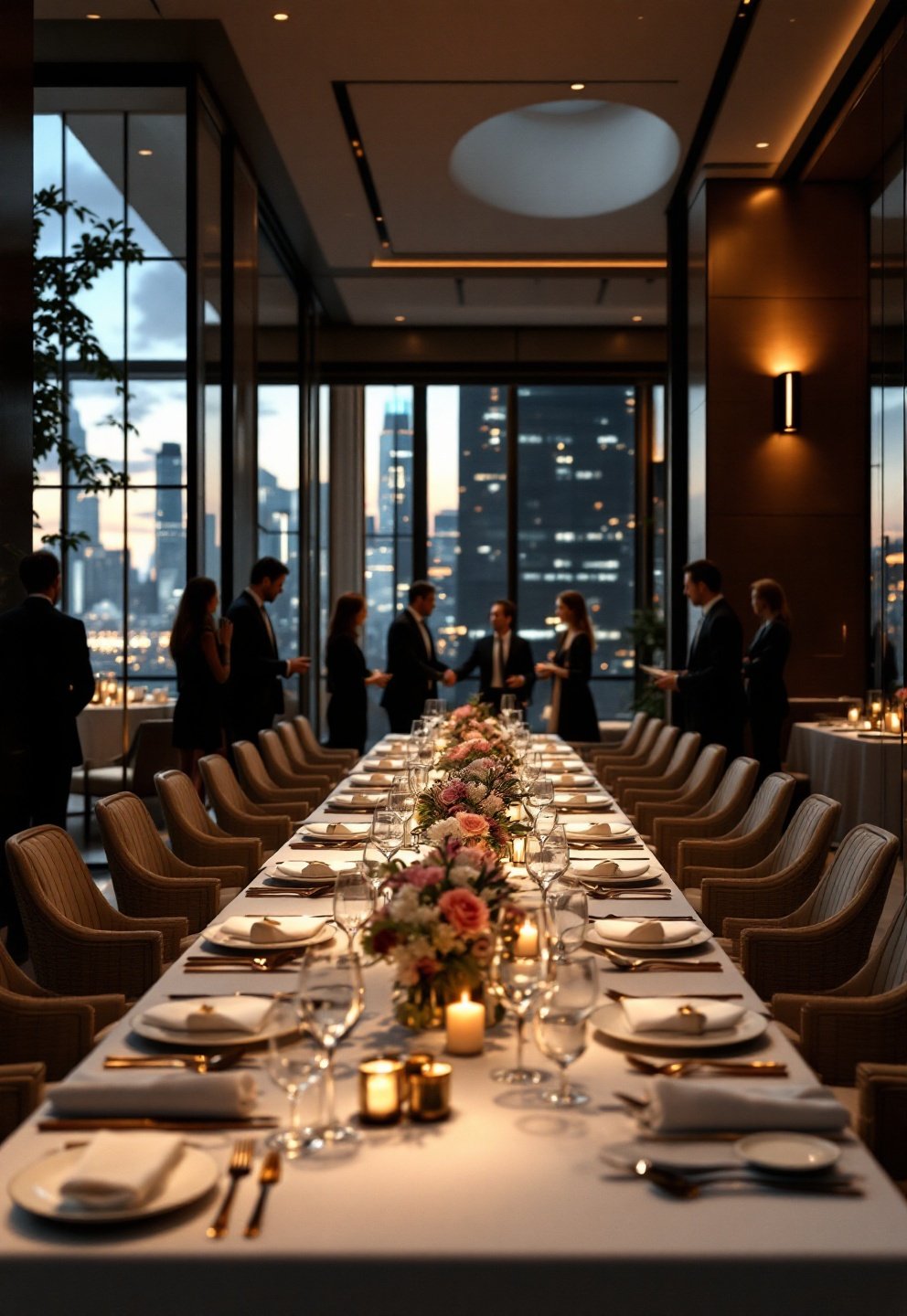
It’s Tuesday, the board dinner is five weeks out, and three restaurants still haven’t answered your availability email. That squeeze is exactly why demand for a private dining room hire event keeps surging—Google query volume is up more than 120%—and why the rooms worth booking for 30–50 guests fill 4–12 weeks ahead. This guide gives you fast, data-backed steps to lock in the right space without the endless email chase.
Key Takeaways
- Demand for private dining is surging—query volume on Google up 120%+, and minimum spend expectations are rising for all event sizes.
- Corporate, social, and micro-events (30–50 guests) require different approaches: match your event goals to concrete venue features before booking.
- Transparent pricing, AV details, and a clear, detailed brief are your tools for a quick, accurate, and stress-free booking.
- Private Dining in 2026: What’s Changed and Why Fast, Informed Decisions Matter
- How to Book the Right Private Dining Room—Fast
- Common Private Dining Pitfalls—and What to Ask Instead
- Booking with Speed, Clarity, and Confidence
- FAQ
Private Dining in 2026: What’s Changed and Why Fast, Informed Decisions Matter
Private dining is no longer just for board dinners and once-a-year parties. Data shows the global private dining market will reach $87 billion by 2035, growing twice as fast as regular restaurant dining. Why? Planners want guaranteed exclusivity, seamless menus, and—crucially—a tech-validated space for AV and presentations. Whether you’re planning a corporate offsite, client dinner, or milestone birthday, immediate access to minimum spend and AV specs is the new gold standard. Waiting days for quotes kills momentum—and might cost your company or client the best date or room.
Don’t start from scratch each time. If you need venue concepts or creative event backdrops, the Ultimate Event Planning Guide and Eventory blog offer tested frameworks and real-world inspiration. For visual themes, check event inspiration ideas early; it will shape your shortlist and questions for venues.
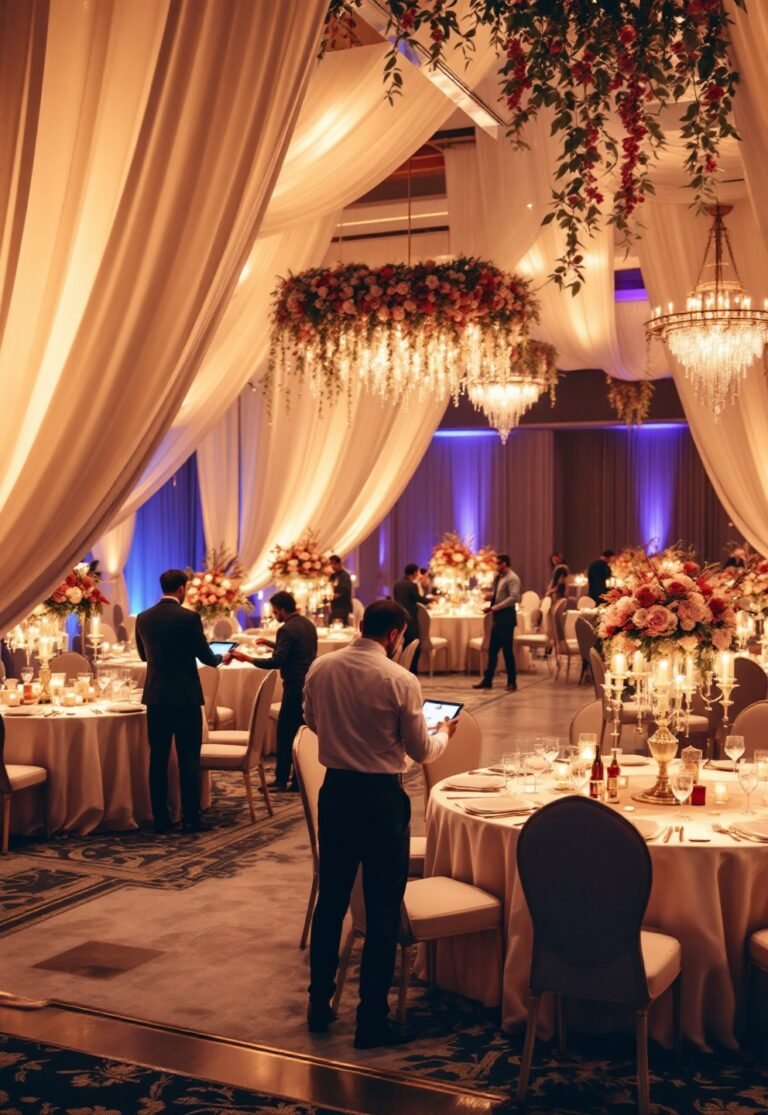
If you’re running a micro-event (30–50 guests), review capacity bands closely and know that most urban venues max out at 40 seats—anything above will shift you into hotel, blank canvas, or specialist event venues where costs and AV options differ. For relevant examples, see the corporate event venue guide or the blank canvas event venue guide.
How to Book the Right Private Dining Room—Fast
- Clarify your event type and non-negotiables. Corporate dinners need tested AV, privacy, and fast confirmations. Social events (birthdays, anniversaries) may prioritize ambience, menu flexibility, and drink packages. Match your needs to venue features first—don’t filter only by location or price.
- Use the plan your event tool to capture dates, guest count, preferred layouts, and exclusivity.
- Set your budget with context. Private dining minimum spends vary widely—expect 1.5 to 3 times regular menu pricing per person. Use the event budget calculator for realistic F&B minimums, and the event catering calculator to estimate package versus à-la-carte spend. Micro-event planners must note that small groups sometimes pay a premium to secure full room privacy.
- Refine your guest count and preferred layouts. Especially for 30–50 guests, check listings for actual “by-layout” capacities, not just max capacity. Use the guest list calculator to lock numbers before sending inquiries.
- Prepare a detailed, plug-and-play brief. Fast-moving venues give instant quotes for clear briefs. Copy this template (modify as needed):
—Date (plus flexibility, if any)
—Arrival and end time (plus early setup needs)
—Guest count (min/max)
—Preferred layouts (e.g., single table, rounds, AV for presentation)
—Per-head budget or minimum spend target
—AV needs (Wi-Fi, screen, projector, mic, hybrid/VC if needed)
—Menu and drink requirements (including dietary/allergies)
—Privacy/exclusivity requirements (yes/no)
—Decision/project deadline for proposal/quote
- Shortlist venues—triage fast using a checklist:
- Does the listing show minimum spend (by daypart) or just “contact for pricing”?
- Are menu options (including dietaries) and per-head price ranges visible?
- Is AV (Wi-Fi, projector, hybrid call setup) included, and can you test it ahead?
- Are there specific photos of your exact private room and layout options?
- How clear are the cancellation, deposit, and time overrun policies?
If these are missing from listing, drop a prewritten email (sample at end) and ask for a same-day reply to avoid phone tag.
- Negotiate like a pro:
- For corporate/private groups, you can often secure weekday or early evening deals, or beverage package upgrades, in exchange for accepting a higher minimum spend.
- Always get final minimums, inclusions, and cancellation policy in writing—never just verbal agreement.
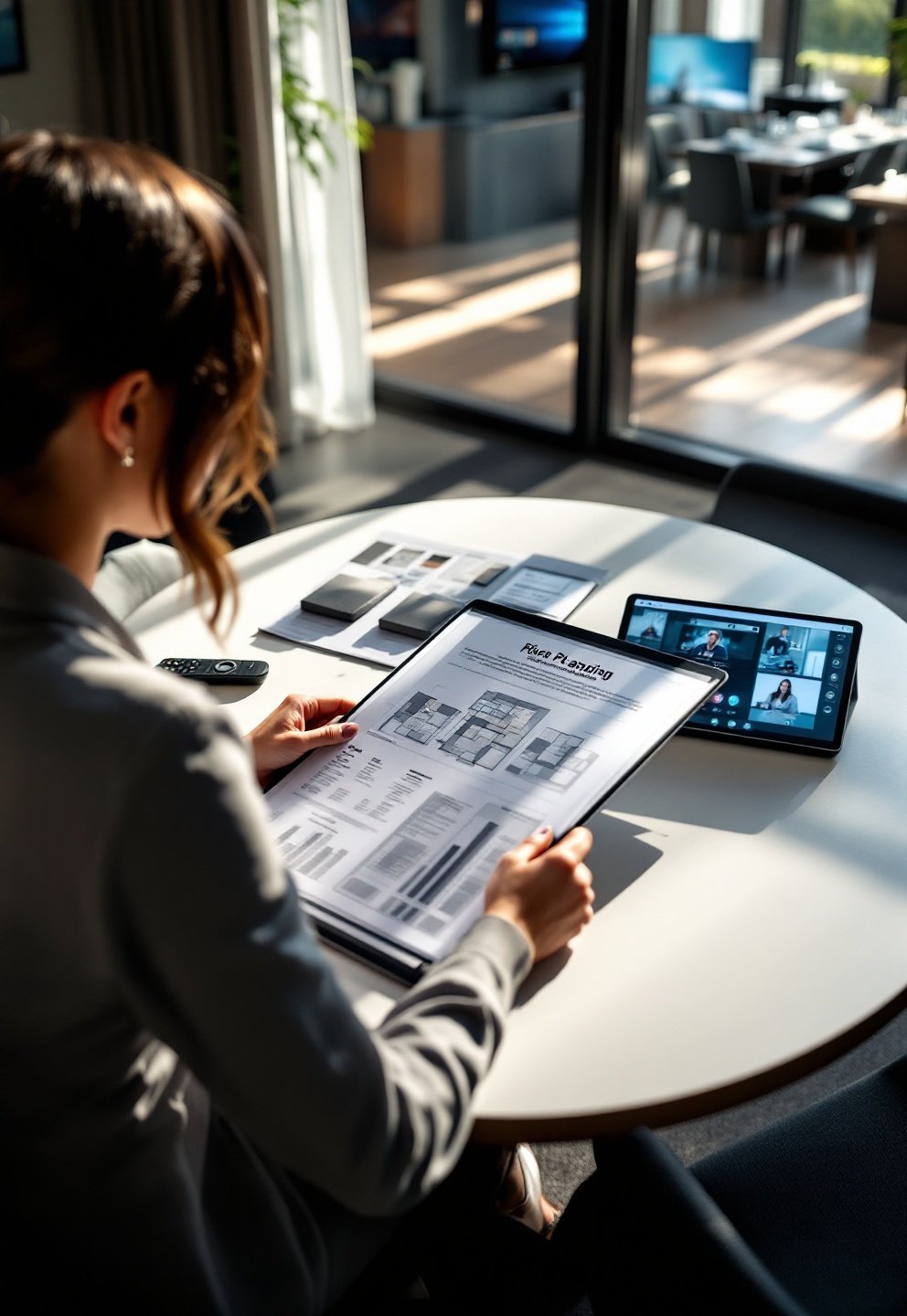
- Confirm via walkthrough or AV test. For tech-driven events, insist on testing Wi-Fi and AV before confirming (in person or via live demo walkthrough/video call). Reliable AV is non-negotiable—don’t risk a last-minute fail.
Planners often overlook the value of experiences like chef’s table private hire or interactive tasting menus. These are upsells—but for corporate and special milestone events, they drive engagement (and spend) far beyond what standard private dining achieves.
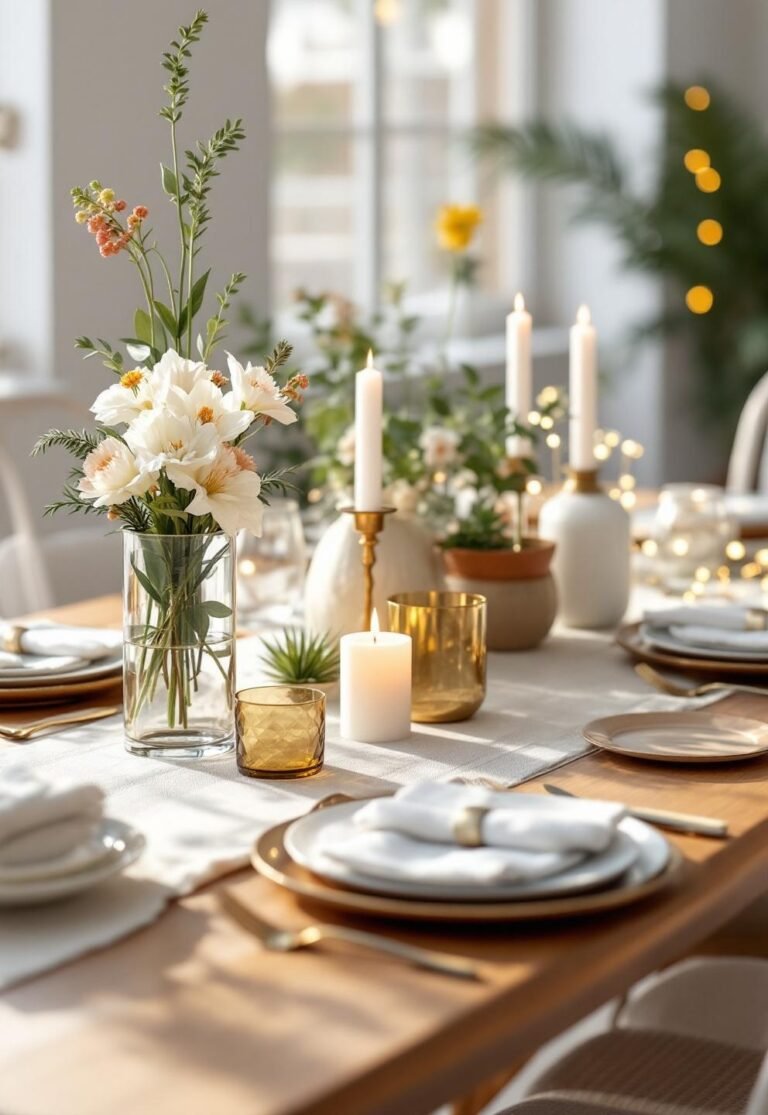
If you plan to add floral or visual elements, see flower wall rental advice for specific event types, or get creative with table centerpiece ideas—venue managers appreciate concise décor briefs.
Common Private Dining Pitfalls—and What to Ask Instead
From industry research and feedback from event pros, these are the traps to avoid when hiring a private dining room for events:
| Common Pitfall | Root Cause | What to Ask/Do Instead |
|---|---|---|
| No transparent minimum spend or unclear per-head pricing | Venue listings omit key thresholds by day/time/type | Request detailed minimum spends and sample menus by date/time/guest count upfront |
| AV not as described—Wi-Fi drops or projector missing | Infrequent AV use, tech specs buried, no test offered | Test AV in person or via a walkthrough before deposit; get equipment lists in writing |
| Photos show main dining room, not actual private space | Generic marketing images, no separate room gallery in listings | Request photos specific to your room/desired layout with your date in mind |
| Proposal response slow, queries go unanswered | Venue understaffed; manual forms instead of instant holds | Include a decision deadline in your brief; follow up once, then move on |
| Menu options or dietary needs inflexible | Set menus with little room for allergies/exclusions | Review recent product reviews and ask venues for sample group menus with dietary labeling |
| Deposit/cancellation terms unclear or punitive | Terms hidden until booking; late fees not disclosed | Ask for terms in proposal, including cancellation deadlines and overrun policies |
Also, too few planners ask about hybrid setups for remote attendees—a need likely to keep growing, according to hospitality trend reports.
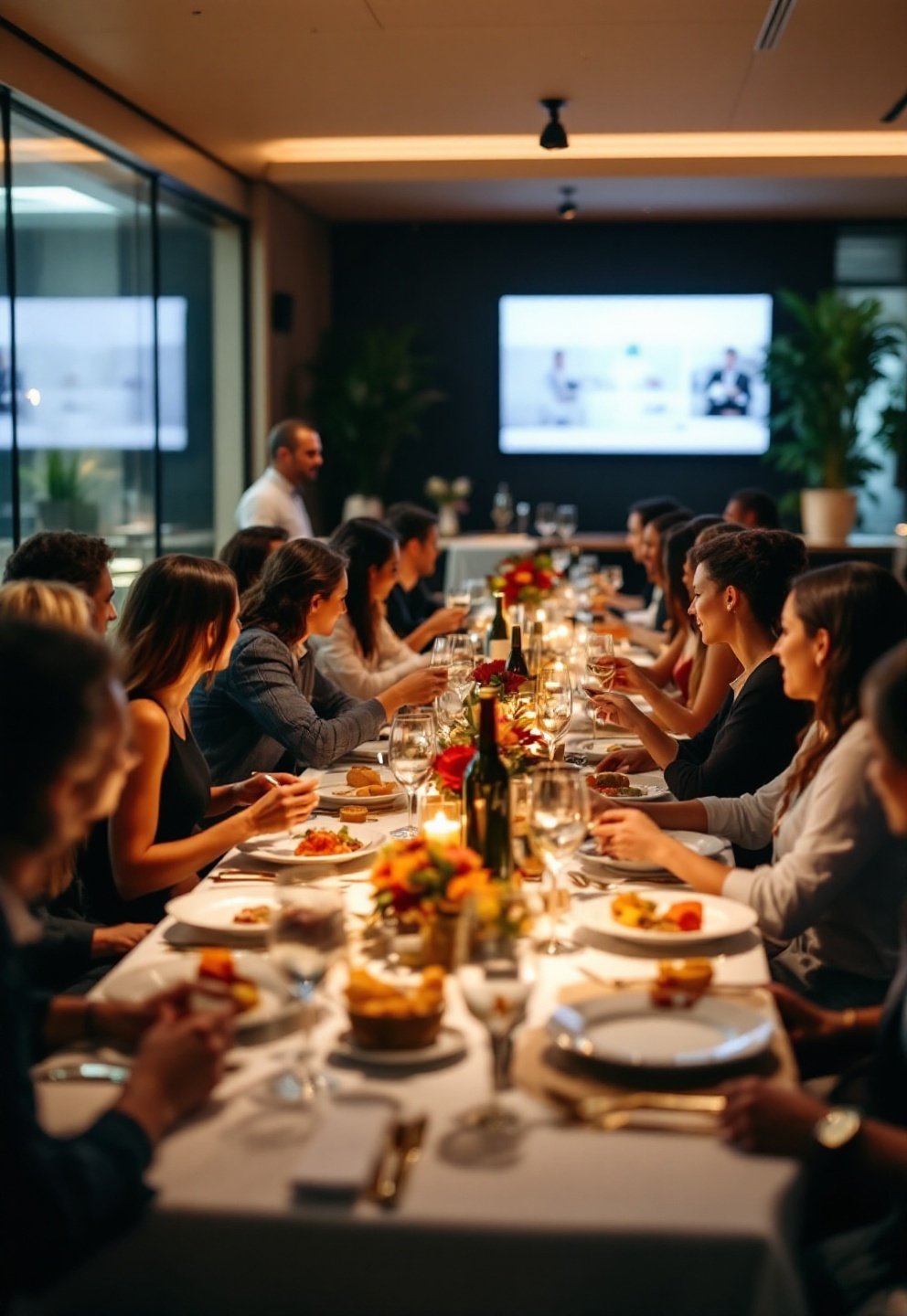
For a deeper risk check, read the Ultimate Event Planning Guide or get real-world tactics on the Eventory blog. If you’re comparing large venues, this conference venue hire playbook covers advanced supplier negotiation and hidden contract terms.
Booking with Speed, Clarity, and Confidence
Booking a private dining room hire event in 2026 is about speed, clarity, and fit. Demand is surging, minimum spend expectations have risen, and the quality of your brief and questions now determines success. Use the event planning checklists, calculators, and sample briefs above to cut friction and land the right venue the first time. To move quickly from shortlist to confirmed booking—especially in peak dates—check out the Ultimate Event Planning Guide or jump into the plan your event tool for a fast, actionable start.
FAQ
How far in advance should I book a private dining room for a corporate or milestone event?
For corporate events, aim to book 4–12 weeks out, especially for 30–50 guests or peak dates. For anniversaries or birthdays, 2–6 weeks often suffices, but popular venues can fill even faster in 2026.
Is the minimum spend always per-head or can I just pay a room hire fee?
Most venues use a minimum food & beverage spend, which often equals or exceeds the revenue they’d expect from that space. Flat room hire is rare and usually only available in hotels or for off-peak times.
What kind of AV support can I expect in a private dining room?
Wi-Fi and basic screens are nearly universal in corporate-focused dining rooms. Projectors, sound systems, and hybrid meeting tools are less consistent—always confirm and test in advance.
How do I ensure menu flexibility for dietary needs?
Request sample group menus with full dietary/allergen labeling. Always reconfirm any allergies or custom requirements at least 7–10 days before your event, and get written confirmation from the venue.
What should be included in my first email to a venue for a fast, accurate quote?
State your date, guest count, preferred layouts, per-head or total budget, menu/AV/dietary needs, privacy requirements, and a clear deadline for their reply. Use the sample brief above for best results.