Table Centerpiece Ideas That Set the Mood at Any Event
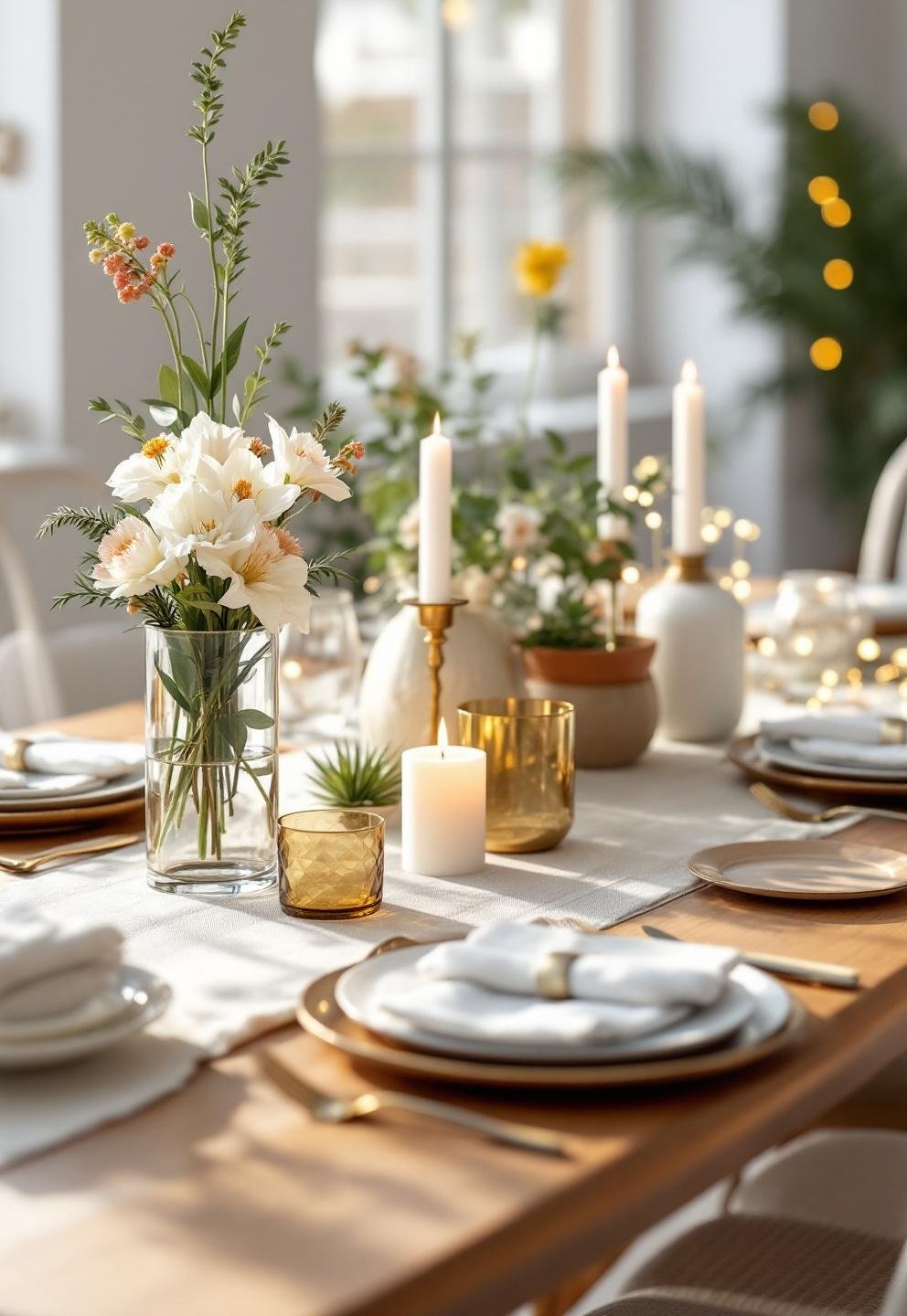
Table centerpiece ideas are more than just decor—they shape the mood, flow, and conversation at your event or dinner. This guide cuts through the noise with the latest styles, practical strategies, budget comparisons, and unique templates you can use right now.
Key Takeaways
- On-trend 2026 table centerpiece ideas styles favor verticality, reusable materials, and arrangements that don’t block sightlines or burn your budget.
- Most centerpiece mistakes involve ignoring table shape, failing sightline tests, or underestimating setup complexity.
- Ready-to-go templates and checklists help busy hosts create beautiful, sustainable centerpieces in minutes—not hours.
- Trending Table Centerpiece Ideas & Essential Concepts
- Actionable Centerpiece Setup: Step-by-Step Guide
- Cost, Mistakes & Real-World Pitfalls
- Conclusion: Make Your Centerpieces Stand Out
- FAQ
Trending Table Centerpiece Ideas & Essential Concepts
The best table centerpiece ideas in 2026 are visually impactful, practical, and kind to the planet. This year’s dominant looks include organic, garden-inspired florals with airy vertical arrangements, floating or suspended elements, and clusters of candles for moody layered lighting. Budgets and environmental concerns are pushing a big swing toward reusable containers and home-friendly botanicals—think potted succulents, clear glass, metallic trays, and upcycled jars, rather than one-off plastic props. Height, shape, and ease of assembly aren’t just nice-to-haves—they’re the rule.
Why does this matter? Most small events, home dinners, or mid-sized weddings have the same core needs: keep sightlines open, avoid crowding table space, use sustainable pieces, and be efficient with both money and time. Elongated clusters fit rectangular tables; circular groupings suit round ones. Modern centerpiece ideas often employ a monochrome or ombre palette for cohesion or layer fruit, moss, and candles for longer shelf life. Technology is even making an entrance: AR-lit vases and QR-code placards are niche, but show promise for interactive events (see more on tech event decor).
Low, meadow-style tablescapes and eco-friendly DIY options have surged—check out these eco-friendly event decor ideas for real-world sustainability. For maximal effect, many hosts blend metallic candle hardware, fruit bowls, or small potted plants with minimal fresh flowers, keeping within the critical “12-inch rule” for centerpieces.
Actionable Centerpiece Setup: Step-by-Step Guide
Here’s a quick, actionable workflow to ensure your table centerpiece ideas deliver style without causing setup headaches or social discomfort:
- Choose Your Foundation: Start with a reusable base—a clear glass vase, ceramic or metallic tray, or upcycled bottle. Use a tray to cluster multiple items for easy transport.
- Match Shape to Table: For rectangular tables, create elongated clusters or garlands. For round tables, stick to circular or clustered arrangements.
- Stay Within the 12-inch Rule: For any dining table where conversation matters, keep the entire arrangement below 12 inches high—unless you’re suspending decor from above, which doesn’t block views (Chairish Table Decor Guide).
- Layer Materials: Use a mix of candles at varied heights (flameless for safety), low-maintenance botanicals, and quick accents like fresh fruit, moss, or dried florals.
- Add a Personal or Sustainable Touch: Integrate an interactive or eco-friendly element—like potted succulents (which double as favors), upcycled glassware, or edible arrangements.
- Check Stability and Sightlines: Gently push/tap your centerpiece to avoid toppling disasters. Sit at the table to verify nothing blocks faces.
- Time Yourself: First run-through shouldn’t exceed 30–60 minutes per table, even with intricate layouts. Practice once if you’re prepping for a big day.
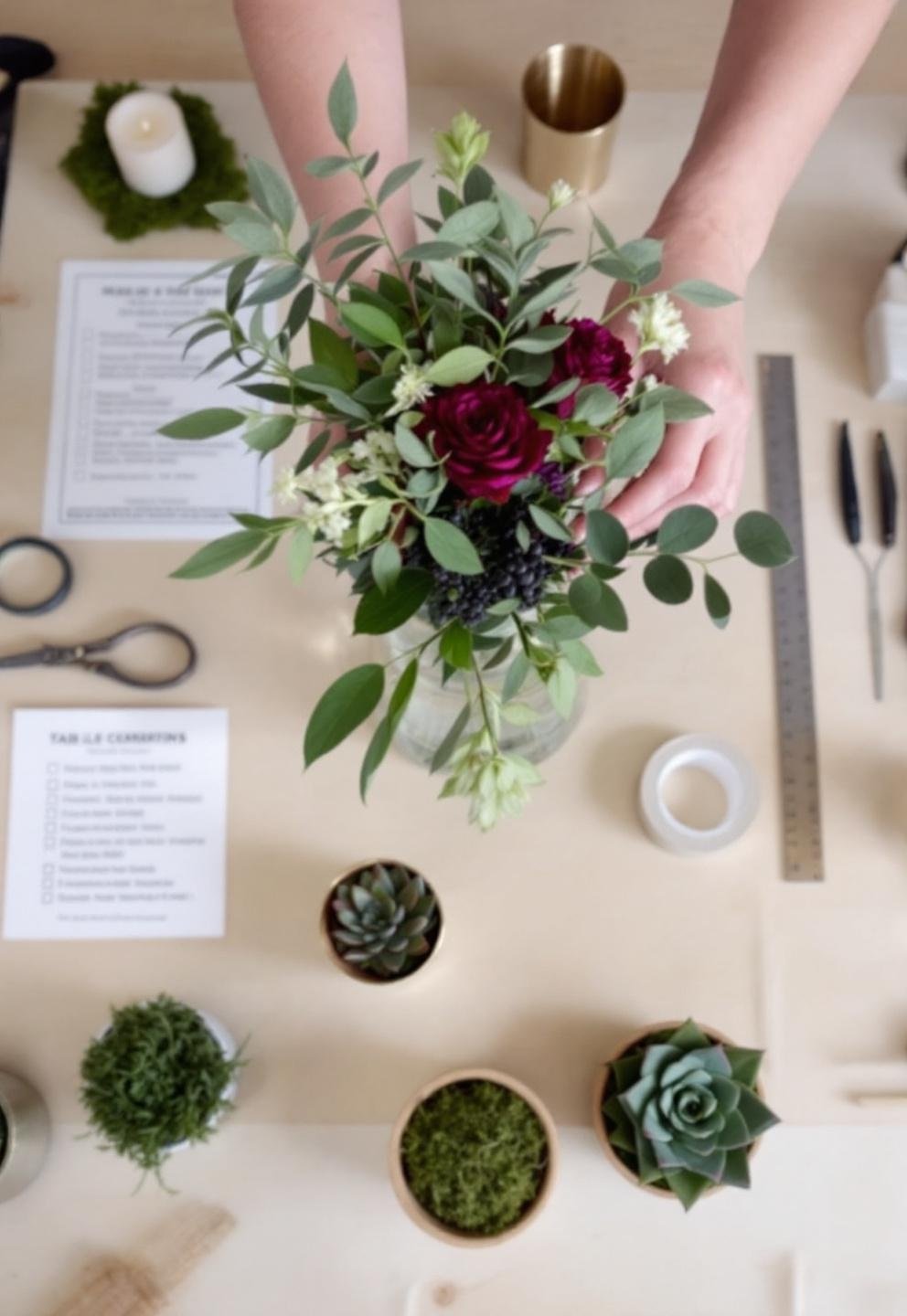
If you’re new to DIY, use the table centerpiece sustainability guide as a template starter, or see our party decoration ideas for further inspiration on bringing ideas to life with what you have at home.
Finally, snap overhead and side photos on your phone to assess the setup. This gives a true sightline check and helps you replicate the design for multiple tables. For more centerpiece templates by event type, don’t miss our section below.
Cost, Mistakes & Real-World Pitfalls
Cost Comparison: DIY vs Store-Bought Centerpieces
| Option | Typical Per-Table Material Cost | Time to Build | Quality/Reuse |
|---|---|---|---|
| DIY – Low Budget (Upcycled Bottles, Simple Flowers, Paper Elements) | $5–15 | 10–20 min | High with reuse |
| DIY – Mid-Range (Fruit Bowl, Moss & Lanterns, Mini-Terrariums) | $15–40 | 30–60 min | High if reusable, some one-time items |
| DIY – Showstopper (Premium Florals, Installations) | $50–150 | 1–2+ hrs | Lower unless you re-use hardware |
| Retail (Ready-Made Faux/Floral/Decor) | $40–200 | 0–5 min | Very high with strong reuse value |
| Florist/Rental (Pro Install, Weddings) | $75–600+ | 0 min (labor included) | One-time unless negotiated reuse |
Common Mistakes & How to Avoid Them
- Ignoring the 12-inch Rule: Anything taller will block sightlines and make conversation awkward. Seat yourself to test.
- Mismatched Centerpiece Shape: Round arrangements look lost on long tables, and vice versa. Elongate for rectangular, cluster for round tables.
- Overcrowding the Table: Leave enough space for plates, glasses, and shared dishes.
- Unstable or Unsafe: Top-heavy vases and non-flameless candles lead to spills and even fire concerns. Always use weighted containers and test stability with a gentle shake.
- Underestimating Setup Time: Detailed DIYs take longer than expected. Practice ahead with a stopwatch for large-scale setups.
- Poor Material Choices: Wilting flowers, messy moss, or produce past its prime can make even the most stylish arrangement flop if longevity isn’t planned.
- Ignoring Color Harmony: Stick to monochrome or simple ombre palettes for instantly elevated style.
Get more tips on matching centerpiece with your serpentine or winding tables, or reference these zero waste centerpiece ideas for maximum impact with minimum environmental guilt.
Special Note on Sustainability
- Imported flowers have a dramatically higher carbon footprint than local or potted options. Reuse glass, metal, or ceramic containers to cut waste every event (Balsam Hill Centerpiece Guide).
- If using battery candles, opt for rechargeable systems where possible to avoid e-waste.
- Edible centerpieces—fruit, bread, or charcuterie boards—should be set out with safety and food hygiene in mind (see full guide here), with another inspiration here
Conclusion: Make Your Centerpieces Stand Out
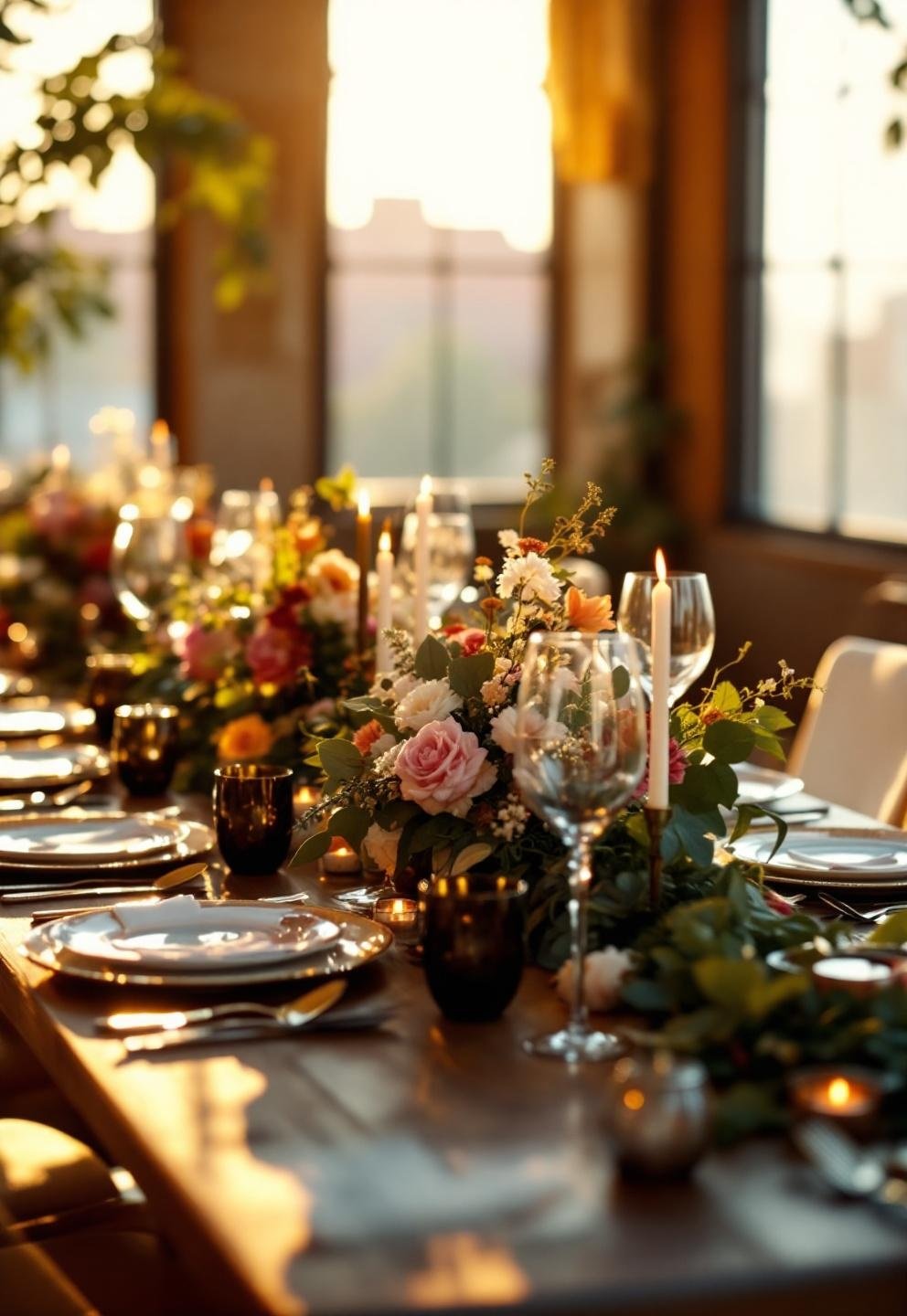
Great table centerpiece ideas balance visual drama with real-world practicality: reusable materials, quick assembly, low waste, and arrangements that let guests see and talk to each other. Trends for 2026 point to garden-inspired florals, mix-and-match candle vignettes, and creative touches from tech or interactive food. The most successful hosts pivot quickly—using templates and checklists, planning for logistics, and showing personality with sustainable details. Use these strategies and templates to simplify your choices. For more ideas, visit our sustainable centerpiece ideas page or check out party decoration ideas for even more inspiration.
Ready to create centerpiece looks that wow—and actually work? Start planning with these actionable steps today.
FAQ
How tall should my table centerpiece be?
Centerpieces for seated dining should stay under 12 inches to avoid blocking sightlines. Only buffet or console arrangements, or suspended installations, should exceed this height.
What are the safest candle options for centerpieces?
battery-operated flameless candles are safest and most reusable. If using real flame, ensure candles are far from florals and never left unattended.
Can I reuse my centerpieces for future events?
Yes—choose timeless, neutral hardware (glass vases, metal trays) and swap out seasonal or event-specific elements. Most potted plants and faux greens are good for many uses.
When should I hire a florist instead of DIY?
If you want complex, large-scale, or tall arrangements, or need setup handled, a florist or event designer can save you time and ensure professional results.
How do I estimate setup time for my centerpiece ideas?
Simple DIYs (fruit bowl, single vase) take 10–20 minutes per table. Detailed builds (terrariums, complex florals) take 30–90 minutes. Time yourself on a trial run before event day.