Sustainable Event Venue Hire: 6 Real Ways to Cut Waste
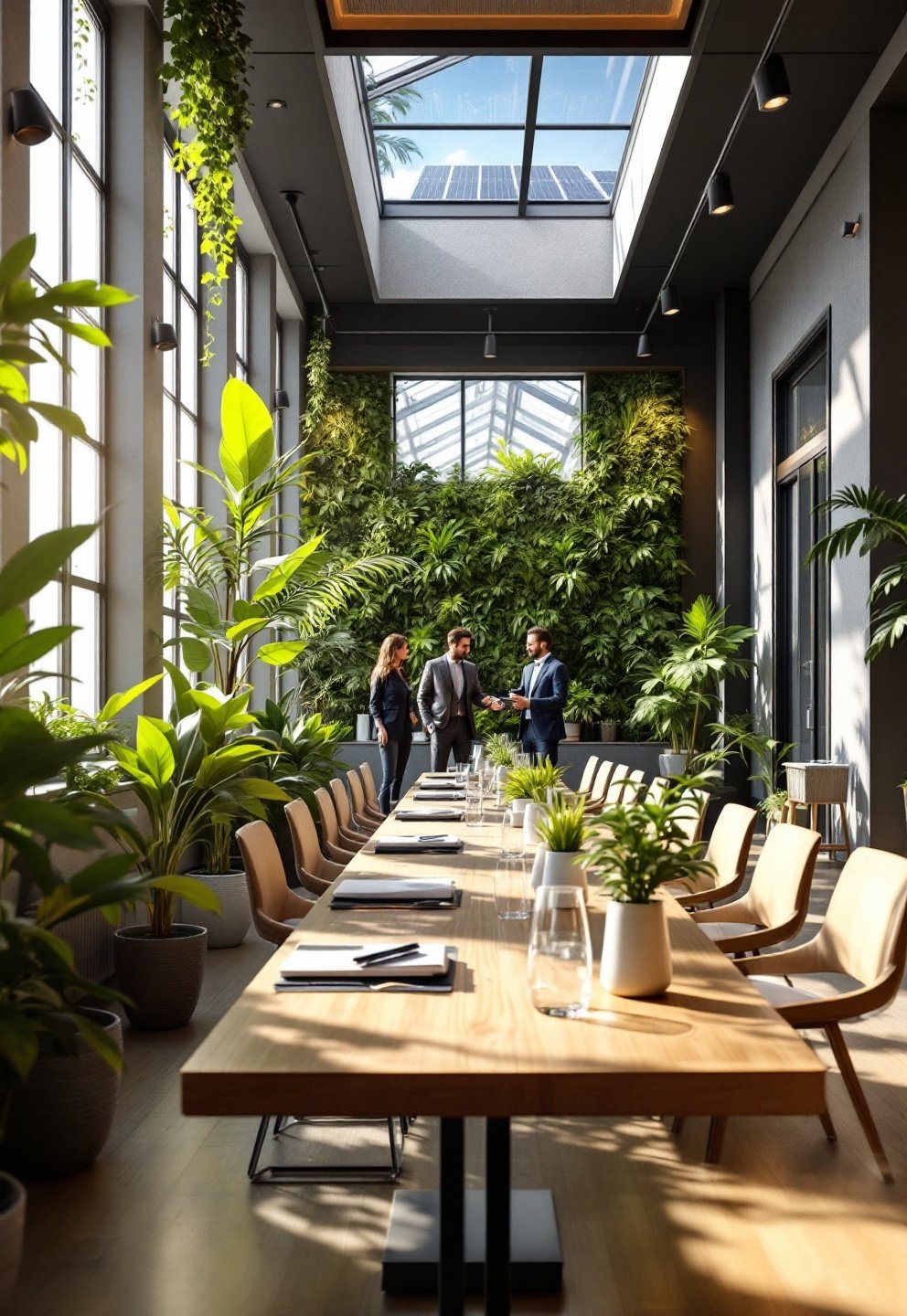
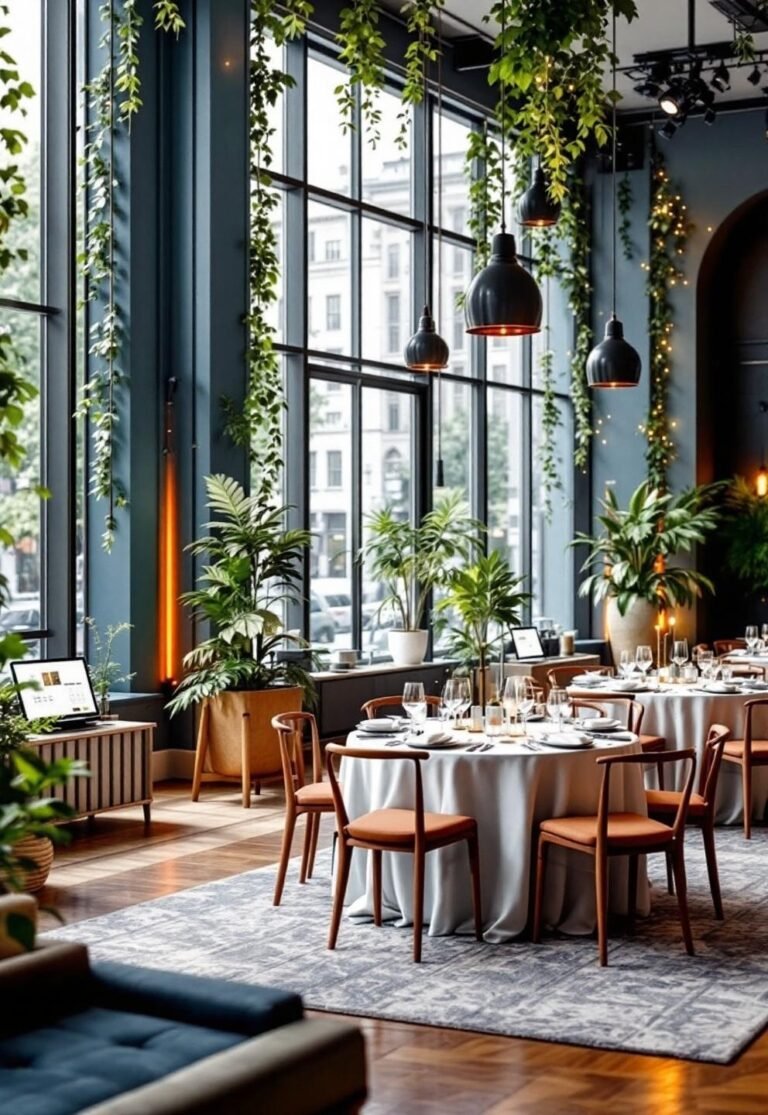
Sustainability at an event is mostly decided before anyone arrives, and the venue is the single biggest lever. A venue’s energy source, location, waste systems, and catering approach shape your event’s footprint more than any amount of recycled confetti on the day. If you want a genuinely greener event, the venue choice is where to focus, and it’s worth knowing how to tell real practice from marketing.
Sustainable Event Venue Hire: Location is the footprint nobody counts
For most events, guest travel is the largest single source of emissions, often larger than everything happening inside the venue combined. A venue that’s central and reachable by public transport quietly does more for your footprint than any on-site green feature. When you compare options, weigh how your guests will actually get there. A beautiful rural venue that requires everyone to drive an hour can undo a lot of good intentions.
How to read a venue’s energy and waste claims
“Eco-friendly” is unregulated, so ask for specifics. On energy: do they run on renewable electricity, and can they say so concretely? On waste: is there real recycling and food-waste separation, or just a single bin? On water and heating: are there visible efficiency measures? A venue genuinely committed to this will answer in detail and often hold a recognised certification; one that’s greenwashing will stay vague. The quality of the answer tells you most of what you need.
Catering is where most event waste happens
Food is the second big lever after travel. Ask whether the venue or its caterer sources seasonal and local ingredients, offers plant-forward menus (which carry a markedly lower footprint), and has a plan for surplus food, ideally donation rather than landfill. Accurate guest numbers matter enormously here: over-catering is one of the biggest sources of event waste, so size the order precisely with the event catering calculator rather than padding “just in case.”

Decor and materials: reusable beats disposable
The greenest decor is the kind that gets used again. Favour venues that allow real crockery and linens over single-use, that let you bring rented or reusable styling rather than mandating disposables, and that don’t generate mountains of packaging. Digital invitations and signage cut paper waste, and choosing a venue whose existing character needs little added decoration is both cheaper and lower-impact.
What to compare across venues
| Factor | Genuinely sustainable | Greenwashing sign |
|---|---|---|
| Energy | Specific renewable source named | Vague “eco” labelling |
| Waste | Recycling + food separation | Single mixed bin |
| Catering | Seasonal, local, surplus plan | No detail offered |
| Access | Public transport links | Car-only, remote |
| Materials | Reusables allowed/provided | Disposables mandated |
Recognised certifications and what they actually tell you
A certification is not proof of perfection, but it does mean an outside body has checked something. These are the ones you are most likely to see on venue websites:
- ISO 20121: an international standard for sustainable event management. It certifies the venue’s management system (how it sets targets, measures and improves), not a fixed level of performance. Ask to see the venue’s current targets and results.
- Green Key: an eco-label for hotels and venues covering energy, water, waste, cleaning products and staff training, with annual checks.
- Green Tourism (UK) and similar national schemes: graded awards based on a site assessment. Check the grade and the date of the last audit.
- B Corp: certifies the whole company’s social and environmental practices, not just the building.
If a venue has none of these, it can still be a good choice. Smaller venues often cannot justify the fees. In that case the questions below matter even more.
Twelve questions to ask on the site visit
Print these and take them with you, or send them by email before the visit so the venue manager can prepare. A venue that answers most of them clearly is serious about it.
- Is your electricity on a renewable tariff or generated on site? Can you name the supplier?
- How is the space heated and cooled, and can we adjust it for our event?
- How many waste streams do you separate (general, recycling, glass, food)?
- What happens to leftover food: donation, composting or landfill?
- Do you or your caterer use seasonal and local produce? Can we see a sample menu?
- Can you offer a mainly plant-based menu, and how is it priced compared with the standard one?
- Do you provide tap water in jugs or bottles instead of single-use plastic?
- Are real crockery, glassware and linen included?
- Do you allow outside decor suppliers who bring reusable or rented items?
- Which public transport stops are within walking distance, and is there secure cycle parking?
- Do you measure energy or waste per event, and can you share figures afterwards?
- Are there any rules that would stop us cutting waste (for example compulsory disposable packaging or individually wrapped items)?
Add these questions to your general venue checklist; our whole-venue hire checklist covers the practical side such as access times, capacity and house rules.
Worked example: a 120-person company day
A company is choosing between two venues for an all-day team event. Venue A is a converted country house 40 minutes’ drive from the office, with lovely grounds but no public transport. Venue B is a city-centre conference space five minutes’ walk from the main railway station.
- Travel: at Venue A almost every guest drives or takes a taxi. At Venue B most staff can arrive by train or bus, and the company can drop the coach it had budgeted for.
- Energy and waste: Venue A says it is “eco-conscious” but cannot name its electricity supplier. Venue B names its renewable tariff, separates four waste streams and donates surplus food through a local charity.
- Catering: both offer a plant-forward lunch. The planner orders for 112 confirmed attendees, not the 130 invited.
Venue B wins on footprint and also on cost, because the coach hire disappears. The country house might still be right for a smaller leadership retreat where travel is limited, but for a large group the central venue is the clear choice.
Simple ways to lower the footprint on the day
- Share a single digital agenda and map instead of printed packs.
- Put clearly labelled bins next to the bar and catering stations, not just behind the scenes.
- Choose rented or reusable decor; see our guide to eco-friendly event decor rental for options.
- Skip single-use giveaways. If you want guests to take something home, make it consumable or useful.
- Ask the venue for any energy or waste figures afterwards, so your next event can improve on this one.
Build the plan around real priorities
You won’t optimise everything, so focus where the impact is largest: accessible location, precise catering numbers, and reusable materials deliver far more than token gestures. Map your overall plan and spending with the plan your event hub so the sustainable choices fit your budget rather than fighting it.
FAQ
What makes a venue genuinely sustainable?
Concrete practices you can verify: renewable energy, real recycling and food-waste systems, good public-transport access, and reusable rather than disposable materials. Specifics matter more than the “eco” label.
What has the biggest impact on an event’s footprint?
Usually guest travel, followed by catering. A central, transit-accessible venue and precisely sized, plant-forward catering do more than most on-site features.
How do I avoid greenwashing?
Ask specific questions about energy source, waste separation, and catering sourcing. A genuinely sustainable venue answers in detail; a greenwashing one stays vague.
Does going sustainable cost more?
Not necessarily. Accurate catering numbers cut both waste and cost, reusables can be cheaper over time, and a characterful venue needs less added decor.