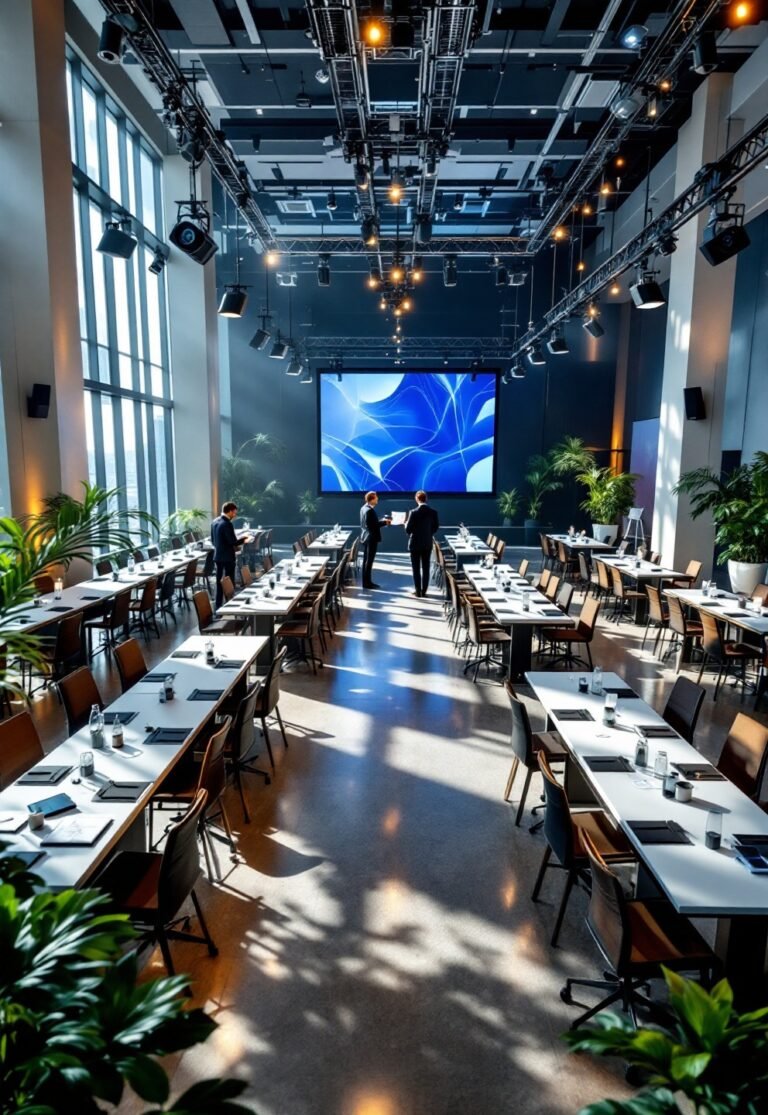
Event Load-In and Load-Out Plan: Supplier Access, Order and Timings
Load-in and load-out are the parts of an event guests never see and suppliers never forget. When they go well, the florist, caterer, AV team and furniture hire arrive in a sensible order, find somewhere to park, use the right entrance and finish on time. When they go badly, vans queue in the street, the caterer’s kitchen is blocked by staging, and the venue charges overtime at midnight because the last supplier could not get to the lift. This guide explains how to build a simple load-in and load-out plan that suppliers and the venue can both follow.
What load-in and load-out actually cover
Load-in is everything from the first supplier arriving to the moment the room is ready for guests: deliveries, unloading, building, styling, testing and clearing away packaging. Load-out is the reverse: dismantling, packing and removing everything after the event, until the venue is handed back. Both happen in a limited window that the venue controls, so the plan starts with the venue’s rules rather than with your suppliers’ preferences.
Step 1: get the venue’s access rules in writing
Before you give any supplier a time, ask the venue for:
- The earliest access time and the latest time the space must be clear.
- Which entrance suppliers must use, and whether it has a step-free route.
- Loading bay or kerbside space: how many vehicles at once, maximum vehicle size, and how long each can stay.
- Parking for supplier vehicles after unloading, and any charges.
- Lift dimensions and weight limit if the room is not on the ground floor.
- Whether other events share the building, corridors or lifts that day.
- Rules on noise, floor protection, fixings to walls and ceilings, and rubbish removal.
- Overtime charges if load-out runs late.
Many of these points should already be in your venue and supplier contracts. If not, our supplier contract checklist shows which clauses to add.
Step 2: list every supplier and what they bring
Make a table with one row per supplier. For each, note the vehicle size, how many people they bring, how long they need to unload and set up, whether they need power, and what must be in place before they start. This last column is the one that decides the order.
| Supplier | Vehicle | Set-up time | Needs before starting |
|---|---|---|---|
| Staging and AV | Large van or lorry | 3 to 5 hours | Empty room, power confirmed |
| Furniture hire | Large van | 1 to 3 hours | Floor plan marked, staging in place |
| Caterer | Van | 2 to 4 hours | Kitchen access, tables in place |
| Florist and stylist | Small van or car | 2 to 3 hours | Tables laid, linen on |
| Cake, photographer, band | Car | Under 1 hour | Room finished, power for band |
The times above are typical ranges only. Ask each supplier for their own figure and add a margin.
Step 3: put them in the right order
The general rule is big and dirty first, small and delicate last. Structures, staging, rigging and lighting go in first because they need ladders, space and noise. Furniture follows, then linen and tableware, then catering set-up, then flowers and styling, and finally the items that are easily damaged or need the room to be finished: the cake, signage, favours and the band’s instruments.
Avoid stacking arrival times. If two large vehicles arrive together and the loading bay only takes one, one of them waits, and the delay rolls through the rest of the day. Stagger arrivals by at least 30 to 60 minutes for large deliveries, and tell each supplier exactly which slot they have.
Step 4: write the load-in schedule
A load-in schedule is a short document, separate from the guest-facing timeline. For each supplier it should show:
- Arrival slot and the entrance to use.
- Where to unload and where to park afterwards.
- Their on-site contact and phone number.
- The time they must be finished.
- Any restrictions: lift size, floor protection, no fixings to walls.
Send it to every supplier at least a week before the event and again two days before, and attach the floor plan. The load-in schedule should sit at the front of your event run sheet, so the person managing the day has one document to work from.
Step 5: plan load-out before the event, not after
Load-out is where most overtime charges and damage happen, because everyone is tired and in a hurry. Plan it as carefully as load-in:
- Reverse the order. Delicate items and personal belongings leave first, then flowers and decor, then furniture, then staging and AV.
- Decide what goes home with whom. Gifts, cards, leftover drinks, flowers and the top layer of the cake need a named person and a vehicle.
- Agree what the venue clears. Rubbish, recycling and leftover food are a common source of extra charges.
- Allow for late finishes. If the event ends at midnight and the venue must be clear by 1 am, check that every supplier can actually dismantle in that time, or arrange next-morning collection if the venue allows it.
Step 6: have one person run the access point
On the day, one person should be responsible for the loading area: checking suppliers in, keeping vehicles moving, and answering “where does this go?” with the floor plan in hand. This is often the venue’s event manager or your own coordinator, but it should not be the host. For outdoor events, the same person should know the wet-weather plan, because rain changes where vehicles can drive and where equipment can be stored.
Accessibility and safety
Keep guest routes and supplier routes separate where possible, especially if guests arrive while suppliers are still working. Cables should be taped or covered, fire exits must stay clear, and step-free routes should not be blocked by stacked crates. If you have guests with mobility needs, check their route from the car park to their seat is clear at the time they arrive; our accessibility checklist covers this in more detail.
Common load-in mistakes
- Giving every supplier the same arrival time. “Any time after 8 am” means everyone arrives at 8 am.
- Forgetting the lift. A staging deck or round table that does not fit in the lift can stop a set-up for an hour.
- No floor plan on site. Without a printed plan, furniture is placed by guesswork and moved twice.
- Florists before linen. If flowers go on tables before cloths are laid, they come off again.
- Packaging left in the room. Agree where empty crates and boxes are stored so they do not end up behind the top table.
Load-in and load-out checklist
- Venue access times, entrance and loading rules confirmed in writing
- Every supplier listed with vehicle, crew, set-up time and dependencies
- Arrival slots staggered for large vehicles
- Load-in schedule and floor plan sent to all suppliers
- One named person running the loading area
- Load-out order and finish time agreed with every supplier
- Named people and vehicles for gifts, leftovers and personal items
- Rubbish removal and overtime charges understood
Frequently asked questions
How early should load-in start?
It depends on the size of the event. A small dinner may need two or three hours; a wedding or conference with staging and AV often needs most of the day, or access the evening before. Work backwards from guest arrival using each supplier’s set-up time.
Who pays if load-out runs late?
Usually the client, unless the contract says otherwise. That is why load-out times should be agreed with suppliers in advance and written into their contracts.
Do suppliers need to see the venue first?
For large or complex set-ups, a site visit for staging, AV and catering is worth arranging. For smaller suppliers, clear photos of the access route, lift and room usually do the job.