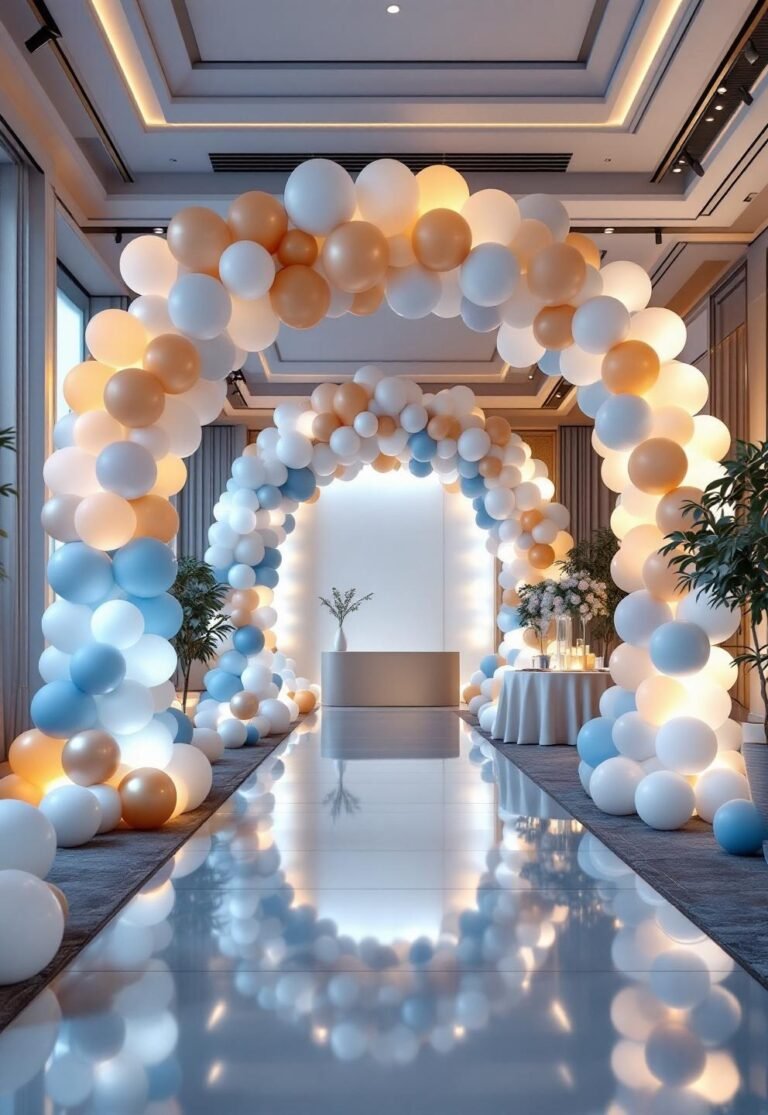
What Does an Event Decorator Actually Do?
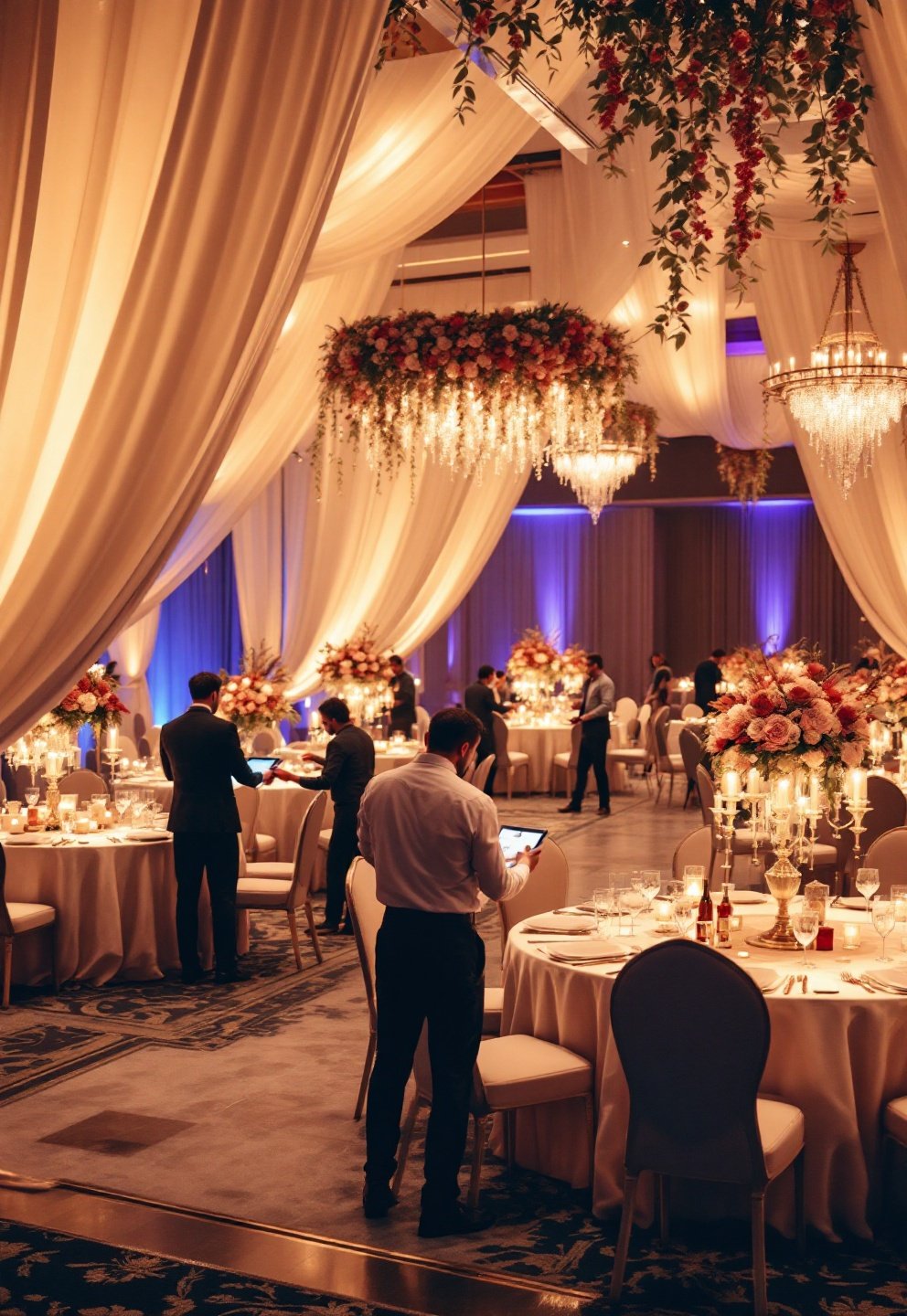
Event decorator selection is no longer just about style—today’s market is driven by data, transparency, and risk management. Whether planning a wedding, corporate event, or social gathering, making informed decisions on décor can mean the difference between seamless Instagrammable success and logistical nightmares. This practical guide is for anyone who needs reliable process, realistic pricing, and contract-level protection when hiring an event decorator.
Key Takeaways
- Get clear about budget, deliverables, and approval points before you sign anything—a good event decorator will welcome transparency, not avoid it.
- Insist on written timelines, itemized quotes, and photo sign-off to minimize risk and stress on event day.
- Technology like AR, 3D previews, and robust contracts help you compare decorators “apples-to-apples”—don’t hire without them.
- Market snapshot — why the event decorator niche matters
- What top clients really need — 7 buyer priorities
- Transparent pricing models explained
- Real cost examples by event type
- Most common client pain points and contract safeguards
- Skills, certifications, and training of top decorators
- Technology that lowers risk in hiring
- Operational realities — logistics, safety, sustainability
- How to evaluate a quote (6-point rubric)
- Red flags and questions to ask
- Sample timeline and deliverables schedule
- Quick decision checklist & negotiation tips
- Full-service decorator vs design-only vendor
- FAQ
Market snapshot — why the event decorator niche matters in 2026
The global events industry is a giant, with projections of USD 1,022.4 billion in 2024 and a leap to USD 3,274.6 billion by 2033 (source). Within that, the event decoration service market alone is growing fast: USD 89.4 billion in 2025, headed for USD 178.6 billion by 2034 at a healthy 8% CAGR (source). Driving this surge? Corporate experiential events, demand for “Instagrammable” setups, and more brand activations. This context matters: as demand and specialization climb, so do prices and the need for vendor professionalism.
What top clients really need — 7 buyer priorities that should shape any brief
From industry reports, client surveys, and firsthand reviews, the best event decorator relationships begin with a crystal-clear brief. Here are the priorities that make or break success:
- Design fidelity: Make sure finished décor matches mood boards and mockups. Ask for visual sign-off (digital or photo-based).
- Timeline certainty: Require a written schedule with buffer times for setup, tear-down, and last-minute emergencies.
- Cost transparency: Look for itemized quotes, firm rental/labor splits, and clear change-order protocols.
- Safety and compliance: Confirm rigging, fire safety, and insurance are handled. This isn’t optional for large or corporate events.
- Sustainability: Ask about rental reuse, floral donation, and single-use plastics. Corporate events increasingly demand green credentials.
- Single-point coordination: Whenever possible, combine décor, lighting, florals, rentals under one project manager to avoid blame gaps.
- Post-event handling: Insist on clear written teardown and damage policies—don’t assume anything will be left at your venue or handled by someone else.
Surprise add-on costs, missing items, and teardown confusion generate the most complaints (source). Make these priorities explicit in your RFP or contract—don’t leave them to chance.
Transparent pricing models explained (how decorators charge and what each model means for you)
Understanding how event decorators price is key to avoiding sticker shock. Here are the most common models you’ll see in proposals and what each means:
- Flat package: All-in bundles for basic-to-deluxe décor. Predictable, but sometimes inflexible. Good for small socials and tight budgets. Party decoration ideas on a budget.
- Itemized line-item: Each component is priced out—centerpieces, backdrops, lighting, labor. Best for transparency and scalable customization.
- Percentage-of-budget: Usually 10–20% of total event budget. Efficient for full-service packages, but you lose line-by-line visibility.
- Design fee + production: Upfront design charge (for mockups, drawings) plus actual costs for décor day-of. Standard for larger weddings, high-end corporates, and anything with custom pieces.
- Day/project rates: Lump sum for staffing, ideal for minimalist or last-minute setups where planning is light.
Proposals often mix labor, rentals, and design charges—don’t hesitate to ask for a breakdown. Example: weddings in the USD 2,000–5,000 range use itemized or flat; big activations (USD 10,000–100,000+) blend percentage and design+production fees (source).
Real cost examples — realistic budgets by event type
Want real benchmarks? Here’s what you should expect by event type:
- Small socials: USD 300–3,000 (balloon garland guide for specifics). Entry tier covers balloons and backdrops; above USD 1,000 opens up light florals and custom themes.
- Weddings: USD 2,000–5,000 for simple décor (basic florals and draping), USD 5,000–15,000+ for full venue transformation. Luxury pushes past USD 20,000–50,000.
- Corporate events: USD 3,000–10,000 covers stage/rentals; USD 10,000–100,000+ for creative builds, branding, special effects, or experiential spaces.
- Cultural/multi-day: Often starts around USD 5,000, scaling up with intensive staging and guest count.
Major cost drivers: guest count, venue scale, floral volume, and installation complexity. Hidden extras often lurk in teardown, load-in, or specialty rigging. Always request detailed, apples-to-apples quotes (learn more about hiring).
Most common client pain points (detailed) and the exact contract clauses/processes that prevent them
Most problems trace back to two culprits—ambiguous scope and loose contracts. Here are the real risks and what you need in writing:
- Communication/expectation gaps: Require visual sign-off on all mood boards, plus pre-event approval photos. State “final look must match approved visuals” in contract.
- Hidden fees: Demand a line-item quote. Add a clause: “No charges shall be billed without pre-approval and change-order signature.”
- Tardiness, logistics: Contract should specify load-in/start times, buffer periods, and a penalty or recourse if setup is incomplete by guest arrival.
- Quality mismatch: Reference portfolio-caliber work. Require same-grade materials for event unless otherwise stated.
- Post-event disputes: Document inventory at setup and teardown with time-stamped photos signed by both sides.
Want more? See a breakdown of flower wall rental issues and solutions.
Skills, certifications, and training that mark a top event decorator
There’s no universal license, but real pros share credentials you can check:
- Design: Background in set/interior/floral design or event production. Example: certified meeting/event planners typically have a bachelor’s.
- Certifications: CSEP (Certified Special Events Professional), CMP (Certified Meeting Professional), floral design diplomas.
- Safety: Rigging, OSHA, or equivalent safety training for major installs.
- Technical: Mastery of CAD or 3D event design platforms (see below for tech impact).
- Sustainability: Experience with rental reuse, eco-friendly materials, and waste reduction programs.
Look for portfolios covering complex setups, not only small parties. For high-stakes events, verified insurance and safety certification aren’t optional.
Technology that changes the hiring conversation — AR, 3D, AI and why they lower risk
Modern event decorators work smarter, saving you from surprises:
- 3D modeling: Preview layouts and traffic flow before setup. Great for large or unfamiliar venues.
- Augmented reality: Mobile AR overlays show how centerpieces, flower walls (see pricing examples) or balloon garlands will look in your actual space.
- AI quoting/design: Instantly estimate costs or themes based on your brief—less “wishful thinking,” more facts.
- Project management tools: Shared checklists, file storage, and approval flows minimize miscommunication and late changes.
Ask if tech-enabled previews or AR are included—or if you can add them for a fee. These tools can save hours (and nerve-wracking last-minute changes).
Operational realities — logistics, safety, and sustainability you must confirm in advance
Even the prettiest mood board will flop if logistics are missing. Here’s what to nail down early:
- Venue rules/rigging: Confirm what’s allowed ceiling-wise (union, fire safety, load limits). Ask for rigging certificates when dealing with overhead installs.
- Power/electric: Ensure enough outlets (don’t assume the decorator brings extension cords—a frequent oversight).
- Insurance & compliance: Require proof of insurance and safety practices for all crew, especially with complex props or flame elements.
- Staffing/logistics: Document who does load-in/load-out, timing, and responsibility for damages.
- Sustainability: Ask about rentals vs single-use, floral donation, and recycling—these are often an easy “yes” with the right vendor.
Want practical checklists for venue compliance? Review our local event décor guide.
How to evaluate a quote — a 6-point rubric (compare apples to apples)
Follow this rubric to catch omissions and “double billing” (common issues):
| Rubric Point | What to Look For |
|---|---|
| Scope completeness | Does the quote list everything—setup, teardown, rentals, labor, florals, delivery? |
| Line-item clarity | Are costs broken out (not just a lump sum)? |
| Labor/rental split | Is labor (setup days, teardown time) priced separately from physical rentals? |
| Insurance & safety | Is proof of insurance/certification included? |
| Timeline w/ buffers | Does the schedule account for on-site delays and last-minute changes? |
| Change-order policy | Is there a structure for documenting/approving any extras? |
See more on itemized quote evaluation in our centerpiece guide.
Red flags and questions to ask in your first conversation
Don’t ignore these signals:
- No robust portfolio (little experience with your scale/type of event)
- Vague about logistics or setup times
- Won’t provide references
- No written contract or unclear insurance
- No safety/rigging certifications for big installs
Key questions:
- Can you show a past timeline and final walkthrough photo documentation?
- What happens if a crew member is sick or late—do you have backup plans?
- How are extra requests handled? Can I see your change-order form?
- Who’s responsible for setups running late—what recourse is in the contract?
- Do you provide setup/teardown staff, or must I coordinate that separately?
Remember: professionalism is visible up front, not just in the photos.
Sample timeline and deliverable schedule (what you should get and when)
Demand clear milestones from day one. Typical schedule for a mid-size wedding or corporate event:
- 4–8 weeks out: Moodboard, 3D mockup, and itemized quote. First approval round.
- 2–4 weeks out: Final layout plan and décor visual sign-off.
- 7–10 days before: Pre-event walkthrough onsite or virtually (venue rep present).
- Event day(s): Decorator arrives with crew. Photo inventory at start. Buffer time for setup issues.
- Immediately post-event: Teardown, inventory check, and client walkthrough with photos to close account and handle damages, if any.
Make all of this a contractual deliverable. Rushed, undocumented setups lead to nearly all major disputes and late fees.

Quick decision checklist & negotiation tips (one-page takeaway)
- Line-itemize every cost, even for “flat” packages.
- Cap overtime/last-minute fees in writing.
- Negotiate contingency staff in event of illness or no-show.
- Require all visuals and scope changes be signed off digitally.
- Insist on explicit cancellation and deposit terms—no blurry handshakes.
Check negotiation scenarios for sample contract add-ons.
Closing section: when to hire a full-service decorator vs. a design-only vendor
Full-service decorator: Choose this for large weddings, corporate activations, or when you want single-point-of-contact and no vendor blame games. Best when time, safety, and logistics are high-pressure.
Design-only: Ideal when you have an internal team, trusted vendors, or a tight budget—get mockups and specs, then coordinate sourcing yourself. Works for simple socials or when a venue is familiar with your décor crew.
- Scenario: Your company wants a complex branded gala—go full-service.
- Scenario: You’re hosting a small birthday or engagement—design-only or flat-packages likely sufficient.
Market trends: experiential events and brand activations are driving more complex, tech-enabled installs—where full service wins (see report).

FAQ
What is an event decorator’s main responsibility?
An event decorator translates your vision and brief into physical décor—including design concept, sourcing, installation, and teardown—ensuring the final setup matches expectations, fits the venue, and complies with all safety and scheduling needs.
Are flat packages cheaper than custom décor?
Flat packages can be more affordable for small or standard events, but custom décor allows better control of quality and aesthetics. Itemized proposals reveal if a package is really a bargain or just smaller in scope.
How do I avoid hidden fees with an event decorator?
Always request a fully itemized proposal, and insist on a written change-order process. Clarify overtime, delivery, and teardown costs in advance. Clear contract language prevents most surprises.
What technology should I ask my decorator to use for previews?
Request 3D models, AR visualizations, or VR walkthroughs of your event layout. These tools reduce miscommunication, help you spot design or flow issues early, and are increasingly standard for top-tier decorators.
When should I hire a full-service decorator versus design-only?
Full-service is best for complex, high-stakes, or corporate events with many vendors and moving parts. Design-only suits smaller parties, events with in-house staff, or if you have preferred vendors and want to control costs.