$5K vs $50K Wedding: A Wedding Budget Breakdown of What Guests Actually Notice
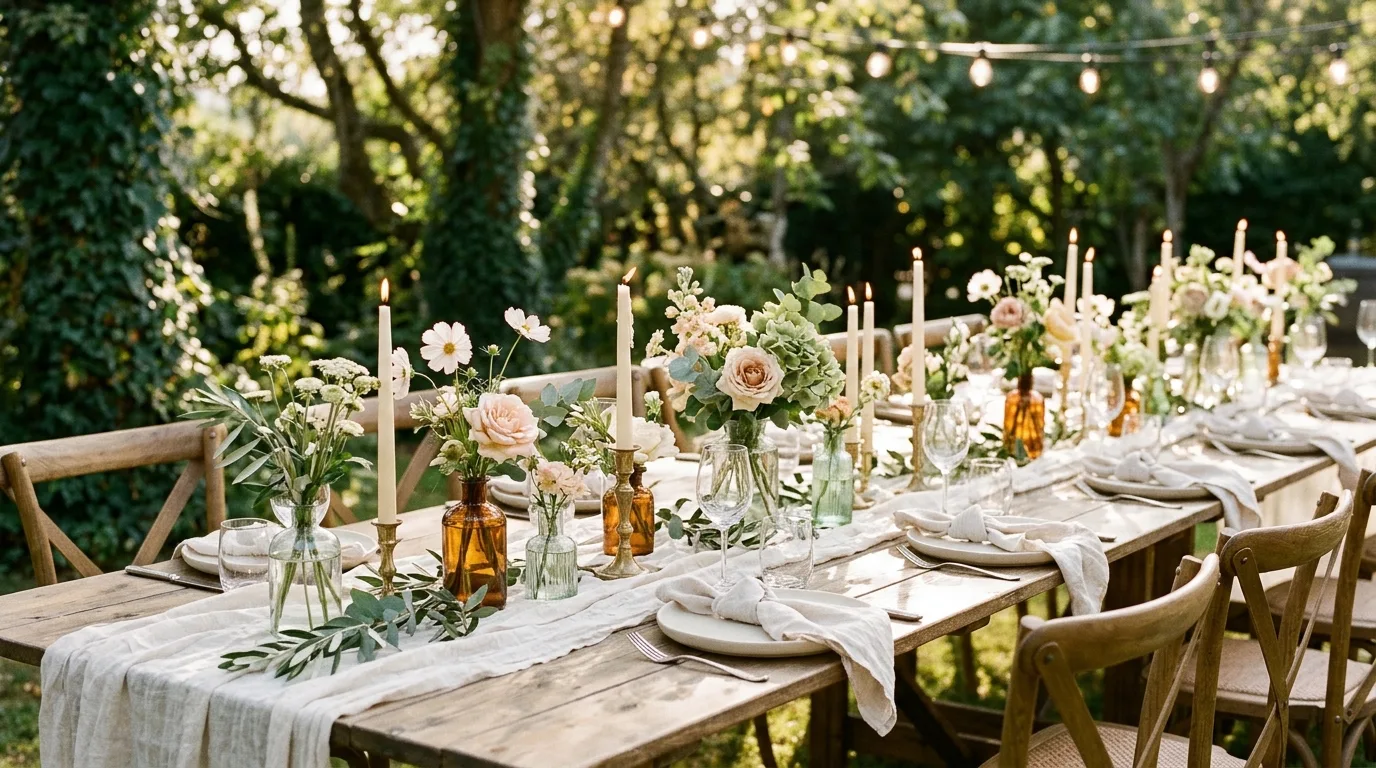
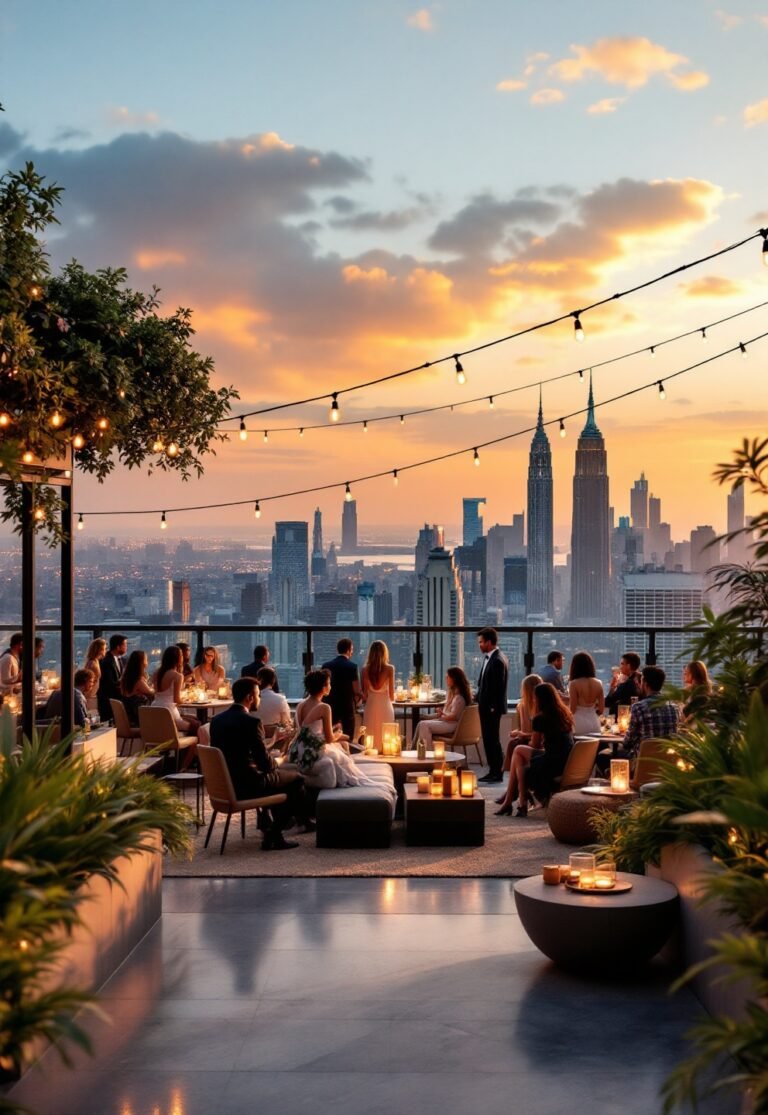
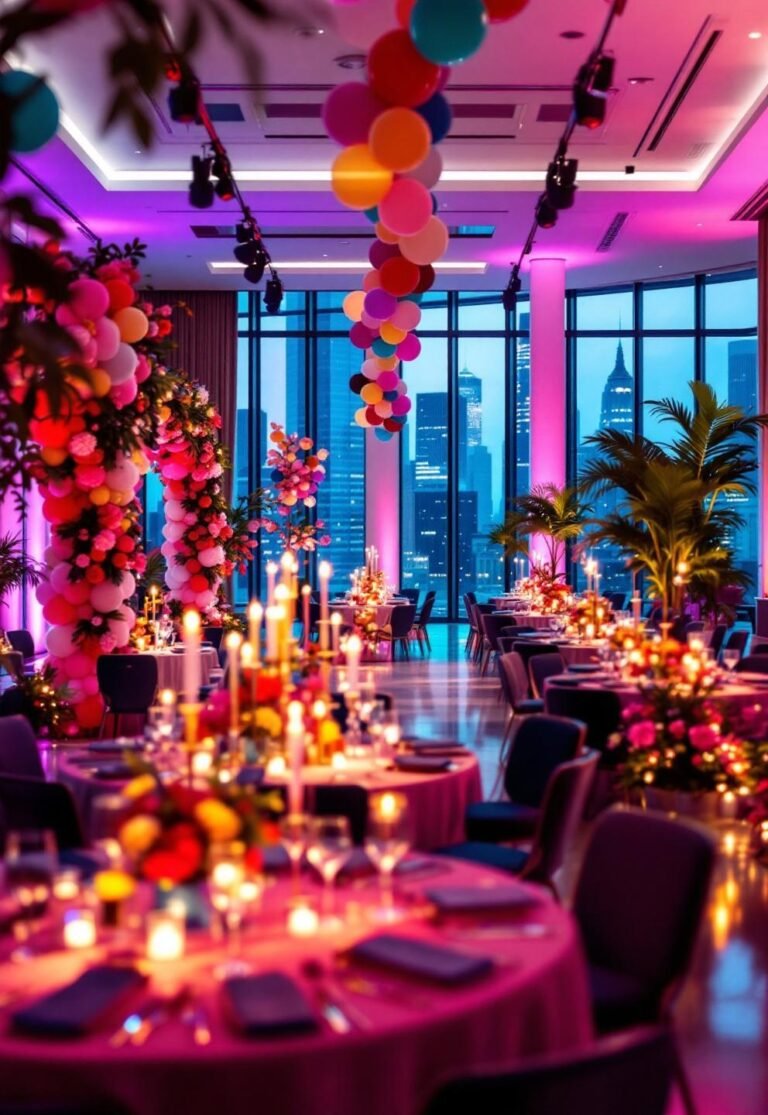
Put a $5,000 wedding and a $50,000 wedding side by side in a short video and most viewers struggle to say which is which. That is the point of our latest Short, and it raises a useful planning question: if guests cannot always see the difference, where does the extra money actually go? This wedding budget breakdown walks through the main cost lines at both levels, shows which details guests genuinely notice, and explains how to put a smaller budget where it counts.
Watch more on TikTok and Instagram @eventory.store.
Why a wedding budget breakdown matters more than the total
A total figure tells you very little on its own. Two couples with the same budget can end up with completely different days because one spent heavily on the venue and the other on food, music or photography. What changes the guest experience is the split, not the headline number.
The easiest way to see this is to list the same cost lines for both budgets. At $5,000 most lines are handled by the couple, family and friends, with one or two paid suppliers. At $50,000 nearly every line is a paid professional, and the extra money buys three things: time saved, risk reduced and a higher finish on details that photograph well.
The same cost lines at two budgets
The table below is a planning illustration, not a price list. Real figures vary widely by country, city, season and guest count, so treat the percentages as starting points and replace them with your own quotes.
| Cost line | Around $5K (roughly 40 guests) | Around $50K (roughly 120 guests) |
|---|---|---|
| Venue | Free or low-cost space: a garden, community hall or family home; about 10–15% | Dedicated wedding venue with exclusive use and staff; often 25–35% |
| Food and drink | Buffet, family-style or a food truck; the biggest single line, about 35–40% | Plated or served menu, bar package and service staff; about 30% |
| Photography | A few hours of coverage, or a talented friend; about 10–15% | Full-day photographer, often plus video; about 10–12% |
| Flowers and decor | Seasonal blooms, DIY centrepieces, candles; about 10% | Florist, installations, hired furniture and lighting; about 10–15% |
| Attire and beauty | Off-the-rack or pre-loved outfits; about 10% | Designer dress, tailoring, hair and make-up team; about 7–10% |
| Music and entertainment | A curated playlist and a hired speaker; under 5% | DJ or band, ceremony musicians; about 5–8% |
| Planning and coordination | The couple plus a reliable friend running the day | Planner or on-the-day coordinator; about 5–10% |
Notice that food and drink stays near the top in both columns. Guests are fed at every wedding, so catering scales almost directly with headcount. If you want to see how quickly that line moves, our guide to what catering really costs for 50 guests breaks the numbers down further.
What guests actually notice
Guests rarely remember the price of anything. They remember how the day felt. In practice that comes down to a short list of details:
- Comfort. Somewhere to sit, shade or warmth, toilets that work and no long gaps with nothing happening.
- Food and drink. Enough of it, served on time, with options for dietary needs.
- Light. Warm lighting in the evening changes a plain room more than almost any decor item.
- Music and flow. A clear running order, a good first dance moment and a full dance floor.
- The couple. A relaxed couple makes a relaxed room. Stress is far more visible than a cheaper tablecloth.
What guests usually do not notice: the brand of the chairs, whether the flowers were imported, the paper weight of the invitations, or whether the cake had four tiers or two plus a sheet cake in the kitchen.
Where the $50K wedding really spends its money
Look past the styling and most of the extra spend in a large budget goes into areas that are invisible on camera:
Headcount
The single biggest driver is the guest list. Going from 40 to 120 guests roughly triples catering, drinks, chairs, tables, linen, favours and stationery. Every extra table also adds a centrepiece. Before comparing your plans with a bigger wedding you saw online, compare the guest counts.
Exclusive use and staff
Dedicated venues charge for exclusive access, set-up time, security, cleaning and an events team. That buys peace of mind more than visible beauty.
Labour and time
Professional set-up and pack-down, a coordinator and a team of servers replace the hours friends and family would otherwise give. On a small budget, that work still happens; it is simply unpaid.
The wedding premium
Some suppliers price wedding work higher than other events because of the extra consultations, tighter timings and higher expectations. Our article on the wedding markup explains why the same flowers can cost more for a wedding and how to ask for fair quotes.
How to make $5K look like more
The Short shows that a modest budget can look polished. These are the choices that do most of the work:
- Cut the guest list first. Every name removed saves money across a dozen lines at once.
- Choose a venue that already looks good. A garden in bloom, a room with big windows or a space with character needs far less decor.
- Pick one or two hero details. A statement backdrop or a lit-up head table gives photos a focal point. Our floating candle centrepiece guide shows a low-cost option that reads as expensive.
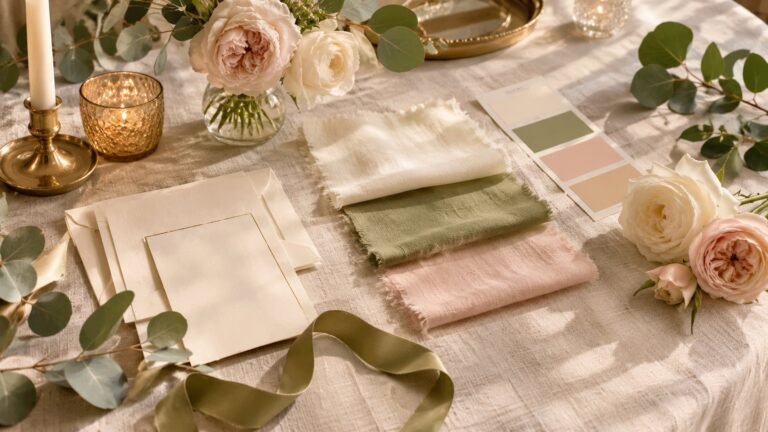
- Use a tight colour palette. Two or three colours repeated everywhere look intentional, even with mixed materials.
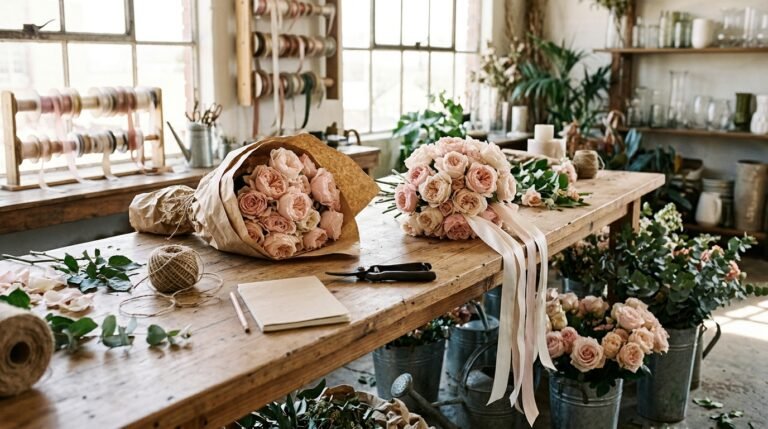
- Buy flowers in season. Ask what is at its best that month and let the florist choose; see our advice on planning event flowers.
- Invest in a few hours of good photography. Photos are the one thing you keep, and good light plus a good photographer flatters every budget.
- Plan the timeline carefully. A well-paced day with no dead time feels luxurious regardless of spend.
How to build your own split
Start by listing your priorities in order, then give the top two the biggest share and trim everything else to fit. A simple method:
- Fix the total you can spend without debt and set aside 5–10% as a contingency.
- Decide the guest count, because it drives catering, venue size and decor quantities.
- Rank the cost lines from most to least important to you both.
- Get at least two quotes for each of the top lines before you commit.
- Compare every quote against your plan and adjust the lower priorities first.
Our step-by-step guide to building an event budget that survives real quotes includes a template you can copy. If you want to check national averages for context, annual surveys such as The Knot’s wedding cost study publish typical spending by category, though local prices can differ a great deal.
Frequently asked questions
Can a $5K wedding look like a $50K wedding?
In photos, often yes, if the venue is attractive, the palette is tight and the light is good. In person, the main differences are guest numbers, staff and comfort details rather than styling.
What is the biggest cost in most weddings?
Food and drink, followed closely by the venue. Both scale with the number of guests, which is why the guest list is the most powerful budget lever you have.
Where should I never cut corners?
Food safety, enough seating, weather backup for outdoor events and someone responsible for running the day. Guests forgive simple decor; they do not forgive being hungry, cold or confused.
Is a wedding budget breakdown different for a small wedding?
The categories stay the same, but the percentages shift. Small weddings usually spend a larger share on food and photography and less on venue, staff and decor.