Planning Event Flowers: How Much You Need, What Drives the Cost and How to Brief a Florist
Flowers are often one of the largest single lines in an event decor budget, and one of the hardest to estimate. A florist’s quote depends on how many arrangements you need, how big they are, which flowers are in season, and how much labour goes into setting up and clearing away. This guide explains how to decide where flowers will actually make a difference, how to estimate quantities, what drives the cost, which flowers are in season when, and how to brief a florist so that the quote you get back matches what you had in mind.
Watch more on TikTok and Instagram.
The short answer
- Spend on the places guests look longest: the entrance, the ceremony or stage focal point, the top table and the photo spot.
- List every arrangement you need, with a size, before asking for quotes.
- Labour, structures and late-night clearing can cost as much as the flowers themselves.
- Seasonal, locally grown flowers and plenty of foliage give the most impact for the money.
- Reuse ceremony arrangements at the reception and hire vases rather than buying them.
- Book the florist early, and confirm final numbers two to three weeks before the event.
Start with where flowers will be seen
Before thinking about colours or varieties, walk through the event as a guest would and note where people stop, sit and take photographs. Those are the places where flowers earn their cost. A typical priority order looks like this:
- The focal point: the ceremony backdrop, stage or speeches area. Every guest faces it, and it appears in most photographs.
- The entrance: the first impression, and often the backdrop for arrival photographs.
- The top table or head table: seen throughout the meal and in speeches photographs.
- Guest tables: seen up close for several hours, so quality matters more than size.
- Secondary areas: the bar, cake table, welcome sign, toilets and lounge areas. Small touches are enough here.
If the budget is tight, it is usually better to do the first three properly and keep the guest tables simple than to spread the money thinly everywhere.
Estimating quantities: a worked example
Here is a flower list for an 80-guest wedding with a ceremony and reception in the same venue, on eight round tables of ten:
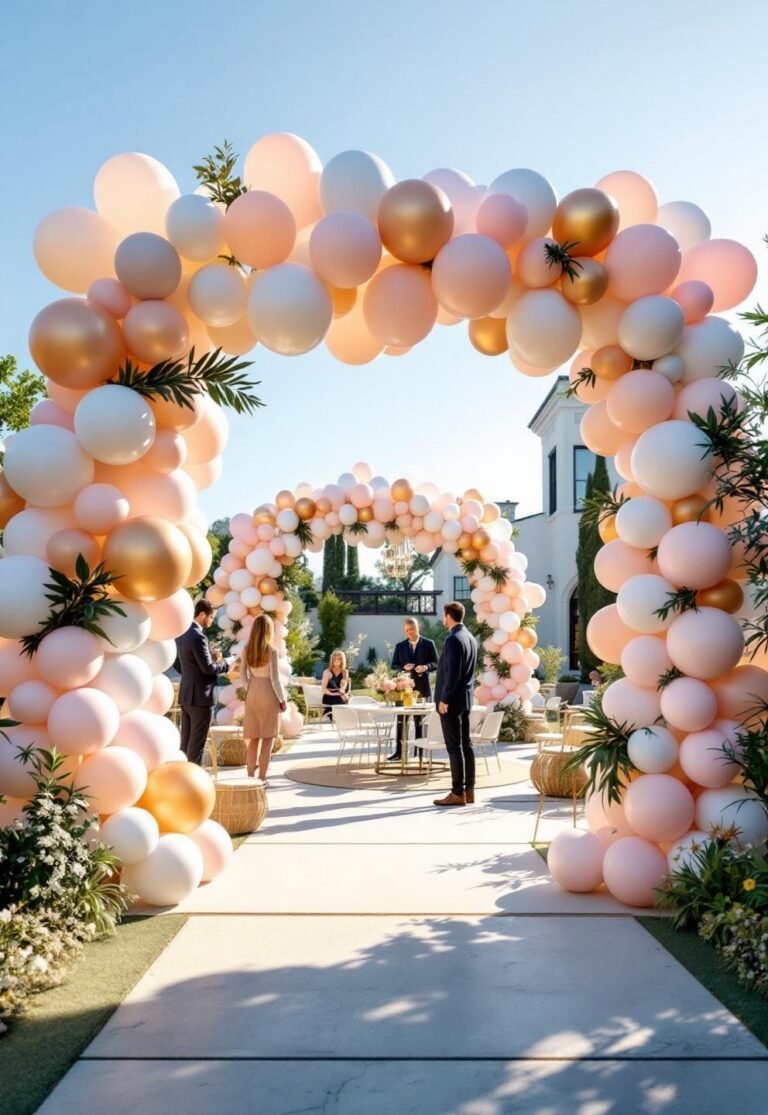
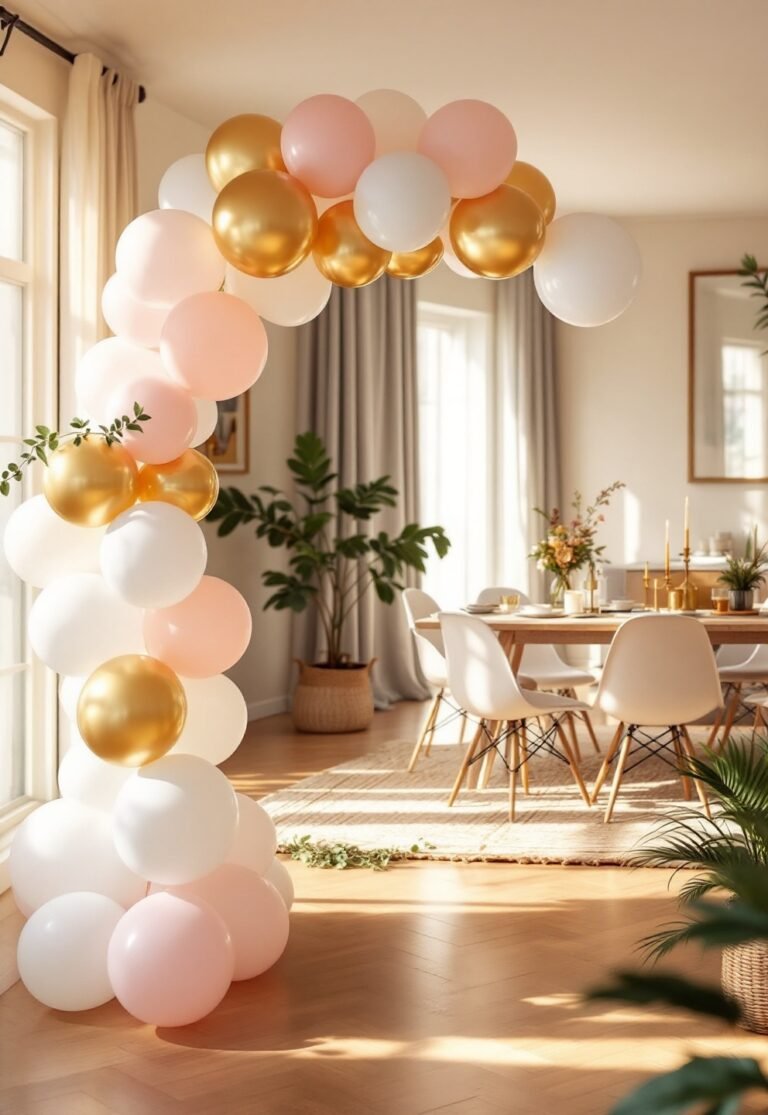
- Ceremony: two large urn or pedestal arrangements either side of the aisle end, or one arch installation.
- Aisle: six small arrangements or lanterns with greenery on alternate rows.
- Personal flowers: one bridal bouquet, three bridesmaid bouquets, six buttonholes, two corsages.
- Top table: one long low arrangement along the front.
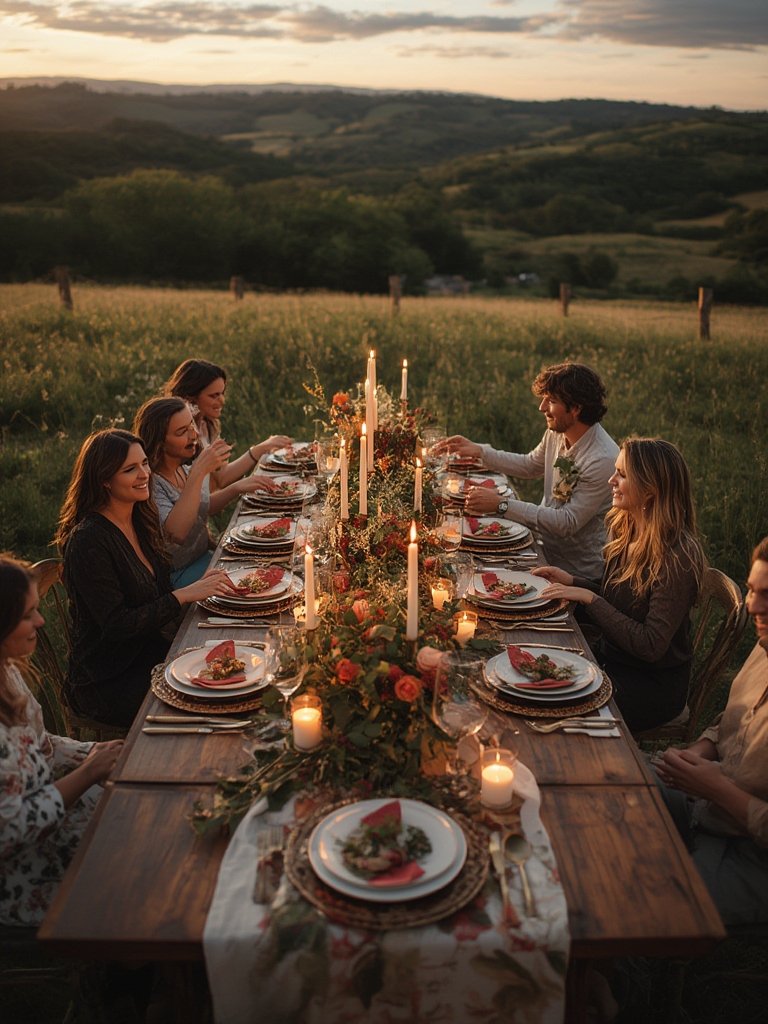
- Guest tables: eight centrepieces.
- Cake: a small cluster of matching flowers.
- Entrance: one welcome arrangement beside the sign.
As a very rough guide to scale, a modest low centrepiece might use 15 to 25 stems including foliage, a tall centrepiece 30 to 50, and an arch installation several hundred. Your florist will confirm the real numbers, but listing every piece with an approximate size prevents the most common surprise: a quote that covers the bouquets and centrepieces but not the ceremony, or the other way round.
Low centrepieces should be kept below eye level when seated (roughly 30 to 35 cm), or raised well above it on a tall stand, so guests can talk across the table.
What drives the cost
- Flower variety and season: peonies in winter or imported out-of-season blooms cost far more than seasonal ones.
- Size and density: a lush, full arrangement can use twice the stems of a looser, more natural one.
- Labour: design, conditioning and arranging take time, especially for installations.
- Structures and vessels: arches, hanging frames, plinths and vases are usually hired, sometimes with a deposit.
- Delivery, set-up and clearing: early access, late-night clearing and venues with difficult access all add cost.
- Tax: check whether quotes include VAT.
Our event budget planning guide explains how to fit flowers alongside the other decor lines.
Ways to get more for the same budget
- Move ceremony arrangements to the reception. Aisle pieces can become table or bar flowers, and urns can flank the top table. Agree who moves them and when.
- Use more foliage. Eucalyptus, olive, ruscus and ferns fill space for less money and suit many styles.
- Choose fewer, larger statements rather than many small arrangements.
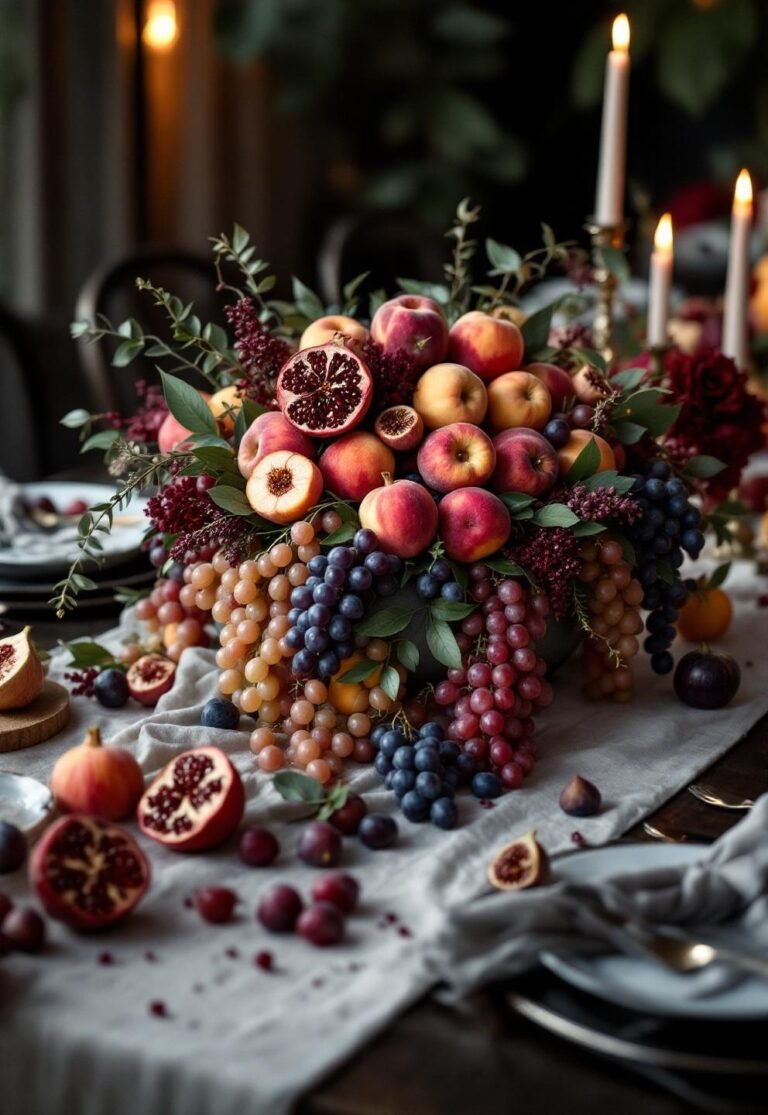
- Mix flowers with candles, bud vases and fruit on guest tables.
- Let the florist substitute a similar flower on the day if your first choice is poor quality or expensive that week.
What is in season (UK and northern Europe)
- Spring: tulips, ranunculus, anemones, narcissi, hyacinths, blossom branches.
- Early summer: peonies (a short season, roughly May to June), sweet peas, garden roses, delphiniums.
- Late summer: dahlias, cosmos, sunflowers, hydrangeas, lisianthus.
- Autumn: dahlias, chrysanthemums, hydrangeas in darker tones, rose hips and berries.
- Winter: amaryllis, hellebores, anemones, evergreens, eucalyptus and dried elements.
How to brief a florist
A good brief gets you accurate quotes and lets you compare florists fairly. Include:
- The date, venue, access times and when everything must be cleared.
- Guest numbers, table shapes and sizes, and the floor plan if you have one.
- Your full list of arrangements with approximate sizes, as in the example above.
- Your colour palette, with photographs or a linen swatch, and any flowers you love or dislike.
- A realistic budget range. Florists can design to a budget, but only if they know it.
- Venue rules: open flames, fixings to walls or ceilings, dried flowers, glitter and confetti.
- Who will move ceremony flowers to the reception, and who returns hired vessels.
Our guide to writing an event supplier brief has a template you can adapt for any supplier, including florists.
Timeline
- 9 to 12 months before: shortlist florists for weddings and large events in peak season.
- 6 to 9 months: book, pay the deposit and agree the overall design.
- 1 to 2 months: finalise the arrangement list and check the palette against linens and stationery.
- 2 to 3 weeks: confirm final numbers, delivery times and the on-site contact.
- On the day: keep flowers out of direct sun and away from heaters, and make sure there is water for top-ups.
Practical points people forget
- Strongly scented flowers, such as lilies, can compete with food on dining tables, and lily pollen stains clothes and linen.
- Hot marquees and summer afternoons wilt delicate flowers quickly. Ask the florist which varieties cope with heat.
- Tall arrangements need weighted bases outdoors.
- Check whether guests may take centrepieces home, and tell them at the end of the night.
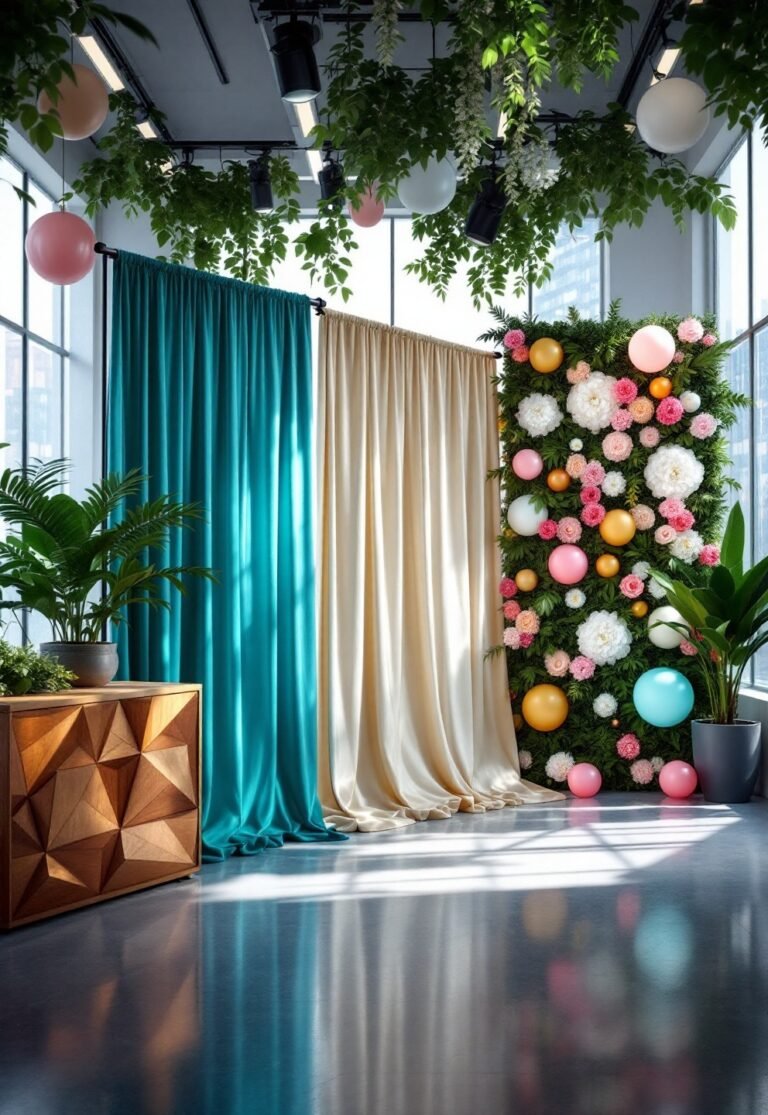
For bigger statements, see our guides to sculptural floral installations and flower wall rental.
FAQs
How far ahead should I book a florist?
For peak-season weddings, six to twelve months. Smaller events and off-peak dates often need two to three months.
Are artificial flowers cheaper?
Good-quality artificial flowers are not always cheaper to buy, but they can be hired or reused, and they suit hot venues and pieces that must be set up a day early.
Can I do the guest table flowers myself?
Yes, if you have time the day before, a cool space to store them and someone to set them out. Simple bud vases are the easiest option to do yourself.
Should flowers match the linens exactly?
No. Flowers look more natural when they sit within the palette rather than matching one exact shade. Give the florist a linen swatch and let them choose a few tones lighter and darker, with foliage to tie everything together.
Planning everything for the first time? From Zero To Fabulous is our step-by-step event planning guide.