Wedding Styles Explained: Seven Looks and How to Plan Each One
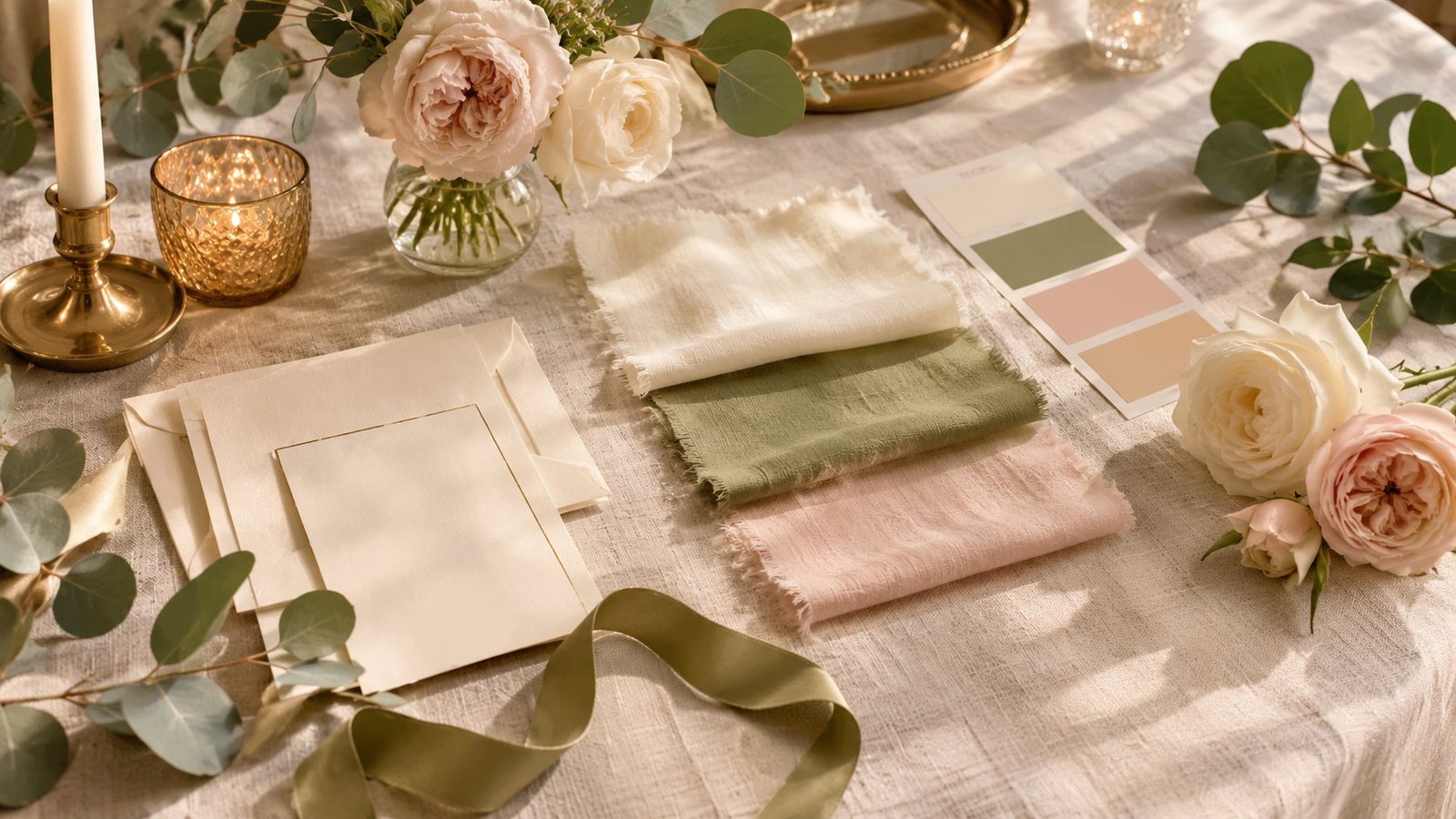
Most couples know what they like when they see it, but find it hard to turn a folder of saved pictures into a plan that suppliers can quote for. Naming a wedding style helps. It gives the venue, the florist, the caterer and the stylist a shared reference, and it makes hundreds of small decisions easier: which chairs, which linens, how much greenery, what kind of lighting. This guide describes seven common wedding styles, what defines each one, the venues and suppliers that suit it, where the budget usually goes, and how to combine two styles without the day looking confused.
Watch more on TikTok and Instagram.
The short answer
- Pick one main style and, at most, one supporting influence. More than that usually reads as clutter.
- Let the venue lead. A style that fights the building costs more to achieve and rarely looks right.
- Every style has two or three signature elements. Spend on those and keep everything else simple.
- Describe the style to suppliers in words and with five to ten reference images, not fifty.
1. Classic and timeless
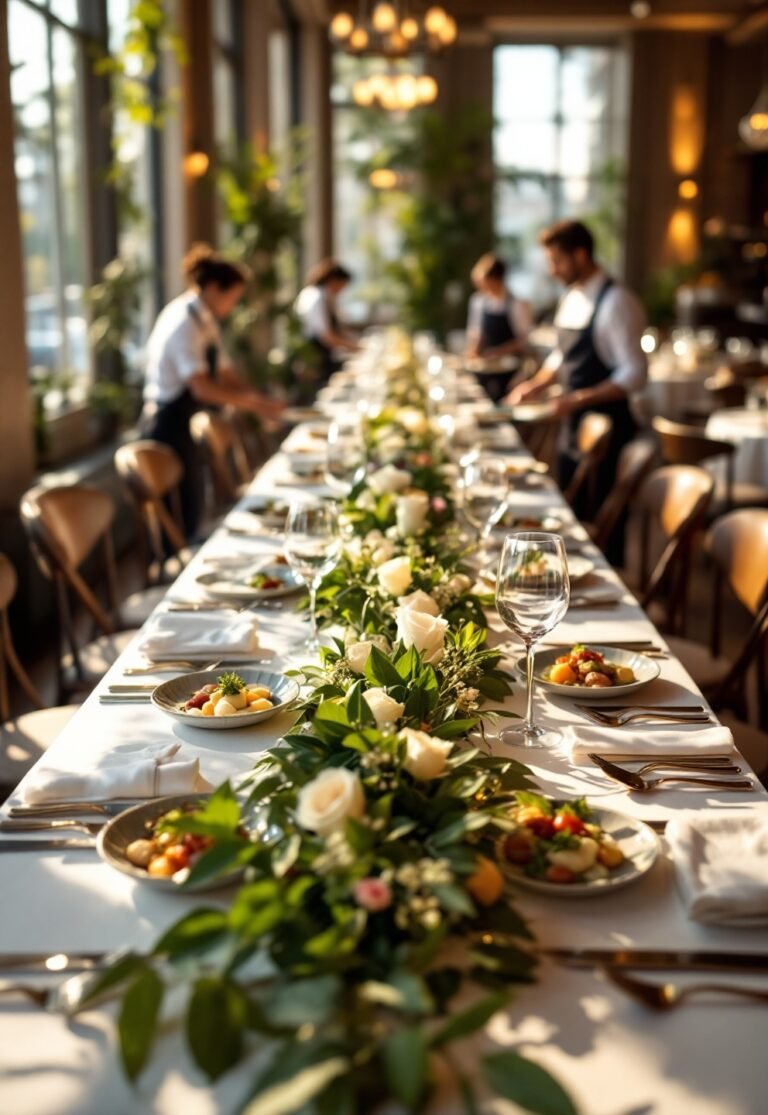
What defines it: white and ivory, symmetry, crystal or silver details, long tables or round tables with floor-length linen, and formal floral arrangements of roses, peonies or hydrangeas.
Suits: hotels, historic houses, ballrooms and churches. It is the easiest style to achieve in a venue with strong architecture.
Where the budget goes: good linen, matching chairs, candlelight and a structured centrepiece on every table. Classic weddings look expensive when details are consistent, so it is better to have fewer elements repeated perfectly than many different ones.
Watch out for: a classic look can feel cold in a large room. Warm lighting and plenty of candles fix this.
2. Rustic
What defines it: natural wood, trestle tables, mismatched glassware, wild flowers, jute or linen runners, festoon lighting and relaxed seating.
Suits: barns, farms, orchards and village halls. Our guide to barn wedding venues covers the questions to ask before booking one.
Where the budget goes: lighting, heating and toilets often matter more than decoration, because rustic venues are frequently less equipped. Allow for hire of everything from tables to cutlery.
Watch out for: rustic can slide into untidy. Keep a colour limit of two or three tones and use the same runner, napkin and candle on every table.
3. Boho
What defines it: pampas grass and dried flowers, rugs and floor cushions, macramé, rattan, earthy tones such as terracotta, sand and rust, and a loose, layered feel.
Suits: gardens, beaches, tented weddings and riads. It works well for smaller numbers where a lounge area can replace some formal seating.
Where the budget goes: lounge furniture, textiles and a statement backdrop for the ceremony. Dried flowers last, so they can be reused between ceremony and reception.
Watch out for: floor seating is not comfortable for older guests. Always provide proper chairs for anyone who needs them.
4. Modern minimal
What defines it: a restricted palette (often white, black and one accent), clean lines, sculptural single-variety flowers, acrylic or metal details and plenty of empty space.
Suits: galleries, lofts, contemporary hotels and rooftop venues.
Where the budget goes: fewer, larger statements: one dramatic floral installation, quality furniture hire and precise lighting. Minimal styling shows every flaw, so careful setup time is part of the cost.
Watch out for: minimal can feel empty when the room is large and the guest list small. Use lighting and a lower ceiling effect (drapes or hanging installations) to make the space feel intimate.
5. Garden and romantic
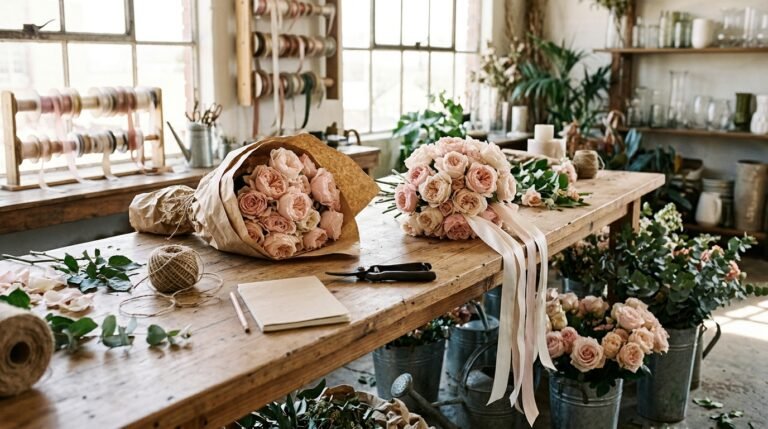
What defines it: soft pastels, abundant greenery, garden roses and seasonal flowers in low, loose arrangements, floral arches and outdoor ceremonies.
Suits: country houses, gardens, conservatories and courtyards.
Where the budget goes: flowers and greenery, plus a wet-weather plan. Our guide to planning event flowers explains how to estimate quantities and brief a florist.
Watch out for: outdoor weather. A marquee or an indoor fallback should be booked, not just considered.
6. Glamorous
What defines it: gold or champagne tones, mirrored or sequinned surfaces, tall centrepieces, velvet, dramatic lighting and often a dance floor as the focal point.
Suits: ballrooms, grand hotels and large evening receptions.
Where the budget goes: height and light. Tall arrangements, uplighting, a statement stage or backdrop and a well-produced entertainment schedule.
Watch out for: too many shiny surfaces compete in photos. Choose one metallic and keep linens matte.
7. Cultural and heritage
What defines it: design rooted in the couple’s own traditions, such as a Moroccan wedding with lanterns, brass trays, embroidered textiles and a separate henna night, or a fusion of two families’ customs.
Suits: any venue, but especially those that can host several ceremonies or changes of outfit.
Where the budget goes: specialist suppliers (for example a negafa, traditional musicians or a henna artist), multiple setups and longer venue hire. Our guide to planning a henna night shows how one of these events can be organised.
Watch out for: timing. Traditional sequences take longer than many venues expect, so share the running order early.
How to choose your style
- Start with the venue. Write down three words that describe it honestly: historic, bare, green, modern, cosy. The style that matches those words will be cheaper and look more natural.
- Look at your references together. Sort saved images into piles and see which style most of them belong to.
- Think about the guests. Floor cushions and long standing receptions suit some groups; older relatives and young children need comfort and structure.
- Check the season. Garden styles depend on flowers that may be out of season; rustic venues can be cold in winter.
- Test against the budget. List the two or three signature elements of the style and ask for quotes on those first.
Combining two styles
Many good weddings mix influences: rustic with garden, modern with glamorous, classic with a cultural ceremony. The trick is to let one style set the structure (tables, chairs, linens, lighting) and let the second appear only in accents (flowers, stationery, one lounge area). If you can describe your day in one sentence, such as “a classic hotel wedding with a Moroccan henna evening”, suppliers will understand it.
Briefing suppliers
- Name the style and give three adjectives, for example “garden, soft, relaxed”.
- Share five to ten reference images and say what you like in each one.
- Give the palette with two or three colours and one neutral.
- List the signature elements you want to prioritise and anything you do not want.
- Include guest numbers, timings and any venue rules on candles, fixings or noise.
FAQ
What is the cheapest wedding style?
The one that suits your venue. A minimal look in a beautiful building, or a rustic look in a barn, needs far less decoration than forcing a style onto a space.
Can I change style after booking suppliers?
Small shifts are usually fine, but changing furniture, linens or floral designs late can mean new quotes. Agree the style before paying deposits for decoration.
Do I need a stylist?
Not always. Classic and minimal looks are easy to brief directly; layered styles such as boho or cultural weddings benefit most from someone coordinating the details.
Planning everything for the first time? From Zero To Fabulous is our step-by-step event planning guide.