Hybrid Indoor-Outdoor Venue Hire for Events That Beat the Forecast
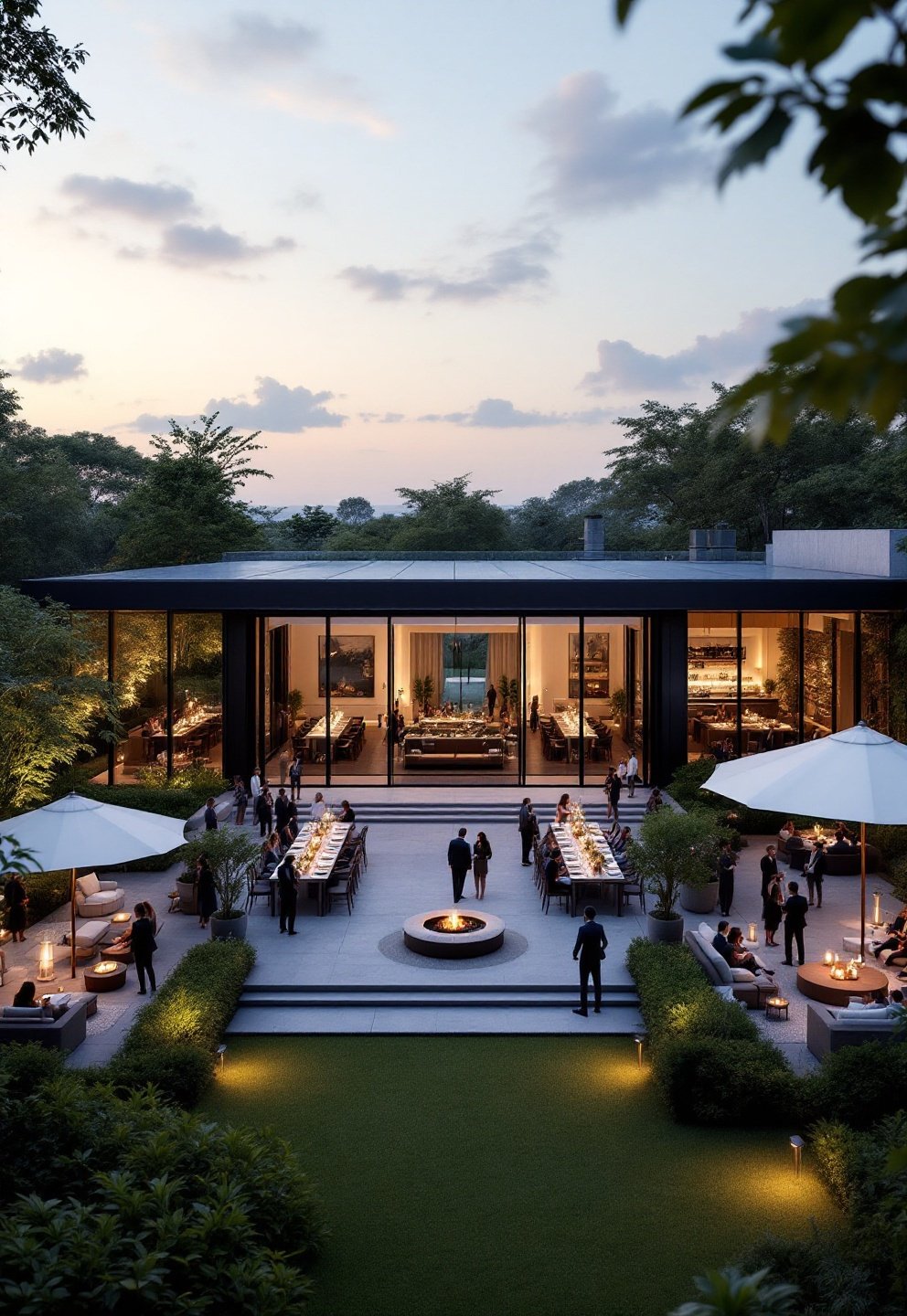
The classic capacity mirage: a venue lists “140 guests,” but that’s standing format only—if rain pushes everyone inside, the room seats just 90. Traps like this are why 65% of complaints about hybrid indoor outdoor venue hire trace back to hidden restrictions and surcharges that listings never spell out. This guide shows you exactly what to compare, what to ask, and which specs to demand before you sign.
Key Takeaways
- Always demand measurable specs for hybrid indoor outdoor venue hire: operable wall opening size, % covered seating, and weather contingency written into your contract.
- Clarify all access, exclusivity, and power/AV details before you commit—65% of complaints come from hidden restrictions or surcharges.
- Hybrid venues cost 10–30% more upfront, but they save on tent rentals and reduce last-minute weather stress—verify your total-value comparison.
- Why “hybrid indoor–outdoor” deserves its own buying checklist
- How to Secure a Weatherproof Hybrid Venue: Step by Step
- Reading the Fine Print: Pitfalls, Comparisons, and Omissions
- The Bottom Line on Hybrid Venue Hire
- FAQ
Why “hybrid indoor–outdoor” deserves its own buying checklist
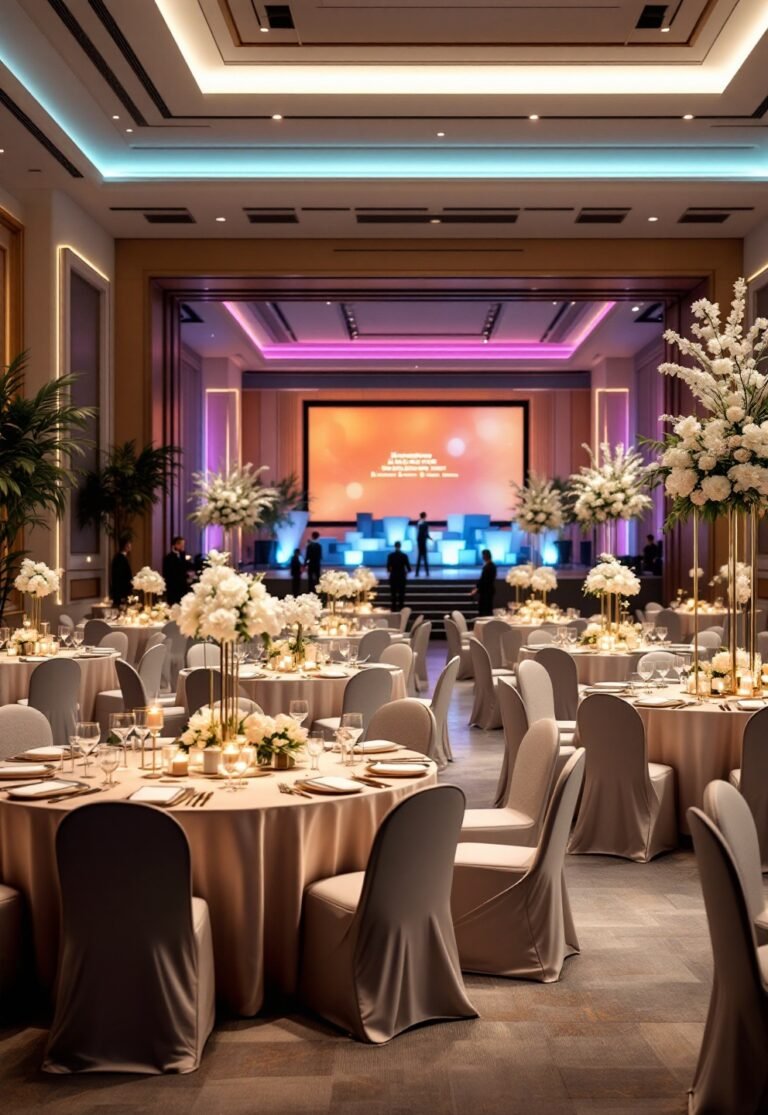
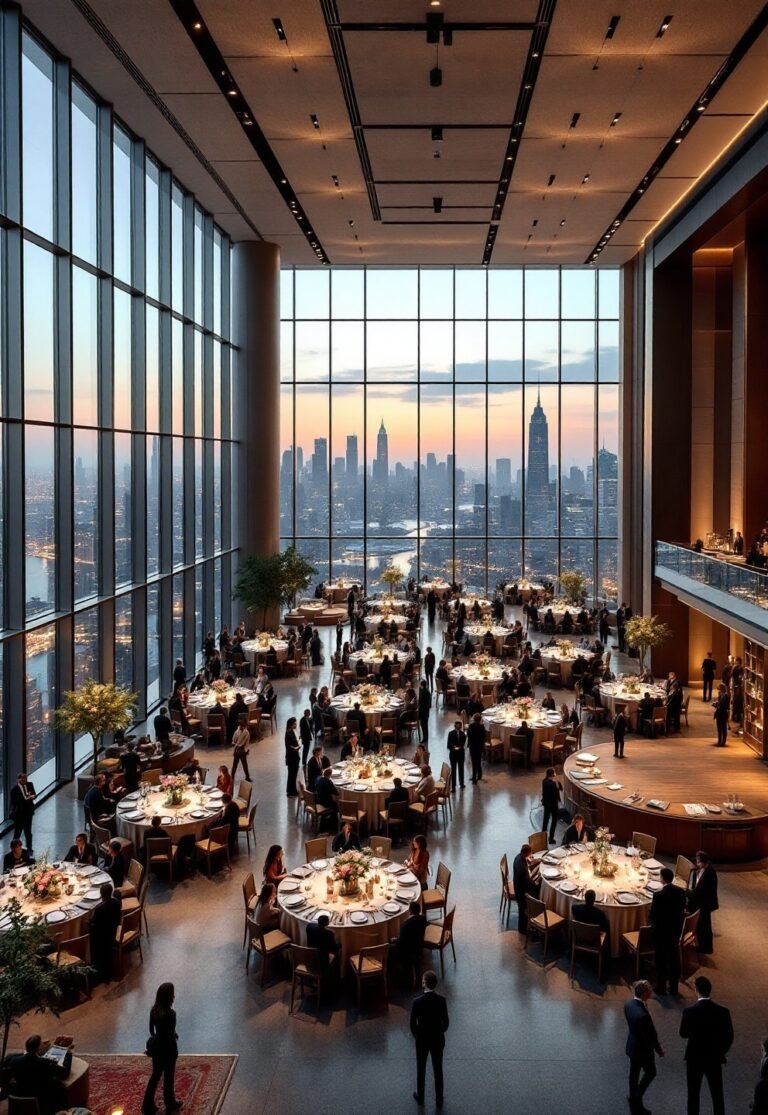
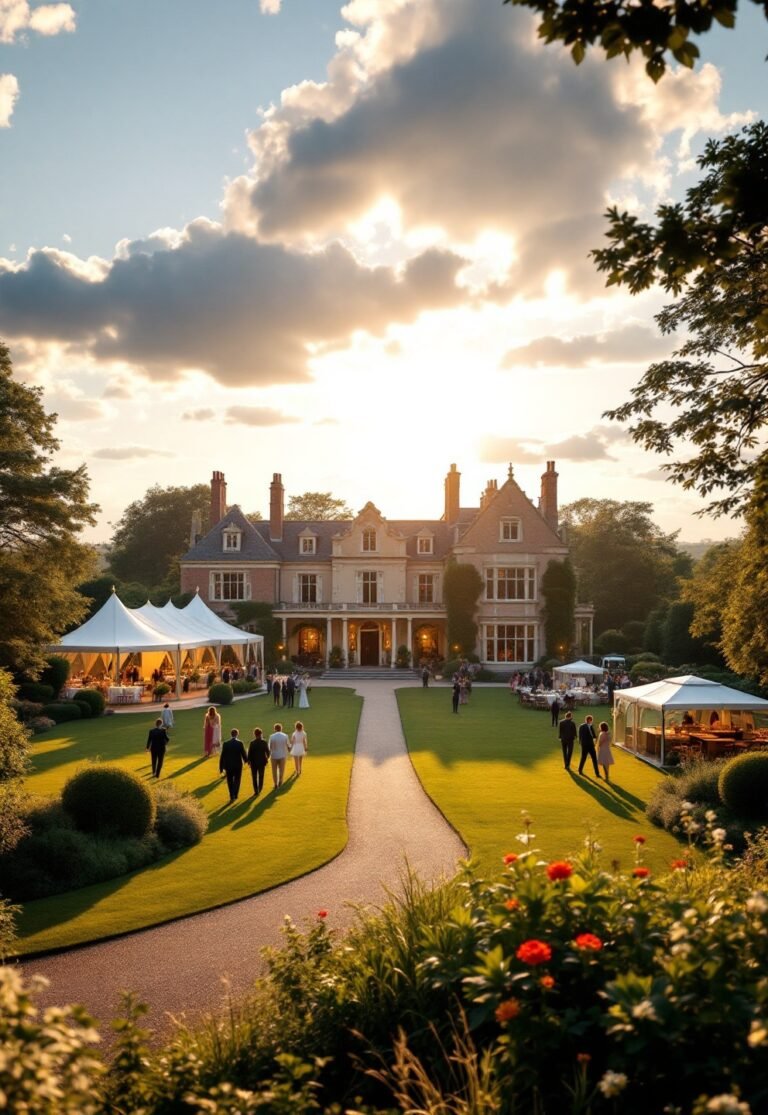
Hybrid venues are not just indoor halls with a door to a patio—nor are they basic outdoor sites with makeshift tenting. A real hybrid indoor outdoor venue hire delivers event-ready flexibility: you can combine weatherproof comfort with views, open-air moments, and seamless movement across zones. The difference? Details like retractable glass, 100% windproof coverage, or AV across all spaces—all items few standard listings will spell out.
The global event industry will reach USD 1.48 trillion by 2025, doubling again by 2033. Hybrid venues stand out because they pull demand—and spend—from both indoor rental shoppers and the booming outdoor event equipment market. That’s why planners pay a premium for weather resilience, and why “hybrid” listings are the first to fill in every metro area.
But here’s the snag: most “indoor–outdoor” spaces on booking sites blur crucial differences in access, capacity, and backup plans. You can’t rely on staged photos or vague “all weather” claims. Instead, treat this as high-stakes procurement—compare using a measurable RFP checklist. For theme inspiration, see our curated event inspiration ideas. If you want deep-dive comparisons, browse the Eventory blog. And if you want a failsafe planning playbook, download the Ultimate Event Planning Guide.
How to Secure a Weatherproof Hybrid Venue: Step by Step
-
Define your non-negotiables
Start with your plan your event workflow:- Min/max guest count (use the guest list calculator to avoid surprises)
- Key ceremony/reception timings
- Site accessibility needs (lifts, ramps, etc.)
-
Calculate your full cost of weather security
Use the event budget calculator and event catering calculator to compare:- Hybrid venue base rate plus F&B spends
- Indoor-only (with or without outdoor access)
- Outdoor-only plus all tent/equipment fees
Hybrid venue hire wedding tends to cost 10–30% more upfront, but “covered outdoor venue hire” minimizes surprise bad weather costs.
-
Shortlist only venues with true hybrid specs
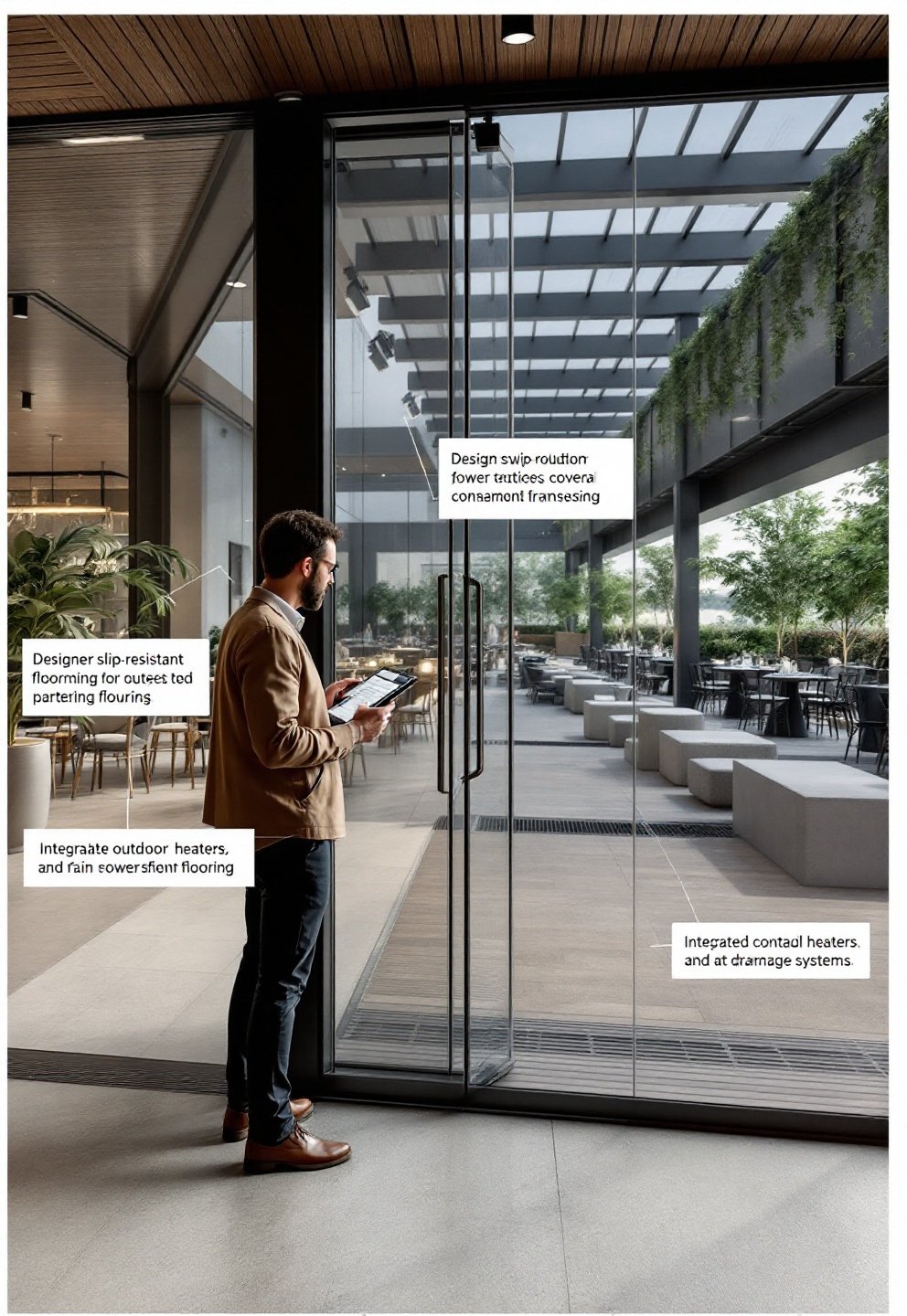
Demand:- Operable wall opening width: at least 5–15 meters with 2–3 meter panel heights (see industry benchmarks)
- Clear ratio of seating under permanent cover (at least 70%, ideally 100% can be sheltered in 10 minutes)
- Outdoor areas engineered to support full guest loads with slip-resistant surfaces
- Movable wall venue hire: check acoustic rating and configuration diagrams
Request these in writing, not just verbally.
-
Demand layout diagrams for all configurations
Require:- Indoors only
- Indoors + terrace, seated
- Cocktail/canapé flow across all zones
These help you estimate real usable capacity and flip times for both indoor outdoor party venue and indoor outdoor corporate event space.
-
Check weather resilience: fill a venue scorecard
Create a simple matrix:- Coverage (sq m, % seating)
- Wind/rain thresholds (what events trigger full enclosure?)
- Heating/cooling strategy (integrated, portable, permitted appliances)
- Sidewalls/screens for outdoor sections
- Time to convert (from open to protected)
Ask for quantified proof (not just “rain plan available”).
-
Verify AV, power, and production-readiness
Checklist for hybrid indoor outdoor venue hire:- Outdoor-rated power (dedicated circuits, cabling to all zones – frequent hidden charge)
- Multi-zone sound and lighting (no dropouts at boundaries)
- Rigging and cable routes that don’t disrupt flow
- Streaming/broadcast-ready if required
Mention if you need live bands, streaming, or large screens—make it part of your initial RFP.
-
Break down all pricing: regular and weather add-ons
Compare:- Base hire for each space
- Minimum spends (with/without outdoor activation)
- Weather guarantees/add-on packages (quote these up front!)
Use actual numbers—not just percentage claims—whenever possible.
-
Confirm all licensing, insurance, and risk factors
Require:- Assembly/zoning permits (attach to contract)
- Alcohol extension to outdoor zones
- Insurance coverage for weather, slip/fall, and outdoor gear
-
Ask the RFP-Checklist Questions
Send these 12 requirements with every venue enquiry:- Is all indoor/outdoor space fully exclusive during our event hours?
- What is the total operable wall opening width and height?
- What % of guest seating is under permanent/operable cover?
- Are outdoor power circuits included, or added as a charge?
- AV and rigging details for each zone?
- Heating and cooling options across spaces?
- Service lifts or direct access for catering teams?
- Accessibility for all guest pathways?
- Provide copies of insurance certificates
- Alcohol service and restrictions for outdoor/terrace
- Line-item pricing for all weather packages/add-ons
- Cancellation/closure policies and weather trigger thresholds?
-
Negotiate explicit weather and pricing clauses
Bundle weather packages. Demand line-item contingency pricing in the contract. Set trigger-decision deadlines for weather changeovers and request liability limits for third-party equipment.
Reading the Fine Print: Pitfalls, Comparisons, and Omissions
Common Venue Pitfalls
- Ambiguous access: Shared terrace, no dedicated service path, or time cutoffs for outdoor space.
- Capacity mirage: Venue lists “140 capacity” but that’s only standing format, or only when outdoor is usable—the indoor space fits just 90 guests at tables.
- Hidden weather fees: Surprise surcharges for last-minute tenting, sidewalls, heaters, or outdoor AV.
- Insufficient coverage: Outdoor space unusable in wind or cold snap; “covered outdoor venue hire” turns out to mean “roof only, no wind/rain protection.”
- Inadequate AV/power: Outdoor speakers, projectors, or lighting circuits treated as a costly extra—not production-ready.
Comparison Table: Hybrid vs Indoor-Only vs Outdoor-Only
| Venue Type | Base Price | Weather flexibility | Hidden Add-ons | Typical Capacity Range |
|---|---|---|---|---|
| Hybrid Indoor Outdoor | 10–30% above indoor-only | Full (indoors+outdoors usable in all weather with minimal delay) | Low–moderate (if weather add-ons bundled up front) | Flexible (e.g., 80-140 guests sit-down, 200+ standing) |
| Indoor-Only | Baseline | 100% weatherproof, but no outdoor ambience possible | Low (unless garden/terrace is charged as premium) | Fixed (often one max capacity, little variation) |
| Outdoor-Only | Lower base, but variable total cost | Weak—requires tenting, risk of full cancellation | High (tent, power, restroom, lighting rentals) | High on paper, but real capacity limited by weather |
Before booking, see what product reviews say about venue furniture, outdoor heating, and AV gear—especially for hybrid-format spaces.
What competitors don’t tell you
- Virtually no venue lists the % of outdoor space that is truly weather-protected. Ask for “seating under cover vs total advertised capacity” by diagram.
- Very few mention time to convert from open to closed mode—this determines real risk in sudden weather shifts.
- Production/AV pain points are behind most negative reviews; always check if outdoor zones have their own power, sound, video, and internet infrastructure.
- Risk and insurance: request to see permits, alcohol license extensions, and insurance compliance for temporary/outdoor structures.
The Bottom Line on Hybrid Venue Hire
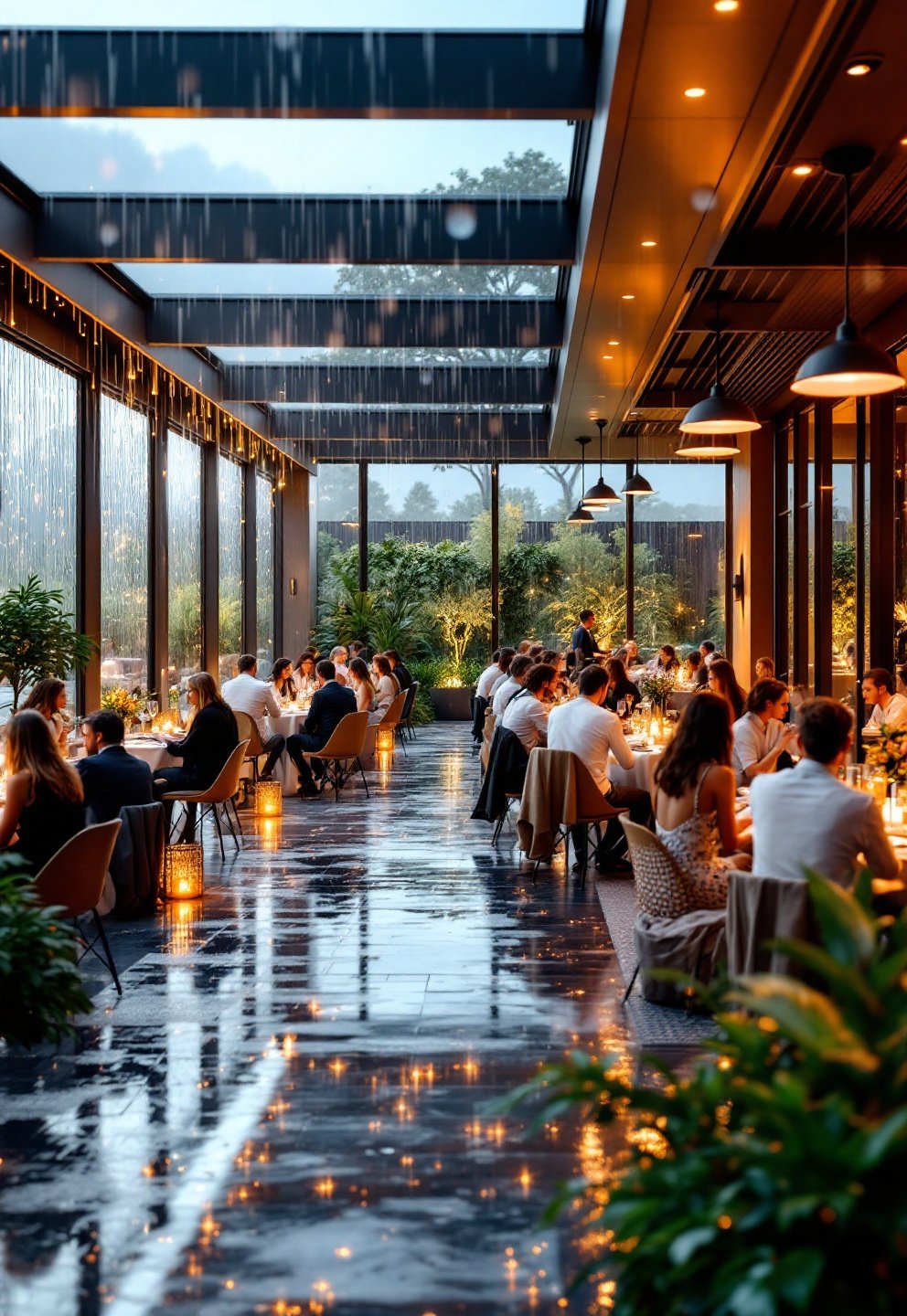
Urban demand for true hybrid indoor outdoor venue hire is growing fast because buyers want “indoor security + outdoor ambience.” But most venues underspecify critical details until after you book. The only safe way to compare is to use a measurable checklist and insist on contract language for every weather, AV, and capacity claim. You’ll pay more upfront—but save on surprises, last-minute tenting, and guest comfort. Ready to build your shortlist? Start with the plan your event tool, and use our event budget calculator to compare apples to apples.
FAQ
Why do hybrid indoor–outdoor venues cost more than indoor-only?
Hybrid venues add premium features like operable glass walls, outdoor heating/cooling, and weather-engineered covers. These increase startup and maintenance costs, so hire rates are 10–30% higher but reduce add-on rental risks.
What key specs should I demand for a truly weatherproof hybrid venue?
Insist on operable openings of at least 5–15 meters, 70–100% of seating under permanent cover, and outdoor-rated AV and power in every zone. Get coverage ratios and weather conversion times in writing.
How do I compare real capacities for hybrid venues?
Ask for diagrams for three setups: indoor-only, indoor+terrace seated, and standing/cocktail across all zones. Compare actual usable capacity in “bad weather mode”—never just the max advertised number.
What hidden fees are most common in hybrid indoor–outdoor venue hire?
Look for surcharges on weather contingency (sidewalls, tenting), outdoor AV/power, heating, or overtime due to curfews. Always get written, line-item pricing for every possible add-on.
Can hybrid venues host both weddings and corporate events?
Yes. Most high-quality hybrid venues are designed for both, offering flexible layouts, AV setups, and policies adapted for wedding or business clients. Confirm exclusivity and access rules for your event type up front.