Whole-Venue Buyout Hire: How Pricing Works and What to Ask Before You Sign
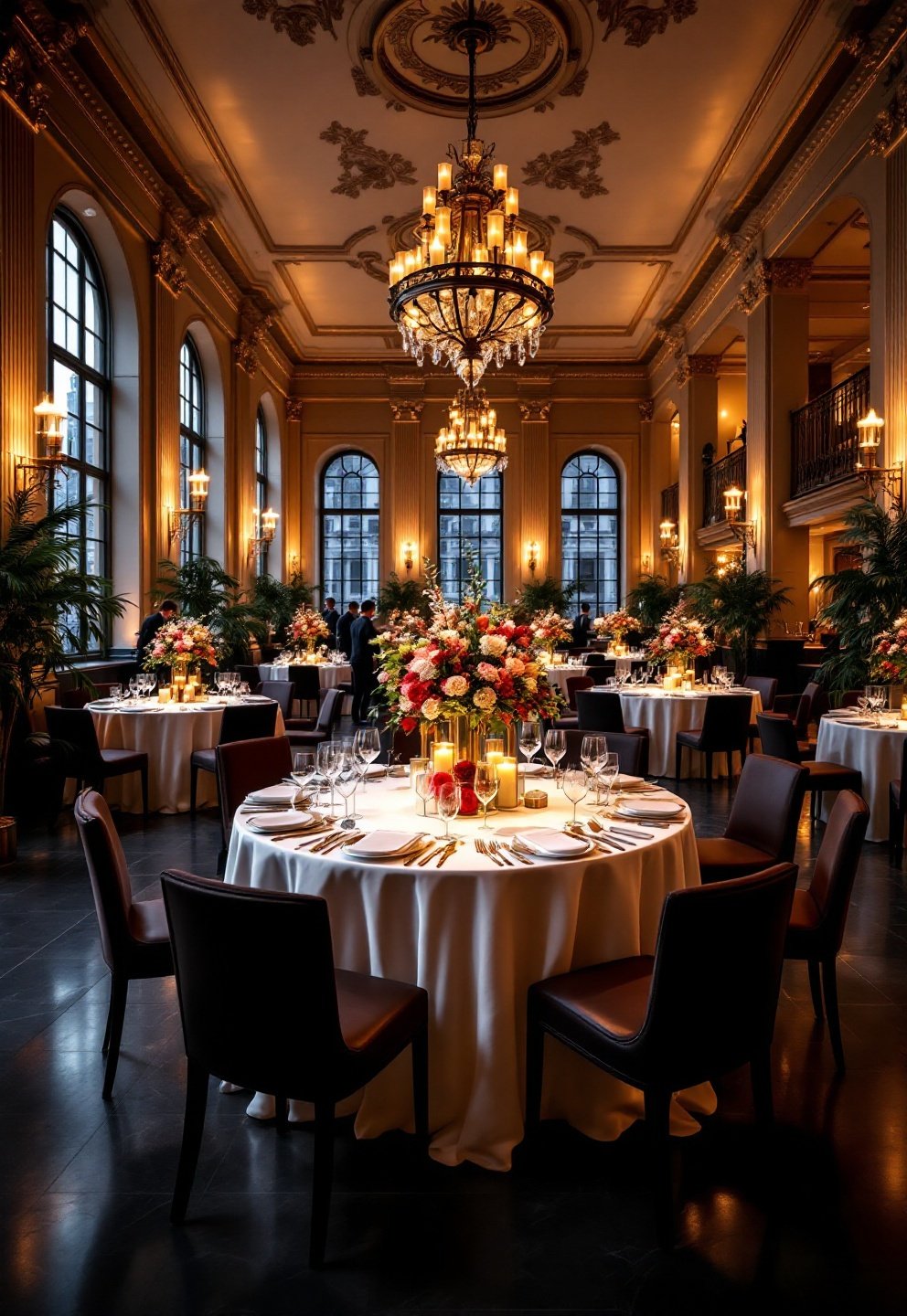
A whole-venue buyout (also called exclusive use or exclusive hire) means you book an entire property for your event: every room, the grounds and the staff, with no other guests or functions on site. It is common for weddings, milestone parties, product launches and company retreats. It can be the simplest way to get privacy and control, or an expensive surprise if you do not understand how venues price it. This guide explains how buyouts work, what to ask before you sign, and how to judge whether you need one at all.
How venues price a buyout
Venues rarely publish a single buyout price, because they are replacing the revenue they would have made from other customers that day. Expect one of these models, or a mix:
| Pricing model | How it works | Watch out for |
|---|---|---|
| Flat exclusive-use fee | A fixed charge for the whole property for a set period | Catering, drinks and staffing may all be extra |
| Minimum spend | No room fee, but you must spend a set amount on food and drink | Whether service charge and VAT count towards the minimum |
| Room fee plus minimum spend | A smaller hire fee plus a lower spend threshold | Two numbers to compare between venues |
| Accommodation buyout | For venues with bedrooms, you must book every room for one or more nights | Who pays if guests do not take the rooms |
Prices usually move with the calendar: Saturdays in peak season cost the most, while weekdays and quieter months can be much cheaper for the same space. If your date is flexible, ask for prices on two or three alternatives.
Do you actually need the whole venue?
A buyout makes sense when at least one of these is true:
- Your guest count fills most of the property anyway.
- You need privacy: a launch under embargo, a high-profile guest list, or a family event you do not want shared with the public.
- You want to use several spaces in sequence, such as a ceremony in the garden, drinks in the bar and dinner in the main hall.
- You want full control of music, branding and timings without fitting around other bookings.
If your group is small and you mainly want a private room, a private dining room or a partial buyout (one floor or wing) may give you most of the benefit at a fraction of the cost.
Questions to ask before you sign
- What exactly is “exclusive”? Every indoor and outdoor space, or only the event areas? Are hotel residents, members or a public restaurant still operating?
- What hours are included? Ask for access time, guest arrival, last orders, music end and the time you must be out. Overtime is often charged per hour.
- Setup and breakdown. Can suppliers arrive the day before? Is next-morning collection allowed?
- What counts towards the minimum spend? Food and drink only, or also room hire, accommodation, service charge and taxes? What happens if you fall short?
- Staffing. How many staff are included, and at what ratio to guests? Is there a dedicated event manager on the day?
- Suppliers. Must you use the venue’s caterer, or can you bring your own? Is there a list of approved suppliers or a fee for outside ones?
- Noise and neighbours. Are there sound limits, a curfew for outdoor music or restrictions on fireworks and candles?
- Accommodation terms. If bedrooms are part of the buyout, can you release unbooked rooms by a deadline, and at what cost?
- Cancellation and date changes. What do you lose at each stage, and can you move the date instead of cancelling?
- Insurance and licences. Does the venue require you to hold event liability insurance? Are they licensed for the activities you plan?
Get every answer in the contract, not in an email. Our supplier contract checklist lists the clauses worth reading line by line.
Building the budget
Treat the buyout fee as the starting point rather than the total. A realistic budget also covers catering beyond the minimum, drinks, service charge, extra staff, decor, entertainment, equipment hire, transport and any overtime. Set it up in a simple spreadsheet with one column for the venue’s quote and one for what you actually expect to spend. The event budget guide shows how to build one that holds up when real quotes arrive.
A worked example: a venue offers exclusive use on a Friday for a minimum spend that covers dinner and drinks for 100 guests. That sounds complete, until you add the service charge, the late licence, a DJ, furniture for the garden and a cloakroom attendant. The final cost may be a third higher than the minimum, so compare venues on the estimated total, not the headline figure.
Making the most of the whole site
- Plan a flow. Use different spaces for each part of the event so guests move and the day feels varied.
- Brief the venue on every space. Say which rooms are in use, when, and which should stay closed.
- Signage. Guests do not know the building; add simple signs for toilets, cloakroom, bar and exits.
- One timeline for everyone. Share a single run sheet with the venue team and all suppliers.
- Do a walk-through. Visit at the same time of day as your event, ideally with your main suppliers.
Common mistakes
- Comparing a buyout fee at one venue with a minimum spend at another without converting both to an estimated total.
- Assuming “exclusive” includes the gardens or car park.
- Forgetting the time needed for setup and clearing when counting hours.
- Signing for a full bedroom buyout without a release date for unsold rooms.
- Leaving staffing levels vague, then finding one bartender for 120 guests.
Whole-venue buyout checklist
- Pricing model understood and converted to an estimated total
- Spaces included in “exclusive” listed in the contract
- Access, event and departure times agreed
- Minimum spend terms, service charge and taxes clarified
- Staffing ratio and event manager confirmed
- Supplier rules and fees checked
- Noise limits, curfews and licences confirmed
- Accommodation release dates agreed
- Cancellation and date-change terms read
- Walk-through booked and run sheet shared
FAQ
How far ahead should a venue buyout be booked?
For peak-season weekends, popular venues are often booked a year or more ahead. Weekday and off-season buyouts can sometimes be arranged a few months out.
Can a buyout be cheaper than hiring one room?
Occasionally, on quiet dates, a venue will offer exclusive use for little more than a large private room because it would otherwise be empty. It is always worth asking.
Is a minimum spend refundable if we spend less?
Usually not. The shortfall is normally charged as a room fee, so plan your menu and bar to reach the minimum in a way your guests will enjoy.