Immersive Venue Hire for Events Guests Step Inside
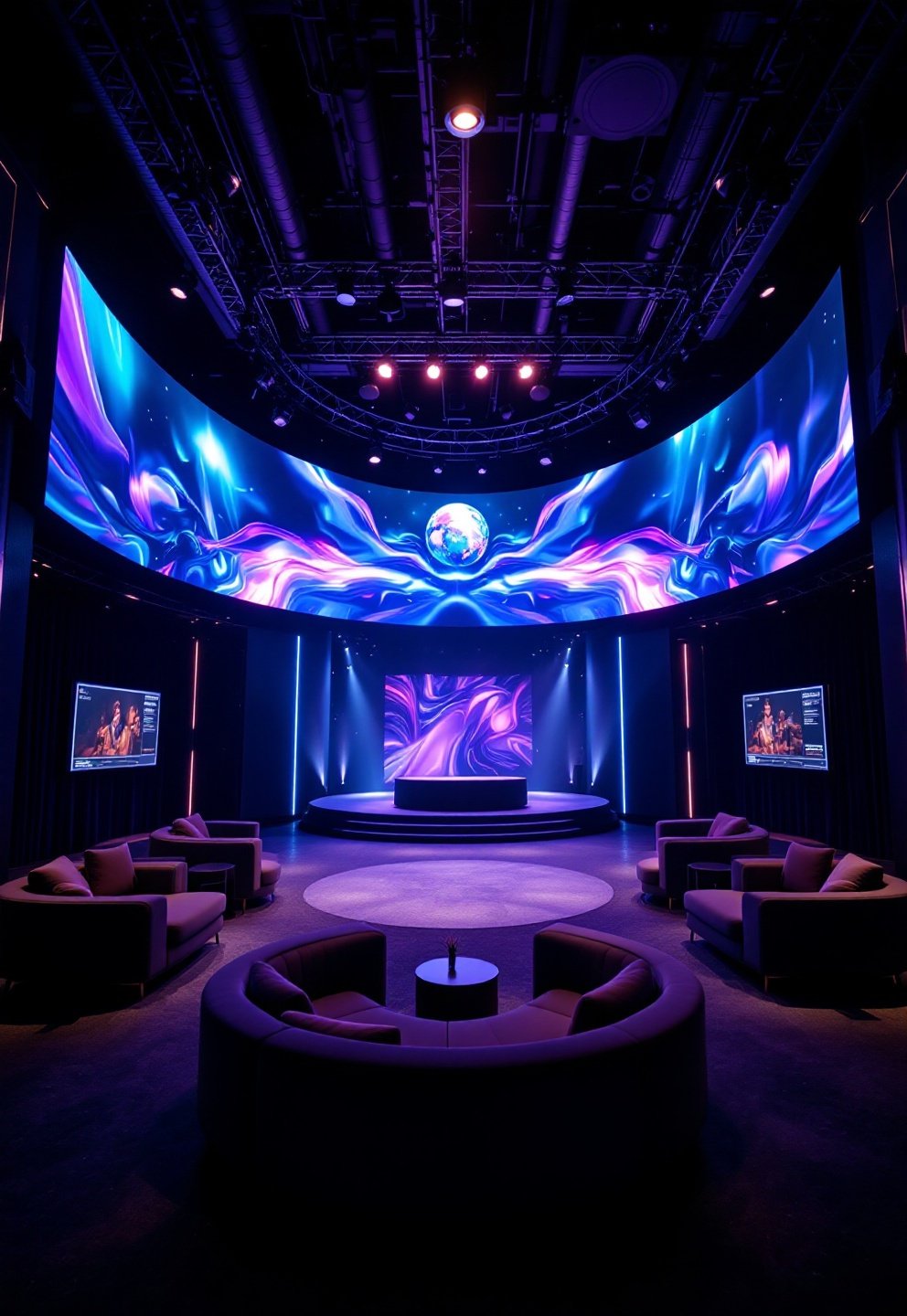
No longer just a buzzword, an immersive venue hire event is now a tactical production decision shaping how major brands and agencies deliver memorable, data-driven activations. If your next campaign demands true sensory immersion and interactive tech, skipping the production reality checks can cost you time, budget, and brand impact. Here’s your directly actionable guide.
Key Takeaways
- Always qualify “immersive” venues with a detailed technical checklist before booking—don’t trust marketing labels.
- Projection mapping, multi-zone AV, and network infrastructure are non-negotiable for seamless brand activations in 2026.
- Integrate budgeting, site surveys, and rehearsal time into your plan from day one to cut risk and overruns.
- What Makes an Immersive Venue Hire Event Strategic?
- How to Qualify, Budget and Book an Immersive Venue
- Where Venues Underdeliver: Readiness Gaps and Real Budgets
- Push Past the Buzzwords: Verify Before You Book
- FAQ
What Makes an Immersive Venue Hire Event Strategic?
The modern immersive venue hire event is a strategic asset for brands—not just a backdrop. From Fortune 500 launches to agency-driven pop-ups, 2026 will see immersive venue hire events serve as the heartbeat of loyalty campaigns and measurable ROI. True impact means ability to host projection-mapped walls, multi-sensory experiences, and interactive, personalized journeys with zero guesswork or costly retrofits.
When you’re shaping a flagship event or activation, consult the Ultimate Event Planning Guide for holistic frameworks, browse the Eventory blog for case studies, or tap into event inspiration ideas for creative technology concepts. But when it comes to vendor selection, what really matters is technical readiness—specifically:
- Infrastructure transparency: Real venues disclose rigging, power, networking, and in-house AV specs up front.
- Built-in sensory layers: Support for projection mapping (nearly 39% of immersive entertainment revenue in 2024), zoneable audio, scent diffusion, and haptics, not just “ambiance.”
- Operational integration: Efficient load-in/out, production-trained on-site staff, and rehearsal slots are as critical as the hardware.
The global event market is projected to reach $1.598 trillion in 2026, with 51% of leading brands increasing experiential spend (Lume Studios). To win market share—and deliver actual impact—only hire venues engineered for immersive realities, not just appearances.
How to Qualify, Budget and Book an Immersive Venue
The secret to choosing an immersive venue hire event partner? Follow a disciplined, stepwise process—because every shortcut can create a risk. Use these steps to minimize surprises, control costs, and maximize experiential ROI.
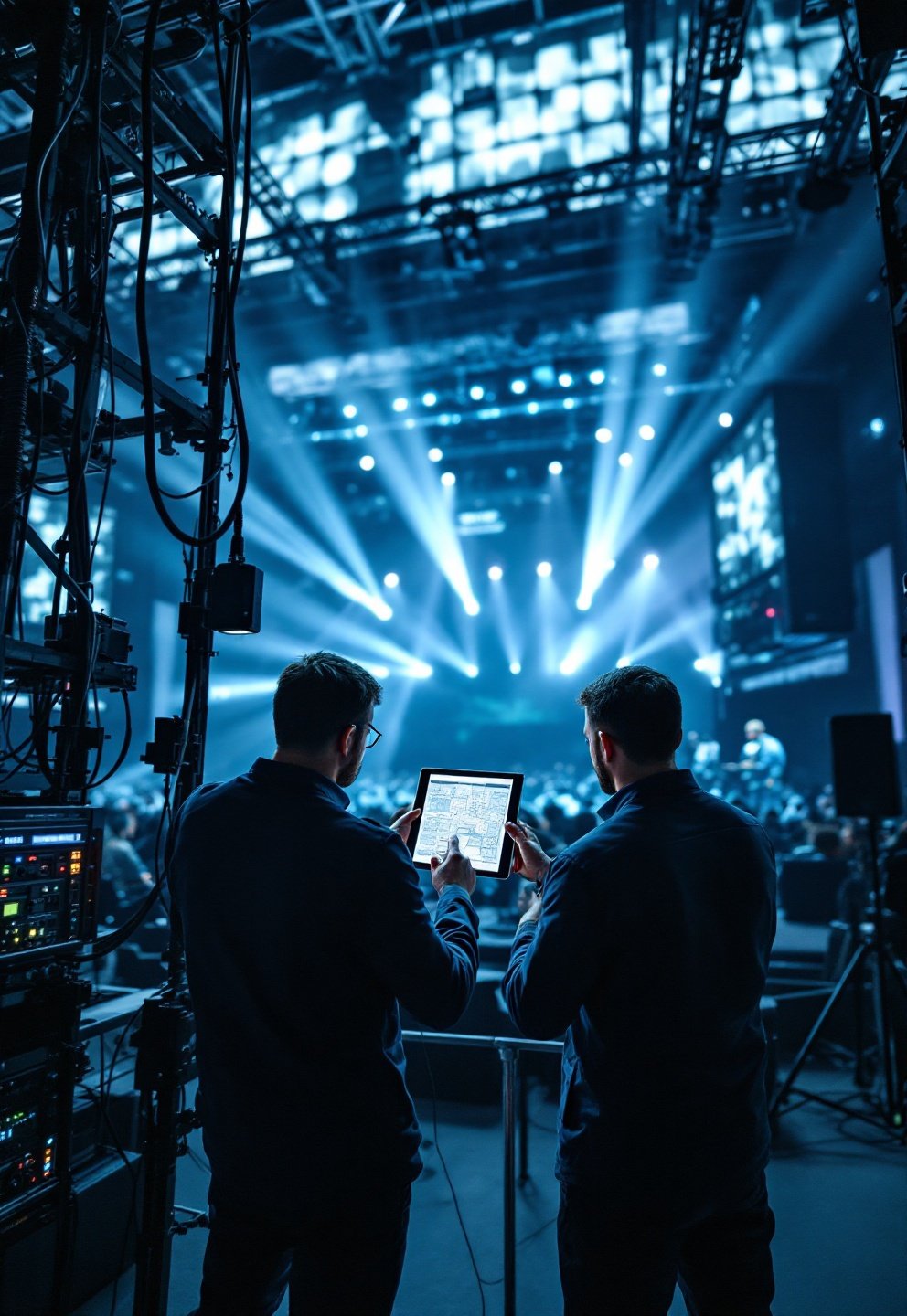
1. Start with a Technical Site Survey
Immediately request the technical venue pack. This should contain:
- Rigging point diagrams (load ratings, height clearance)
- Three-phase power distribution map (location, amperage per area)
- Ceiling and wall specs (projection-friendly surfaces, mounting options)
- Network backbone layout (fiber/WAN, VLAN support, Wi-Fi zones)
- Audio: Number of zones, speaker specs, mixing desk compatibility
2. Validate Sensory, AV, and Interactive Capabilities
Ask for proof (not just promises):
- Projector/LED inventory and lumen/output sheet
- Server room connectivity, media server brands supported
- Zoneable lighting (DMX, DALI, or similar control protocols)
- Support for scent diffusion, acoustic zoning, safe haptic installs
- Demo video of prior immersive activations in this venue
3. Build Your Initial Budget: Venue vs Production
Break out your numbers using the event budget calculator. Separate:
- Venue hire and basic AV (day rate, mandatory staff, basic security)
- Custom show builds, scenic/rigging overlays, interactive installs
- Technical crew (engineers, media server ops, network techs)
- Rehearsal/load-in days (often 20-35% of venue fee for multi-day events)
- Contingency (10-20% buffer, especially for rapid builds)
If you need detailed estimates for catering, the event catering calculator helps separate F&B from production costs. For guest flows and size optimization, use the guest list calculator to right-size zones and entry/exit points.
4. Secure Flexible Load-In, Rehearsal, and On-Site Support
- Confirm operational team credentials: Does the venue have projection mapping-trained staff, rigging supervisors, and network engineers on-site?
- Negotiate rehearsal blocks and extended load-in/load-out windows in your contract to prevent day-of overruns.
5. Demand Network, Data and Personalization Readiness
- Minimum: Enterprise backbone (not café-grade Wi-Fi), fiber to show-control rooms, AR/VR device support, and encrypted data capture infrastructure.
- Ask for support with RFID badges, AI-driven personalization, real-time engagement tracking, and opt-in analytics for your brand activation.
This lets you deliver measurement—proving activation impact to upper management.
6. Contract for Risk Reduction
- Inscribe tech rider clauses: Minimum projectors, network specs, rehearsal access, on-site crew list, backup power, and show control handoffs.
- Include opt-out if the site fails a “final technical walkthrough.”
See this conference venue hire playbook for more risk controls and checklists.
Where Venues Underdeliver: Readiness Gaps and Real Budgets
Despite the rise of immersive venue hire corporate demand, many venues still underdeliver on technical substance. Here’s what the research shows:
Common Pitfalls
- Unverified “immersive” claims: Too many venues list “immersive tech” but mean standard LED screens and basic DMX lighting. These will not support true brand activations and 360° mapping.
- Insufficient power and rigging: Failure to disclose three-phase power location and load points. You’ll pay for extra generators, rigging overlays, or see your show design idled.
- Poor network/data support: Without enterprise VLANs, fiber, and media server capacity, interactive and personalized elements underperform, risking ROI proof.
- Inconsistent technical support: Venues may have polished event managers, but if they lack immersive production engineers, creative and AV vendors end up triaging issues themselves—raising delays and hidden labor costs.
- Restricted access/rehearsal: Eight-hour load windows with no overrun provision can derail builds; always lock down flexibility in contracts.
- Opaque budget splits: Not understanding where venue hire ends and technical overlays begin leads to overruns—always split line items and track contingency.
To minimize pain points, make use of honest product reviews for AV, lighting, and scenting solutions, and bring your vendors into early walkthroughs.
Comparison Table: Venue Types by Immersive Readiness
| Venue Type | Projection Mapping | Sensory Tech | AV Network | Lead Time | Build Risk |
|---|---|---|---|---|---|
| Standard Event Hall | Limited (rental overlay) | Basic (extra cost) | Uncertain | 3-4 weeks | High |
| Retrofit Venue (Blank Canvas) | Medium (verify ceilings/walls) | Partial (ask for demo) | Variable | 4-6 weeks | Moderate |
| Purpose-built Immersive Studio | Full 360° support | Integrated (scents, haptics, audio) | Enterprise-grade, tested | 2-3 weeks | Low |
Budgeting by Activation Type
- Small/mid activations: Purpose-ready immersive studios typically start at a premium day rate but offset costs with built-in tech. Total budgets: low to mid six-figures (venue + production + labor).
- Large launches: Custom builds or venue conversions with immersive overlays will hit high six-figure totals—always validate what is in the “inclusive” price before signing.
For more examples, review our specialized guides like blank canvas event venue hire and luxury event venue buyer’s guide.
Push Past the Buzzwords: Verify Before You Book
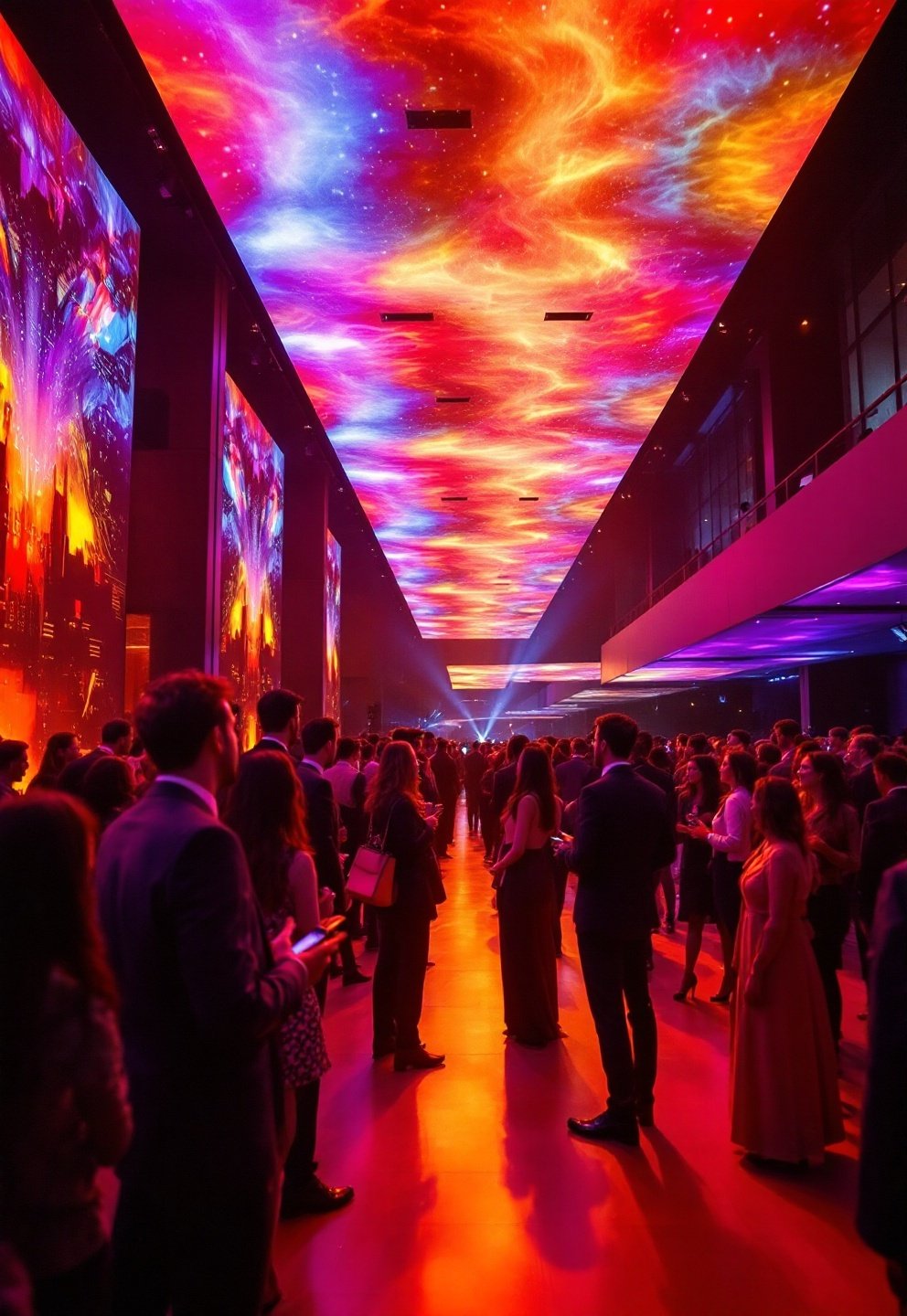
Genuinely strategic immersive venue hire event selection drives not just atmosphere but campaign ROI, audience dwell time, and measurable engagement. It is your job to push beyond buzzwords—verify infrastructure, production support, and post-event content capabilities up front. The fastest path to high-performance brand activations in 2026 is documented technical clarity and early integration with production and creative teams.
To start your search—or to pressure test your current short list of venues—use the Ultimate Event Planning Guide and our event budget calculator. Turn immersive venue hire from marketing promise into real production results.
Ready to reduce risk? Build your RFP using tactical checklists, review the Eventory blog, and get inspired by event inspiration ideas.
FAQ
What makes a venue “truly immersive” in 2026?
Truly immersive venues have certified rigging and power for 360° projection mapping, enterprise-grade network and AV, zoneable sensory systems, and operational support for interactive builds. Anything less is marketing spin.
How early should I book an immersive venue for a brand activation?
For high-complexity projection-mapped or multi-sensory events, plan for at least 2 months lead time—longer if you need custom builds or extended rehearsals.
What production support should I demand from a venue?
Request on-site production crew (projection mapping, AV engineers, network tech), flexible load-in and rehearsal slots, and dedicated event manager experienced in immersive activations.
How do I budget for immersive venue hire events?
Split your budget: venue hire, tech/production overlays, labor, content capture, and contingency. Use the event budget calculator for realistic estimates based on activation scale.
Where can I get a technical rider template or RFP checklist?
Many guides offer downloadable templates, or you can use the appendix resources from our conference venue hire playbook or Ultimate Event Planning Guide.