Corporate Event Types Explained: Matching the Format to the Goal
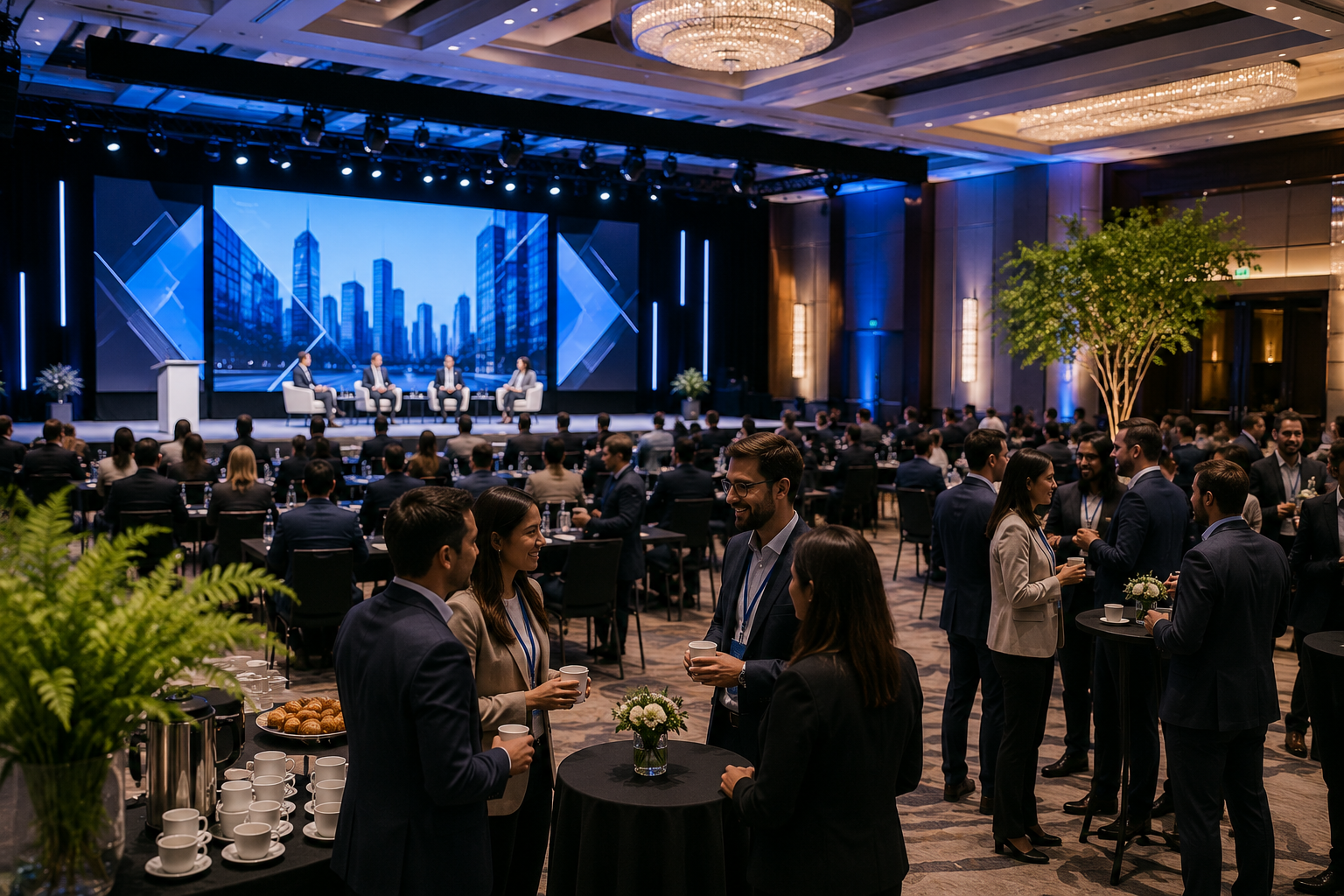
Corporate events types play a major role in strengthening business relationships, improving communication, promoting brands, and creating professional networking opportunities. Modern companies organize corporate events not only for business purposes but also to motivate employees, connect with clients, launch products, and build strong company culture.
Today’s corporate events combine professionalism, creativity, luxury, and immersive experiences to create memorable and impactful moments for attendees. From conferences and seminars to gala dinners and team-building activities, each type of corporate event serves a unique purpose.
Why Corporate Events Matter
Corporate events help businesses improve internal communication, strengthen partnerships, and increase brand visibility.
Benefits of corporate events include:
- Building stronger professional relationships
- Improving employee engagement
- Increasing brand awareness
- Creating networking opportunities
- Enhancing company image
- Promoting products and services
- Encouraging collaboration and innovation
Well-organized corporate events leave lasting impressions on clients, partners, and employees.
According to industry insights from Event Manager Blog, networking events and conferences remain among the most effective corporate event formats for business growth.
- Statista – Events Industry
- Forbes
- Professional Convention Management Association (PCMA)
- Meetings Today
- Statista – Events Industry

1. Conferences and Seminars
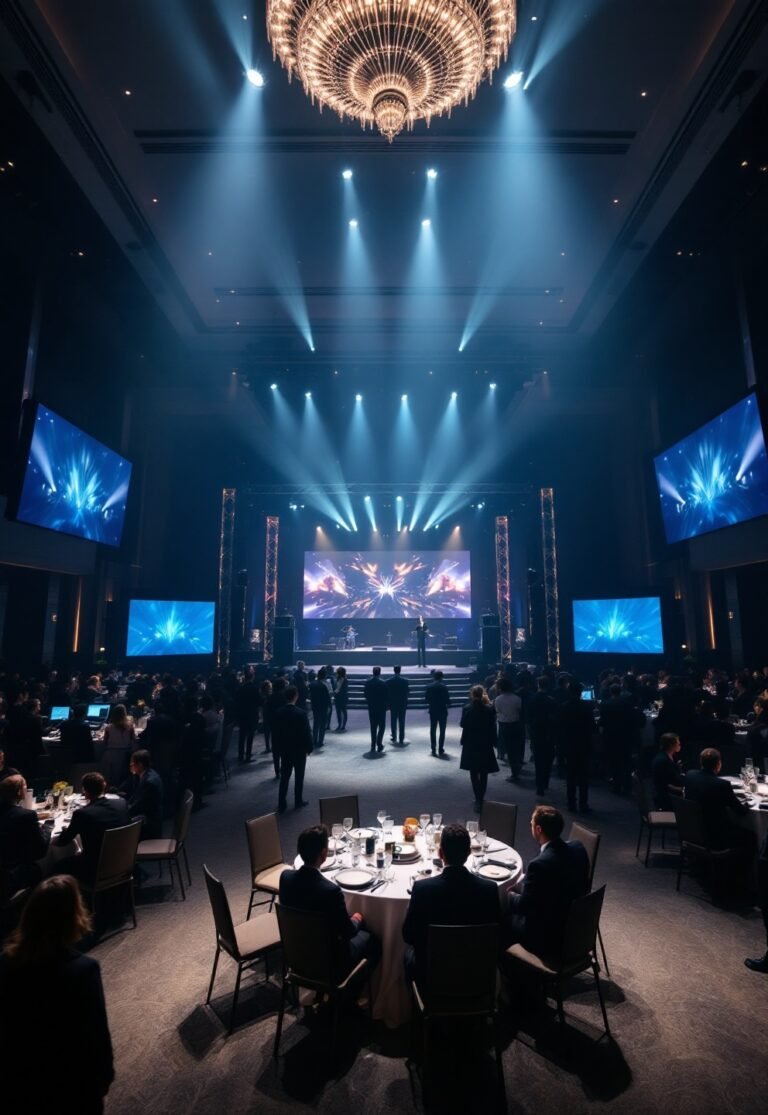
Conferences and seminars are among the most common corporate events. They focus on sharing knowledge, discussing industry trends, and creating networking opportunities.
Common conference features include:
- Professional stage setups
- Speaker presentations
- LED screens and audio systems
- Networking lounges
- Coffee breaks and catering
- Interactive workshops
These events are ideal for professional learning and industry collaboration.
2. Product Launch Events
Product launch events help companies introduce new products or services to clients, media, and business partners.
Popular product launch elements include:
- Modern stage designs
- Interactive product displays
- Digital presentations
- Luxury lighting effects
- Brand-focused decoration
- Live demonstrations
Successful launch events create excitement and generate attention around the brand.
3. Corporate Gala Dinners
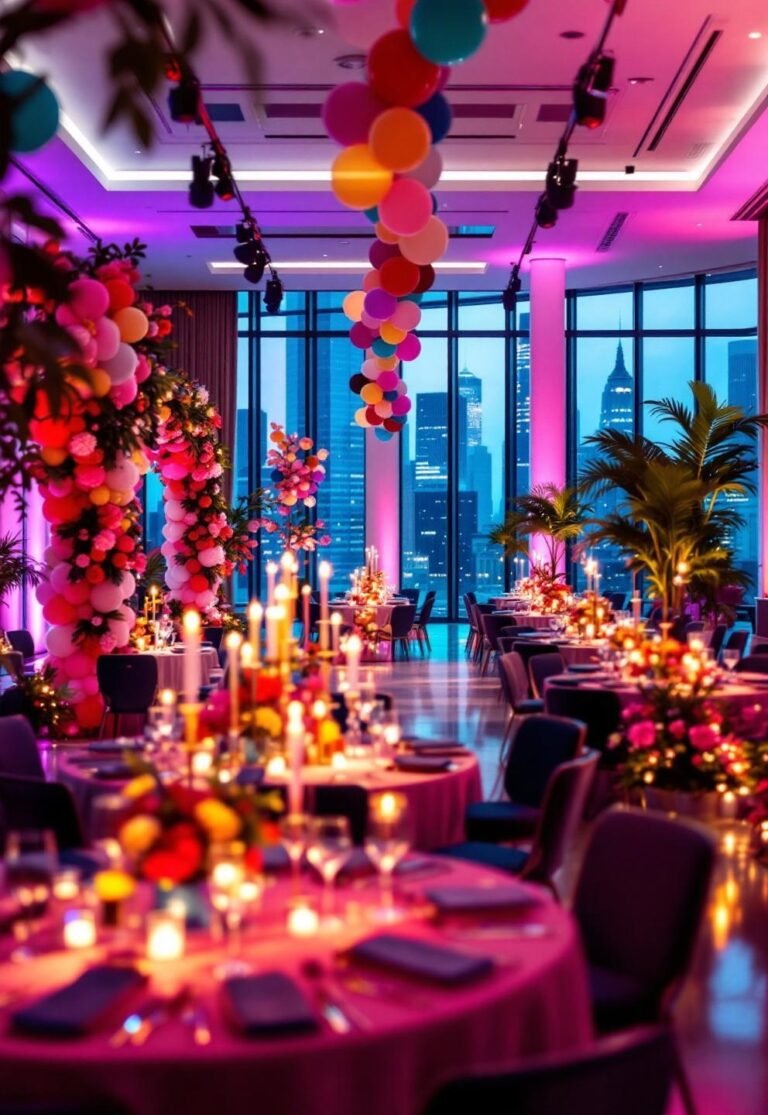
Corporate gala dinners are elegant events designed to celebrate achievements, strengthen relationships, and reward employees or partners.
Gala dinners often include:
- Luxury table settings
- Fine dining catering
- Live entertainment
- Awards ceremonies
- Elegant floral decoration
- Sophisticated lighting concepts
These events combine professionalism with luxury experiences.
4. Team-Building Events
Team-building activities help improve communication, collaboration, and employee morale.
Popular team-building ideas include:
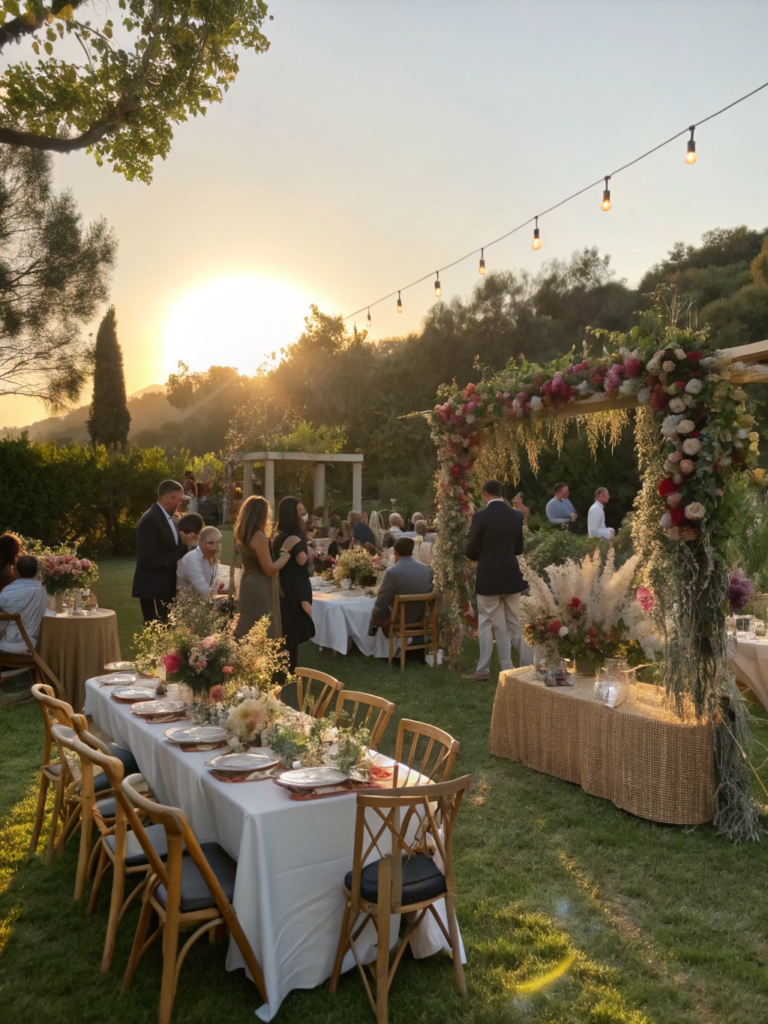
- Outdoor activities
- Adventure challenges
- Workshops and games
- Sports competitions
- Retreats and travel experiences
- Creative group exercises
These events help employees feel more connected and motivated.
5. Networking Events
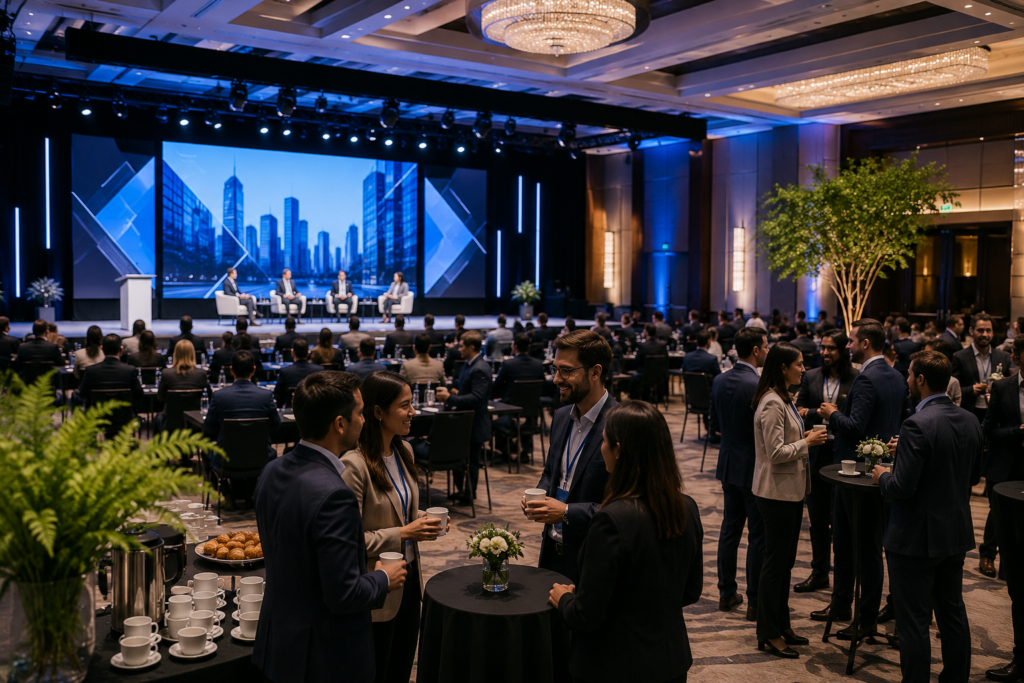
Networking events are designed to help professionals connect, exchange ideas, and create business opportunities.
Key networking event features include:
- Lounge seating areas
- Cocktail receptions
- Interactive activities
- Modern music and lighting
- Professional catering
- Business-friendly environments
A comfortable atmosphere encourages conversation and relationship-building.
6. Trade Shows and Exhibitions
Trade shows allow companies to showcase products, services, and innovations to large audiences.
Popular exhibition features include:
- Brand booths and displays
- Interactive demonstrations
- Digital screens
- Promotional materials
- Live presentations
- Networking zones
These events help companies increase visibility and attract potential clients.
7. Corporate Retreats
Corporate retreats combine business activities with relaxation and team bonding.
Retreats often include:
- Workshops and meetings
- Luxury accommodations
- Outdoor experiences
- Wellness activities
- Team dinners
- Recreational entertainment
These events improve employee satisfaction and strengthen company culture.
Corporate Event Trends in 2026
Corporate events continue evolving with modern technology and immersive experiences.
Trending concepts include:
- Hybrid physical and digital events
- Interactive LED experiences
- Luxury minimalist decoration
- Personalized attendee experiences
- Eco-friendly event concepts
- AI-powered presentations
- Networking technology platforms
- Social media-friendly setups
Companies now focus heavily on creating engaging and visually impressive business events.
Key Elements of Successful Corporate Events
Professional Organization
Smooth planning and scheduling are essential for successful events.
Technology Integration
Modern audio, visual, and digital systems improve attendee experience.
Elegant Decoration
Professional decoration helps create strong visual impressions.
Quality Catering
Premium food and beverage service enhances guest satisfaction.
Guest Experience
Comfort, interaction, and networking opportunities are essential.
Frequently Asked Questions
What are the most common corporate event types?
Conferences, seminars, networking events, product launches, and team-building activities.
Why are corporate events important?
They improve communication, strengthen relationships, and increase brand visibility.
How do I choose the right corporate event type?
Define your goals, audience, budget, and desired outcomes.
Conclusion
Corporate events have become powerful tools for communication, branding, networking, and employee engagement. From conferences and product launches to gala dinners and retreats, each type of event helps businesses strengthen relationships and create impactful experiences.
In 2026, corporate events focus on innovation, luxury, personalization, and immersive experiences that combine professionalism with modern event design. Successful corporate events are no longer just meetings — they are memorable experiences that inspire connection, creativity, and business growth.
Planning Successful Corporate Events: A Step-by-Step Guide
Regardless of the type of corporate event you are organizing, the planning process follows a consistent structure. Here is a professional framework used by experienced event managers:
- Define Objectives: What does the event need to achieve? Increased brand awareness, employee engagement, client relationship building, product education, or revenue generation? Clear objectives guide every decision.
- Set Your Budget: Establish a realistic budget early and allocate it across key categories: venue, catering, AV and technology, speakers or entertainment, marketing, and contingency.
- Choose the Right Format: Based on your objectives and audience, decide whether your event should be in-person, virtual, or hybrid. Each format has different cost structures and engagement dynamics.
- Select the Venue or Platform: For in-person events, choose a venue that matches your brand image, accommodates your guest list, and has the technical infrastructure you need. For virtual events, select a reliable platform with the features your program requires.
- Build Your Program: Plan a compelling agenda with a clear beginning, middle, and end. Mix presentation formats to maintain engagement: keynotes, panel discussions, workshops, networking breaks, and interactive sessions.
- Measure Success: Define KPIs before the event. Post-event, collect feedback via surveys and measure against your original objectives.
Corporate Event Budget Benchmarks
Understanding typical corporate event costs helps you set realistic expectations and negotiate effectively with vendors:
- Small meetings (10-30 people): $50-$200 per person including venue, catering, and AV.
- Medium conferences (50-200 people): $150-$500 per person depending on location and program complexity.
- Large corporate events and galas (200+ people): $300-$1,000+ per person for premium experiences with entertainment and high-end catering.
- Virtual events: $20-$100 per participant including platform licensing, production, and speaker fees.
Frequently Asked Questions About Corporate Events
How far in advance should I start planning a corporate event?
For large conferences and annual company events, begin planning 6-12 months in advance. For smaller meetings and workshops, 4-8 weeks is typically sufficient. Virtual events require less lead time but still benefit from at least 4 weeks of preparation.
What is the most common mistake companies make when planning corporate events?
Underestimating the total cost. Many organizations focus on headline costs like venue hire and catering while overlooking AV rental, staffing, transportation, printing, photography, and contingency expenses. Always create a fully itemized budget from the start.
How do I measure the ROI of a corporate event?
Define measurable goals before the event: number of leads generated, client satisfaction scores, employee engagement levels, product demo completions, or media coverage. Post-event surveys, CRM data, and attendance metrics help quantify return on investment.