Silent disco hire: costs, hidden fees and tech checklist
- Why silent disco hire is a smart choice in 2026
- How much does a silent disco headphone rental event cost?
- Pricing traps & deposit transparency — what to ask before you sign
- Technical specs checklist every buyer must verify
- Service tiers: DIY kit vs curated packages vs full production
- Reliable setup & redundancy plan (how to avoid on-site failure)
- Wireless range, interference risks & venue considerations
- Noise ordinances, permits & venue coordination (legal checklist)
- Accessibility, inclusion & guest management
- Innovative silent disco party ideas & new use cases to pitch clients
- Booking checklist & timeline (what to ask and when)
- Short case snapshots: wedding, corporate party, outdoor festival
- FAQ: Silent disco hire buyer questions, answered
Why silent disco hire is a smart choice in 2026
Silent disco hire has become a staple among event planners facing tough venue noise rules or competing for immersive guest experiences. By 2026, silent disco systems are projected to capture roughly 15% of event audio equipment sales—up from near-zero a decade ago (industry data). This surge mirrors demand at weddings, brand activations, and especially corporate events where both flexibility and compliance matter.
Compared to bands or traditional DJs, a silent disco unlocks:
- Access to premium venues in cities with strict noise curfews or residential proximity rules.
- Personalized guest experience—multiple genres, DJs, or even languages streamed to the same dance floor.
- Competitive pricing: even upmarket hire packages are typically far cheaper than a live band or top-tier DJ.
- Minimal gear setup and fast room flips for planners with tight venue turnover windows.
If your priority is maximizing guest experience without risking a visit from local authorities or blowing the budget, silent disco hire is now a proven solution.
How much does a silent disco headphone rental event cost?
Most silent disco equipment rental providers charge per headphone per day. For 2025–2026, the typical rate is $5–$7 per headphone for standard event bookings. Price usually goes down at higher headcount or for longer events.
Let’s break down three real-world rental examples:
- Small wedding or private party (50 guests):
50 headsets x $7/head = $350
Add:- Deposit: $150–250 (refundable)
- Shipping/return: $0–$75 (some offer free shipping)
Estimated total: $500–$600 all-in for the night.
- Corporate event (150 guests):
150 x $6 = $900
Add deposit ($300–$500), possible on-site tech support ($150–$400), and shipping (~$100).
Estimated total: $1,300–$1,600, before AV add-ons or DJ services. - Home party kit (25 guests):
$215–$250 (varies by provider and extras), includes headset set, 1 transmitter, free return labels.
By comparison, hiring a mobile DJ can cost $1,500–$2,500, and live bands much more. Silent disco scales especially well for mid-size weddings and large indoor/outdoor parties.
- Vendor example: Silent-Disco-Rental offers 100 headphones for $590.85 (~$5.91/guest); Quiet Events lists $820 for 100 (~$7.38/guest).
- Security deposits for 100–150 sets typically run $250–$500; some providers tier this (see below).
Equipment rental for outdoor silent disco events or multi-day activations may need a budget buffer for higher power transmitters or additional spares.
Pricing traps & deposit transparency — what to ask before you sign
Not all silent disco rentals are as simple as a flat per-head fee. Watch for these less-obvious additions:
- Security deposit: $150–$750 is standard, based on headset count. Check whether it’s included or must be paid up front—and how quickly it’s returned.
- Lost/damaged unit fees: What is the fee if a guest walks off with a headset? Most real events lose 5–20 units—billing above retail is common if not clear in contract.
- Transmitter and channel add-ons: Are all channels included (often 3)? Extra transmitters for more rooms/genres may carry a hidden upcharge.
- Shipping costs: Some providers advertise free round-trip shipping, others do not—clarify before booking.
Before signing, insist on:
- Written deposit and damage policies with costs per lost/damaged unit
- Headphone count flexibility and overage charges
- Full breakdown of what’s included: transmitters, batteries, cables, setup guide, spares
- Clear timeline for deposit return and equipment pickup
Transparent contracts and quoting not only prevent budget blowouts—they protect your client relationship on the night.

Technical specs checklist every buyer must verify
What separates a stress-free silent disco event from a tech headache? Knowing exactly what’s under the hood.
- Wireless Type: UHF RF transmitter – not Bluetooth (Europe: 863–865 MHz, North America: ~914–915 MHz).
- Range: 300–500 meters (outdoors); less with thick walls/metals.
- Channels: 3 is standard – can have multiple DJs, genres, or languages.
- Headphone Battery: 8–10+ hours continuous; transmitter usually mains/battery backup.
- Spare Headsets: Build in 10–15% buffer (for last-minute guests, technical swaps).
When booking, confirm:
- The system uses legal bands for your country—unlicensed UHF only.
- Transmitter and charger compatibility/reliability for the event duration.
- If you get three transmitters/channels included by default (preferred), or pay extra for additional inputs.
- Easy-to-understand setup guides or live support: especially key for weddings or large corporate parties led by non-AV staff.
Service tiers: DIY kit vs curated packages vs full production
Silent disco hire comes in three broad flavors:
- DIY: Equipment only, ship-to-door, self-setup. ~$6/head. Suits experienced organizers, smaller home parties, and events with tech-savvy staff. Minimal support, no music curation.
- Essential / Curated: Equipment plus delivery/pickup and remote tech support. ~$10/head. Ideal for weddings, medium-size corporate, or public venues. Some providers include help lines, more generous spare buffers, and basic content playlisting.
- Full Production: Equipment, delivery, on-site tech + DJ/curation. $14+/head, or day rates for large conferences (can run $5,000–$50,000+). Required for complex activations: multiple audio zones, translation, live video integration, or crucial conference settings.
DIY gives you budget control but more risk. Full production costs more but all technical and content risk sits with the vendor—especially critical for weddings and high-profile corporate parties.
Reliable setup & redundancy plan (how to avoid on-site failure)
No planner wants to deal with dead headphones or missing gear minutes into a silent disco hire wedding or corporate party. Build reliability from the start:
- Order 10–15% extra headsets above RSVP count (so for 100 guests, book 110–115 units).
- Designate one staff member for check-in/out (especially for corporate/large events).
- Test signal and headphone battery before guests arrive—bring power banks/extension cords for transmitter backup.
- At 150+ guests, assign a second technical point-person for headset swaps and troubleshooting.
- For outdoor silent disco hire: verify weatherproofing, cord covers, and secure transmitter placement from foot traffic or sudden rain.
Industry leaders like Silentsystem Audio run huge spares (fleets of 50,000+ headphones)—smaller rentals should still include a buffer and clear plan for swaps or failures.
Wireless range, interference risks & venue considerations
RF range claims (300–500 meters) assume open-air, line of sight. In real venues:
- Brick walls, metal structures, and crowded urban rooms all reduce range.
- Ask your venue: are there other high-power RF users (WiFi mesh, wireless mics) in place?
- For multi-room/very large venues, request higher-power UHF transmitters—or an RF site survey from your provider.
- Outdoor silent disco hire: check for possible obstructions, and stake out transmitter locations before setup day.
Always confirm what your rental covers (standard vs. high-power transmitters) and rehearse before doors open.
Noise ordinances, permits & venue coordination (legal checklist)
Silent disco can be a lifesaver for urban or neighborhood noise restrictions. But silence isn’t quite absolute:
- Contact local authorities/venue manager 6–8 weeks in advance: Are silent events exempt from curfew, or do other rules (RF, occupancy, amplified music) apply?
- Ask about permits—even for non-audible events. Some cities want notification of public events using RF equipment, even if bands are not present.
- Review policies about crowd noise, outdoor events, and return-to-silence post-event.
- Template questions for a council email or call: “Does a silent disco event in Venue X require a music or assembly permit? Are there operational curfews or limits on guest headcount?”
Transparent communication upstream saves headache when the night arrives.
Accessibility, inclusion & guest management
Not every attendee will (or can) wear headphones:
- Offer a “quiet zone” with comfortable seating for those who opt out or need sensory breaks.
- Provide hand wipes or sanitizing stations for headset hygiene, especially for back-to-back event days.
- Use adjustable volume/headphones with ample padding for guests with hearing aids or sensitivities.
- For silent conference/education events, offer manual switch/out options for those who prefer not to use headsets—this can include a fixed listening station or portable speaker in a supervised, low-volume area.
Building this into your planning isn’t just considerate—it’s an emerging differentiation point in RFPs (especially for weddings and diverse corporate functions).
Innovative silent disco party ideas & new use cases to pitch clients
Silent disco hire isn’t just for parties:
- Team-building walks or city tours: Curated playlists and voice-guided activities across city blocks—for 30–100 participants at a time.
- Outdoor fitness/yoga events: Simultaneous serenity tracks and instructor live cues on different channels for up to 300 in a park.
- Museum and art gallery activations: Offer audio guides or multi-language narration—guests can explore at will without noise or crowd disruption.
- Conferences/education: Multi-room learning, translation zones, or “silent zones” for deep focus, with breakout or sponsor-branded content per channel.
- Brand engagements: Partner with sponsors for branded headsets or exclusive playlist channels to offset hire fees.
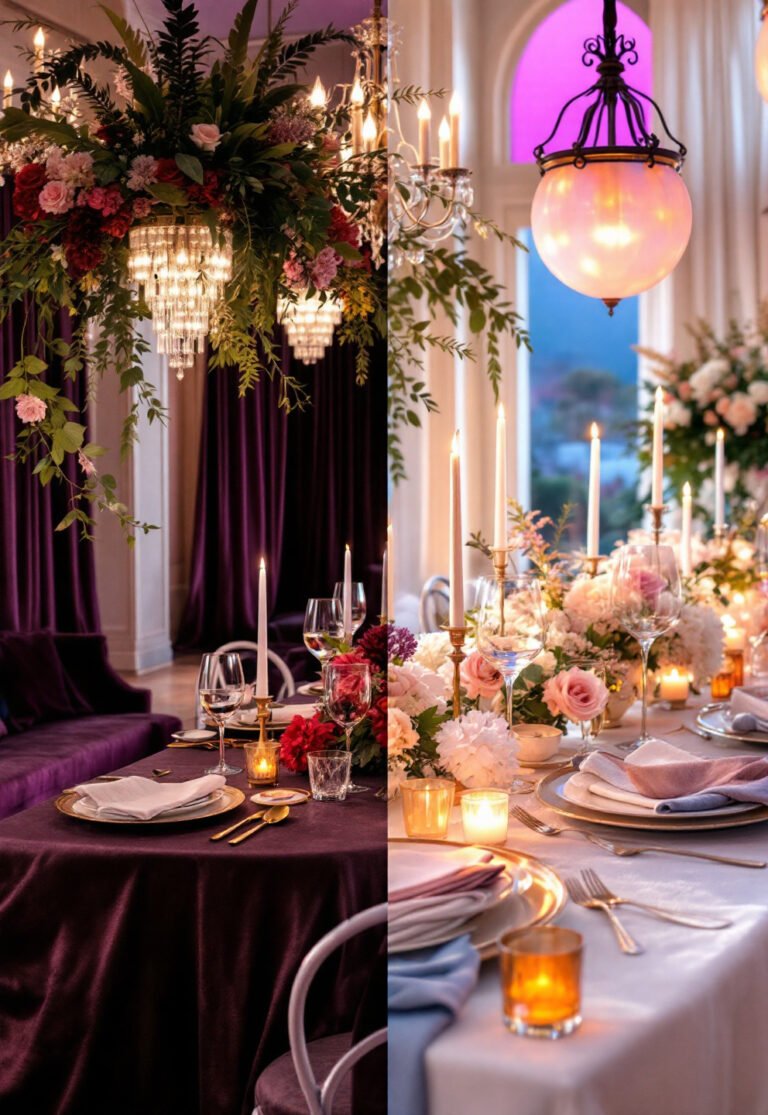
Pitching these creative use cases justifies higher fees and positions you as a forward-thinking event planner. For more inspiration, find unique party decoration ideas here.
Booking checklist & timeline (what to ask and when)
- 6–12 weeks out: Secure venue and check local noise/permit rules. Gather guest estimate, request all-in quote with breakdown (headphone units, transmitters, deposit, shipping, support).
- 2–4 weeks out: Finalize guest count, review setup/return instructions, confirm deposit and refund timelines. Clarify emergency contact and tech support numbers.
- 48–72 hours out: Double-check delivery arrival, test a sample headset, confirm all spares and chargers included. Review plan for returns (timelines, labels, late fees).
- Event day: Assign responsible staff for check-in/out, brief on signal/battery testing protocol, set up signage if multi-channel genres/DJs in use.
Sample pricing: Home party kit (25 guests) runs ~$215 (Quiet Events); rental fleets scale down per-unit as you go larger (Day 1: $7/head; Day 2: $3.50/head for most providers).
For more planning timelines and expert checklists, browse our event planning guides.
Short case snapshots: wedding, corporate party, outdoor festival
-
Wedding (50 guests):
- 50 headsets @ $7/head = $350
- Shipping: $0 (included)
- Deposit: $200 (refunded post-return)
- 3 transmitters (all genres included)
- 5 buffer headsets for extras
- Total: $550; major saving over $2k+ DJ fee
-
Corporate party (150 guests):
- 150 headsets @ $6/head = $900
- Delivery/pickup: $75
- Deposit: $400
- 10 buffer headsets, 3 transmitters
- Backup tech (on-call): $250
- Total: $1,625
-
Outdoor festival (300 guests):
- 300 headsets @ $5/head = $1,500
- Outdoor, high-power transmitters required ($150 add-on)
- Deposit: $700
- 30 buffer units for swaps/loss
- Total: ~$2,350 (significantly under a large PA/dance floor build)
Outdoor events often require a little extra budget for range, buffer, and setup redundancy—but rental costs still compare very favorably to traditional audio/entertainment.
For more on budgeting for décor and experience, read our guide on flower wall rentals and party decoration ideas.
FAQ: Silent disco hire buyer questions, answered
What if some headphones are stolen or lost at our event?
Most providers charge a set lost/stolen unit fee (commonly $50–$100 each); you may lose part of your deposit if more units are missing than the included buffer covers. Always brief guests and consider staffing check-in/out for larger or public events.
How long do silent disco headphones typically last on a single charge?
Standard hire models provide 8–10 hours of use per charge—double-check for multi-day or late-night events and request details if you need spares or overnight charging gear.
Do I need a permit or special license for silent disco events?
If your event is private and indoors, usually not, but always check with your venue and local authorities—especially for outdoor, public, or late-night activations, or when using large RF transmitters.
Can I run multiple DJs or playlists at once?
Most modern silent disco kits offer 3 channels, supporting 3 separate audio sources or DJs. Confirm that all transmitters are included in your package.