Aura photography event: what planners must vet in 2026
- Why “aura photography event” activations are a distinct, tech-driven niche—not mystical film art
- 2026 market snapshot: size, growth, and price benchmarks for aura photo booth activation hire
- How modern aura photo booth activation hire really works: from sensor input to guest experience
- Kirlian vs. modern booths: technical, risk, and messaging implications for buyers
- Exact 2026 pricing—wedding, corporate, and festival aura photo booth rental costs & throughput
- Pain points, buyer confusion, and the transparency gaps in aura reading booth event activations
- The transparency gaps: vetting aura photography activation brand suppliers with targeted RFP asks
- Engagement benchmarks: AI aura photography vs. classic photo booths
- Plug-and-play ROI math for aura photo booth rental & aura photography corporate wellness event
- Measurement checklist: KPIs and reports for aura photo booth activation hire
- Vendor evaluation and RFP clauses: what to ask, measure, and require in contract
- Quick-pick recommended aura photo booth packages for top event types
- Legal, privacy, and accessibility essentials for aura reading booth events
- Appendix: sample KPI headers for aura photography event RFPs and reports
Why “aura photography event” activations are a distinct, tech-driven niche—not mystical film art
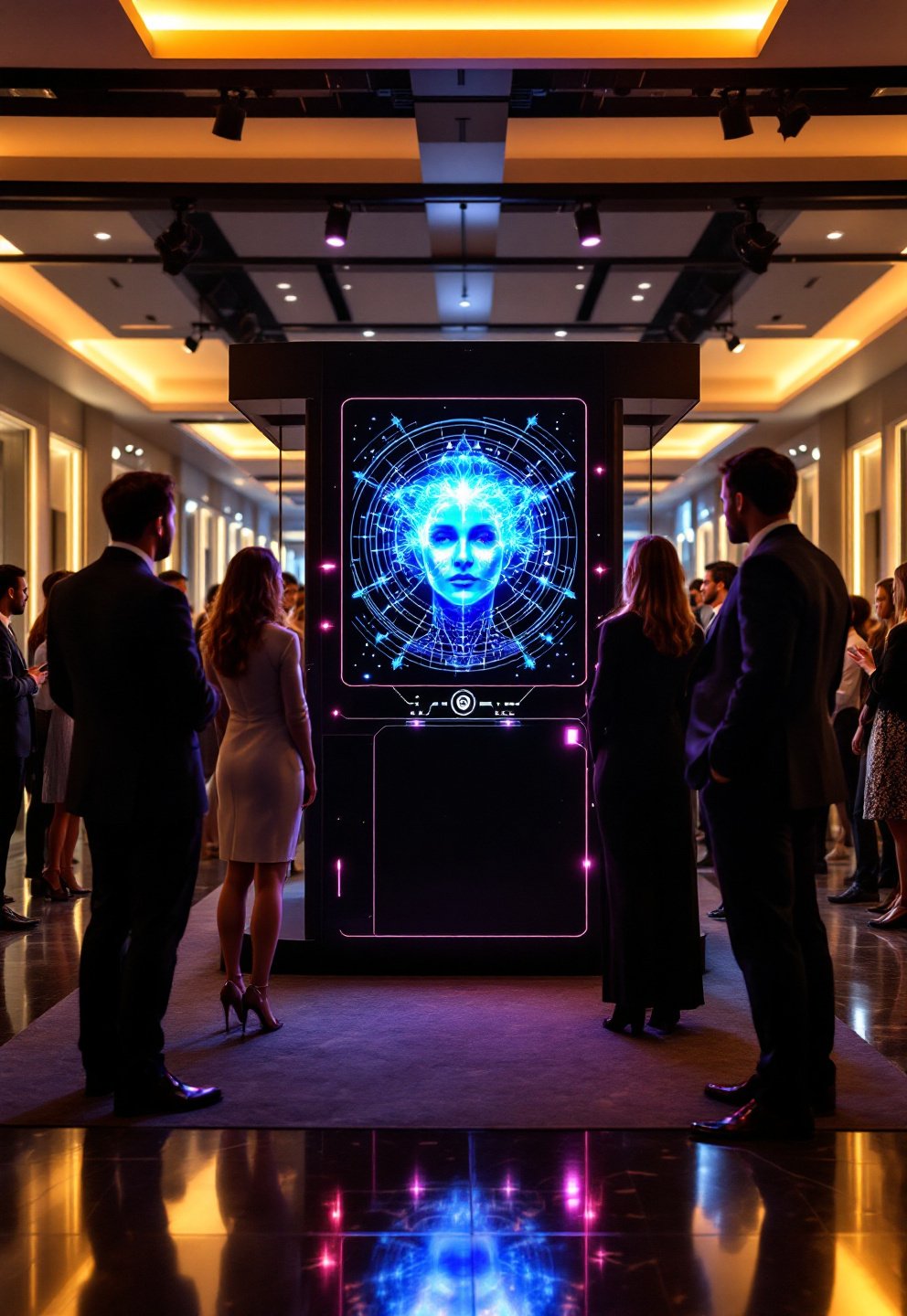
The modern aura photography event is a data-driven, biometric experience—nothing like vintage Kirlian “energy” photo sessions. Planners often conflate the two, but for brand activations and premium events, it’s essential to get the distinction right. Modern aura photo booth activation hire isn’t about high-voltage film tricks or esoteric claims; it’s a hybrid of:
- Biofeedback sensors (measuring skin temperature and electrodermal activity—signals also used in wellness wearables and polygraph tests)
- A digital camera (taking a regular portrait)
- Visualisation/AI software (translating sensor data into a colorful “aura” around guests)
This personalization+tech approach is why aura photography resonates for wellness programs, consumer marketing, and corporate wellness events—it sells both novelty and a personal “insight” keepsake, framed as entertainment (not diagnosis). Compared to traditional Kirlian setups, which use 4,000–50,000 volt pulses to create a corona on film, today’s AI aura photography is low-voltage, camera-based, and safe for general audiences.
2026 market snapshot: size, growth, and price benchmarks for aura photo booth activation hire
Aura photography event activations are a niche segment within the aggressively growing global photo booth market. For context:
- Photo booth market (2025–2026): $584–896 million/year globally, growing 9–12% CAGR through 2030 (Straits Research).
- Broader “aura photography” market: $1.5B in 2025, but this includes devices, studios, and wellness services—not just events (OpenPR).
- Event activation share (inferred): Perhaps 1–3% of photo booth/event photo revenue, i.e., tens of millions globally—still boutique, not mass-market.
This context matters: “mainstream” photo booths (or even decor walls and selfie pods) are cheap and commodity; aura activations command premium pricing due to personalized tech, AI visuals, and required staffing/reading.
How modern aura photo booth activation hire really works: from sensor input to guest experience
A typical modern aura portrait booth hire runs on this pipeline:
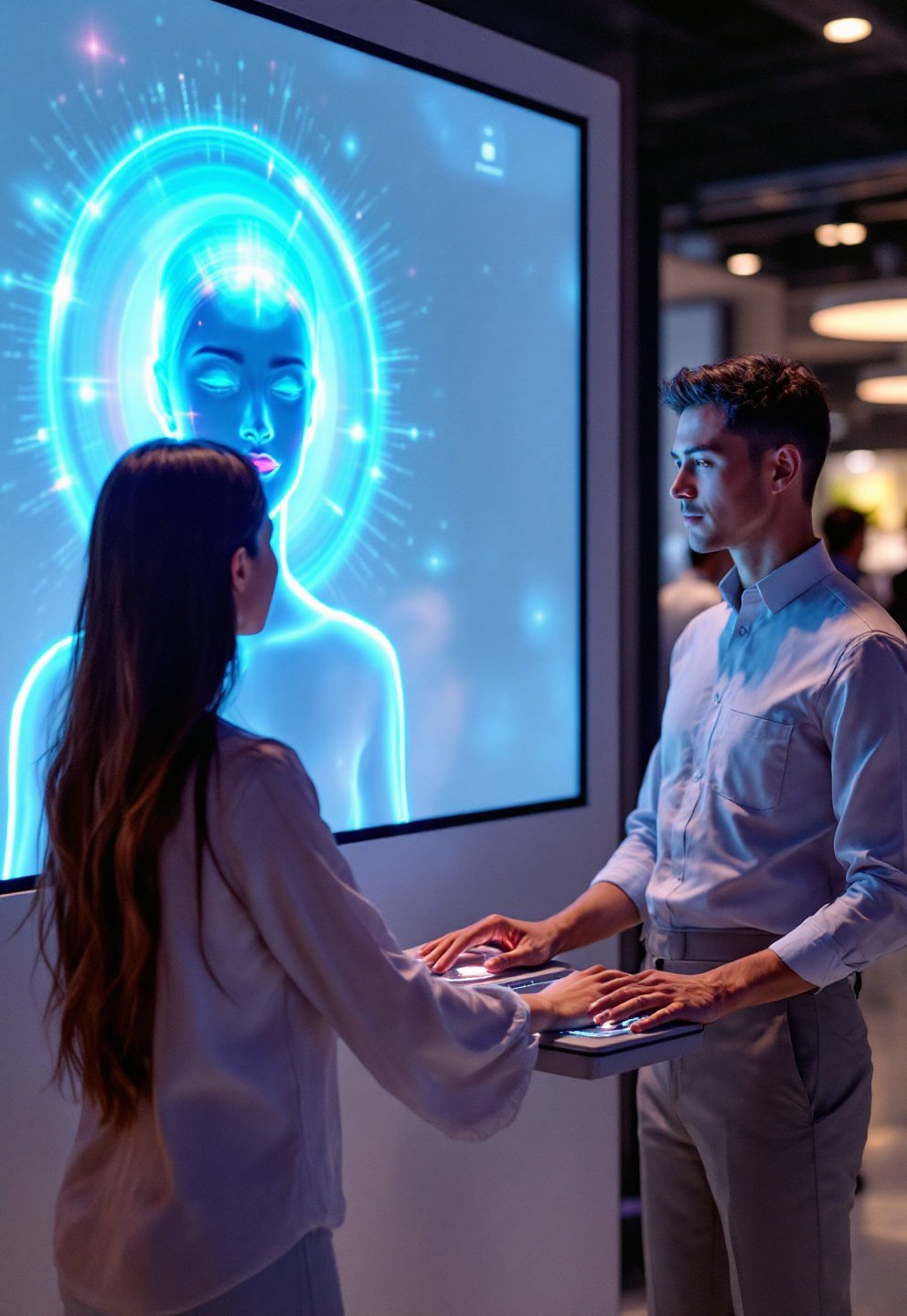
- Guest hand on plate: Hand or palm sensors measure skin temp and electrodermal activity (EDA/GSR).
- Sensor sampling: Signals are sampled and preprocessed—no medical or diagnostic data, just stress/arousal indicators, like any fitness wearable.
- Color mapping/AI: Proprietary logic or generative AI translates sensor input to a digital aura (color + shape visualization).
- Photo capture: Portrait is shot on a digital camera.
- Composite & print/digital delivery: The aura wrap is overlaid around the image for instant print+digital keepsakes; email/SMS for delivery and (optionally) lead generation.
With most setups, all “energy” is representational—no photography of actual auras. Top vendors stay clear: it’s for entertainment and personalization, not health.
Kirlian vs. modern booths: technical, risk, and messaging implications for buyers
The difference isn’t just academic—it shapes the RFP, safety, and insurance needs of your event. Old-school Kirlian setups involved high-voltage (4,000–50,000 V), film, and direct skin contact with electrode plates. Modern AI aura photography uses low-voltage sensor plates and standard camera gear. Key impacts for buyers:
- Risk profile: No high-voltage risk, so venue and guest safety is not an insurance concern (COI requirements typically $2M general liability as with any staffed photo activation).
- Staffing: Modern setups are run by 1–6 staff; Kirlian typically required a technical operator and was never designed for high-throughput events.
- Messaging: Clarity in advance prevents guest disappointment or unintentional “healing” messaging—today’s aura booths are strictly experiential.
If you’re comparing vendor proposals, ask to see their technical safety disclaimers and COI.
Exact 2026 pricing—wedding, corporate, and festival aura photo booth rental costs & throughput
The real numbers (drawn from live vendor listings and contracts):
- Weddings/private parties: $750–1,500 for 3–5 hours with unlimited prints, digital delivery, and basic readings (entry-level up to mid-premium).
- Hourly with readings: $450–2,750/hour (1–6 staff; more staff equals more portraits/hour). Almost always with 2-hour minimum.
- Corporate activations/brand launches: $2,000–8,000+ total; higher ranges cover customized branding, props, and higher throughput (35–115 guests/hour). Large activations (expos, festivals) may drive up to 1,500–3,000 images in a few days—pricing is custom.
- Throughput—your true bottleneck: 15–115 portraits/hour, scaling with staff and whether readings are included. The more “insight” or handholding, the slower.
Examples: A film/TV expo reported 1,500 aura portraits in three days (1,000+ prints). Corporate wellness events with 2 operators see 30–70 guests/hour. Compare to standard photo booths at 45–150 sessions/hour without readings.
Pain points, buyer confusion, and the transparency gaps in aura reading booth event activations
Most online reviews are glowing, but buyer confusion is common behind the scenes:
- Misunderstanding the tech: Some planners (and guests) assume mystical capture or medical readings, when the reality is simple biofeedback-to-color mapping.
- Throughput vs. experience tradeoff: Readings slow down the queue; every extra minute per guest compounds quickly.
- Data privacy silence: Most vendors state they don’t store personal biometric data, but few spell out details on data retention, consent, or what is actually saved.
- Value-per-cost expectations: Aura pricing is premium for experiential depth; if guests only want quick snaps, the uplift is wasted. For heavily social events, combining a standard booth and aura can be more cost-effective.
If you’re pitching this to a finance or IT stakeholder, get clear written statements on sensors used, safety, and privacy/data deletion before signing.
The transparency gaps: vetting aura photography activation brand suppliers with targeted RFP asks
Most vendor sites skip the details planners need to close compliance and risk loops. Here’s what’s often missing—and how to ask for it when vetting an aura portrait booth hire:
- Sensor specs (“What sensor models and biometric parameters do you use? Are sensor readings stored or processed in real time only?”)
- Algorithm disclosure (“Describe your color mapping: is it deterministic logic, AI, or generative art? Can we see sample mappings or output ranges?”)
- Data privacy/compliance (“Share your data retention and deletion policy for both photo and biometric data. Are you GDPR/CCPA compliant? How do you obtain and store guest consent?”)
- Accessibility options (“How do you support guests who can’t use hand sensors—for accessibility or cultural reasons?”)
- Raw sample output (“Can you provide 5–10 unedited guest portraits from similar events—including a base portrait and the generated overlay?”)
- Post-activation reporting (“What performance metrics do you capture? Can you commit to after-action reports including throughput, shares, lead opt-ins?”)
Don’t assume silence means compliance—spell these out in your RFP and compare answers directly.
Engagement benchmarks: AI aura photography vs. classic photo booths
AI aura photography often means higher dwell time, more images per guest, and better sharing rates—but work backward from your goals. Sector data shows:
- Average session time: ~140 seconds per AI/“reading” booth vs. 45 seconds for standard—from field studies.
- Social share rate: 40–60% for AI-based booths (sometimes 3–5x higher than photostrip booths).
- Lead capture (email/SMS): 60–80% opt-in on optimized digital flows—vital for corporate/brand ROI.
- Images per guest: 3–5 for AI booths (composite, animated, and print), 1–2 for basic selfie booths.
- Impression multipliers: Each share = 200–800 social reach (average reported).
If your main KPI is social/reach, pair your aura photography activation brand contract with digital integration (hashtags, branded galleries)—benchmark requests against these stats, not just “list price.”
Plug-and-play ROI math for aura photo booth rental & aura photography corporate wellness event
To justify an aura photo booth activation, use ROI math aligned with experiential norms—and add your own figures for campaign pitch or post-mortem.
- Cost per lead: (Total cost ÷ # leads). AI booths: $2,000 event / 400 leads = $5.00/lead. Top cases see $1.50–5.00/lead.
- Cost per impression: (Total cost ÷ total brand impressions). 300 photo shares × 400 impressions/share = 120,000; $2,000/120,000 = $0.017/impression.
- Earned media value: Impressions × CPM (industry CPM: $7–20). 120,000 × $10 = $1,200 equivalent; adjust for campaign scope.
- Lead/share rates: Plug in your throughput and opt-in numbers: 500 guests, 70% share rate = 350 shares. 60% lead capture = 300 new contacts.
ROI depends on integration: direct to digital galleries, instant post-sharing, and pledged reporting outperform “print only” rentals.
Measurement checklist: KPIs and reports for aura photo booth activation hire
For RFP and post-event analysis, require delivery of:
- Total guests served
- # of portraits captured and printed
- Digital asset delivery count (emails/SMS sent)
- Session duration (average/worst/best-case)
- Social share rate and impressions (with split by channel if possible—Instagram, TikTok, X, etc.)
- Lead capture (opt-in rate, raw lead count)
- Raw sensor logs retention period (or statement of non-retention)
- Comparison to classic photo booth if A/B’d (optional, for brand clients)
This reporting will let you benchmark your event against both photo booth and AI experiential trends (market data here), and make your post-campaign debrief reports bulletproof.
Vendor evaluation and RFP clauses: what to ask, measure, and require in contract
Use these asks for maximum vendor transparency and project success:
- Throughput guarantee: Commitments per hour and required staff ratio to achieve it (15/35/75/115 portraits/hour, staff scaling accordingly).
- Deliverables: Print quantity, digital sharing stations, custom overlays/branding.
- Data privacy: Explicit GDPR/CCPA or local law compliance, photo/biometric data retention policy (“No data stored after event” or specifics by X days).
- Sensor and tech specs: Detail model/class of sensors, AI/visualization type, and any hardware/space requirements.
- COI (insurance): Certificate of insurance (commonly $2M required), shared before deposit.
- Safety disclaimers: Copy for public or guest signage (“This is not a health device,” etc.).
- Reporting cadence: Agreement on post-event KPI delivery (within 7–14 days is best practice).
- Red flags: Vague or absent privacy answers, inability/unwillingness to share sample photos, or refusal to warrant throughput.
For a detailed playbook for integrating with broader entertainment options, see our event entertainment ideas guide.
Quick-pick recommended aura photo booth packages for top event types
For speed, here are default options reflecting 2026 market norms:
- Weddings (75–150 guests): $1,000 for 4 hours; 1–2 staff; unlimited prints; 200+ digital images; 60% share rate.
- Corporate wellness day: $3,000 for 4 hours, 3 staff; 50 prints/hour; branded overlay; detailed lead capture; reporting included. KPI: 180–240 guests, 150+ leads.
- Festival/Expo (multi-day): $6,500 for 3 days, 4 staff, unlimited prints; digital light wall and live counter display; throughput 1,500+ images, 1,000 digital deliveries. Incentivize sharing for campaign uplift.
Bespoke branding and custom AI visuals usually add 20–40% to base price for high-tier clients—specify needs clearly in the first inquiry. For other event-centric comparisons, see our event entertainment package guide.
Legal, privacy, and accessibility essentials for aura reading booth events
Ensure your vendor and scripts cover these basics:
- Consent language: “By participating in this aura photography activation, you consent to biometric data capture (skin sensor readings only) and portrait photography. Data will be used solely for your image and (if opted in) event communications, not for any diagnostic purposes.”
- Safety disclaimer: “This is not a medical device or health assessment. Guests with pacemakers or similar devices may wish to opt out of hand sensors.”
- Email/SMS opt-in: “Check this box if you wish to receive your digital aura photo via email and future brand communications.”
- Accessibility option: “If you cannot or do not wish to use hand sensors, we can provide a standard portrait with generative color visual. Let our staff know.”
Include these in both on-site signage and any digital registration flows. Many vendors still don’t publish retention periods for biometric/photo data—require it in your contract. You can compare other privacy-friendly entertainment options in our silent disco hire guide.
Appendix: sample KPI headers for aura photography event RFPs and reports
- Portraits captured/printed (per hour/by event)
- Average session time (seconds)
- Unique guests served
- Social shares (qty + share rate %)
- Average impressions per share
- Lead capture opt-in: count and rate
- Digital delivery sent
- COI supplied and insurance period
- Data retention policy stated
Paste these into your RFP or post-event deck for apples-to-apples vendor scoring. For wedding planners and venue managers needing more on the current landscape, visit our all-in-one wedding venue and corporate wellness venue hire resources.
What’s the main difference between “aura photography event” booths and traditional Kirlian photography?
Modern aura photo booth activation hire uses low-voltage biofeedback sensors and a digital camera, with software creating the colored aura around guest portraits. Kirlian setups used high-voltage electrical discharge and film—unsafe for events and not suited to high guest throughput.
What exact metrics should I require from my aura photo booth vendor after the event?
Request a post-event report with: total portraits taken, digital shares/emails sent, session duration, unique guests served, social media share rates, lead capture opt-ins, any sensor data retention period, and a comparison to your throughput expectation.
Is there a minimum package or hour requirement when hiring an aura photo booth for a wedding or brand event?
Nearly all vendors require a 2-hour minimum booking. For weddings, packages start at $750–1,500 for 3–5 hours. Throughput expectations clarify how many guests can participate in the booked span.
Does aura photography store my guests’ private biometric data?
Vendors typically use hand sensor readings (skin temp and EDA) in real time to generate the aura effect, but most do not store the raw biometric data. Always request their explicit privacy and data retention statements before signing.