Gallery Venue Hire: Hosting Your Event Surrounded by Art
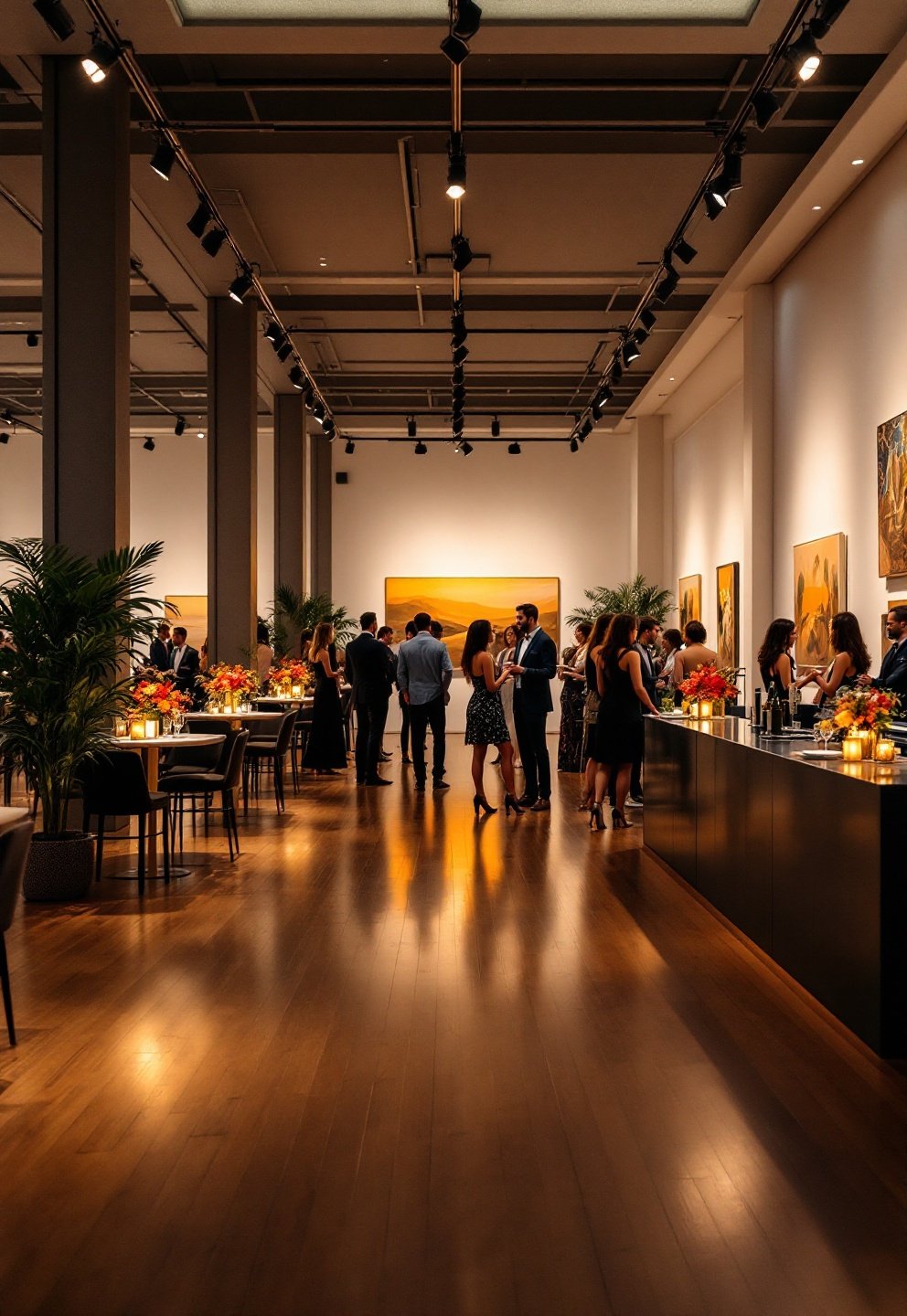
What does it actually cost to host 120 guests surrounded by art—$3,000 or $50,000? Both are real numbers depending on the space, which is why a gallery venue hire event deserves a planner-ready playbook: straight to pricing, timelines, logistics, and pitfalls, with none of the vague lifestyle fluff. For the wider workflow, browse the Eventory blog, our Ultimate Event Planning Guide, or curated event inspiration ideas.
Key Takeaways
- Transparency on gallery and museum event hire costs, logistics, inclusions and pitfalls saves time and prevents budget surprises.
- Top gallery venues provide flexible layouts, sample packages, curated add-ons, and have clear accessibility and conservation rules.
- Use checklists, calculators, and floorplan templates to streamline planning—don’t rely on generic venue listings.
- What Makes Gallery Venues Different from Standard Event Spaces
- Booking a Gallery Event: From Inquiry to Event Night
- Hidden Fees and Gallery-Specific Pitfalls to Watch For
- Planning a Gallery Event Without Surprises
- FAQ Section
What Makes Gallery Venues Different from Standard Event Spaces
Booking a gallery venue hire event is different from securing a hotel ballroom or blank space. While galleries offer built-in ambiance, unique photo opportunities, and the cachet of surrounding art, they also have stricter conservation rules, specific capacities, and less predictable inclusions. The market for gallery event hire is booming—venue rental is a growing $60.16 billion segment [1], with premium, unconventional venues among the most sought after choices for weddings, product launches, and curated social events.
Most event planners and private clients gravitate toward these venues because they want something different, but the realities are often glossed over in slick photos. This guide is designed to cut through the noise—explaining not just how much you’ll pay, but what you get, how limitations work, and how to book with speed and confidence. Looking for décor and styling ideas? The event inspiration ideas page curates real examples. For complete project management, our Ultimate Event Planning Guide is a one-stop solution.
Why galleries and museums? Demand for premium, experiential venues is rising quickly—weddings alone have venues capturing about $8,500–$14,300 (24–40%) of budgets. Corporate buyers want venues that “actively support connection, collaboration, and engagement” [2]. For planners who value design, authenticity, and guest impact, galleries tick all boxes—but only if you approach the process with your eyes wide open.
Booking a Gallery Event: From Inquiry to Event Night
Here’s exactly how to book a successful gallery venue hire event, from inquiry to flawless execution—without hidden fees or last-minute surprises.
-
Clarify your event vision and guest count first.
Decide on core goals (wedding, product launch, networking, private party) and know your must-have guest range. Use the guest list calculator to avoid costly re-runs of the floor plan due to fluctuating RSVP numbers. -
Establish a working budget.
Most galleries and museums operate on space-only pricing plus mandatory service charges. Use the event budget calculator to plug in realistic starting prices ($3K–$8K for smaller spaces, up to $50K for museum buyouts). Don’t forget line items for AV, security, staffing, and cleaning. -
Shortlist venues based on published logistics—NOT just style shots.
Look for galleries that publish: real capacities (by standing, seated, and theater), floor plans, accessibility information, AV specs, and catering rules. Sites listing only “open gallery, max 120 people” are red flags. -
Check availability for your desired date.
Many galleries book out 6–18 months for weekend weddings and as little as 2–6 weeks for weekday or corporate packages. Always confirm event load-in, setup, and breakdown window flexibility. -
Request a sample package or cost breakdown (before a site visit).
The best venues will provide an itemized cost breakdown for your desired event type—a realistic all-in price (not just “from $4,000”). -
Book a walkthrough and clarify all rules.
Take your own accessibility and AV audit checklist. Ask to see where vendors load in, how artwork is protected during events, and get answers on catering (can you choose your own, or are you restricted to “preferred” partners)? Use the event catering calculator for quick food & beverage projections. -
Lock-in core vendors with clear insurance and logistics documentation.
Share all gallery-provided restrictions with your vendors—especially décor, florals, AV, and catering teams. Misunderstandings here are the #1 cause of last-minute headaches. -
Confirm contract details: all-in cost, overtime fees, security/staffing, and cleaning surcharges.
Use a downloadable contract checklist (see Section 3 below). -
Coordinate event setup, arrival, and breakdown with minute-by-minute timelines.
Most galleries and museums have strict opening/closing schedules—align your vendors accordingly, and have a backup plan for items left behind after your window closes.

For efficient quoting and planning, use the plan your event app for a checklist-driven workflow that tracks bookings, holds, and vendor confirmations in one place.
Hidden Fees and Gallery-Specific Pitfalls to Watch For
Even the most experienced planners run into avoidable headaches when booking a gallery or museum. Here’s what the research data reveals—plus how to avoid classic stumbling blocks that cost time, money, or guest satisfaction.
- Hidden costs: Many venues omit security, cleaning, late-night load-out, or art conservator presence fees from the “headline” quote. Always request an all-in cost and check for service charges, damage deposits, or union staffing.
- Conservation & protection constraints: Open flames, affixing décor to walls, red wine, confetti, and amplified bands are routinely restricted to protect artworks. Some venues restrict food to certain rooms or prohibit certain types of lighting. Enforcement is generally strict.
- Capacity misunderstanding: Max guest counts often sound generous, but may drop significantly for seated dinners or AV-heavy layouts. Always insist on seeing sample floorplans—not just square footage numbers.
- Accessibility oversights: Step-free claims and ADA logos are common, but actual elevator sizes, bathroom access, and inclusive routing are less often tested. Confirm details on-site; some historic galleries offer limited accessibility.
- AV and tech surprises: Most galleries have basic sound systems and a single display, but hybrid/streaming or advanced needs require approved external vendors (with add-on costs, scheduling logistics, and insurance requirements).
- Vendor bottlenecks: “Preferred only” caterer and AV lists may be non-negotiable or charge steep markups. Always clarify open vendor policies and get pre-approval before contracting your own suppliers.
| Issue | What to Check | Solution/Checklist |
|---|---|---|
| Hidden Fees | Are security, cleaning, and late/OT fees listed? | Download our contract checklist. Insist on itemized all-in quote before signing. |
| Artwork/Conservation Rules | List of prohibited items, décor, food, and open flame? | Share full rules with your vendors and confirm insurance/specs in writing. |
| Capacity Gaps | Realistic capacity by event type/layout? | Request sample floorplans and touring with realistic setups. |
| Accessibility | True elevator, restroom, and step-free routes? | On-site walkthrough with checklist—don’t rely on phone/email assurances. |
| AV/Tech Shortfalls | Is sufficient AV provided for your event’s needs? | Budget for external AV if complex presentations or hybrid are required; get early approval for setups. |
When evaluating products for your event (from tableware to portable PA systems), check objective product reviews to avoid last-minute quality issues or vendor delays.
For real examples of creative layouts, costed timelines, and unique solutions (e.g., limited décor needs, using curatorial add-ons), see the Eventory blog.
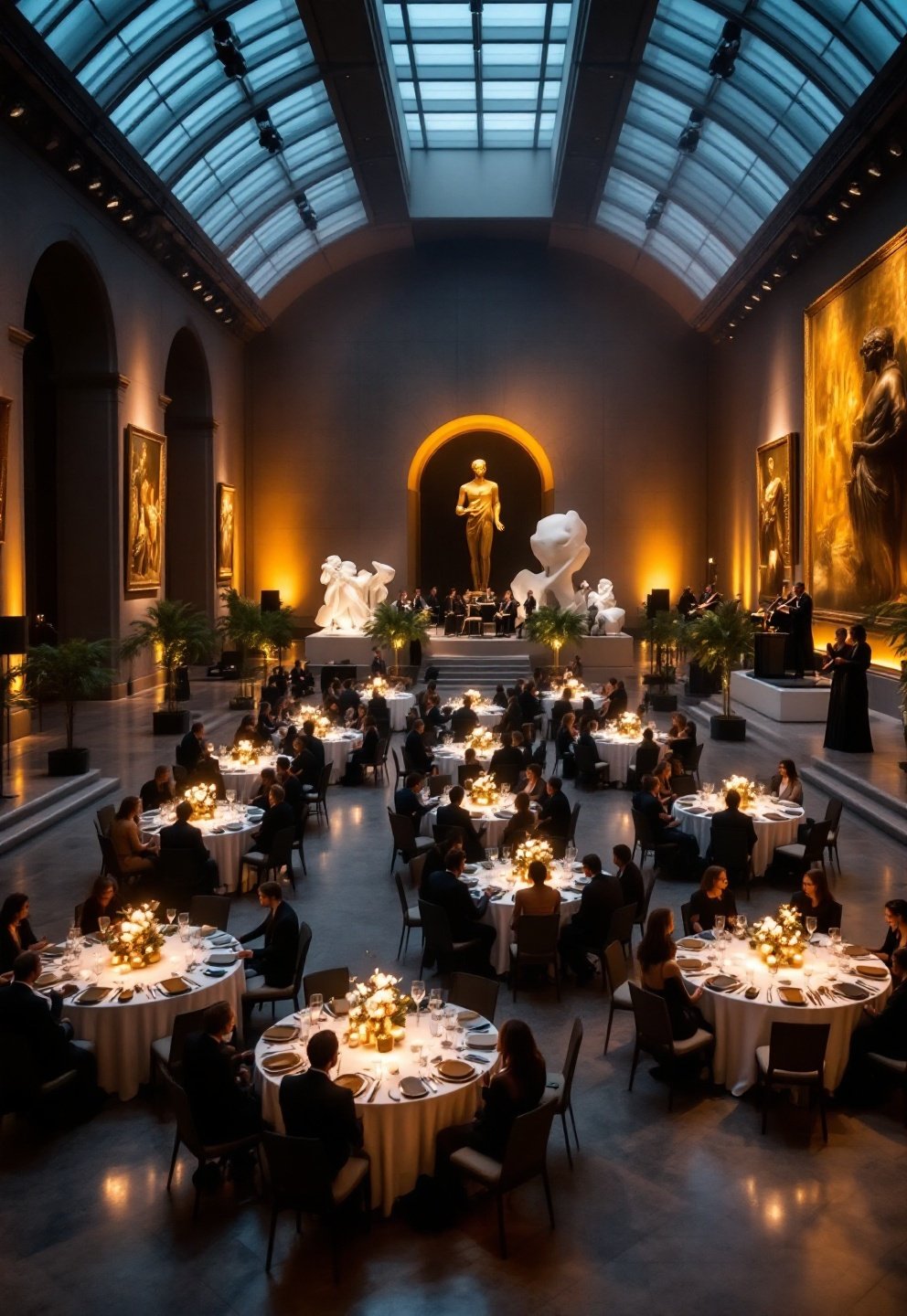
Bonus: Downloadable contract and hidden-fee checklist—grab it before you sign so you don’t overlook conservation surcharges or security deposit policies. Advanced planners use the Ultimate Event Planning Guide for all necessary contract templates and risk management slides.
Planning a Gallery Event Without Surprises
Booking a gallery venue hire event should be a high-impact, low-surprise process if you know what to look for: itemized pricing, clear floorplan scenarios, gallery-specific operational rules, and proven accessibility logistics. Don’t settle for generic venue listings. Use checklists, calculators, and real event templates to plan smarter and maximize experiential value for your guests—whether you’re managing a luxury wedding, curated corporate offsite, or birthday gallery buyout.
Ready to put this in action? Run your numbers with our event budget calculator and access realistic, actionable package breakdowns with our Ultimate Event Planning Guide. For curated examples and up-to-date insights, head to the Eventory blog.
FAQ Section
Can I bring in my own caterer or band for a gallery event?
Most galleries require you to use a preferred caterer or approve external vendors in advance with proof of insurance. Bands and live music are usually permitted with sound limits—check on open flame and amplification restrictions, especially near artworks.
What’s the typical guest capacity for a gallery venue hire event?
It varies by layout. Small galleries host 30–80 for seated dinners or 50–120 standing; larger museums may allow 150–500+ for full buyouts. Always confirm real numbers with sample floorplans, not just marketing language.
What are common hidden fees in gallery contracts?
Typical hidden fees include mandatory security, cleaning surcharges, damage deposits, overtime (late load out), conservation staff, and service/processing charges. Always ask for an all-in itemized quote.
Is the venue accessible for all guests?
Some galleries and museums offer step-free access, but elevator/restroom sizes vary widely—especially in historic sites. Insist on detailed accessibility information and, if possible, confirm in person before booking.
Can I do live streaming or hybrid events in a gallery?
Basic streaming is possible in venues with fast WiFi and standard AV. For complex hybrid setups, you’ll usually need external AV vendors with advanced gear—check with the venue for compatibility and additional costs.