Wedding Trends 2026: The Future of Luxury Celebrations

The wedding industry continues to evolve every year, and 2026 is bringing a new wave of creativity, elegance, and personalized experiences. Modern couples are moving beyond traditional celebrations and focusing on immersive, emotional, and visually unforgettable weddings that reflect their personalities and lifestyles.
From luxury outdoor venues to minimalist aesthetics and interactive guest experiences, wedding trends in 2026 combine sophistication, technology, and authenticity to create magical celebrations that guests will remember forever.
1. Minimalist Luxury Weddings
One of the biggest wedding trends in 2026 is minimalist luxury. Couples are choosing elegant and refined designs instead of overly crowded decorations.
Key characteristics include:
- Neutral color palettes
- Clean floral arrangements
- Elegant table settings
- Sophisticated lighting
- Soft textures and fabrics
- Modern architecture-inspired decoration
Colors such as ivory, champagne, beige, sage green, and soft gold dominate modern wedding aesthetics.
2. Outdoor and Destination Weddings
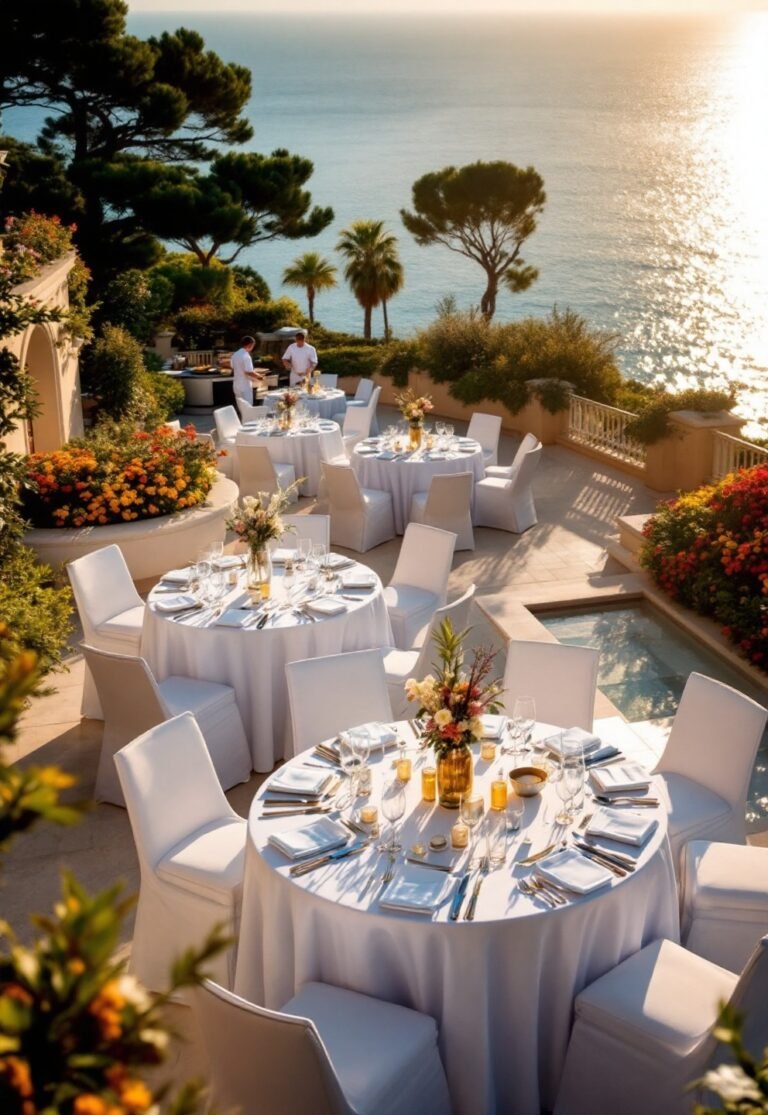
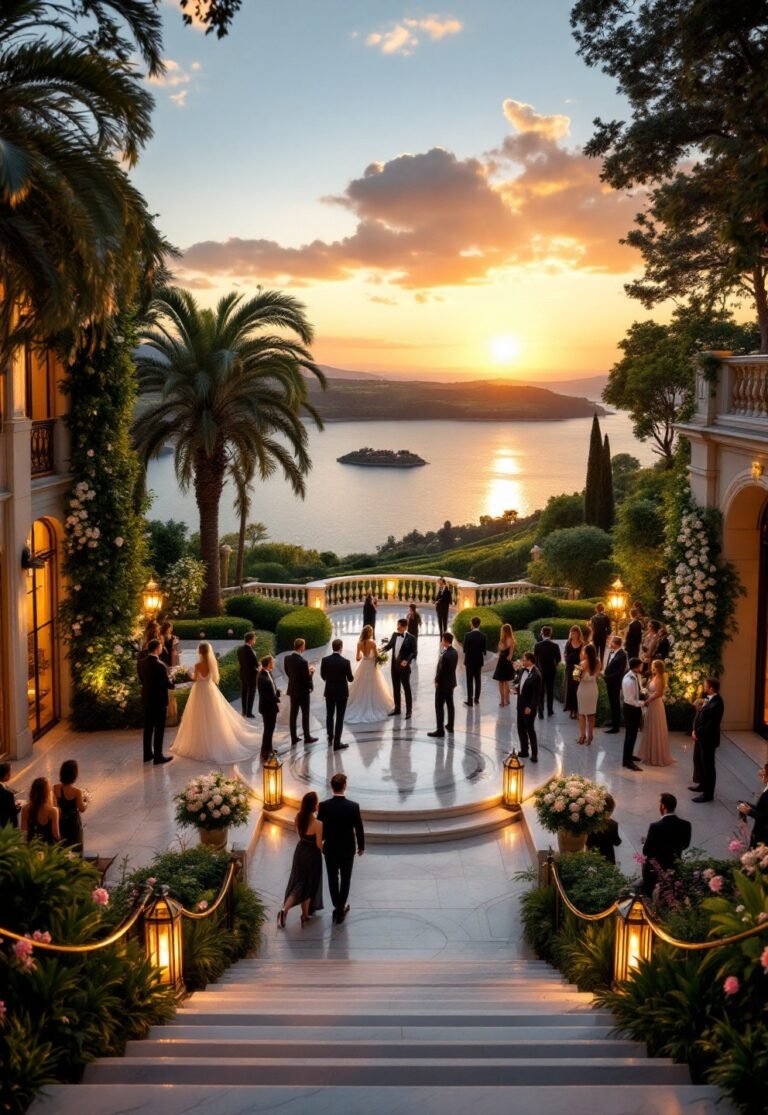
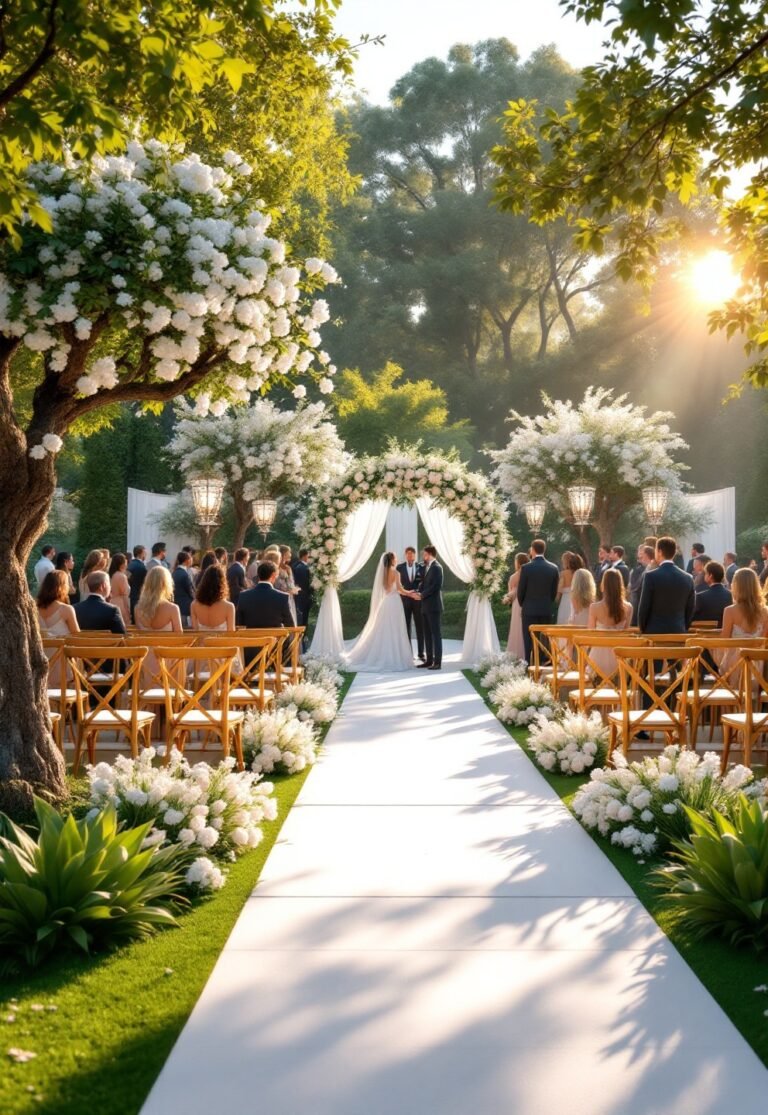
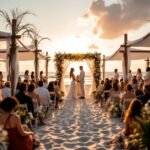
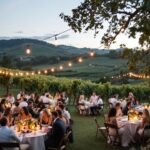
Outdoor weddings continue to rise in popularity in 2026. Couples are looking for natural beauty, open-air experiences, and breathtaking landscapes.
Popular outdoor wedding locations include:
- Beaches
- Gardens
- Rooftops
- Luxury resorts
- Mountainside venues
- Desert-inspired locations
Destination weddings are also becoming more intimate and experience-focused, combining celebration with travel and relaxation.
3. Immersive Guest Experiences
Modern weddings are no longer only about decoration — they are about creating unforgettable experiences for guests.
Trending guest experiences include:
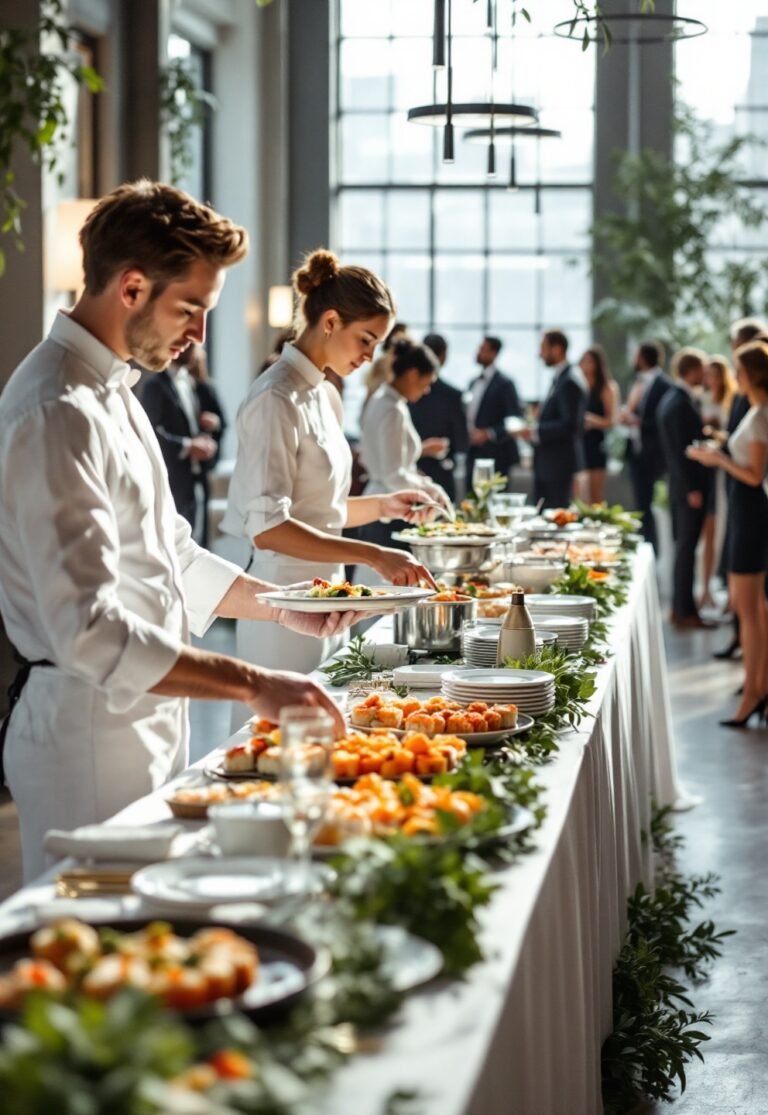
- Interactive food stations
- Live entertainment
- Personalized welcome gifts
- Luxury lounge spaces
- Digital photo experiences
- Fireworks and light shows
- Customized cocktails and menus
Couples want guests to feel emotionally connected and fully immersed in the celebration.
4. Statement Floral Installations
Flowers remain central to wedding decoration, but in 2026 floral designs are becoming more artistic and dramatic.
Popular floral trends include:
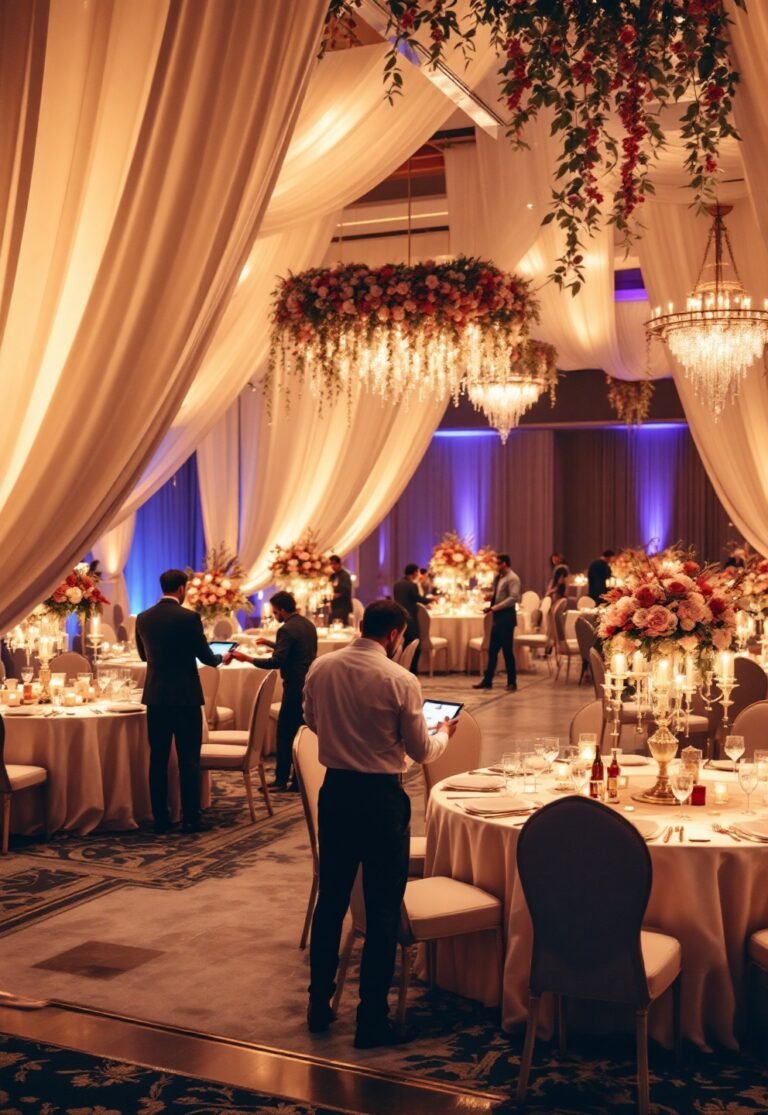
- Hanging floral ceilings
- Floral tunnels and arches
- Oversized centerpieces
- Garden-inspired stages
- Mixed fresh and dried flowers
- Asymmetrical arrangements
These installations create breathtaking visual impact and luxurious atmospheres.
5. Personalized Weddings
Personalization is one of the strongest trends of 2026. Couples are designing weddings that reflect their unique stories and identities.
Examples include:
- Customized signage
- Personalized vows and speeches
- Signature drinks
- Custom wedding logos
- Unique table names
- Interactive guestbooks
- Tailored music playlists
Modern weddings focus on authenticity and emotional connection rather than simply following traditions.
6. Luxury Lighting Concepts
Lighting design is becoming a major focus in wedding production.
Popular lighting trends include:
- Warm ambient lighting
- Fairy lights and candles
- Dynamic dance floor lighting
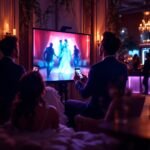
- Projection mapping
- LED installations
- Romantic sunset-inspired tones
Lighting helps transform venues and creates magical atmospheres throughout the celebration.
7. Sustainable Weddings
Eco-friendly weddings are becoming increasingly important for modern couples.
Sustainable wedding trends include:
- Locally sourced flowers
- Eco-friendly invitations
- Reusable decoration
- Sustainable catering
- Reduced waste concepts
- Digital guest experiences
Couples are focusing on luxury while remaining environmentally conscious.
8. Fashion Trends for 2026 Weddings
Wedding fashion is evolving toward elegance, simplicity, and individuality.
Popular bridal trends include:
- Minimalist dresses
- Pearl details
- Detachable sleeves and skirts
- Satin fabrics
- Structured silhouettes
- Soft romantic veils
Grooms are also embracing modern tailored styles with neutral and earthy tones.
9. Social Media-Friendly Weddings
In 2026, weddings are increasingly designed with photography and social sharing in mind.
Trending visual elements include:
- Luxury photo corners
- Floral backdrops
- Artistic seating plans
- Aesthetic table styling
- Cinematic lighting
- Drone photography
Couples prioritize visually memorable moments that look stunning both in person and online.
How to Use 2026 Trends Without Dating Your Wedding
Trends are useful for ideas, but a wedding planned entirely around one year’s look can feel dated in the photos within a few years. A simple rule helps: choose one or two trends that genuinely suit you, and apply them to the parts of the day you hire rather than buy.
- Ask the ten-year question. Will you still like this in your photos in ten years? Neutral palettes, good lighting and personal details usually pass; very specific colour or prop trends often do not.
- Put trends in temporary elements. Lighting, table styling, signage and a photo corner can carry a trend. Your dress, venue and ceremony are better kept timeless.
- Pick one statement, not five. A floral ceiling, a projection show and a drone show in the same evening compete for attention and for budget. One well-executed feature has more impact.
- Match the trend to the venue. Minimalist styling suits modern spaces; dramatic florals and candlelight suit historic rooms and barns. Fighting the venue’s character costs more and looks forced.
What These Trends Mean for Your Budget and Timeline
Several of the trends above carry practical requirements that are easy to miss when you see them on social media. Check these before you commit:
- Statement floral installations: book the florist 9–12 months ahead for peak dates. Hanging pieces need the venue’s permission for rigging points and extra set-up and strike time, which can mean paying for an earlier access slot.
- Lighting and projection: ask the venue about power supply, in-house AV restrictions and noise or light curfews. Projection mapping needs a suitable wall or ceiling and a darkened room.
- Outdoor and destination weddings: budget for a wet-weather backup, ground matting, heaters or shade, and any local permits. Our guide to rooftop venues, permits and weather backups lists what to confirm.
- Interactive food stations: each station usually needs its own staff member and floor space. Ask the caterer how many guests each station can serve per hour so queues do not form.
- Sustainable choices: hiring decor, using seasonal local flowers and sending digital invitations often save money as well as waste. Ask suppliers what they reuse and what is thrown away after the day.
Whichever trends you choose, add each one as its own line in an event budget built from real quotes so the cost is visible from the start, not discovered after the deposit.
A Simple Trend Planning Checklist
- Choose one or two trends that suit you and your venue
- Confirm venue rules on rigging, candles, power and noise
- Get written quotes including set-up, strike and VAT
- Book specialist suppliers early for peak dates
- Plan a weather backup for any outdoor element
- Add trend features to your day-of run sheet with timings and a named supplier contact
Conclusion
Wedding trends in 2026 focus on elegance, personalization, immersive experiences, and emotional storytelling. Modern couples are creating celebrations that feel luxurious yet authentic, combining stunning design with meaningful moments.
From outdoor destination weddings and dramatic floral installations to sustainable concepts and interactive guest experiences, the future of weddings is all about creating unforgettable celebrations that reflect love, individuality, and modern sophistication.
Frequently Asked Questions
Which 2026 wedding trend gives the most impact for the budget?
Lighting. Warm, layered lighting changes how the whole room looks and photographs, and it usually costs less than large floral installations.
Are minimalist weddings cheaper?
Not always. Minimalist luxury relies on fewer but higher-quality items, so costs move from quantity to quality. They are often easier to set up and strike, which can save on labour.
How do I tell suppliers which trends I want?
Share three to five reference images per element and say what you like about each one. Ask the supplier what is realistic for your venue, date and budget before you approve a design.