Entertainment Event : Complete Guide to Creating Unforgettable Experiences in 2026
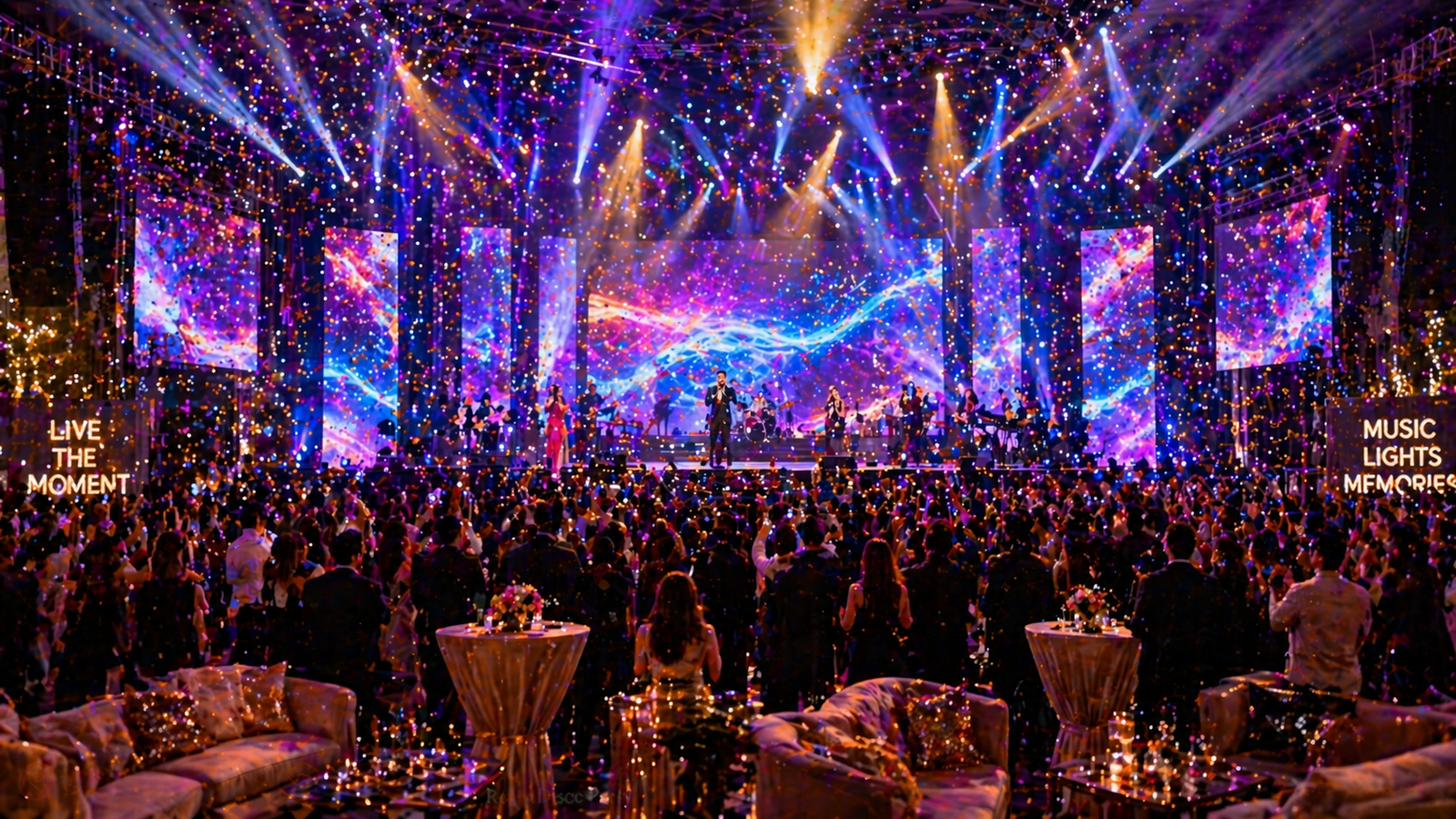
Table of Contents
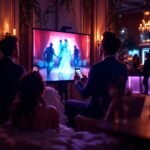
An Entertainment event is designed to bring people together through excitement, creativity, music, performances, and immersive experiences. From concerts and festivals to private parties, live shows, and luxury entertainment experiences, these events create moments filled with energy, emotion, and unforgettable memories.
Modern entertainment events go far beyond traditional performances. Today’s audiences expect visually impressive productions, interactive experiences, high-quality lighting and sound, and engaging atmospheres that create emotional connections and social experiences.
Why Entertainment Events Matter
Entertainment events play an important role in social interaction, celebration, culture, and relaxation.
Benefits of entertainment events include:
- Bringing people together
- Creating memorable experiences
- Promoting creativity and culture
- Encouraging social interaction
- Boosting brand and event visibility
- Providing emotional and immersive experiences
Well-organized entertainment events leave lasting impressions and create strong emotional engagement with audiences.
Types of Entertainment Events
1. Concerts and Music Festivals
Concerts and festivals are among the most popular entertainment events worldwide.
Popular features include:
- Large stages and LED screens
- Professional sound systems
- Live performers and DJs
- Interactive lighting effects
- VIP lounge areas
- Fireworks and special effects
Music events focus heavily on atmosphere, crowd energy, and visual production.
2. Private Entertainment Parties
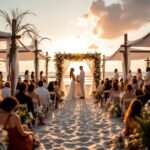
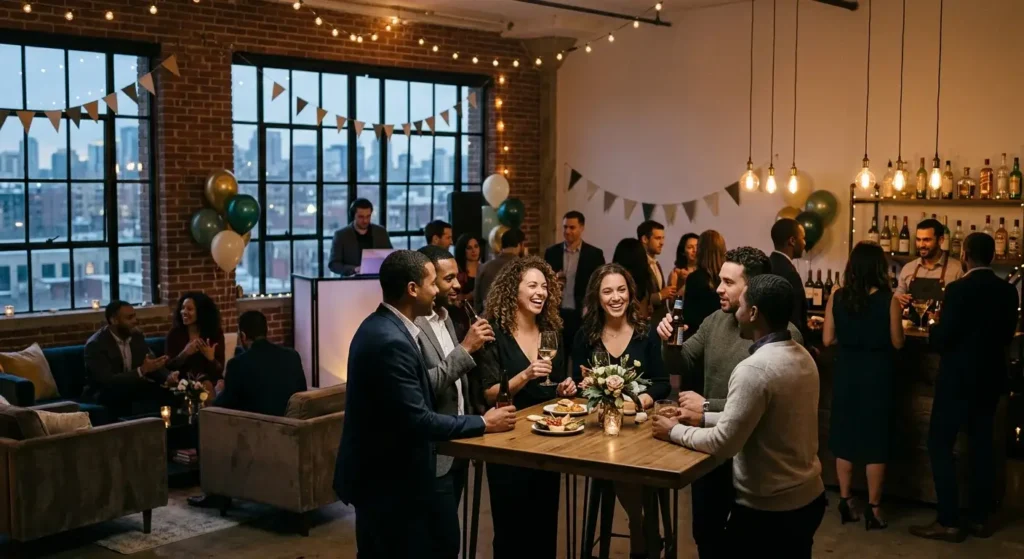
Private entertainment events are organized for birthdays, weddings, engagements, and luxury celebrations.
Common entertainment options include:
- DJs and live bands
- Dance performances
- Interactive games
- Photo booths
- Fire dancers and performers
- Live instrumental music
These experiences help create exciting and unforgettable celebrations for guests.
3. Cultural and Artistic Events
Cultural events celebrate creativity, heritage, and artistic expression.
Examples include:
- Art exhibitions
- Theater performances
- Fashion shows
- Dance festivals
- Cultural celebrations
- Live painting experiences
These events combine entertainment with artistic and cultural appreciation.
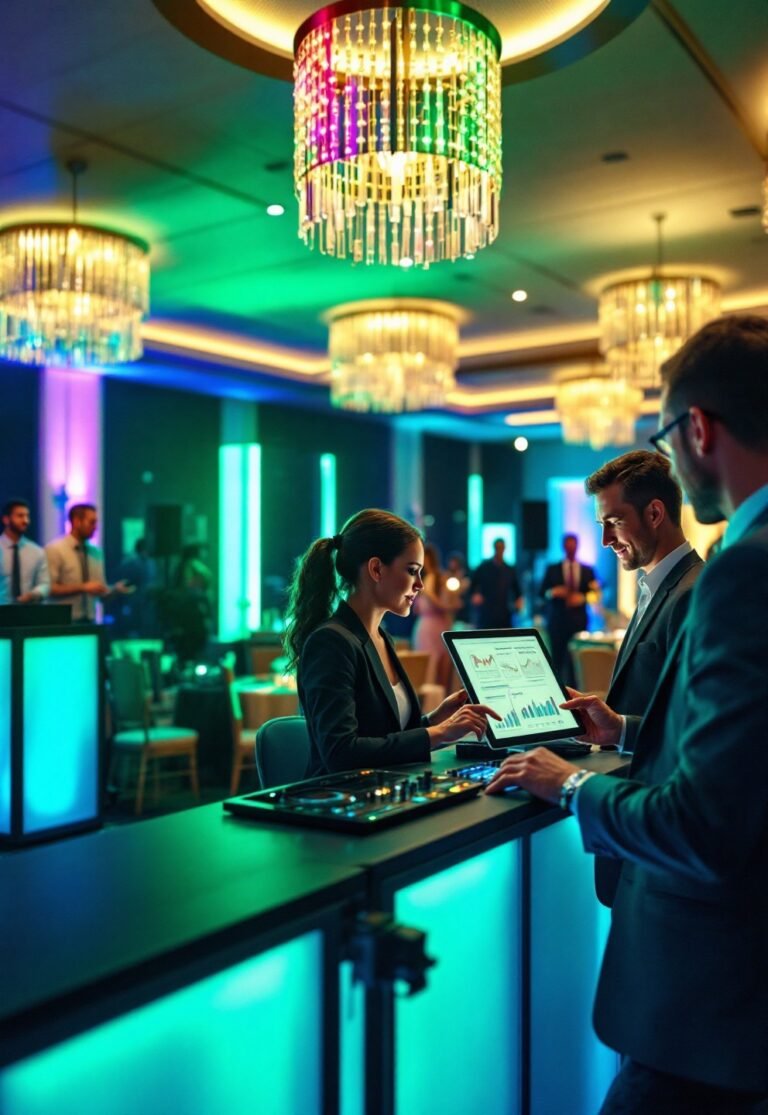
4. Corporate Entertainment Events
Companies often organize entertainment-focused events to improve employee engagement and strengthen professional relationships.
Popular corporate entertainment ideas include:
- Gala dinners
- Award ceremonies
- Team-building entertainment
- Interactive experiences
- Live performances
- Networking lounges
These events combine professionalism with fun and engagement.
5. Family Entertainment Events
Family-friendly entertainment events focus on creating experiences for all age groups.
Popular family entertainment includes:
- Carnival festivals
- Kids’ shows
- Outdoor cinema nights
- Theme park events
- Interactive workshops
- Holiday celebrations
These events create joyful environments for families and children.
Entertainment Event Trends in 2026
Entertainment experiences continue evolving with modern technology and immersive concepts.
Trending entertainment event ideas include:
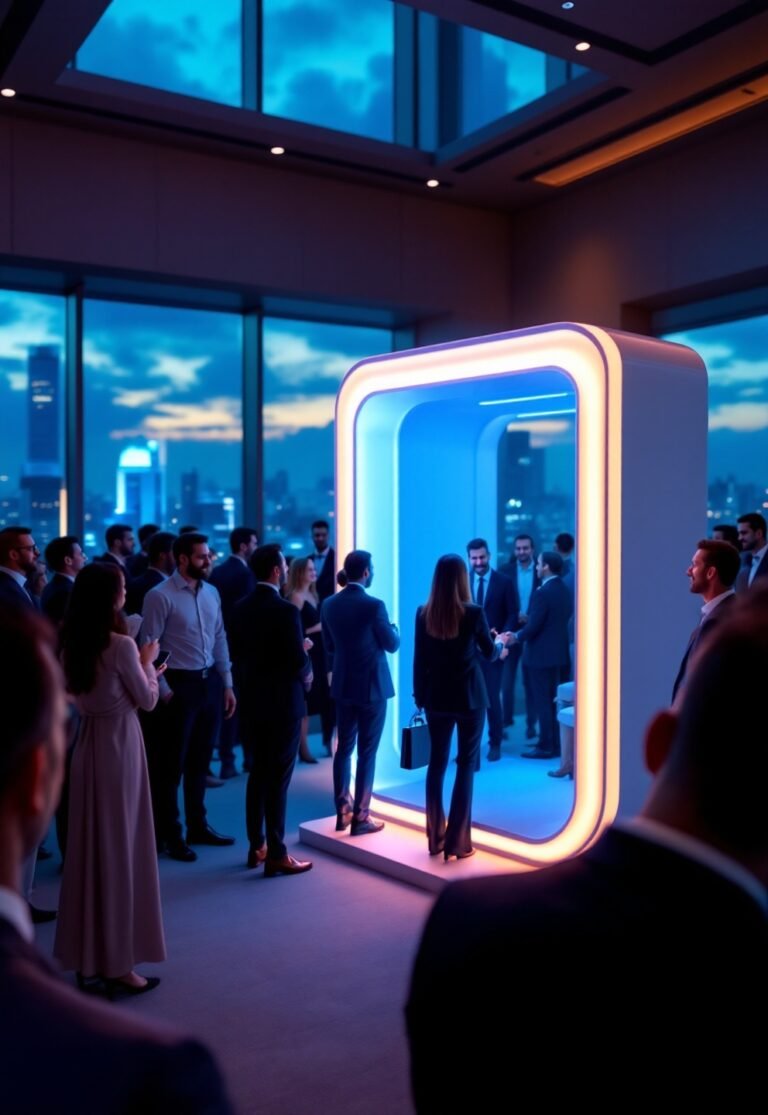
- Interactive digital experiences
- AI-powered visual shows
- Immersive LED lighting
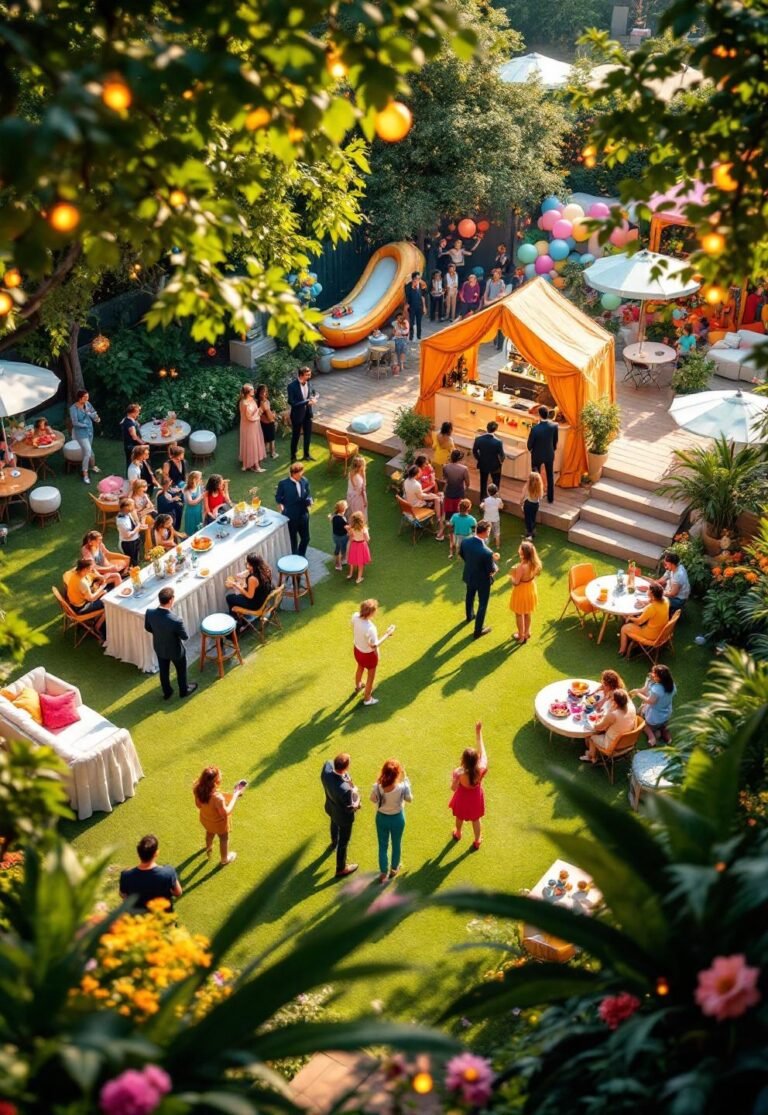
- Luxury outdoor festivals
- Hybrid physical and virtual events
- Social media-friendly setups
- Personalized guest experiences
- Experiential installations
Audiences now expect events to feel cinematic, engaging, and visually extraordinary.
The Importance of Lighting and Sound
Lighting and sound are essential elements in entertainment event production.
Popular lighting concepts include:
- Dynamic stage lighting
- Laser effects
- LED walls
- Ambient lighting
- Projection mapping
- Fire and spark effects
Professional sound systems ensure audiences fully enjoy performances and experiences.
Event Decoration and Atmosphere
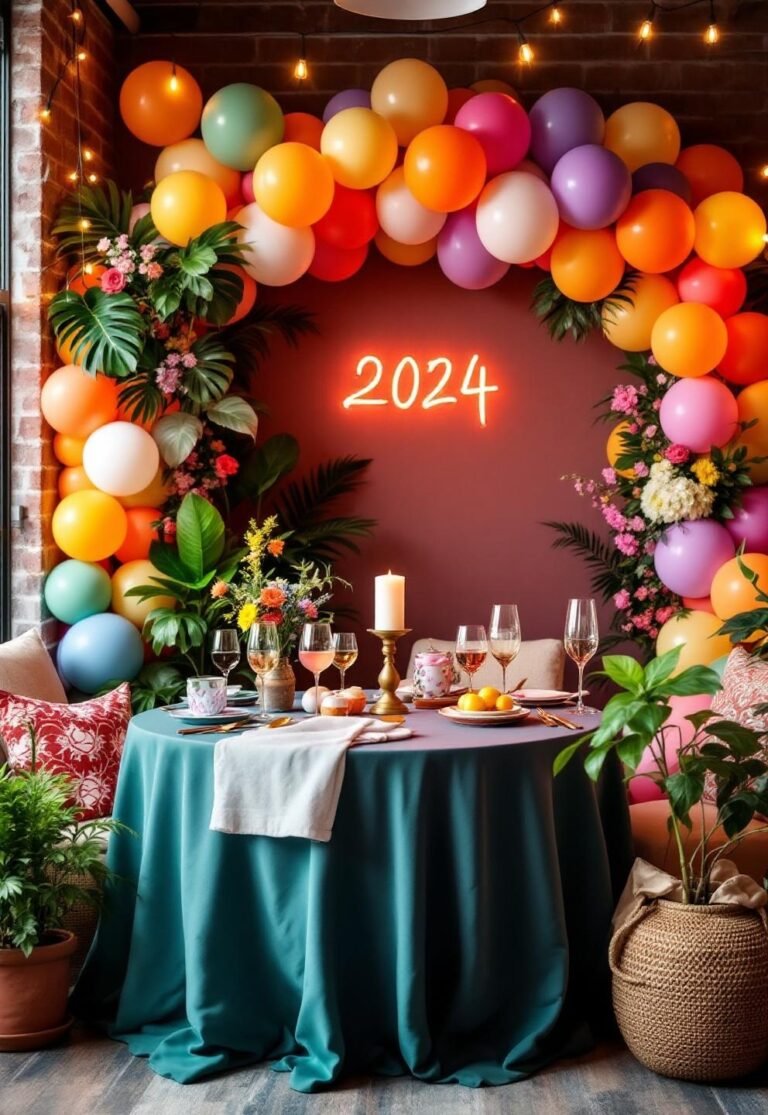
Decoration plays a major role in shaping entertainment experiences.
Trending decoration styles include:
- Futuristic designs
- Luxury lounge spaces
- Neon and glow concepts
- Themed immersive environments
- Elegant floral installations
- Minimalist modern aesthetics
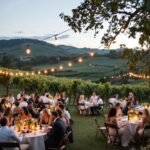
Atmosphere is one of the most important aspects of successful entertainment events.
Food and Hospitality
Food and beverage experiences have become key parts of entertainment events.
Popular catering concepts include:
- Luxury food stations
- Cocktail bars
- Interactive dining experiences
- Gourmet desserts
- VIP catering lounges
- Festival food trucks
Modern events combine entertainment with premium hospitality experiences.
Tips for Organizing Successful Entertainment Events
Understand the Audience
The event should match the interests and expectations of attendees.
Focus on Guest Experience
Comfort, entertainment flow, and interaction are essential.
Invest in Production Quality
Professional lighting, sound, and staging elevate the experience.
Create Shareable Moments
Photo corners and immersive setups encourage social media engagement.
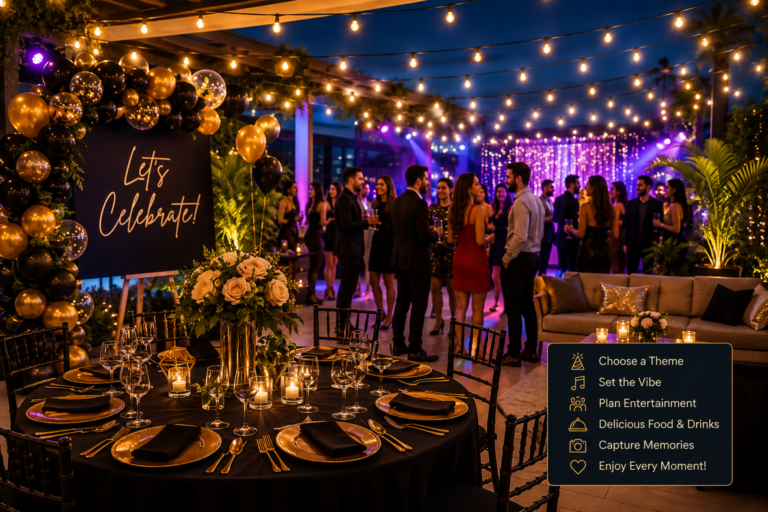
Plan the Atmosphere Carefully
Music, decoration, and lighting should work together to create emotional impact.
Conclusion
Entertainment events are all about creating energy, emotion, and unforgettable experiences. Whether organizing concerts, luxury parties, cultural festivals, or corporate entertainment gatherings, successful events combine creativity, technology, atmosphere, and audience engagement.
In 2026, entertainment events continue evolving toward immersive, visually stunning, and highly interactive experiences that captivate audiences and create lasting memories.
- Meeting Professionals International (MPI)
- https://www.eventory.agency/table-centerpiece-ideas-guide/
- https://www.eventory.agency/venue-setup/
- International Live Events Association (ILEA)
- BizBash Event Industry Trends
How to Plan a Successful Entertainment Event
Whether you are organizing a private party, a corporate entertainment evening, or a large public event, successful planning requires attention to several key elements:
- Define Your Entertainment Vision: What experience do you want guests to have? Energetic and high-energy, relaxed and intimate, educational, or immersive? Your entertainment concept should align with your event goals and audience profile.
- Book Entertainment Early: Top performers, bands, DJs, and entertainers get booked months in advance, especially for weekend events. For popular acts, plan 6-12 months ahead.
- Match Entertainment to Your Audience: A corporate crowd may appreciate a comedian or motivational speaker differently than a private birthday group. Research your guest demographics and choose entertainment with broad appeal unless you know your audience well.
- Plan Technical Requirements: Every entertainment act has technical specifications: stage size, lighting rigs, sound requirements, green room needs, and load-in time. Confirm these early to avoid day-of conflicts.
Entertainment Event Budget Planning
Entertainment is often one of the largest cost drivers in event budgeting. Here is how to plan your entertainment spending effectively:
- Live Band (4-6 piece): $2,000-$15,000+ depending on reputation, location, and duration.
- DJ: $500-$5,000 for professional event DJs with lighting and sound equipment.
- Comedian or Speaker: $500-$20,000+ depending on profile and engagement type.
- Photo Booth: $600-$1,500 for a 3-4 hour rental with attendant and prints.
- Magician or Close-Up Entertainment: $400-$3,000 depending on performance style and duration.
- Production and AV: Budget 15-25% of your total event budget for professional sound, lighting, and stage production.
Frequently Asked Questions About Entertainment Events
What is the most popular type of entertainment for corporate events in 2026?
Live music, interactive experiences (escape rooms, cooking challenges, team quizzes), and motivational speakers are consistently the top choices for corporate entertainment. Experiential formats that encourage participation outperform passive entertainment in guest satisfaction surveys.
How do I ensure my entertainment event runs on schedule?
Assign a dedicated event manager or master of ceremonies to manage timing. Create a detailed run-of-show document listing every segment with exact start and end times. Brief all entertainers and venue staff on the schedule at least one hour before the event begins.
Can I mix different types of entertainment at one event?
Absolutely. Many successful events combine a DJ set for background music with a live act for a headline performance, plus close-up entertainers circulating among guests during cocktail hour. The key is sequencing entertainment logically to build energy progressively through the event.