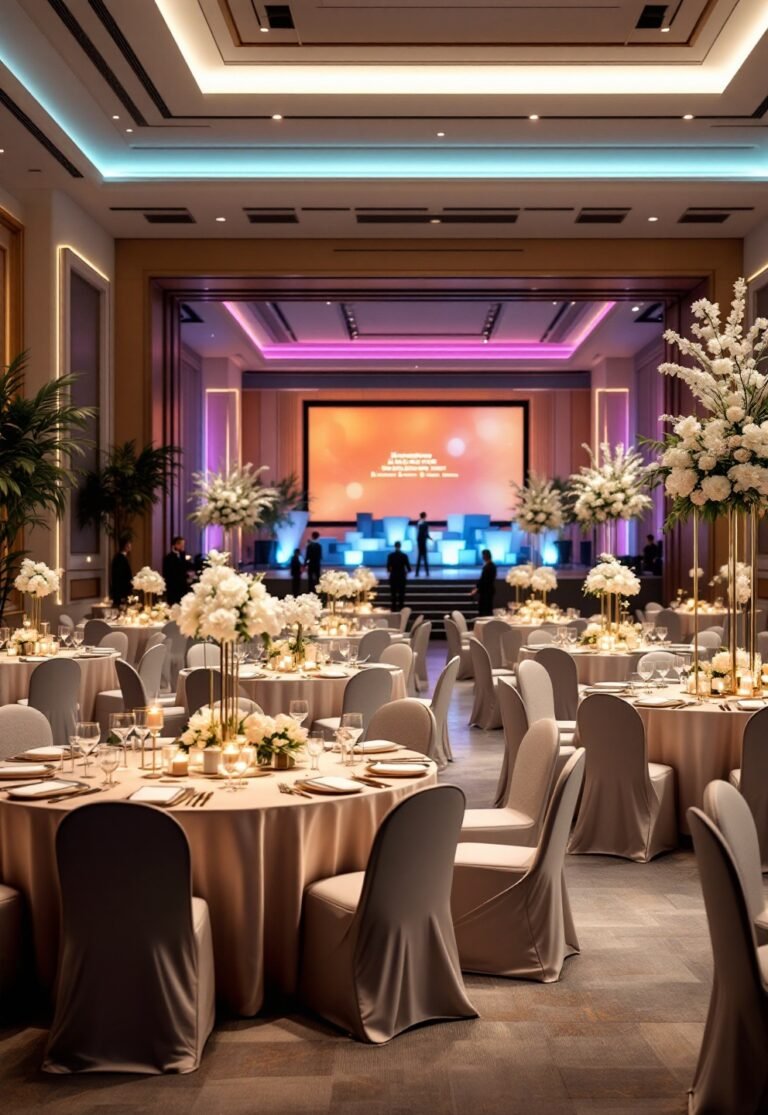
The Ultimate guide to choosing the perfect event venue
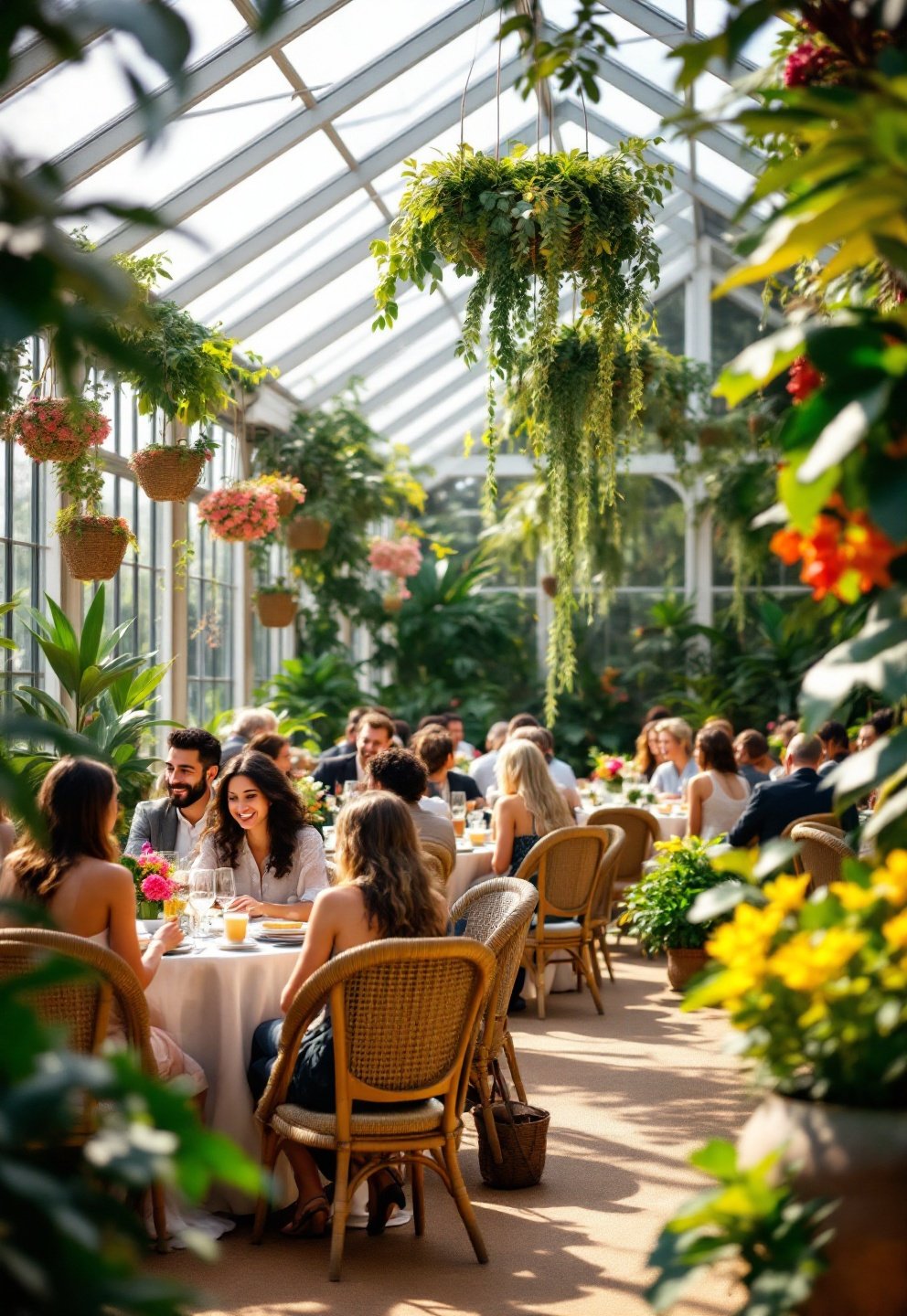
Choosing the perfect event venue is one of the most important decisions when planning any celebration or corporate gathering. The venue sets the atmosphere, influences the guest experience, and plays a major role in the success of the event. Whether you are organizing a wedding, birthday party, business conference, gala dinner, or private celebration, selecting the right location can transform an ordinary event into an unforgettable experience.
In recent years, event venues have evolved far beyond traditional banquet halls. Modern venues now offer luxury interiors, outdoor spaces, creative lighting, personalized decorations, and advanced technology to create unique experiences for guests.
Types of Event Venues
1. Wedding Venues
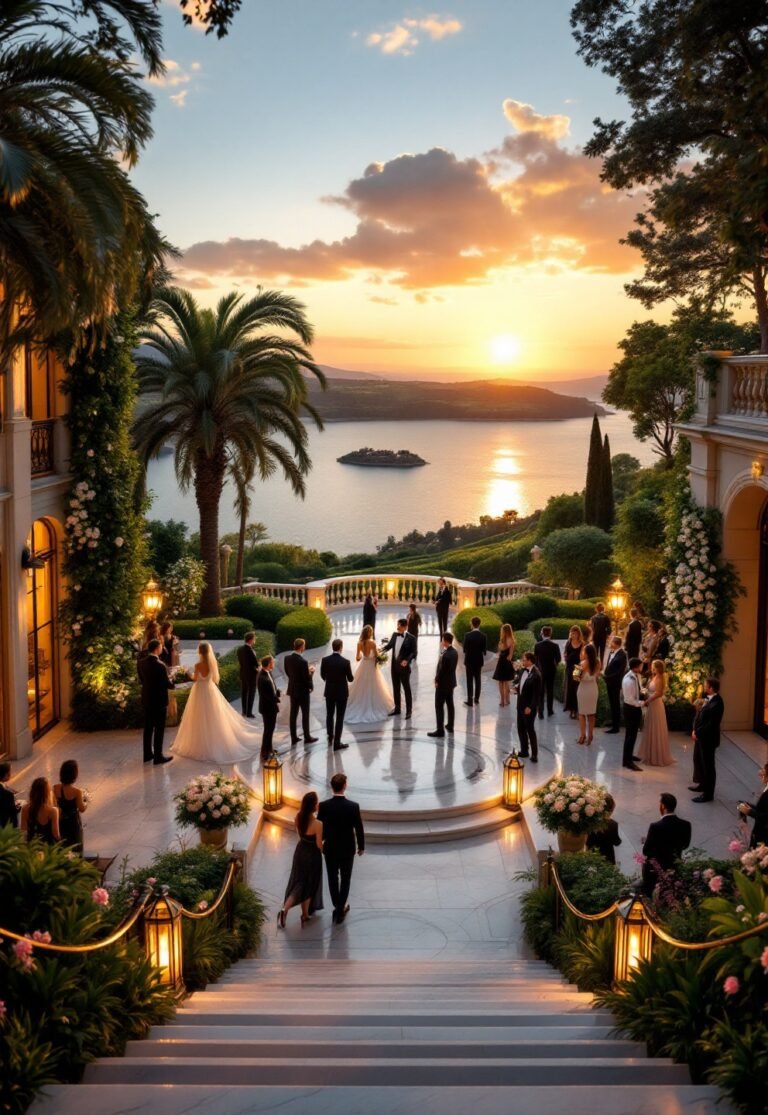
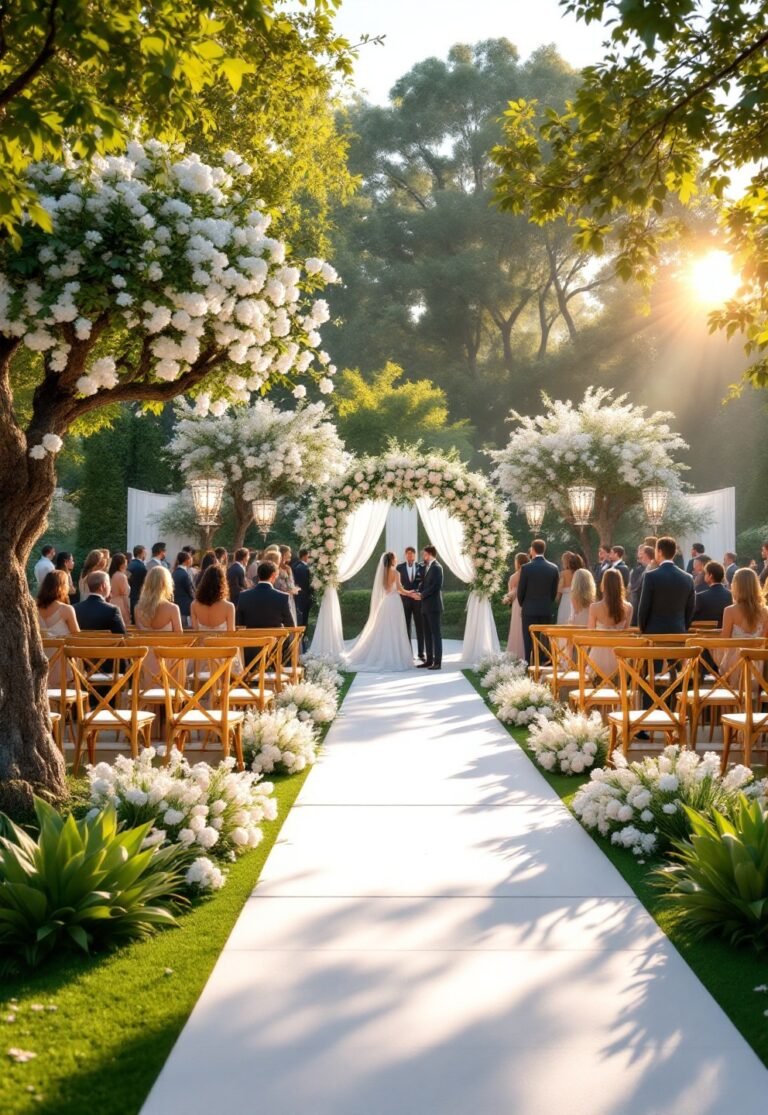
Wedding venues are designed to create romantic and elegant atmospheres. Popular choices include luxury hotels, gardens, beachfront resorts, riads, and grand ballrooms. Couples often choose venues based on scenery, guest capacity, decoration possibilities, and photography opportunities.
Key features of a great wedding venue include:
- Beautiful decoration and lighting
- Spacious dance floor
- Outdoor ceremony options
- Professional catering services
- Accommodation for guests
- Parking and accessibility
2. Corporate Event Venues
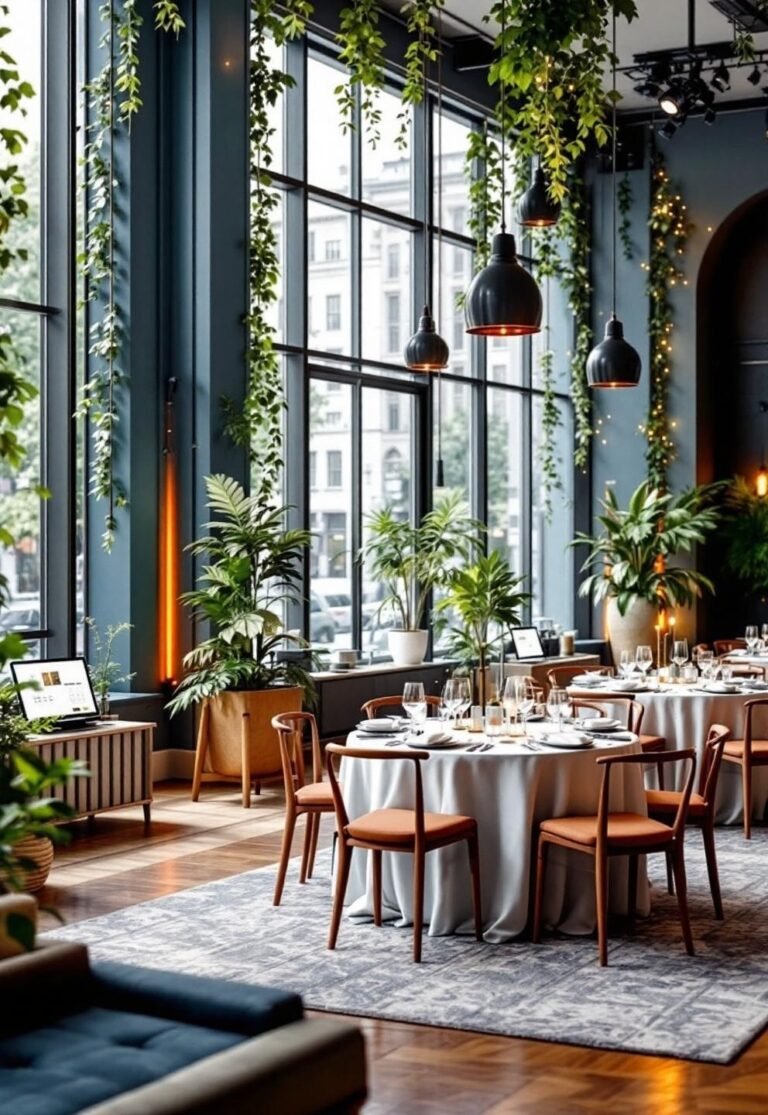
Corporate venues are ideal for conferences, seminars, networking events, product launches, and team-building activities. Businesses usually prioritize professionalism, technology, and convenience when selecting a venue.
Important factors include:
- High-speed internet access
- Audio and visual equipment
- Meeting rooms
- Comfortable seating arrangements
- Catering and coffee breaks
- Easy transportation access
Modern corporate venues often combine elegant architecture with smart technology to create productive environments.
3. Outdoor Event Venues
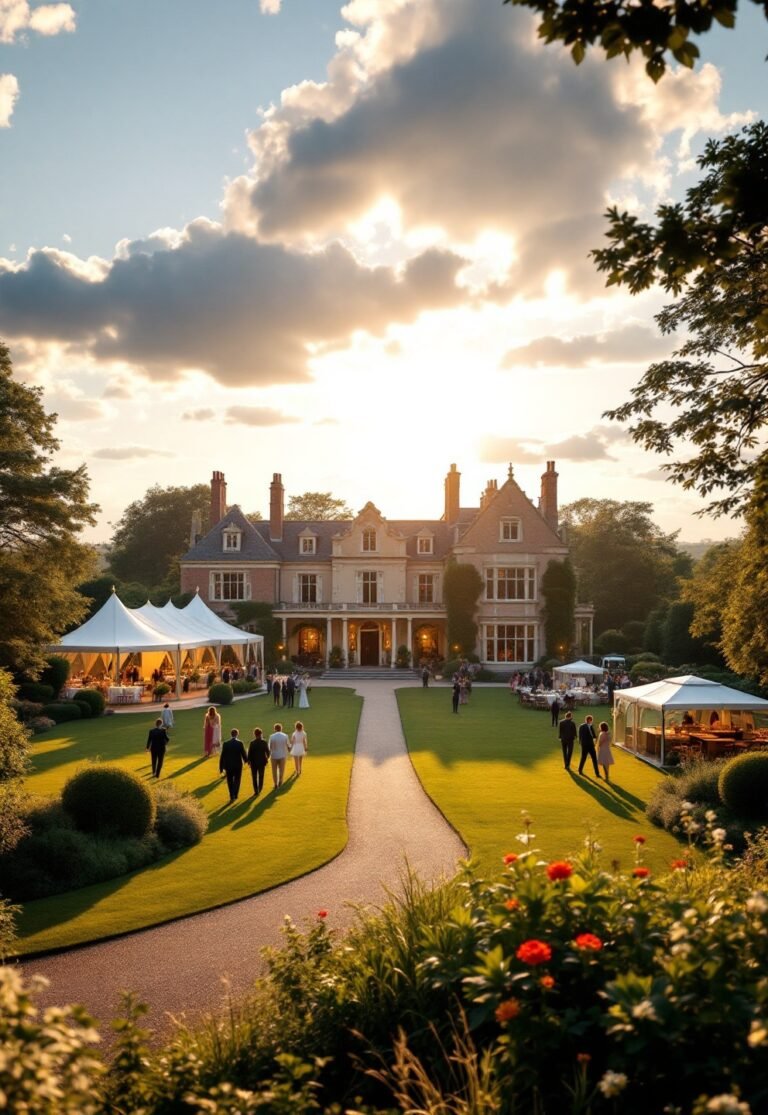
Outdoor venues have become increasingly popular because they offer natural beauty and open spaces. Gardens, rooftops, beaches, and countryside locations create memorable experiences for guests.
Advantages of outdoor venues:
- Natural lighting for photography
- Relaxed and luxurious atmosphere
- Flexible decoration styles
- Larger guest capacity
- Unique scenic views
However, weather conditions should always be considered when planning outdoor events.
4. Luxury Hotels and Resorts
Luxury hotels and resorts are among the most popular event venues because they provide complete services in one place. Guests can enjoy accommodation, catering, entertainment, and premium hospitality.
Benefits include:
- Professional event planning teams
- Elegant interior design
- Multiple event halls
- Accommodation packages
- High-quality catering services
- Premium customer service
These venues are ideal for weddings, international conferences, and luxury celebrations.
How to Choose the Right Event Venue
Define Your Budget
Budget is one of the first factors to consider. Event venues vary significantly in price depending on location, capacity, and services included. It is important to calculate all expenses, including decoration, catering, lighting, music, and transportation.
Consider Guest Capacity
A venue should comfortably accommodate all guests without feeling overcrowded or too empty. Always confirm the maximum capacity before booking.
Evaluate Location and Accessibility
The venue should be easy to access for guests. Parking availability, nearby hotels, and transportation options are essential factors.
Check Venue Services
Some venues provide complete event packages that include decoration, catering, security, and entertainment. This can simplify the planning process and reduce stress.
Visit the Venue in Person
Photos can be helpful, but visiting the venue allows you to evaluate the atmosphere, cleanliness, lighting, and overall quality.
Event Venue Trends in 2026
The event industry continues to evolve with new trends focused on personalization and immersive experiences.
Popular trends include:
- Minimalist luxury decoration
- Eco-friendly and sustainable events
- Interactive digital experiences
- Personalized guest experiences
- Outdoor and rooftop venues
- Smart lighting technology
- Social media friendly setups
Event planners are increasingly focusing on creating visually impressive spaces that encourage guests to capture and share moments online.
Conclusion
The perfect event venue can transform any gathering into an unforgettable experience. Whether you are planning a romantic wedding, a professional conference, or a luxury private party, choosing the right venue requires careful planning and attention to detail.
By considering factors such as budget, location, guest capacity, services, and atmosphere, organizers can create events that leave lasting impressions on guests.
As the event industry continues to innovate, modern venues are becoming more creative, luxurious, and experience-focused than ever before.
Key Factors When Choosing an Event Venue
Selecting the right event venue requires evaluating multiple factors. Here is a practical checklist:
- Location and Accessibility: Easy to reach by public transport and car, parking available, accessible for all guests.
- Capacity and Layout: Comfortably accommodates your guest list with flexible floor plan options.
- Catering Options: In-house catering vs. external caterers, kitchen facilities, menu flexibility, and dietary accommodation policies.
- AV and Technical Equipment: Microphones, screens, projectors, sound systems, reliable Wi-Fi, and hybrid streaming capabilities.
- Natural Light and Ambience: Ceiling height, acoustic quality, natural light, and existing decor that aligns with your theme.
- Outdoor Space: Availability of outdoor areas and weather contingency plans.
Venue Pricing and Contracts: What to Watch For
Venue pricing can be misleading without careful scrutiny. Watch for these common cost items:
- Hire fee: Base rental cost, charged per hour or per day.
- Minimum spend: Some venues require a minimum catering or bar spend.
- Corkage fees: Charges for bringing external drinks or catering.
- Setup and breakdown fees: Often not included in the base hire fee.
- Damage deposit: A refundable deposit held against property damage.
- Service charges: Typically 12-15% added to catering bills in many venues.
Always request a fully itemized quote and review the contract carefully before signing. Ask explicitly what is and is not included.
Questions to Ask Before Booking an Event Venue
Before committing to any venue, ask these essential questions:
- What is the maximum and minimum guest capacity for our specific setup?
- Is the venue exclusively ours during our event, or will other events be happening simultaneously?
- What is the cancellation and rescheduling policy?
- What is included in the hire fee (furniture, AV, staffing)?
- Are there noise restrictions or curfews we need to be aware of?
- Is the venue licensed for alcohol service?
- Can we bring in our own vendors (catering, decor, entertainment)?
Frequently Asked Questions About Event Venues
How far in advance should I book an event venue?
For weddings and large events, book 12-18 months in advance. For corporate events or private parties, 3-6 months is usually sufficient. Popular venues in major cities fill up quickly during peak seasons.
What is the difference between a dry hire and a full-service venue?
A dry hire venue provides only the space, leaving you responsible for catering, decor, furniture, and staffing. A full-service venue provides all of these as part of a package. Dry hire offers more flexibility; full-service offers less stress but less control.
How do I compare venue quotes fairly?
Create a standardized comparison spreadsheet listing every cost item for each venue: hire fee, catering per head, AV rental, setup, breakdown, staffing, and any minimum spends. Compare the all-in total, not just the headline price.