What to Know Before Booking Mansion Wedding Venues
- Why Choose Mansion & Estate Wedding Venues?
- 2024 Market Snapshot: Demand, Seasonality, and Lead Times
- Real Costs: Headline Fees vs. The Full Budget
- When to Book: Practical Timeline & Priority Checklist
- Common Challenges & How to Mitigate Them
- The Must-Have Services & Amenities
- Preservation, Sustainability & Venue Rules
- Logistics & Vendor Rules
- Signature Architectural & Interior Features
- Guest Experience: Accessibility, Comfort & Flow
- Where Venue Content Falls Short: Planning Gaps
- Actionable Next Steps & Quick Reference
Why Choose Mansion & Estate Wedding Venues?
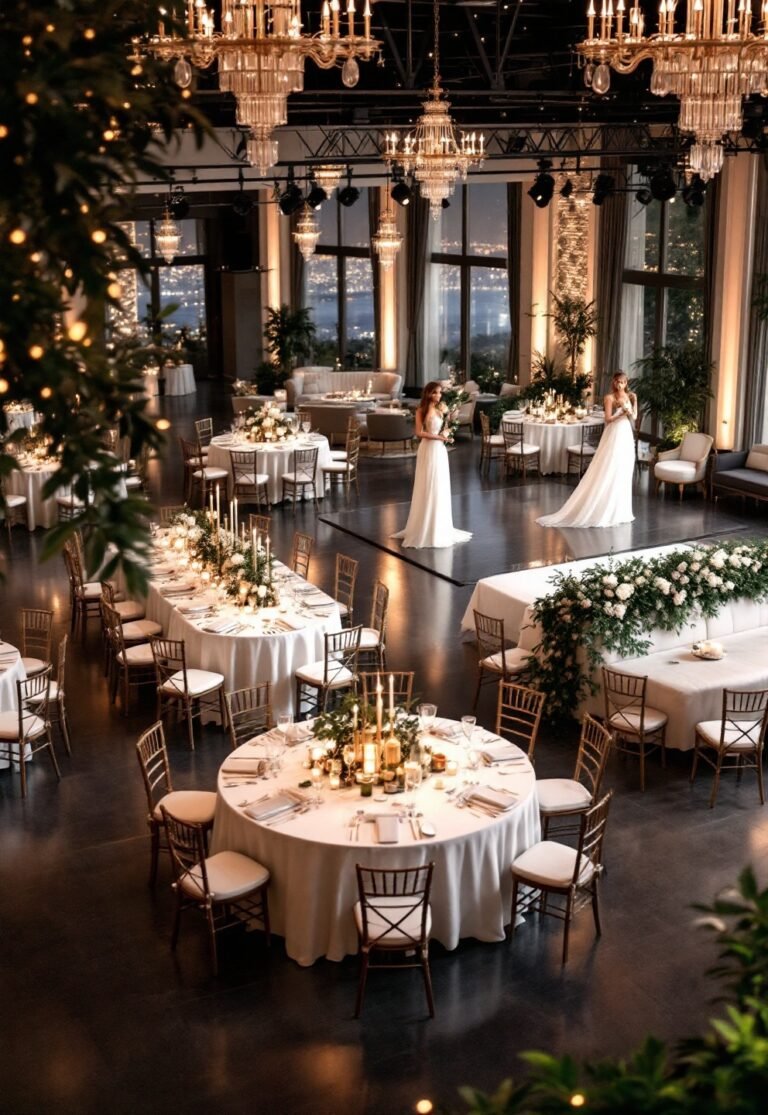
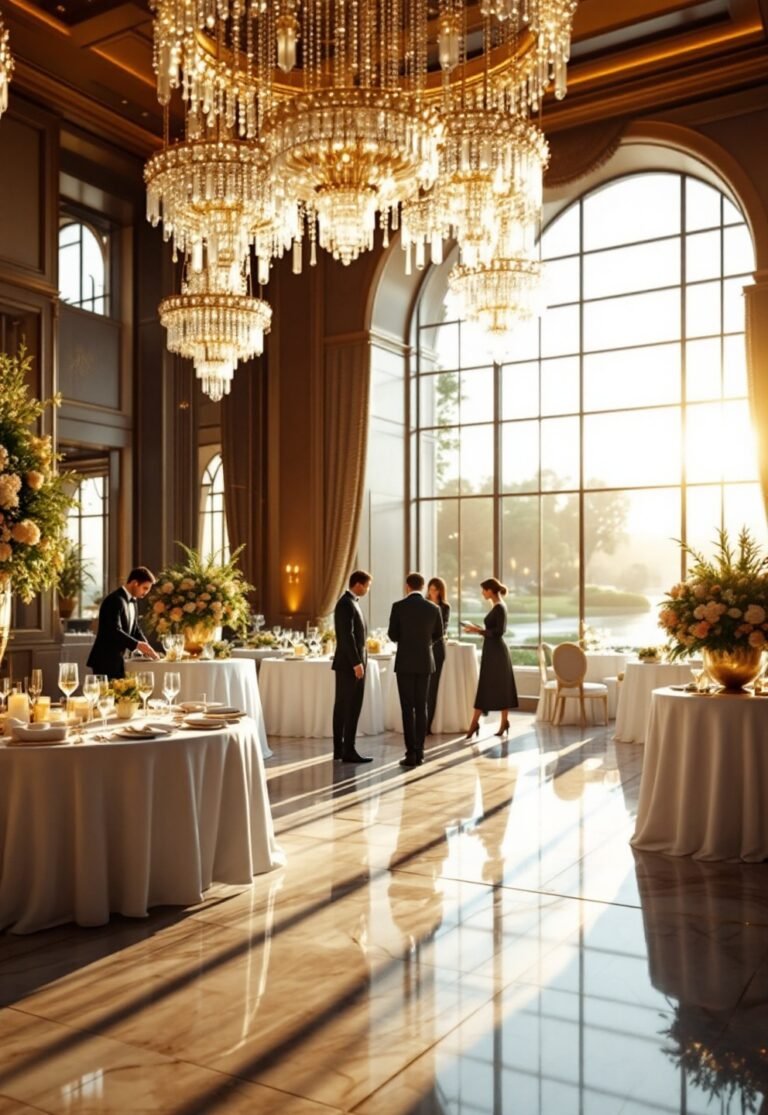
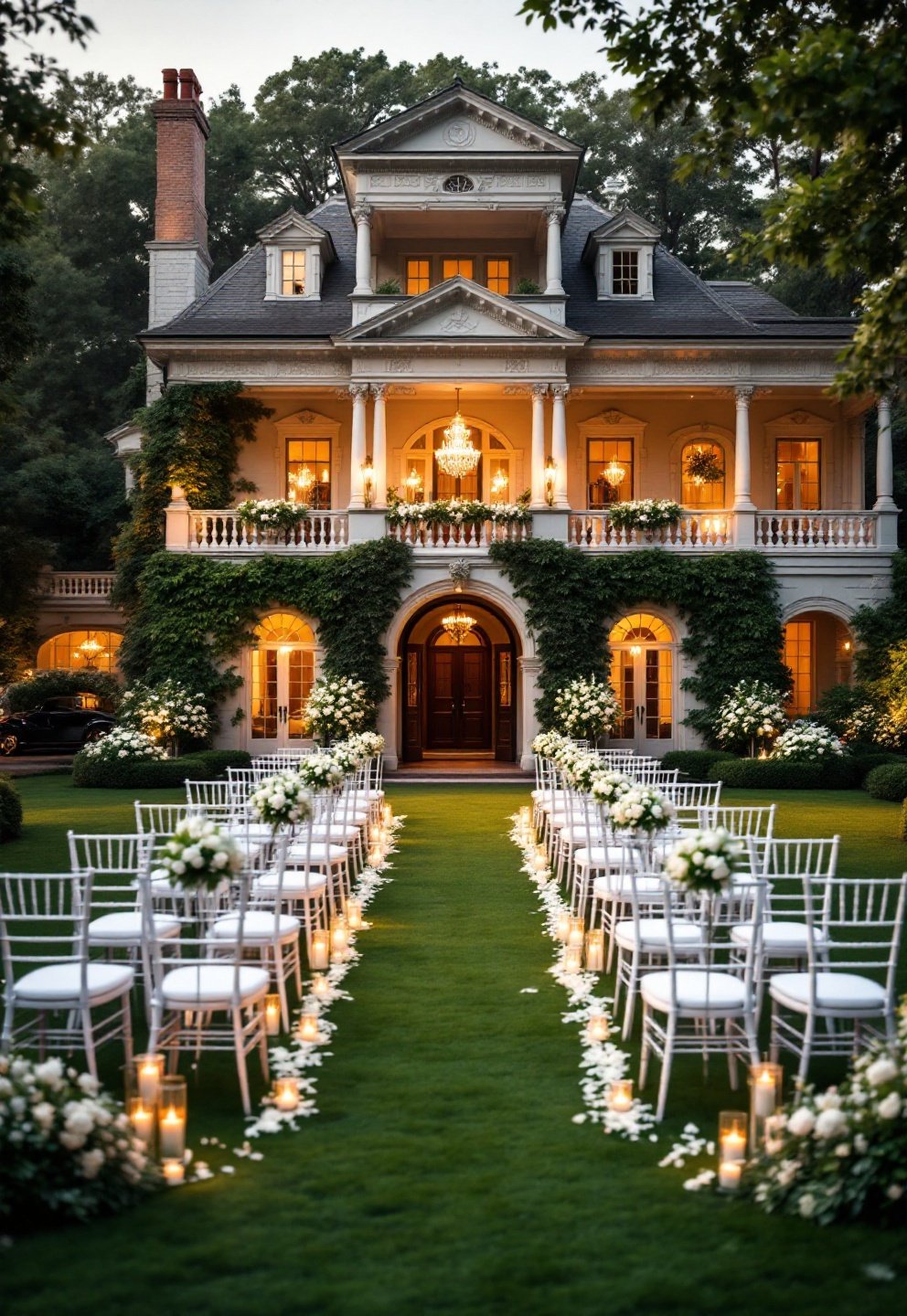
Mansion wedding venues and estate wedding venues offer an experience that’s simply unattainable elsewhere—privacy, history, and architectural splendor on a scale that transforms your wedding into a once-in-a-lifetime event. The biggest draws? Exclusive-use (meaning you and your guests are the only ones on the property), period architecture, formal gardens for photos and ceremonies, and impossibly grand backdrops like ornate ballrooms and staircases.
But there are trade-offs: most estates enforce preservation restrictions, offer limited date flexibility, and come with unique operational constraints. Whether you’re drawn by the ambiance or the chance to host without interruption, it’s critical to enter the process with eyes open. Country houses and estate wedding venues remain notably popular in both the US and UK, thanks to their stately atmosphere and sense of occasion [source].
2024 Market Snapshot: Demand, Seasonality, and Lead Times
The practical realities of booking luxury estate venues define your entire planning process. Data for 2024 shows:
- Booking lead time: Couples book mansion wedding venues 12–18 months in advance on average—and 18–24 months ahead for peak-season Saturdays at sought-after properties [source].
- Peak season: 69% of weddings occur from May through November; October claims 17% of all bookings, making it the most competitive month.
- Spending trends: The average venue cost ranges from $12,200–$12,900 for 2024 U.S. weddings; some consumer indices report a broader range, but luxury estate venues almost always sit at the upper end or beyond.
If you’re aiming for a Saturday in October at a famed estate, expect competition from other couples working two years ahead—and for vendor availability, budget, and guest travel plans all to pivot around that initial venue date.
Real Costs: Headline Fees vs. The Full Budget
Many couples see a venue’s site fee as the total number to budget for, only to be caught off guard by a cascade of mandatory add-ons, often doubling or tripling the initial cost. For luxury estate venues, here’s what to expect:
- Site/Rental fee: $8,500–$12,900 is the U.S. average, but top estates frequently charge upwards of $15,000 just for exclusive use.
- Catering & bar minimums: $120–$350 per guest is common, even when using an in-house provider. Some estates offer an approved caterer list; others require use of a specific partner (see wedding venue with catering for more breakdowns).
- Valet, parking, or shuttle: $2,000–$5,000, rarely included in the base price.
- Tenting or weather contingency: Premium properties often require (not suggest) tenting, with $4,000–$15,000 for full backup.
- Rentals (tables/chairs/linens): $35–$100 per guest, sometimes compulsory even if the estate supplies basic furniture.
- Staffing, cleaning, and preservation surcharges: $2,000+ is routine for larger events or multi-day setups.
- Event insurance: Many estates mandate couples to secure $1–$2 million in event liability coverage, adding $300–$1,000.
Sample scenario: For a 150-guest mansion wedding with exclusive-use, real-world budgets routinely reach $60,000–$110,000 once all factors are tallied. Expect your “headline” rental fee to be multiplied by at least 2x–3x for a fully serviced event at a luxury estate venue.
When to Book: Practical Timeline & Priority Checklist
Given the scarcity of prime dates, venue selection and commitment are inevitably your earliest—and most critical—planning steps. Here’s a timeline that reflects current market lead times:
- Book venue: 18–24 months ahead for October/May–November Saturdays; 12–18 months for shoulder dates or Fridays/Sundays.
- Contract your planner: Ideally within 2–4 weeks of securing the venue, especially for estate weddings with operational complexity (learn about hiring an event decorator to streamline setup).
- Caterer, main vendors: 11–15 months out. Many estates require vendor approval, so check lists and negotiate early.
- Photographer & decor: 9–13 months out, after you’ve locked guest count and event vision.
Negotiation tip: Couples flexible on Fridays, Sundays, or shoulder season dates (December–April) can sometimes access better rates or add-ons. Always ask if off-peak dates allow for more venue time or waived surcharges.
Common Challenges & How to Mitigate Them
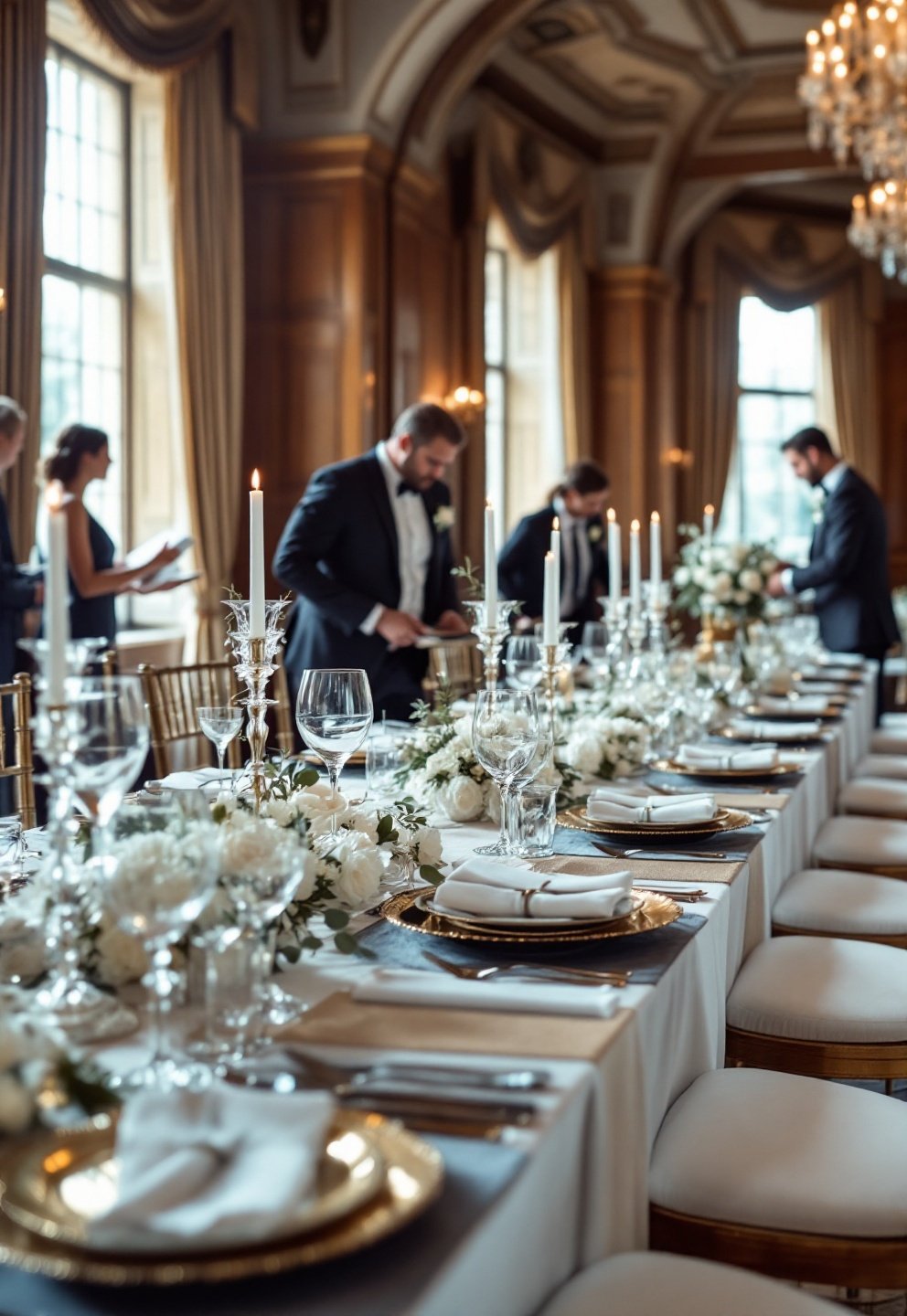
Booking a mansion or private estate wedding offers unrivaled experience but creates unique hurdles. Here’s what might disrupt your planning—and how to get proactive:
- Limited date availability: Immediate booking is rare; desirable dates disappear early. Keep a second-choice date or season ready.
- High total cost: Budget “headline fee × 2.5” for an honest projection. Use a downloadable worksheet to itemize (we recommend building your own or using a reception venue budget calculator).
- Date inflexibility: Consider shoulder months or weekdays for better options—a Monday estate wedding is no longer unheard of.
- Operational restrictions: Get every site-specific rule in writing: vendor approval, noise curfews, décor restrictions (esp. candles, tenting, lawn use). Scrutinize contracts for vague language around “approved” vendors and liability.
- Expectations mismatch: Tour the venue at the same time of day as your event and ask specifically about space flips, restroom access, and crowd management in historic spaces.
Contract red flag: “Preferred” vendors versus “approved only” or “in-house required”. A subtle but critical distinction: the former allows freedom; the latter may lock you into premium rates and narrow logistics windows.
The Must-Have Services & Amenities
Every couple dreams of making their estate wedding seamless for all involved. These are the top 5 operational must-haves—build them into your site tour checklist:
- Exclusive-use privacy (not “shared” gardens, true buyout of all guest areas)
- Integrated rain plan—a covered alternative for both ceremony and reception that keeps the event “flow” intact
- Full-service coordination team (either your own planner or a venue specialist for historic/operational complexity)
- Catering and bar infrastructure—ask if there’s a banquet kitchen; scullery kitchens only = slow service
- Guest convenience amenities: valet, onsite/adjacent parking, shuttles, ADA-accessible restrooms, prep suites for both partners
Add to your tour questions: “What happens if it pours sideways on my wedding day?” and “Do you provide a full guest mobility plan from arrival through reception?”
Preservation, Sustainability & Venue Rules
Historic mansion weddings are governed by stewardship—your event must respect the preservation needs of irreplaceable spaces. What does this mean in practice?
- No open flame: Most estates ban real candles (opt for LED or protected hurricanes if permitted).
- No adhesives, nails, or wall-mounting: Bring freestanding or floor-safe décor. Flower walls are best when self-supporting.
- Floor and load limits: Consult in advance before DJ rigs, dance floors, or heavy installations.
- Outdoor usage rules: Keeping lawns pristine may mean no tents in certain gardens and strict curfews for amplified music.
- Approved vendor list: Don’t assume you can bring any caterer or DJ; ask for the most recent approved supplier guide.
For clarity, use this script on tour: “Can you send me your full list of prohibited décor, load-in limits, and any fines or surcharges that couples have encountered in the past year?”
Logistics & Vendor Rules: The Checklist Hidden in the Fine Print
Some of the most significant logistical realities of mansion wedding venues simply don’t appear in Instagram galleries or sales decks. Ask directly about:
- Load-in/load-out: Earliest access and latest teardown allowed; pre-event or next-day pickup fees.
- Vendor access and insurance: Only certain vendors? Minimum insurance levels for each? Request a copy of requirements before committing.
- Parking and shuttles: Capacity, offsite options, local ordinances, guest drop-off zones.
- Accessibility: step-free access from parking to ceremony to reception, distance between restrooms and primary spaces.
- Electrical limits: Modern AV needs (e.g., DJ, lighting) may strain old wiring—ask directly about what’s supported.
- Curfews: When must music end? Are there fines for overruns?
- Weather/tent policy: Are backup tents included, or an extra with their own restrictions?
Pro tip for planners: Ask for a sample event ops manual, not just a contract. When negotiating outside vendors, request mutual approval clauses rather than blanket exclusions.
Signature Architectural & Interior Features
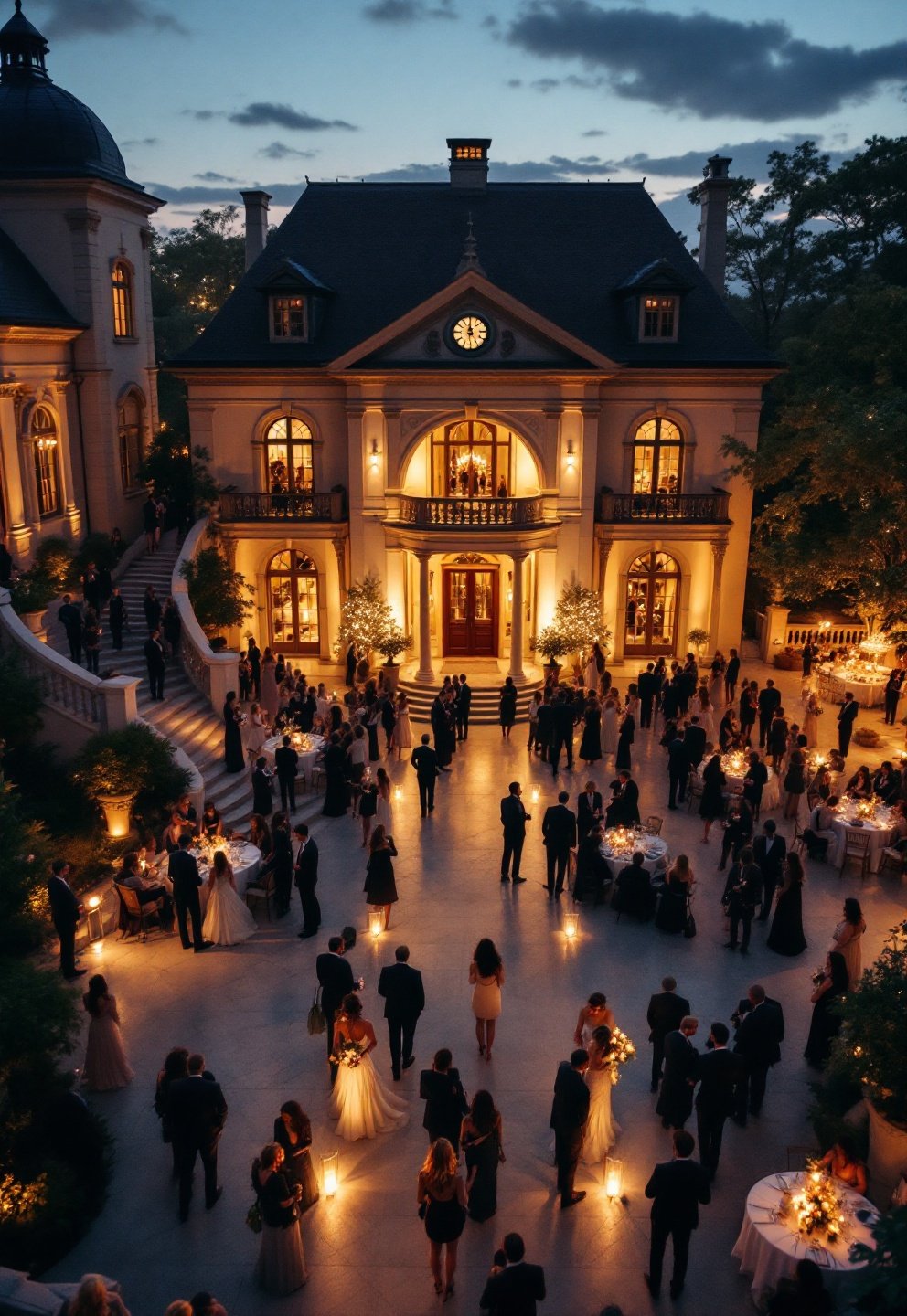
The architectural heart of mansion wedding venues—what every couple wants—are not just looks but event “hardware.” Here’s how signature features matter in planning:
- Grand staircases: Photo-perfect for entrances, but assess ease for older/less mobile guests.
- Ballrooms with detailed ceilings, oak paneling, or historic murals: Transform décor requirements (sometimes needing less), but may have rules about attachments and coverings.
- Formal gardens: Always confirm guest flow for cocktails, group photos, and outdoor ceremonies (and whether the lawns tolerate tent stakes).
- Historic period rooms: Great for portraits or small group dining, but sometimes restrict capacity or music amplification.
Discuss positioning key moments (first look, grand entrance, dance floor) to maximize these features in both guest experience and your photography timeline (table centerpiece ideas for period room inspiration).
Guest Experience: Accessibility, Comfort & Flow
One major challenge at many private mansion receptions is balancing heritage atmosphere with modern comfort for every guest. Estates were rarely built with step-free access or sufficient modern restrooms. Don’t let these details become a surprise:
- Limited mobility solutions: Request temporary ramps, lifts, or alternative entry points for wheelchair users and elderly relatives.
- Restroom proximity and capacity: Large groups may require rental restroom trailers—as elegant as possible—positioned for minimal disruption.
- Climate control: Some estates lack central air/heat; ask about portable solutions or discreetly place fans/heaters as needed.
- Parking and shuttles: If onsite parking is limited, include shuttle rides as part of the formal invitation (build in time for this in the run of show).
Accessibility checklist: “What is the step-free route from the car park to the ceremony site, and how long does it take? How many accessible restrooms are within 50 yards of the main event space?”
Where Venue Content Falls Short: Planning Gaps
Reviewing hundreds of venue sites reveals a pattern: most focus on glossy visuals and overlook practical planning essentials. To stand out (or make a confident decision), create or seek out:
- Booking lead time calculators (“How late is too late to book this date at this estate?”)
- True-cost breakdowns—list every cost center, not just the site fee
- Vendor-contract red-flag checklists (e.g., “vendor must load in by 8am and out by 11pm, no exceptions”)
- Accessibility guides (floorplans with mobility mapping)
- Local marriage license regulation primers (especially for destination estates in different jurisdictions)
Most competitors don’t address these: solving for logistics, accessibility, and contract clarity is a major value driver for couples and planners researching mansion wedding venues.
Actionable Next Steps & Quick Reference
Ready to build momentum? Print or bookmark this section for team meetings and site visits:
- Booking window: Secure your estate wedding venue 12–18 months out (18–24 months for peak Saturdays from May–November).
- Top 10 contract clauses to check: Date/time access, exclusivity, backup/weather plan, approved vendors, insurance, curfew, preservation surcharges, guest limits, parking/transport, cancellation.
- Budget reality: Multiply the “headline fee” by 2.5 for a more honest total spend projection.
- 5 site tour questions:
- What are the biggest challenges couples face at this estate, and how do you resolve them?
- What is your rain/inclement weather plan?
- Who are the required/approved caterers and vendors?
- How are mobility/accessibility needs handled for guests?
- What preservation rules and surcharges should we expect?
- Emergency backup items: Portable restroom trailer contact, backup generator, tent provider on call, plan for non-preferred/late vendor handling.
Download a sample venue budget worksheet here, or book a planning consult to strategize your best-fit estate shortlist. Before your venue tour, print out our free venue-tour checklist for side-by-side comparison.
How far in advance should we book a mansion or estate wedding venue?
To secure popular dates—especially May–November Saturdays—book 12–18 months ahead minimum; 18–24 months is typical for peak October weekends at high-demand estates.
What hidden costs should we expect at luxury estate venues?
In addition to the rental fee, plan for catering/bar minimums, valet, tenting, rentals, staffing, preservation surcharges, and mandatory insurance. Most couples see total venue-related spend run 2–3 times the base price.
Are we required to use in-house or approved vendors?
Many mansion wedding venues allow only approved or in-house caterers, planners, and even entertainment. Clarify the difference between “preferred” (recommended) and “required” (mandatory) vendors in your contract.
How do historic venues handle guest accessibility?
Options vary, but most properties require temporary ramps, shuttle transport, and additional restroom trailers to ensure comfort for guests with mobility needs. Always ask about step-free access routes and restroom proximity in advance.