Rustic Wedding Venues: Real Costs and the Fees to Watch For
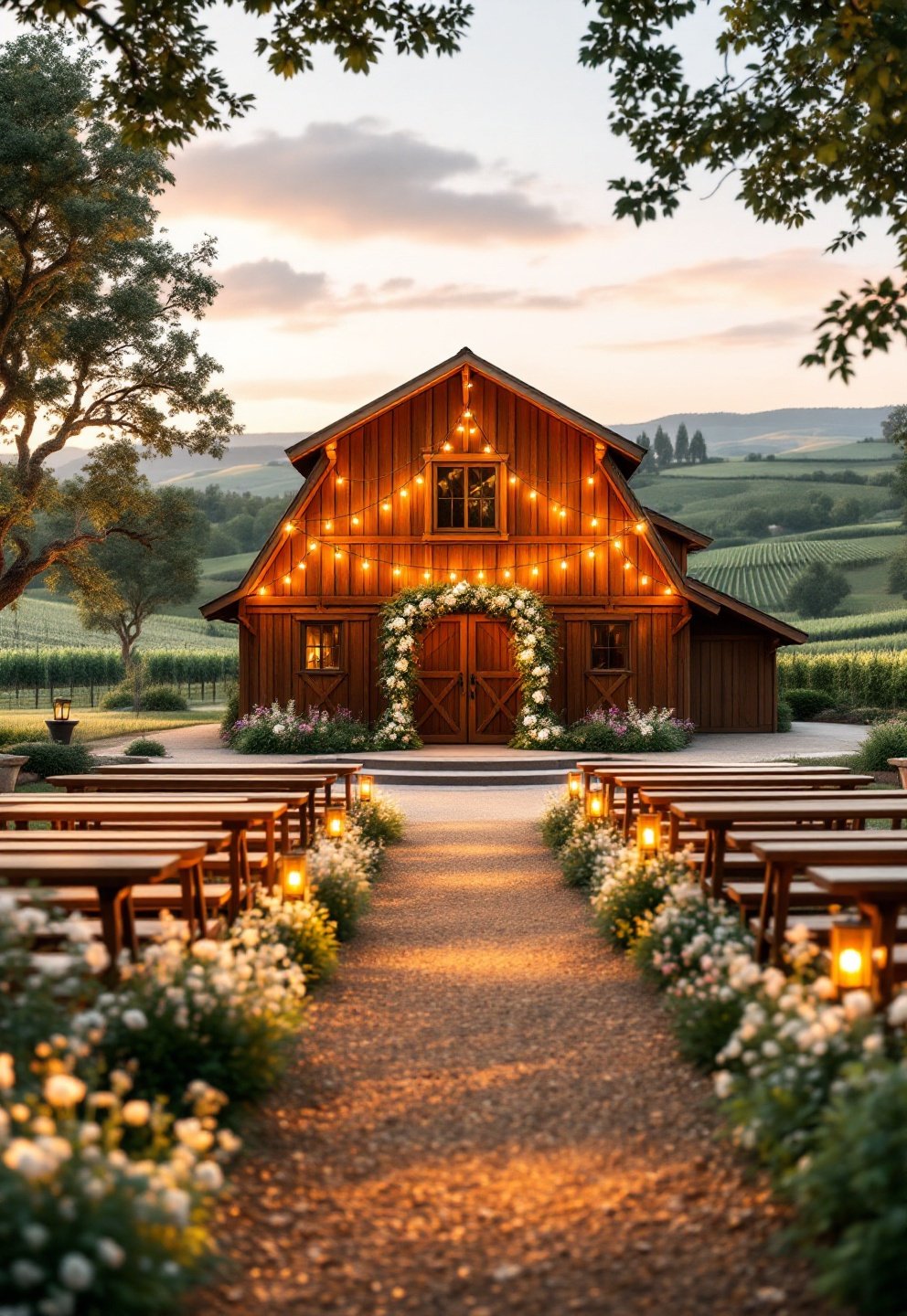
For couples seeking authentic barn, farmhouse, or vineyard settings, rustic wedding venues are a top choice—but many are caught off guard by hidden fees, rural logistics, limited amenities, and budgeting surprises. This guide gives you a realistic, step-by-step breakdown of 2024 costs, planning, permits, and the most overlooked issues for both couples and small venue owners—so every detail is predictable and manageable.
Key Takeaways
- Venue-only rustic wedding venue rentals average $3,000–$10,000+, while all-in mid-market weddings typically cost $20,000–$40,000 for 100 guests in 2024 (source).
- Major pain points include add-on fees, DIY stress, subpar amenities (restrooms, climate control), accessibility, and rural logistics.
- Booking 9–18 months ahead, reading contracts closely, and using practical tools like an event budget calculator are essential for both couples and venues.
- Why Rustic Venues Play by Different Rules
- Booking a Rustic Venue: From Guest Count to Contract
- The Hidden Fees Behind the Barn-Door Price
- Plan a Year Ahead and Read Every Contract Line
- FAQ
Why Rustic Venues Play by Different Rules
Rustic wedding venues are more than just barns and pretty fields—they’re unique spaces with their own operating quirks, budget realities, and planning hurdles. Couples love the romance and photo ops, but often underestimate issues like power needs, backup rain plans, accessibility, and fee structures. This guide throws out the guesswork by using real venue data and inside tips.
For creative ideas to personalize your wedding or decor, check our event inspiration ideas page. If you want in-depth event planner tactics, our Ultimate Event Planning Guide is an ongoing reference. Or explore the practical, hands-on stories and decor breakdowns on the Eventory blog for current trends.
Understanding the logistics and hidden priorities of rustic wedding venues—like restrooms, vendor load-in, noise permits, sustainability, and all-season comfort—translates directly into a less stressful planning journey (and much better event outcomes). Small venue owners can also use these tips to make their spaces more attractive and competitive in 2024.
Booking a Rustic Venue: From Guest Count to Contract
-
Set your target guest count and priorities early.
- Figure out your max headcount using a free guest list calculator to avoid booking too small (or too big) a venue.
- Decide: Do you want all-inclusive simplicity or maximum creative control (DIY)?
-
Choose your region and price band based on real 2024 data.
- Barn, vineyard, and farmhouse venues fall in the $3,000–$10,000+ venue-only range for a Saturday rental. All-in micro-weddings: $1,000–$3,000. Fort Worth, Dallas, and most mid-size cities follow this pattern (source).
- Use the event budget calculator to test combinations before touring venues.
-
Time your booking to maximize choice and savings.
- Peak Saturday dates are often gone 12–18 months ahead. Want to save 20–40%? Book off-season (summer/winter), a Friday or Sunday, or shorter time windows (hourly pricing can be $100–$200/hr).
-
Nail down what’s included—get all the details up front.
- Ask for a precise list: spaces (barn + lawn?), tables, chairs, getting-ready rooms, backup plan for rain, restrooms, staff, décor, setup, teardown windows, and all fees.
- Confirm staging payment schedule (typically, deposit + 50% at 180 days, balance at 90 days; see example).
-
Plan your logistics and vendors early—don’t assume anything’s included.
- If the venue is rural, confirm parking and shuttle needs. Plan for generator rental or extra AV for barn weddings.
- Keep track of everything using the plan your event tool.
- For catering, estimate costs and coverage with the event catering calculator.
-
Triple-check accessibility, insurance, and local permits.
- Ask: Are there paved paths, lighting, and wheelchair access for all key areas (ceremony, dining, restrooms)?
- Request a copy of house rules, sound/noise curfews, and specific insurance requirements (liability, host liquor insurance).
-
Prepare for weather, insects, and teardown details.
- What’s the venue’s severe weather plan? Are there heaters, fans, tents on site?
- Is there a bug plan (citronella, pest control schedules)? Who is responsible for trash and décor removal post-event?
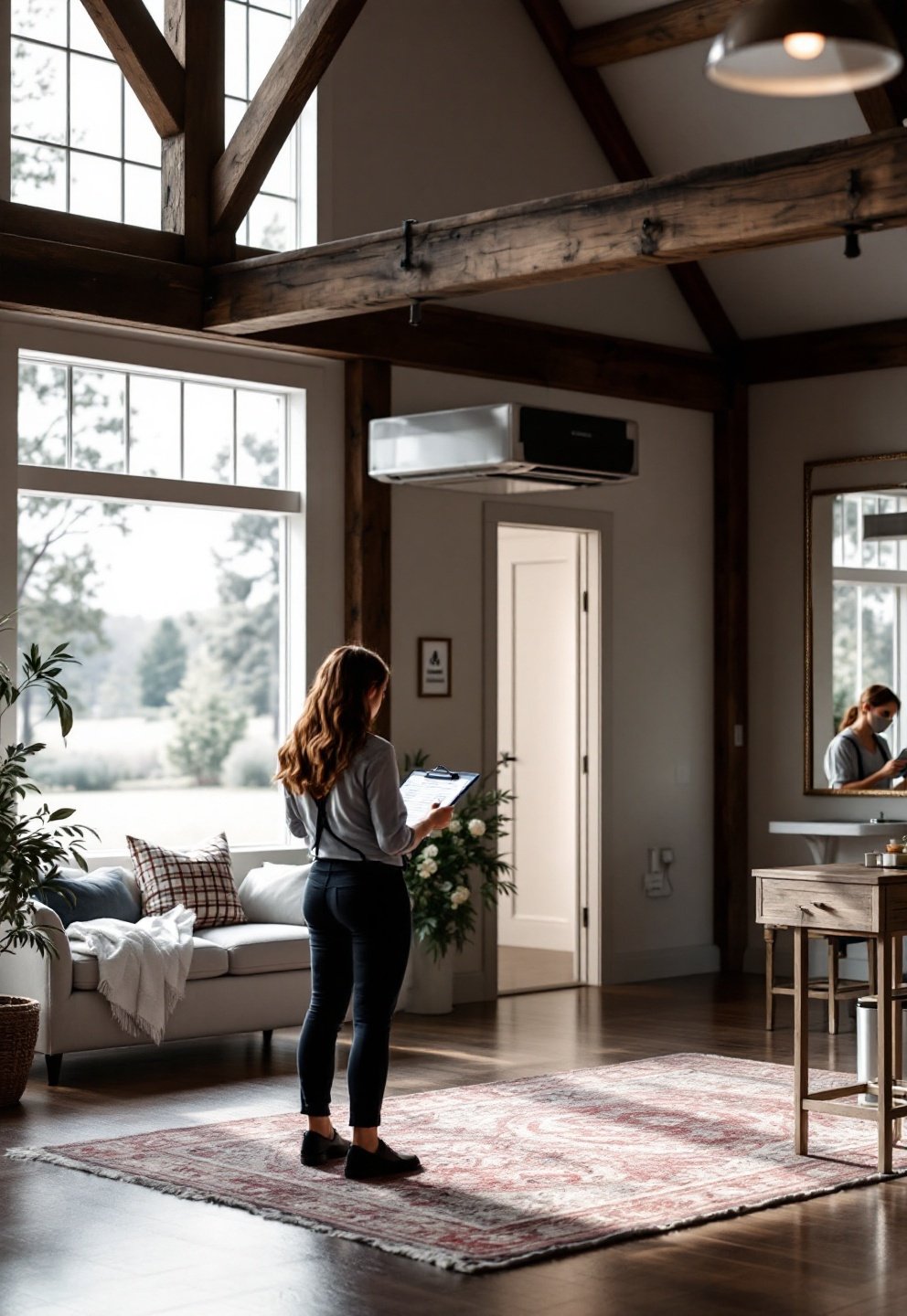
Throughout each step, bookmark product and supplier product reviews to compare essentials like backup generators, chic portable restrooms, and trend-setting decor (candles, draping, lights). See the flower wall rental pricing guide, table centerpiece ideas, or top-rated event decorator lists for optional upgrades.
The Hidden Fees Behind the Barn-Door Price
Planning at a countryside or rustic wedding venue can create magical photos and memories—if you sidestep the common pitfalls. Here’s what matters most, plus a comparison table to set expectations clearly for couples and small venue owners alike:
| Issue | Common Surprises | 2024 Reality/Advice |
|---|---|---|
| Cost Structure | Venue-only fee shown up front, but extras (getting-ready rooms, decor, backup HVAC) are surprise add-ons | Budget 50% over the “base rate” if lineup of add-ons isn’t all-in; clarify with a full line-item list (source). |
| Booking Timeline | Prime dates gone 12-18 months early, deposits non-refundable | Book early, clarify staging payments, flex to off-peak dates to save. Read all cancellation terms. |
| Backup/Weather | Barns/fields with great views but little climate control, AC, or rain shelter | Insist on written backup plans, check power (for heaters or fans), and verify tent access in contract. |
| Guest Comfort | Poor restrooms, distance between areas, no paved walkways for elderly/disabled guests | Tour with ALL your key guests’ needs in mind. Make accessibility and comfort a must-have in your contract. |
| Vendor Load-in | Rural locations, long carry distances, no front-of-house staff help | Send vendors the site map and logistics rules in advance; ask about extra access windows and clear load routes. |
| Sustainability | Few venues provide waste sorting or eco-options for food/decor | Ask about recycling/composting, and try local sourcing for food and florals. See our sustainable decor and catering tips on the Eventory blog. |
| Noise/Neighbors | Strict noise cutoffs, unexpected curfews, and regulations based on rural ordinances | Get curfews and dB limits in writing. Discuss with DJs and bands ahead to set expectations. |
| Post-event Teardown | Short teardown windows, penalties for late décor or trash | Negotiate extra cleanup time if needed; ask for a written teardown checklist. |
Many couples get caught off guard expecting “all inclusive” only to find venue rental covers the shell, but not tables, chairs, décor, lighting, or coordination help (source). Under-planned power and sound setups can also derail the day. Before booking, compare feedback and supplies in dedicated product reviews, and see decor breakdowns like party decoration ideas for rustic spaces.
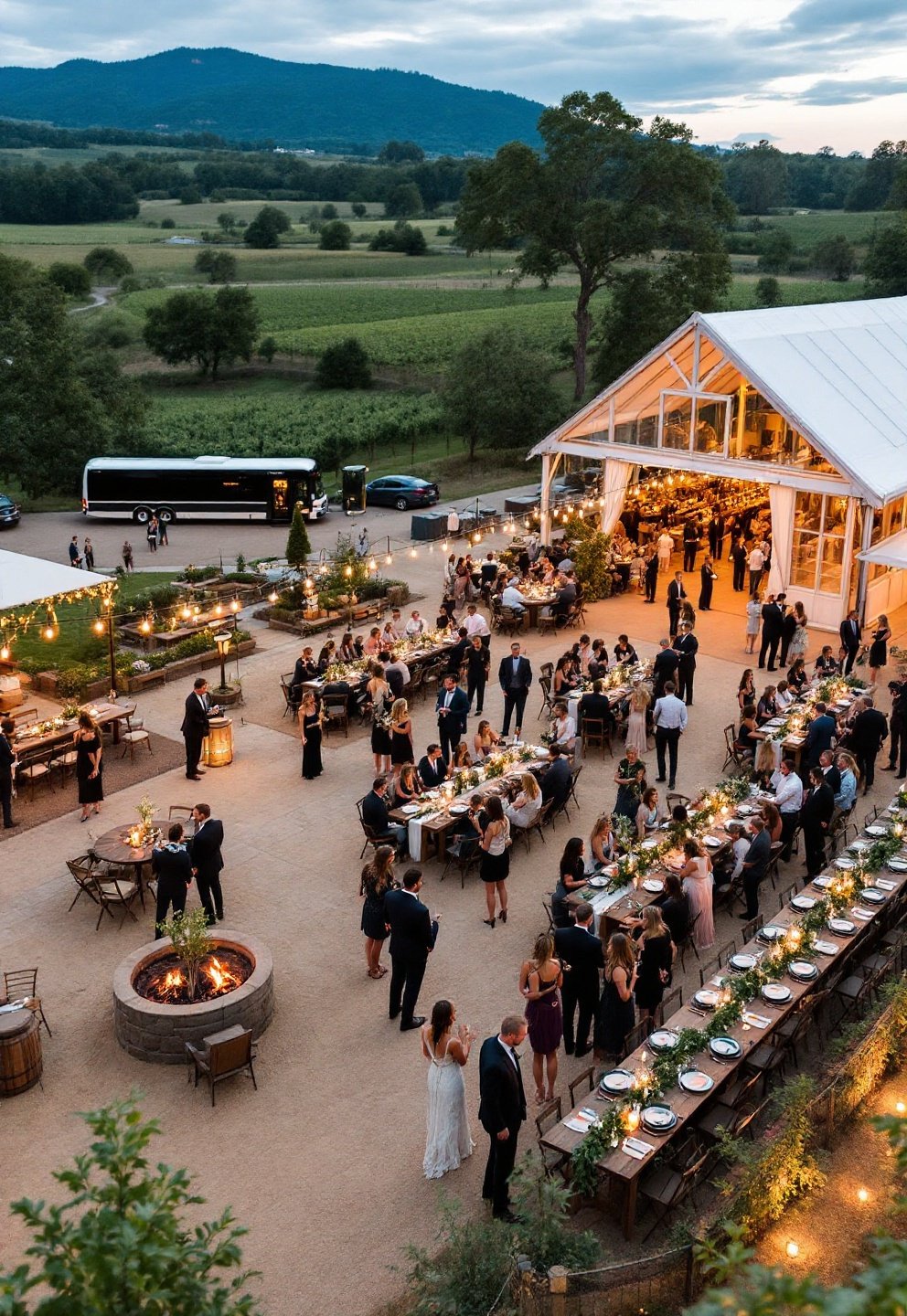
Venue owners can use these same insights to craft simpler, more transparent packages and to highlight in-demand amenities—onsite coordination, shuttle service, climate controls, accessibility, and sustainability. This sets you apart from generic “DIY barn rentals.” To further optimize, see our deep-dive on all-inclusive wedding venues and our event venue pricing transparency playbook.
Plan a Year Ahead and Read Every Contract Line
Rustic wedding venues offer atmosphere that’s hard to match—but behind the charm are real cost, comfort, and logistics challenges that need active management. For couples, plan crucial checklist items at least a year ahead, clarify every contract detail (especially inclusions and contingency plans), and use practical Eventory tools like the event budget calculator or plan your event page. Venue operators: get ahead of pain points by advertising exact package specs, weather/backup solutions, and boosting guest comfort and accessibility.
Ready to move forward with rustic wedding venues? Start your budget, compare real venues, and explore design ideas tailored for your taste with our plan your event tool.
FAQ
How far in advance should I book a rustic wedding venue?
Most popular barn and vineyard venues book out 9–18 months ahead for Saturdays. Off-peak dates (weekdays or off-season) may have 3–6 month availability.
How much should I budget for add-ons at a country wedding venue?
Expect 30–50% above the “base” rental fee to cover rentals, lighting, additional rooms, staff, and weather contingency (e.g., tents or climate controls).
What are the most common extra costs for rustic wedding venues?
Popular extras include getting-ready suites, décor, extra spaces (lawn + barn), AV/power upgrades, staffing, and extended rental time for setup or teardown.
Are rustic venues accessible for guests with mobility needs?
Some are, but many aren’t by default. Always check for paved paths, ramps, restrooms, and lighting. Ask venues to provide recent accessibility upgrades or plans.
Can I save money by booking a Thursday or Sunday rustic venue package?
Yes—weekday bookings often save 20–40% versus Saturdays and have more flexible setup times. Consider micro-wedding or hourly packages for big savings.
—