Why a Wedding Venue With Catering Saves Couples Time and Stress
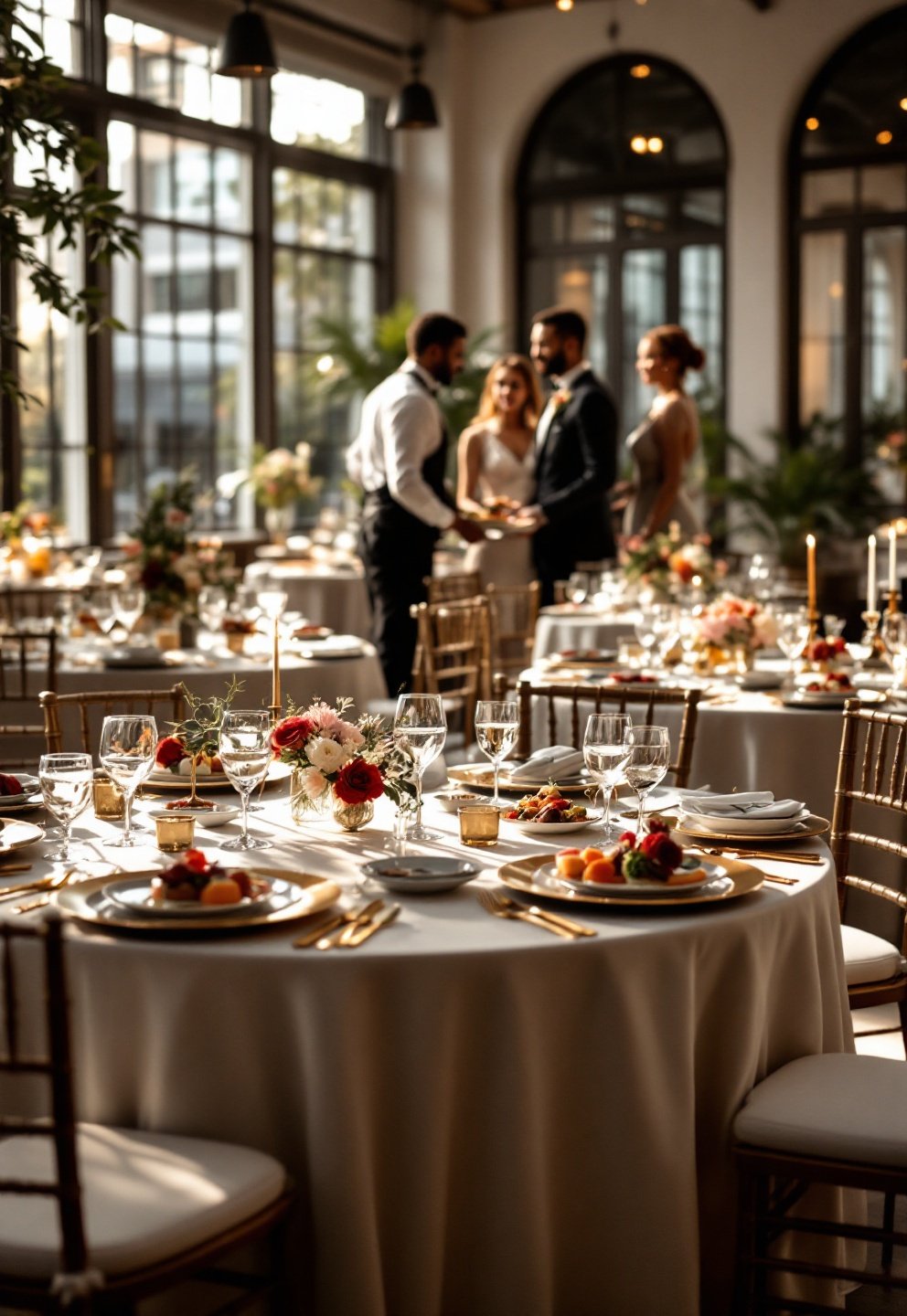
Run the math on a 100-person wedding in a mid-tier metro: a bundled deal at $12,000 for the venue plus $130 per person lands around $25,000 all-in—often less than piecing the same event together vendor by vendor. Numbers like that explain why a wedding venue with catering is the first search for couples who want one contract and one point of contact—but do the bundles cut corners you’ll care about? Here’s how to tell a genuine time-saver from a package that just hides its fees.
Key Takeaways
- Bundled wedding venue with catering packages streamline planning and are favored by Millennial and Gen Z couples for saving time and reducing stress.
- True cost savings and convenience depend on hidden contract clauses, menu flexibility, and accurate itemized cost breakdowns that generic planning sites overlook.
- The smartest couples learn to compare all-in-one quotes with DIY booking—and use negotiation-ready templates to get transparency on costs, customization, and contract details.
- Quick market snapshot — is a venue + catering package still a smart choice in 2026?
- Why couples are choosing bundled venue + catering now
- Common pain points when booking separate vendors (and how bundles solve them)
- Common complaints about all-in-one packages (where bundles can fall short)
- Real-world price ranges — bundled packages vs. separate bookings (how to compare)
- Sample itemized cost breakdown (quick templates to use in negotiation)
- What all-in-one venues typically include — catering options and customization levels
- Logistical, timing, and contractual differences to watch (checklist for contracts)
- How to decide: decision flowchart (when to bundle, when to hire separate caterer)
- What top planning sites and venue directories don’t tell you
- 2026 trend watch — what to expect in availability, pricing, and amenities
- Quick negotiation checklist and 10 questions to ask before you sign
- Short FAQ and final decision guide
Quick market snapshot — is a venue + catering package still a smart choice in 2026?
If you’re staring at a stack of wedding brochures and trying to decide between an all-in-one wedding venue with catering or a DIY team of vendors, start here: The U.S. wedding market in 2026 is bigger than ever. Total spend hit $65 to $100 billion in 2025. Venues typically take 24 to 40% of that budget, and there were about 2.01 million weddings in 2025. More spending is happening per event, but the number of weddings is steady or slightly dropping. (industry data)
Packages that combine ceremony space and in-house catering are the new norm, not just at luxury estates or ballrooms but even at boutique and outdoor venues. All-in-one wedding venue packages are heavily marketed for convenience, but as demand shifts—thanks to Millennial and Gen Z couples wanting better food and less hassle—pricing and availability are becoming more segmented by season, day, and what’s included. (Tagvenue NYC)
Why couples are choosing bundled venue + catering now
More couples are asking for wedding venue and catering packages (sometimes called a venue catering combo) for one main reason: life is busy. Millennials and Gen Zs work long hours, expect tech-friendly planning, and prioritize high-quality food and guest experience over managing a dozen vendor emails. They want “choose menu, add decor, approve”—not project-manage delivery timings and contract reviews across three companies.
Industry data shows clear movement toward premium, convenience-heavy bookings, plus strong demand for customization in both food and event design. The best luxury wedding venues know this—and so do many trend-savvy barn and garden estates that now market all-in-one options. Even popular flower wall rental and decor services are shaping their packages around the same logic: fewer vendor touchpoints, less administration, and more memorable experiences.
Common pain points when booking separate vendors (and how bundles solve them)
Going the independent route (separate venue, independent caterer, separate event decorator) can open menu and style options but increases logistical risk and time spent. With event decorators, caterers, rental vendors, and venues each issuing their own contracts, you’re on the hook to coordinate delivery slots, kitchen access, staffing plans, and who handles teardown. If your caterer’s staff arrives an hour late and the venue charges by the hour, surprise overtime bills aren’t uncommon.
Booking a wedding venue inclusive of food shrinks those risks. Fewer contracts, one main invoice, one team for setup and breakdown. Many couples find this alone is worth the slight premium (if any) in a competitive market.
Bundles also now fold in many extras: basic bar service, furniture, staff gratuities, even cake cutting. (But always confirm these details; not all “wedding packages with food and venue” are created equal.)
Common complaints about all-in-one packages (where bundles can fall short)
Not every couple should settle for an all-in-one wedding venue. The most common complaints? You might get less menu choice, as many venues contract for a handful of set menus or fixed “plated or buffet” formats. Some restrict cultural, fusion, or fully bespoke menus. Others require “full buy-in” for all food/beverage or levy extra charges if you want to bring in a specialty baker or chef. (MetaStat Insight)
If bespoke food or cultural authenticity is the top priority, or if you’re already working with a specific chef, the extra coordination of separate vendors may be worth it. But for most mainstream American and “fusion light” weddings, modern venue catering combos are much more flexible than they were even five years ago, with venues responding to younger couples demanding more.
Real-world price ranges — bundled packages vs. separate bookings (how to compare)
Ready for some numbers? Average venue rental in the U.S. is $8,500 to $14,300, making up 24 to 40% of total wedding spend. National average wedding cost is hovering around $34,000 to $36,000 (2023–2026). Independent catering is a $15.7 billion market, but price-per-plate swings by hundreds based on the market and service style. (IBISWorld)
Why is there no standard line-item comparison? Because venues and caterers bundle costs differently. A venue-and-catering “per person” price sometimes hides bar, cake, rentals, table service, and gratuity all in one line. Independent bookings split each into separate bills. To compare, always request a fully itemized sample invoice from both options—otherwise, “$170 per guest” from Venue A could be cheaper (or much more expensive) than $120 from Venue B, depending on what’s actually included.
Example: For a 100-person wedding in a mid-tier metro (not NYC or LA):
- Bundled package: $12,000 venue + $130/person catering (includes bar, service, rentals) = $25,000 (all in).
- Separate booking: $10,000 venue + $95/person catering + $4,000 rentals/bar/tips = $23,500 (if everything runs on time, with more work needed for coordination).
Always compare total bottom-line costs, not just sticker price.
Sample itemized cost breakdown (quick templates to use in negotiation)
Use these high-level negotiation templates to request actual itemized proposals:
| Budget Type | Venue Rental | Catering/Per Guest | Bar | Rentals | Staffing/Gratuity | Extras (Cake, Decor) | Total (Est.) |
|---|---|---|---|---|---|---|---|
| Budget Bundle | $7,500 | $85 x 80 = $6,800 | Included | Included | Included | $1,000 | $15,300 |
| Mid-Range Separate | $10,000 | $110 x 120 = $13,200 | $3,500 | $2,400 | $2,400 (at 20%) | $1,500 | $33,000 |
| Premium All-In-One | Included | $240 x 120 = $28,800 | Included | Included | $3,000 (at 15%) | $2,500 | $34,300 |
In bundled “wedding packages with food and venue,” most line items collapse into one quoted total. In DIY or separate contracts, each line may have taxes, service fees, and delivery charges that quickly add up. Bring this template to venue tours or strategy calls—clarity beats anxiety every time.
For an in-depth guide on specialty catering, see our traiteur catering overview.
What all-in-one venues typically include — catering options and customization levels
The best all-in-one wedding venue with catering will offer at least two to three menu tiers (from “classic favorites” to seasonal/chef’s table) and usually give a choice of plated, family-style, or buffet service. Some offer tasting appointments and digital menu-selection tools. As market research confirms, there’s more cultural menu flexibility now than ever, though independent caterers still win on full customization, allergy workarounds, and off-menu requests.
Look for venues with sustainability options—local ingredients, reduced waste service, or eco-friendly rentals. Bilingual staffing and event-specific catering (brunch, kosher, vegan, etc.) are rapidly expanding. Venues that offer brunch buffet or unique experience menus may offer even more distinctiveness for your guests.
Pro tip: Always ask for a tasting appointment before signing a final contract. This is where you can test both food quality and service style.
Logistical, timing, and contractual differences to watch (checklist for contracts)
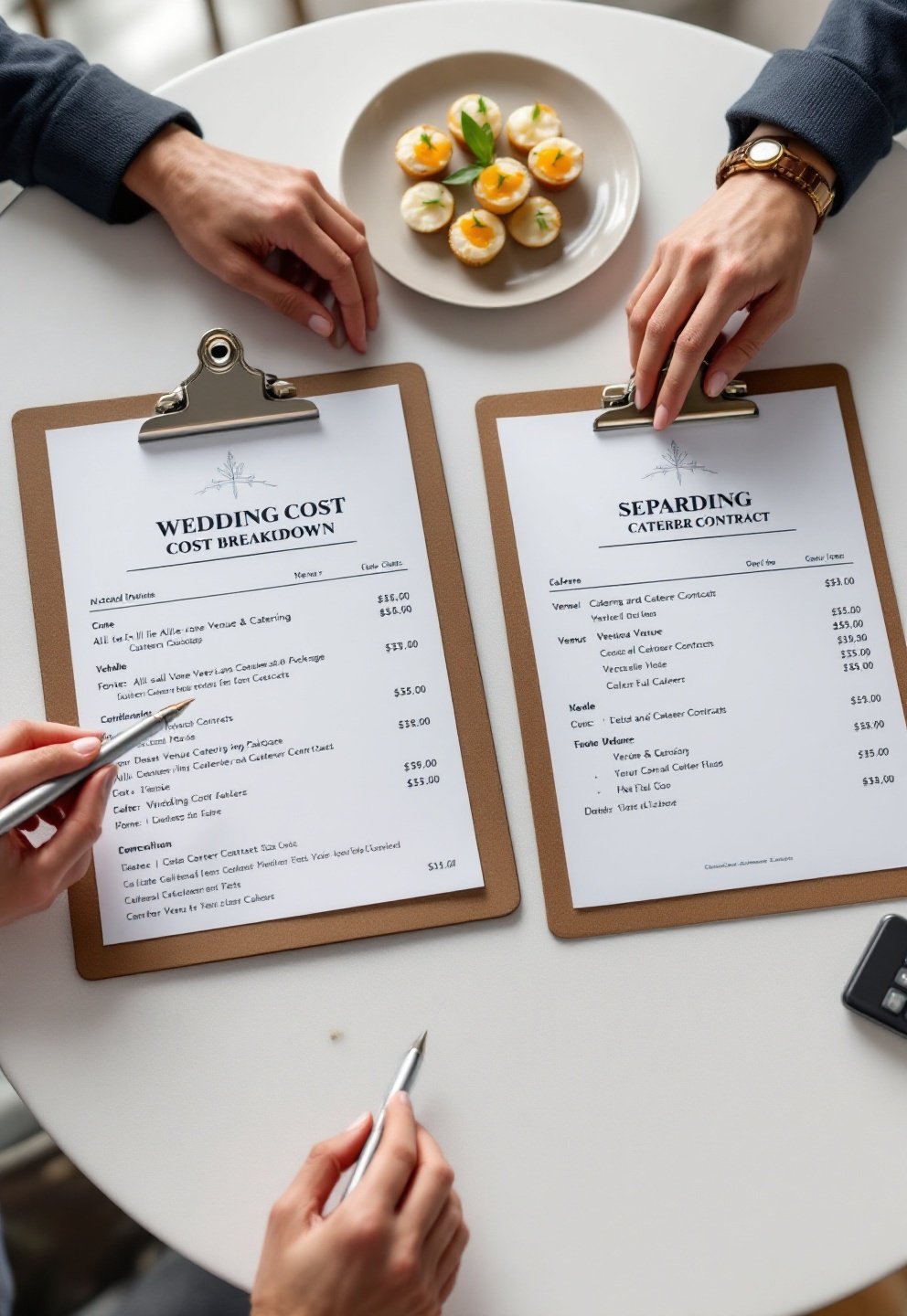
Don’t just glance at your contract—read line by line. Key clauses to look for in a wedding venue with catering package versus separate vendors:
- Minimum spend: Some require $15,000+ combined for venue and food; below this, you may lose perks or flexibility.
- Outside-vendor rules: Can you bring in your own cake or ethnic food vendor? Many all-in-ones prohibit this.
- Load-in/load-out timing: Are setup and breakdown included? Overtime is billed hourly and can be steep.
- Kitchen access: Are there fees if outside staff or specialty chefs use kitchen space?
- Service charges & gratuity: Is 18-22% included, or billed after, and does it go to staff or the house?
- Bar/alcohol rules: Who pulls the liquor license? Can outside spirits be brought without corkage?
- Cancellation/refund: Is your deposit refundable up to a date, or non-refundable under any circumstance?
- Liability & insurance: Who covers damage, guest injury, or third-party accidents?
Bundled contracts bring transparency and reduce interface headaches, but many couples only discover limits at the last minute. If you want to go deeper on event logistics, our party decoration ideas article covers setup, takedown, and safety for both home and venue settings.
How to decide: decision flowchart (when to bundle, when to hire separate caterer)
Here’s a practical flow for choosing between bundled wedding packages with food and venue versus booking vendors separately:
- How important is convenience vs. total menu flexibility? If time is scarce and you value one payment, one point of contact—choose bundled.
- Do you need a fully custom menu (cultural, allergy-specific, chef-driven)? Independent catering may win, but check if venues offer flex menus first.
- Are you on a tight budget—or want to prioritize guest count over extras? Bundles are often cheaper for micro-weddings or weekday events (per Tagvenue).
- DIY-inclined and already have favorite vendors? Separate contracts provide maximum control, but demand more admin and contract discipline.
- Luxury experience or high-touch service? High-end all-in-ones usually provide personalized options equal to third-party caterers, with less stress. See our luxury wedding venue guide for vetting.
Examples:
– Small, weekday micro-wedding: All-in-one packages are almost always the best time and money value.
– Large wedding with strict cultural or dietary needs: Separate, specialized vendors may be necessary.
– DIY, decor-focused couple: If you want to build the look yourself (table decor, table centerpieces, cake display), make sure your venue allows for outside rentals or installations.
What top planning sites and venue directories don’t tell you
Most wedding blogs and venue directories gloss over the details couples actually need: sample cost breakdowns, contract clause checklists, head-to-head comparison tables, full menu customization lists, and black-and-white operational schedules for the day.
To get ahead, request these items:
- Sample, itemized invoices for bundled and separate options
- Side-by-side contract templates (ask for a blank sample from both venues and caterers)
- Full menu and service customization lists by venue type
- Clause-by-clause walkthrough of kitchen, bar, and insurance rules
- Sample run-of-day timeline showing food, decor, and vendor load-ins
For deeper planning and creative ideas, don’t miss our resource on balloon garland and event flow, or for local vendor sourcing, consult our event decor near me checklist.
2026 trend watch — what to expect in availability, pricing, and amenities
Couples can expect continued premiumization in venue and catering combos through 2026, with Grand View Research projecting the wedding services market to reach $95.35 billion by 2030 on a 6.8% annual growth rate. That means package pricing will tighten on high-demand weekends, but more creative weekday and micro-wedding bundles will become available. (external data)
Look for more venues offering integrated digital planning, extra service customizations (brunch, pop-up bars, chef’s tables), and sharper segmentation (luxury, eco, classic, or minimalist packages). Flexibility and guest experience will drive many upgrades, but always ask for a full contract and sample bill before booking the “next big thing.”
Quick negotiation checklist and 10 questions to ask before you sign
- Who owns the liquor liability and permit?
- Are outside vendors (cake, decor, entertainment) allowed, and is there a fee?
- What’s the exact per-plate cost, and what does it include (bar, rentals, tax, service)?
- What are the staff-to-guest ratios? Is overtime extra?
- Can you see a sample event timeline and run sheet?
- Are deposits refundable—and what is the cancellation policy?
- How is gratuity structured—flat or percent? Is it mandatory?
- What tasting options are offered, and can you attend before booking?
- Bar and food service: plated, buffet, or family-style—and who decides?
- Who is liable for guest accidents or property damage?
Arrive at each venue or tasting with this checklist—plus your cost-comparison template. For specialty menu or bar needs, check sample contracts in our wedding reception venue walkthrough.

Short FAQ and final decision guide
Are wedding venue with catering packages cheaper than booking separate vendors?
Sometimes—but not always. Bundles reduce admin costs and can give you better pricing if guest count is under 100 or you want a weekday. Always compare total itemized costs, as some venues charge more “per guest” but include bar and decor others charge separately.
Can I bring my own caterer or cake if I book an all-in-one venue?
Often no, or you’ll have to pay a fee. Some venues are strict about in-house catering and preferred vendor lists. Clarify this before booking if you have non-negotiable food needs.
How do I compare per-plate pricing between venues?
Ask for a full itemized quote that breaks out venue, food, staffing, rentals, bar, taxes, and tips. Only then can you convert everything to a “per guest” baseline and compare apples to apples.
What if I need a fully custom or cultural menu?
All-in-one venues are more flexible than ever in 2026, but independent caterers still win on unique or highly specific requests. Bring your menu wishes to every preliminary meeting and see who says yes—or who stalls.
What’s the best way to get venue and food transparency fast?
Request a sample invoice and side-by-side contract. If a venue hesitates, that’s a red flag. If they have negotiation-ready templates, they’re probably used to working with serious, well-informed couples like you.
Bottom line: For most couples who prize stress reduction and want a one-stop solution, a bundled wedding venue with catering scores highest for time savings, cost transparency, and smooth guest experience. Start with your planning priorities—then request an itemized proposal from your top two choices today and see how the packages actually stack up for your dream event.
—