Luxury Wedding Venues and What Their Packages Really Include
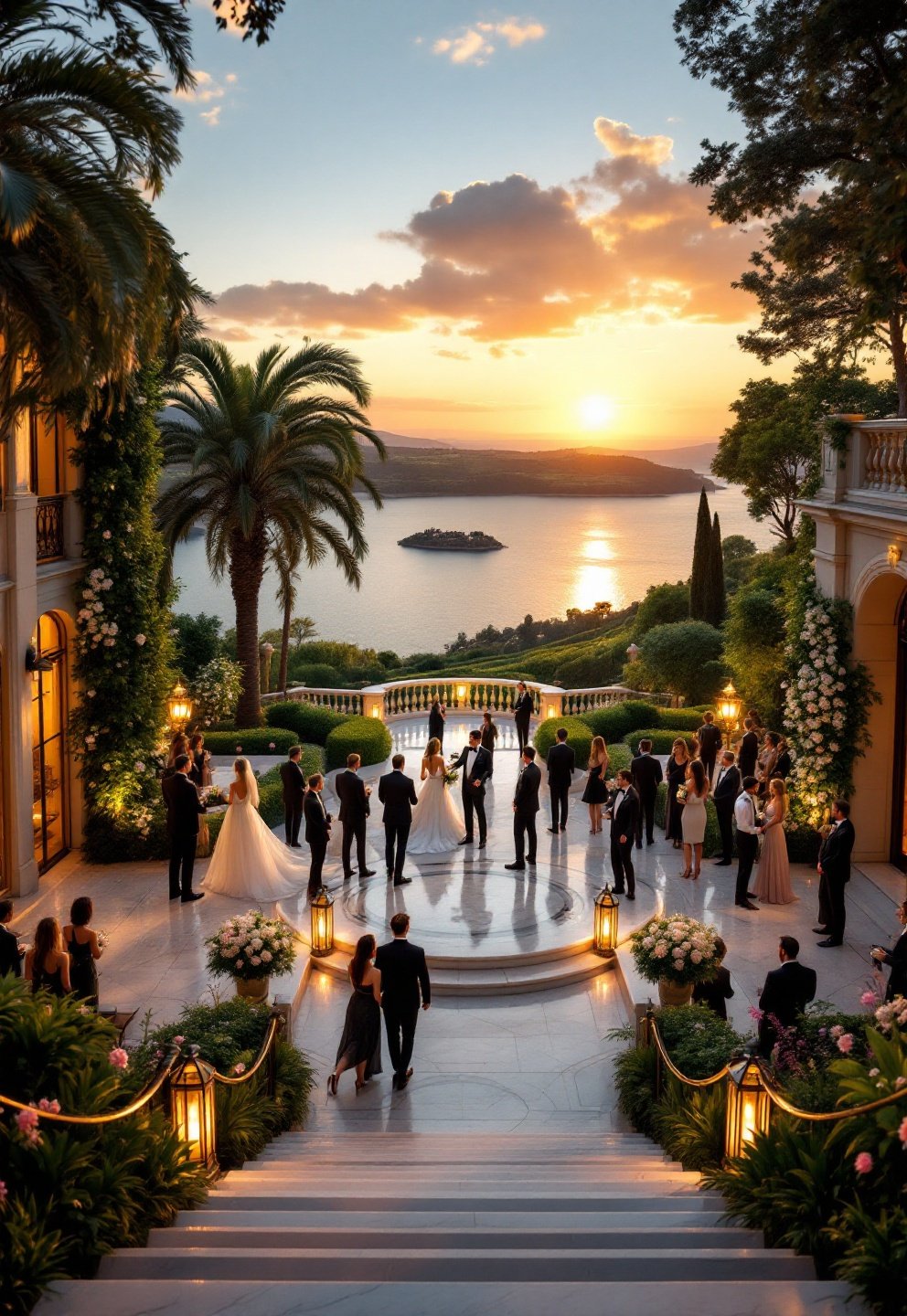
The defining luxury trend for 2026 is fewer guests spending more: destination celebrations now average just 60–70 attendees, with $250–$600+ budgeted per guest for venue and F&B. At that level a luxury wedding venue can absorb up to 40% of the total budget, so decoding what a package really delivers—privacy, integration, service—matters far more than the photo gallery. Here’s how affluent couples and planners separate true luxury from expensive appearances.
Key Takeaways
- Luxury wedding venues often capture up to 40% of a total wedding budget; experiential ROI (privacy, integration, and service) matters more than mere looks.
- Transparency is king: Scrutinize hidden fees, verify service ratios, and benchmark exclusive-use and all-inclusive package models before committing.
- Affluent buyers trust verified prestige signals and real-world performance—use data, planner referrals, five-star ratings, and robust review profiles to shortlist with confidence.
- Why a true luxury wedding venue matters (value vs. vanity)
- The defining trend for 2026: fewer guests, higher spend per guest
- Pricing models decoded — space-only vs. bundled vs. all-inclusive vs. exclusive hire
- The true cost picture — common hidden fees and where prices jump
- Accommodation matters — how venues with lodging change the equation
- Verification & prestige signals — what affluent buyers actually trust
- Where luxury venues fall short — the service failures that generate complaints
- What top listings omit — questions every RFP and site visit must answer
- Measurable ROI & KPIs affluent buyers use to justify premium spend
- How to shortlist, negotiate, and make the final decision (practical playbook)
- Quick reference: sample questions & red flags for site visits and contracts
Why a true luxury wedding venue matters (value vs. vanity)
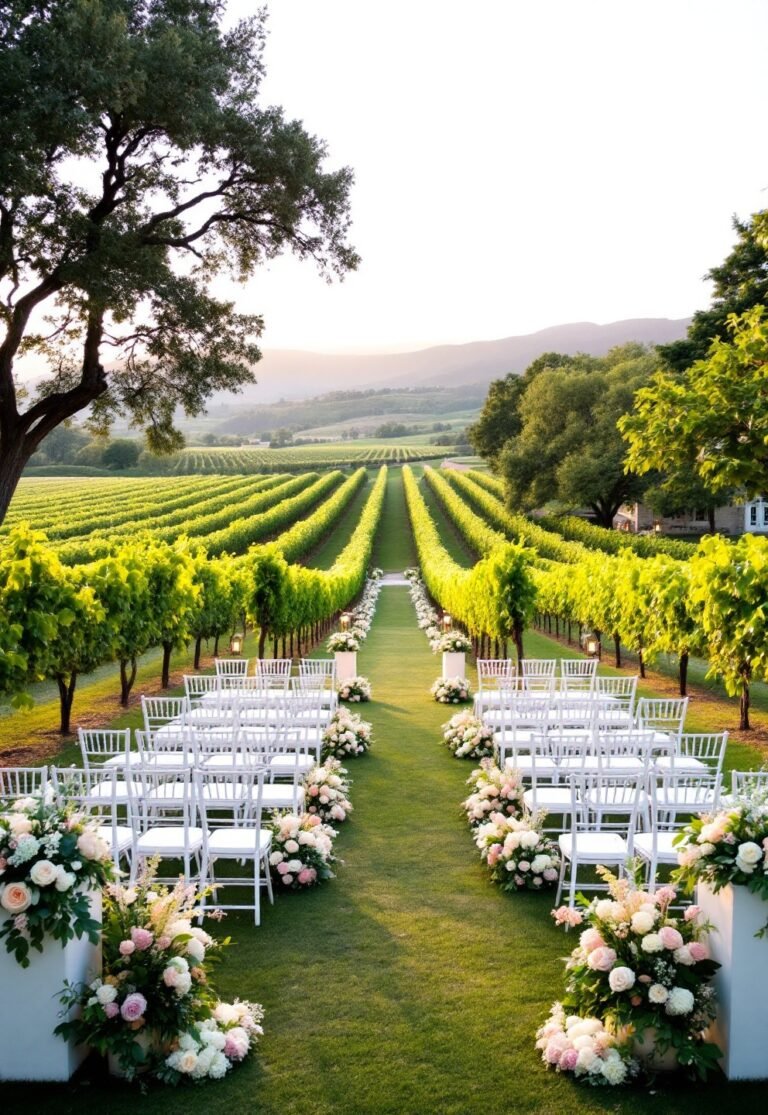
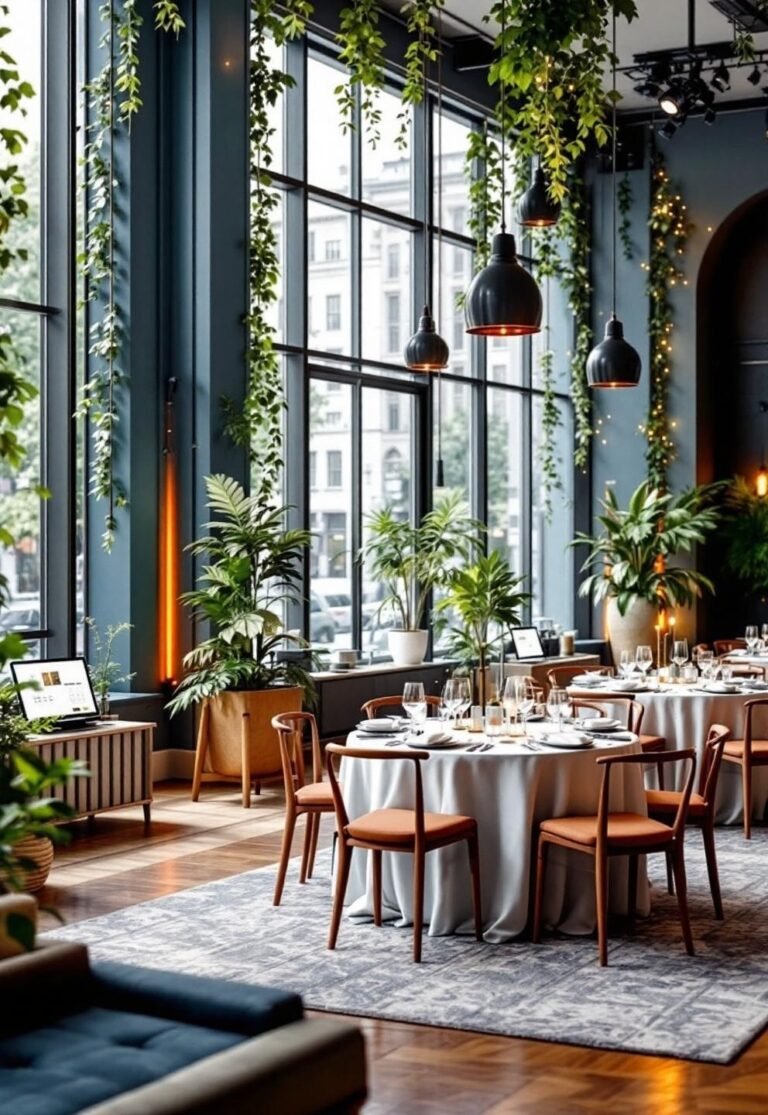
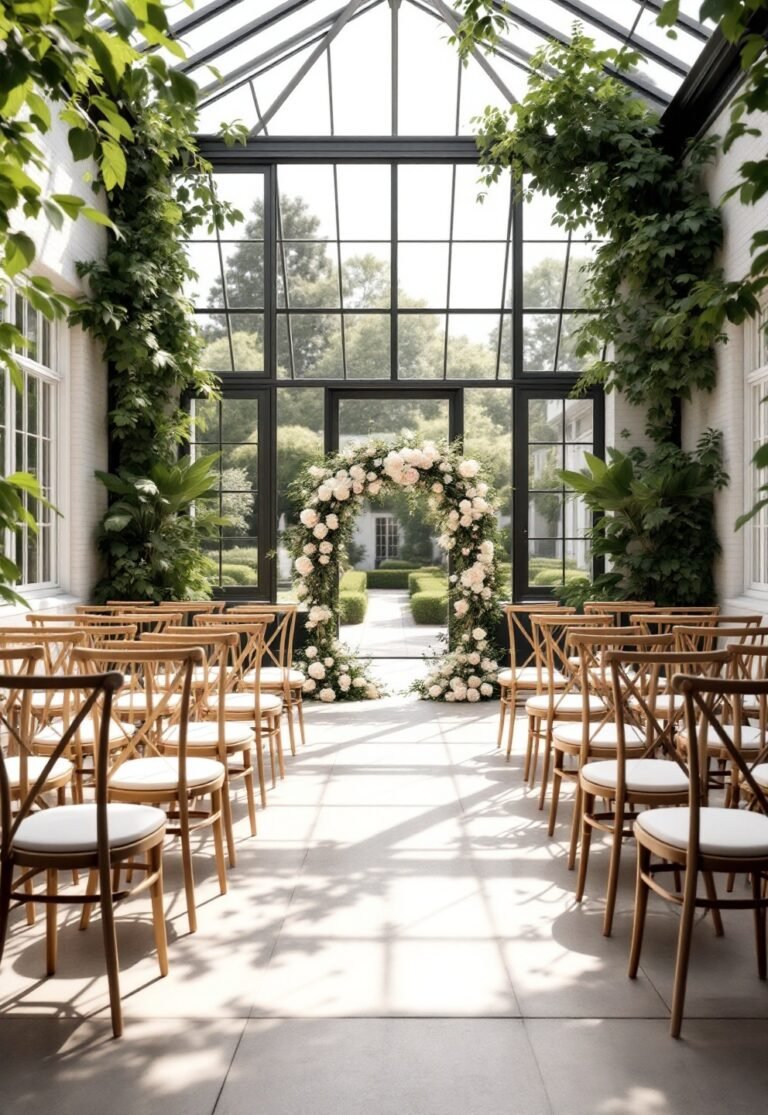
The difference between a true luxury wedding venue and an ordinary “nice” space comes down to more than interior finishes or a prestigious address. The right venue shapes up to 40% of your wedding investment—often exceeding $12,000 to $70,000+—and sets the tone for exclusivity, service, and seamless guest experience. Privacy, staff-to-guest ratios, and photogenic settings create experiential ROI that goes far beyond just upscale aesthetics (source).
While an average U.S. couple spends about $32,899 on their wedding in 2025, venues claim roughly $8,500 to $12,200 for standard rentals—and far higher for high-end or exclusive properties (source). The true value of a 5-star wedding venue is in the controlled environment, decisive service, and memorable moments—not just the Instagram backdrops. Choosing wisely means protecting guest comfort, reducing risk, and unlocking multi-day enjoyment for destination or once-in-a-generation celebrations.
For planners and couples, true luxury is about confidence in experience, not just décor spend or the word “exclusive” on a brochure.
The defining trend for 2026: fewer guests, higher spend per guest
Affluent couples and their planners now prioritize depth over breadth: smaller guest lists, larger per-person investment, and immersive multi-day packages.
National guest counts hover at 122–132, but luxury and destination weddings now average just 60–70 attendees, with $250–$600+ per guest budgeted for venue and F&B (source). Instead of growing headcounts, premium clients are leveraging high-end wedding venue packages (often $25,000–$70,000+) for elevated food, custom service, and multi-event experiences like welcome dinners and farewell brunches.

The impact: luxury venues with accommodation become event headquarters, capturing more wallet share and justifying higher spend through guest buy-in and seamless logistics. Smaller scale, bigger impact, higher service standards.
Consider cost-per-guest math: For an 80-guest destination bundle at $600/head, the venue+F&B spend is $48,000—similar to (if not exceeding) a 200-guest city luxury ballroom at $275/head. This is where negotiation on accommodation block, exclusivity, and integrated service elevates the experience.
To craft a truly unforgettable event, use scenario quotes and compare per-head inclusions—especially with local wedding venue options or outdoor wedding venues.
Pricing models decoded — space-only vs. bundled vs. all-inclusive vs. exclusive hire
Luxury wedding venues typically employ three main pricing models, each with major cost and risk implications:
- Space-only rental: Pay for the blank venue ($3,000–$8,000+), then source all vendors (catering, bar, décor), which adds flexibility but also coordination risk and hidden costs. Ideal for hands-on planners or unique décor demands. Downsides: more unknowns, vendor markups, less service consistency.
- Bundled package: Venue combines space, catering, and bar with per-head pricing ($12,000–$25,000+), often with minimums. Streamlines RFPs and reduces vendor negotiations.
- All-inclusive luxury package: One price ($25,000–$70,000+), covering venue, F&B, rentals, staffing, and sometimes basic flowers, entertainment, or AV. Delivers maximum convenience for time-poor or destination couples but can bake in premium markups.
- Exclusive wedding venue hire: Entire estate or resort is yours for 24–72 hours, with fees of $50,000–$100,000+ in ultra-luxury markets, often excluding F&B. Guarantees privacy and bespoke scheduling for multi-day programs.
Pick the model that aligns with your control needs and risk tolerance. For major events involving complex installations (like flower wall rentals or custom decorators), bundled or exclusive-use venues can reduce failure points. If you demand ultra-custom setups or have trusted vendors, space-only may be viable—just ensure you account for all add-ons, coordination, and insurance requirements (source).
The true cost picture — common hidden fees and where prices jump
Initial venue quotes rarely reflect final billing. Here’s what to watch:
- Service charges: Standard at 20–25%, these can add tens of thousands—especially on bundled or all-inclusive plans.
- Taxes: Often excluded from first quotes; confirm state/local rates up front.
- Overtime and extension fees: What is the per-hour cost if you run late? Is teardown billed separately?
- Mandatory staffing charges: Many luxury venues enforce server-to-guest minimums or bartender ratios—but these are not always spelled out.
- Corkage and cake-cutting: Bringing your own wine or cake? $5–$25/head surcharges are not rare.
- Food & beverage (F&B) minimums: Don’t get locked into minimums that far exceed your actual guest headcount—they are leverage points in negotiation.
Negotiation checklist: Always request a line-item sample contract, projected final invoice, and ask for hidden fees in writing. Benchmark your venue rental ($8,573–$12,200 standard, $25,000+ luxury), package charges, and service percentage against industry averages from recent research (source).
Be especially vigilant if your venue markets itself as a high-end wedding venue—high pricing should mean clear, all-in transparency, not surprises.
Accommodation matters — how venues with lodging change the equation
Luxury wedding venue with accommodation models open up unique opportunities but also create new negotiation points:
- Integrated estates and resorts: On-site lodging allows multi-day experiences (welcome dinner, spa day, etc.) and more guest wallet share—average spend is $1,400 per guest for accommodations alone (4 nights at $300–$400/night).
- Privacy and exclusivity: True property buyout is priceless for VIP guests but confirm it’s truly exclusive (no competing events or walk-ins from hotel guests).
- Logistics and service: Integrated venues should offer seamless event-to-guest-room transitions, VIP check-in, and ease of planning. Disconnects between event and lodging teams can create real-world headaches and negative reviews.
Non-lodging venues may seem cheaper but require tighter planner coordination—and often higher out-of-pocket spend on transportation, late-night shuttles, and logistical vendors. For multi-day destination celebrations, luxury venues with lodging often deliver higher guest satisfaction and program value (source).
For a specific accommodation and service tier, consider reviewing wedding reception venue options in parallel.
Verification & prestige signals — what affluent buyers actually trust
Contrary to perception, there’s no official “luxury wedding venue” certification. Instead, savvy buyers use multiple objective proxies:
- Hotel star ratings: Only five-star or elite four-star hotels (awarded by formal hospitality organizations) provide true luxury baselines. Brand affiliations such as Leading Hotels, Relais & Châteaux, or Forbes-rated resorts add credibility.
- Planner referrals: Trusted planners’ prior real-world experience with a venue is one of the most reliable indicators of actual service delivery, beyond just online appearance.
- Online footprint: Dense, high-quality reviews on The Knot, Google, and Zola; featured real weddings and walkthroughs on Instagram/TikTok.
Self-applied luxury labels mean little without these signals. Even ultra-luxury venues with accommodation counts are evaluated by this composite credibility.
For verification, do not accept “private” or “exclusive” phrasing without documented proof. Confirm with planners, browse robust review profiles, and demand recent references (source).
Where luxury venues fall short — the service failures that generate complaints
High pricing does not guarantee high service. Common breakdowns:
- Staffing gaps: Too few servers or slow bar staff cause immediate guest dissatisfaction. Ensure venues disclose their minimum staffing ratios up front.
- No empowered coordinator: Even five-star venues sometimes lack a dedicated, decision-making day-of coordinator with real authority—leading to confusion and reactive “service by committee”.
- Rigid vendor and schedule policies: Restrictions on decorator choices or late-night hours may blindside you later. Always get operating rules in writing.
- Room block/attrition disputes: In venues with on-site lodging, poorly managed room release or minimums can leave couples stuck with costly unused space and acrimonious disputes.
Before booking, compare negative reviews for similar venues, and if possible, talk to couples or planners who held recent events there. Consider service flexibility, not just aesthetics, as key ROI.
Reviews for even distinguished venues reference pitfalls in room block management and coordination—topic areas often overlooked by buyers in the rush to secure the perfect view. For more insight, visit our guide to outdoor wedding venue planning.
What top listings omit — questions every RFP and site visit must answer
High-ranking venue sites emphasize imagery, but skip crucial operational and financial specifics. Go beyond the brochure—insist on documented clarity:
- Ask for pricing scenarios: Peak/off-peak, 75% vs. 100% RSVP attendance, and a full sample contract.
- Demand explicit planner, server, and bar staff ratios per guest count—including backup coverage.
- Require exclusivity guarantees in writing. Will your celebration truly be private? Any potential for overlapping events or hotel guest intrusion?
- Request full transportation, valet, shuttle, and accessibility plans in advance.
- Probe for post-event cleanup timing, deposit return, and any late checkout policies for the couple.
- Ask about sustainability credentials: Local sourcing, waste policy, and eco-certification can be a differentiator for modern couples.
Negotiate every omission. These are your leverage points to reduce execution risk and align the offering to actual priorities. If you need sample RFP scripts or venue questionnaires, explore our event planning guides.
Measurable ROI & KPIs affluent buyers use to justify premium spend
Luxury spend is justified when you can convert aspiration into numbers that matter. Top KPIs for couples and planners:
- Total cost per guest (venue + F&B + accommodations): Compare across venue types and regions for apples-to-apples analysis.
- Guest satisfaction score: Even informal feedback—number of “best wedding ever” comments—provides powerful post-event ROI measurement.
- Tour-to-booking rate: How fast you moved from inquiry/tour to booking. Elite venues convert faster not just because of beauty, but operational clarity and decisive responses. Planners track this internally.
- Number of vendors consolidated: All-inclusive and exclusive wedding venue hire reduces contract volume and planning headaches. Quantify hours or risk eliminated.
- Image/content quality: “Photogenic value” impacts both wedding album and future social-share value—crucial for many couples and planners alike.
Smart buyers benchmark these stats before signing. Venue owners should track average booked budget, post-event review scores, and referral rates to stay competitive (source).
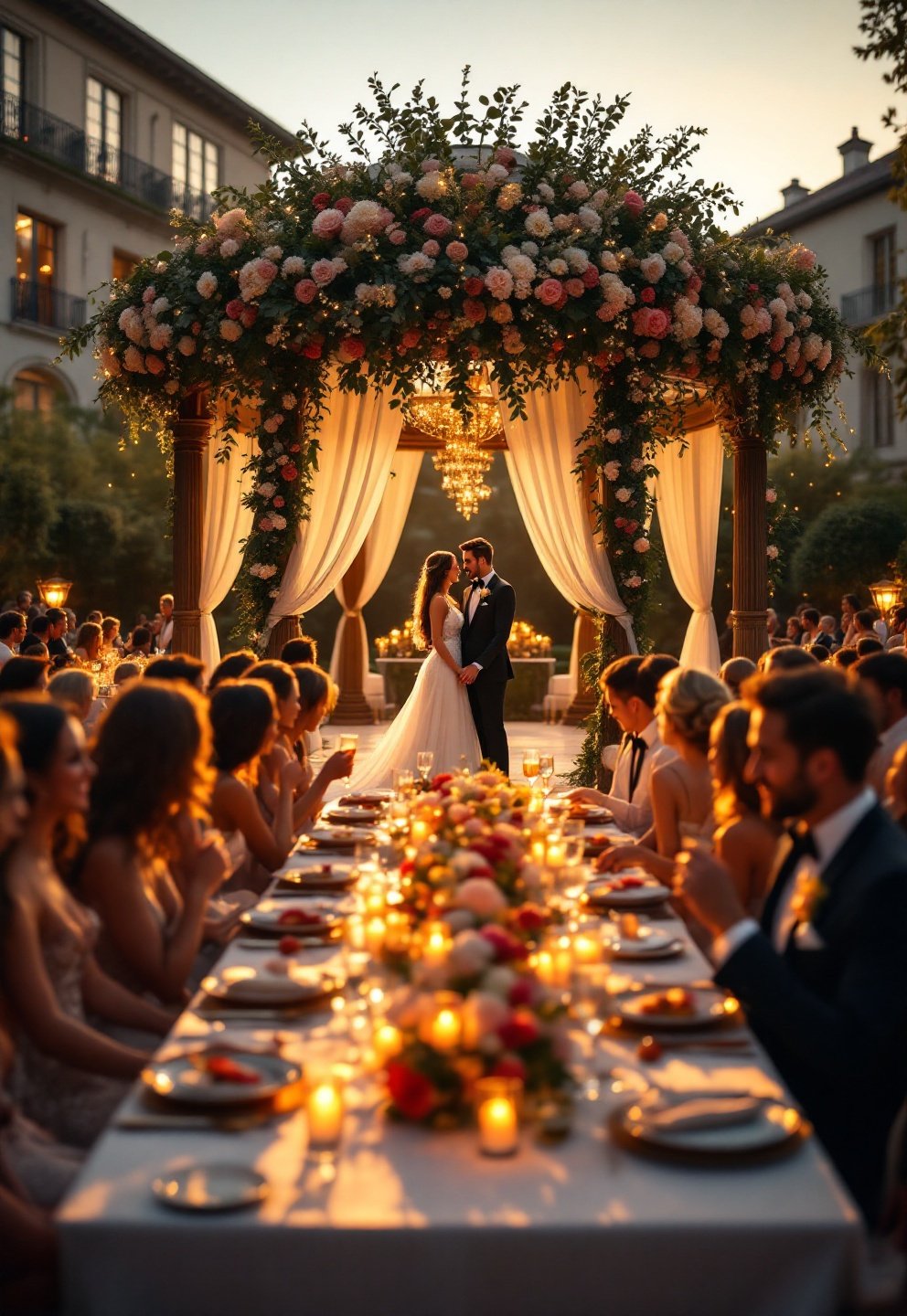
How to shortlist, negotiate, and make the final decision (practical playbook)
Use this no-nonsense buyer playbook:
- Start by filtering venues by published minimums and credible signals (actual five-star, trusted brands, or planner peer reviews).
- Always request: a) line-item contract sample with seasonal/guest scenarios, b) full quote for 75% and 100% headcounts, c) staffing ratios and exclusivity clauses in writing.
- Benchmark: Confirm service charges quoted (should be 20–25%), venue rental ($8,573–$12,200 average, $25,000–$70,000+ for true luxury), and negotiate down non-core add-ons or inflexible F&B minimums.
- Push for meaningful concessions: room block flexibility, waived hidden surcharges, transparent overtime and cleanup billing, and firm coordinator assignment in your contract.
- Before deposit, run a quick-risk matrix: Who handles what if the point person is sick? What if weather forces indoor shift? Meet or video-call your day-of coordinator in advance.
Working with a professional event decorator or engaging event decor near me services can further reduce risk and boost style cohesion. Remember, luxury is not about spending for the sake of it—it’s about confident, controlled delivery.
Quick reference: sample questions & red flags for site visits and contracts
- How many simultaneous events run on my date? Are there exclusivity hours—and in writing?
- What is the exact per-hour overtime charge (venue, catering, staff)? Is teardown included?
- What are the precise server:guest and bartender:guest ratios? Get these in the contract.
- Can you provide a sample final invoice with all mandatory fees? Insist on this for transparency.
- Red flags: Undisclosed mandatory fees, vague attrition clauses, no named/in-charge coordinator, no backup staff plan.
Remember: Research finds that missing price and staffing transparency are top cause of mismatched expectations and contract disputes. Insist on details, compare offerings, and use checklists for every step. For creative inspiration, see our curated party decoration ideas section.
Conclusion
Choosing the right luxury wedding venue is less about optics and more about experience, clarity, and outcome. Prioritize properties with true five-star signals, review venue packages with a comparison lens, and demand transparency in every cost and service promise. Use negotiation levers and scenario-based pricing to protect your budget and ensure flawless execution. With this approach, your luxury wedding venue will deliver the value, privacy, and impact you expect—no unpleasant surprises, only exceptional memories.
Ready to create a truly distinctive celebration? Start shortlisting, ask the tough questions, and make your venue work for you—not the other way around.
Frequently Asked Questions
What’s the real average cost for a luxury wedding venue in 2026?
All-in, expect to pay $25,000–$70,000+ for a true luxury venue package, though exclusive-use venues in premium markets can exceed $100,000 depending on headcount, accommodation, and add-ons.
Are service charges and gratuities always included in venue quotes?
No. Most luxury wedding venues quote base rates and add a 20–25% service charge—and this is often not highlighted up front. Always get a final, line-item quote.
How can I verify a venue’s luxury status if there’s no official certification?
Look for genuine five-star hotel ratings, elite brand affiliations, dense and high-quality online reviews, and direct planner referrals. Don’t rely on marketing copy alone.
Which negotiation points actually move the needle at luxury venues?
Concessions on food and beverage minimums, flexible room block commitments, guaranteed staffing ratios, waived corkage, and written exclusivity clauses are all realistic leverage points.
What details are most often omitted from venue listings?
Precise service/staff ratios, detailed sample invoices, privacy/exclusivity guarantees, transportation logistics, and post-event cleanup/checkout policies—always ask for these in writing.