Outdoor Wedding Venue Planning for Every Season
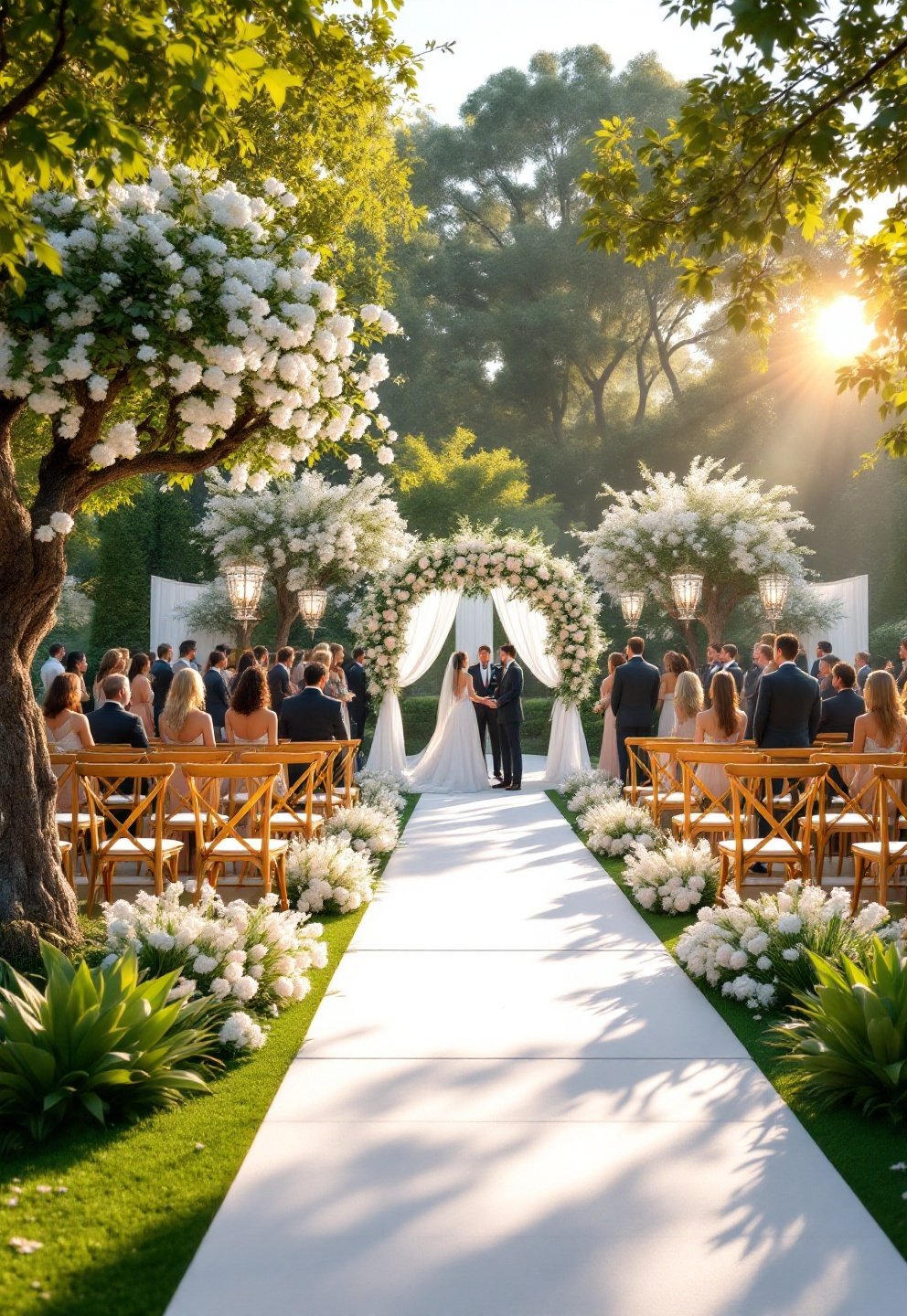
Outdoor wedding venue research starts early—and for good reason. Booking the right outdoor or garden setting involves more than hunting for beautiful backdrops. Couples want clear logistics, transparent pricing, and a solid strategy for weather or permit issues, all without hidden surprises. If you want confidence shortlisting and booking a scenic space for your day, this guide breaks it down with market insights, concrete checklists, and actionable questions every couple should be asking.
Key Takeaways
- Outdoor wedding venues—especially gardens and rustic estates—remain in high demand, often consuming 24–40% of wedding budgets.
- Ceremony views, guest comfort, backup plans, and permit/logistics clarity are the top priorities when evaluating any outdoor wedding venue.
- Failing to get written answers on rain plans, vendor restrictions, parking, and price inclusions is the fastest way to regret your venue choice.
- Market snapshot — why outdoor & garden wedding venues are still growing
- Why choose a garden wedding venue (benefits vs. other outdoor options)
- Weather risks every couple must plan for (and exact contingency options)
- Permits, insurance & legal must-knows (what to ask by venue type)
- What couples prioritize in rustic venues, barns & vineyards
- Typical cost ranges & budgeting guidance for outdoor venues
- Top logistics pain points couples report — what to test on a venue tour
- Practical touring checklist — exact questions and specs to get in writing
- Seasonality, comfort & guest experience details (beyond photos)
- Vendor policies, contract red flags, and negotiation levers
- Conclusion: Book your outdoor wedding venue with confidence
- FAQ: Outdoor Wedding Venues
Market snapshot — why outdoor & garden wedding venues are still growing
Outdoor wedding venue demand remains strong in 2026 and beyond. Industry data shows the U.S. wedding services market is projected to hit $95.35 billion by 2030, up from $64.93 billion in 2024—a healthy 6.8% CAGR (source). Average wedding spend is rising to $34,200 per event, with venues typically absorbing 24–40% of that (roughly $8,500–$14,300).
This growth is pushing venues to invest in gardens, estates, and greenhouse spaces, giving couples more scenic options but also driving up competition for the best dates and amenities. According to The Knot, “ballrooms and barns are out; unconventional venues are in,” but barns and rustic spaces still make up almost 17% of all receptions ( source).
Bottom line: Booking an outdoor or wedding venue near me is more competitive. Expect higher demand for clear pricing and real infrastructure—especially at locations offering garden views or weatherproof rustic setups.
Why choose a garden wedding venue (benefits vs. other outdoor options)
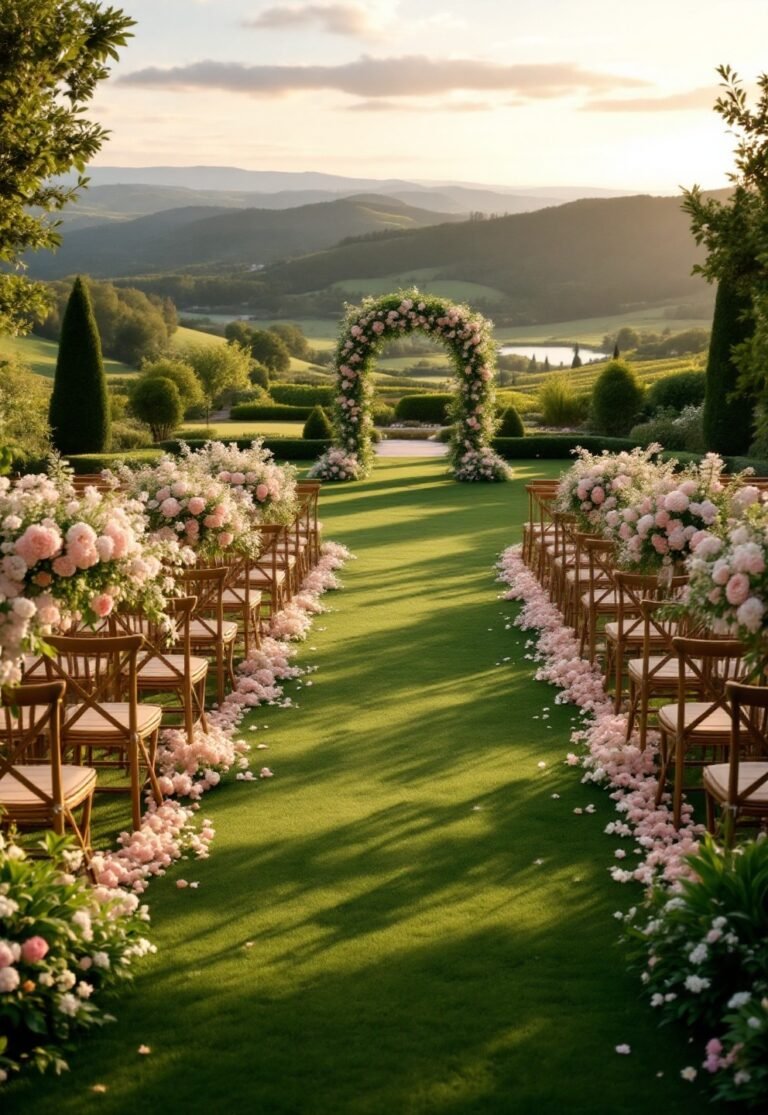
Garden wedding venues deliver emotional and practical value. Botanical backdrops mean lush ceremony photos, built-in greenery for shade and temperature, and a guest experience that feels a touch magical. Compared to barns and vineyards, gardens often include established landscaping, mature trees, and seasonal flowers for stunning flower wall moments.
Trade-offs? Barns and vineyards offer built-in rain cover (barns double as backup), while open gardens may require tenting or a strong backup plan for weather. Historic estates with gardens can provide both: elegant outdoor space and an indoor fallback.
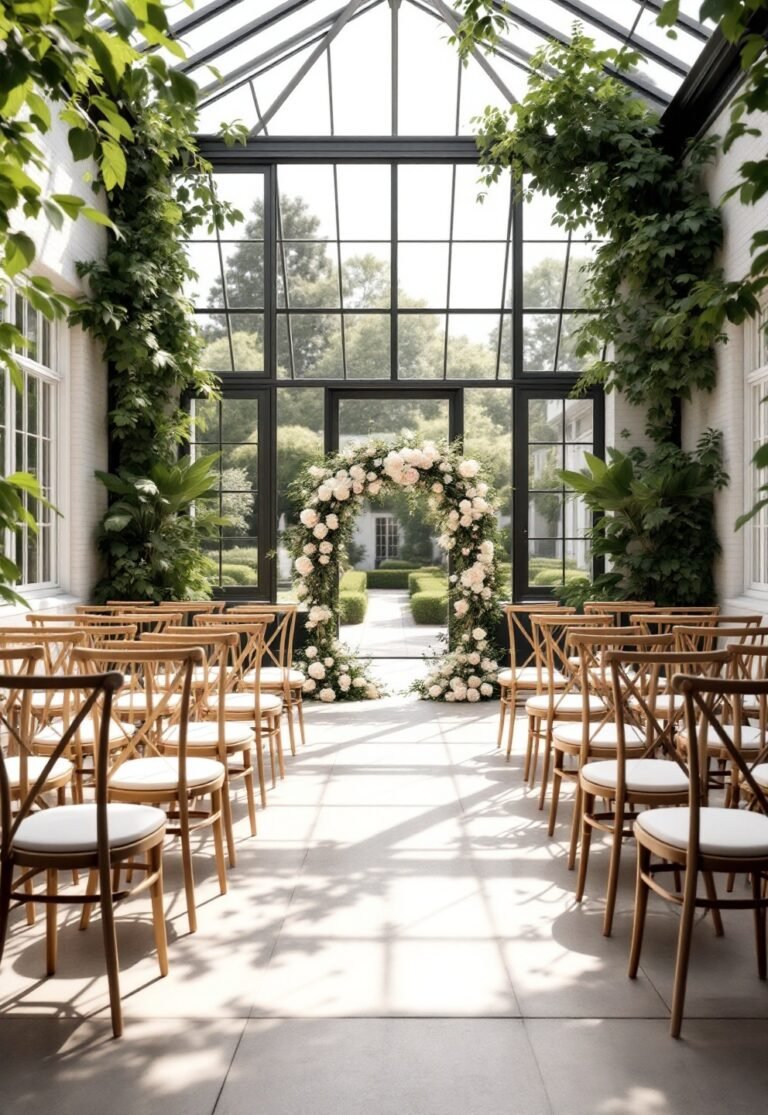
According to The Knot, more couples are seeking botanical gardens, greenhouses, and estate lawns for a memorable and unconventional outdoor wedding ceremony venue ( source). Whatever you choose, prioritize ceremony views, onsite photo options, and the realism of the backup plan versus your guest count.
Weather risks every couple must plan for (and exact contingency options)
Weather is the #1 anxiety point for every outdoor wedding venue. Rain is the most common reason to trigger a backup plan, but don’t underestimate heat, wind, or muddy ground. Every venue should offer a published, written rain backup plan and explain secondary options for extreme heat/cold, or wind.
Concrete backup options include:
- A full-capacity indoor alternate room (fit your entire guest list, not just half).
- A permanently installed tent or event-quality rental tent specs with floor, walls, and HVAC options.
- Fans, heaters, or climate control add-ons for seasonal comfort.
- Contingency lighting, walkways, and backup generators for weather or evening events.
Venues are now expected to publish these contingency details (source). Ask for sample rain backup diagrams, not just verbal promises, before booking any wedding reception venue.
Permits, insurance & legal must-knows (what to ask by venue type)
Outdoor wedding venue contracts involve extra legal hurdles. Common requirements by space type:
- Public parks/beaches: County or city event permits, noise ordinance compliance, insurance policies, and possibly parking/traffic control.
- Botanical gardens/historic estates: Usage permits, proof of insurance, vendor access rules, and rental time windows.
- Wineries/Barns: Alcohol service rules (often strict), noise/time limits, and detailed vendor or alcohol liability insurance.
No matter the venue, always ask:
– Is a municipal or county event permit required? Who obtains it and pays any fees?
– What are the exact noise curfew hours and volume limits?
– Is parking or shuttle approval from local authorities needed?
– Is our insurance (or vendor’s) sufficient for your requirements?
– Will there be contract clauses related to weather or capacity?
Unclear on contracts? Review our event decorator guide for more on legal musts and vendor compliance topics.
What couples prioritize in rustic venues, barns & vineyards
For couples dreaming of an outdoor wedding venue with barn, the wish list is practical and highly visual:
- Scenic options for ceremony and reception photos
- Reception layout flexibility (e.g., dance, dinner, cocktail areas)
- Barn or covered site as true rain insurance
- Precise capacity info by setup type
- Clear parking and nearby lodging/shuttle guidance
- Vendor load-in/out logistics for DIY or outside caterers
- Authentic rustic touches: beams, string lights, vineyard views
The Knot shows barns/farms/ranches still host 17% of all wedding receptions (source). But couples also seek pricing transparency, so request an itemized “what’s included” list and sample layouts. For rustic inspiration, explore our party decoration ideas and table centerpiece ideas resources.
Typical cost ranges & budgeting guidance for outdoor venues
Venue rental remains the largest single wedding expense, typically 24–40% of your wedding budget. Recent studies show:
- Average venue rental: $8,500–$14,300 (2025 data)
- The Knot: $12,200 average venue spend
- Zola: $8,573 average (range: $6,900–$10,300)
Costs fluctuate based on:
- Region and local demand
- Included amenities (tents, tables, lighting, climate control, restrooms)
- Hours of access and staff support
- Backup space quality (barn vs. tent with flooring and HVAC)
- Off-peak discounts (Fridays, Sundays, shoulder season months)
Scenario guide:
- Basic garden site (no tent): $4,000–7,000, amenities a la carte
- Barn venue with some décor: $8,000–13,000, often includes tables/chairs, sometimes a rain backup
- Fully tented estate (with HVAC/lighting/floors): $12,000–18,000+, can quickly climb based on tent size and extras
Top logistics pain points couples report — what to test on a venue tour
Most negative outdoor venue reviews focus on core logistics:
- Insufficient parking or lack of clear arrival maps
- Long walks, muddy paths, or poor accessibility for elderly/disabled guests
- Vendor restrictions or inflexible vendor access
- Unwritten or unclear rain backup options
- Unavailable or overloaded restrooms
- Poor signage, shuttle confusion, or absent onsite contact on event day
Bring these concerns up on your tour. Internal feedback from event decor near me professionals repeatedly stresses testing these logistical points, especially for larger groups or more complex outdoor layouts.
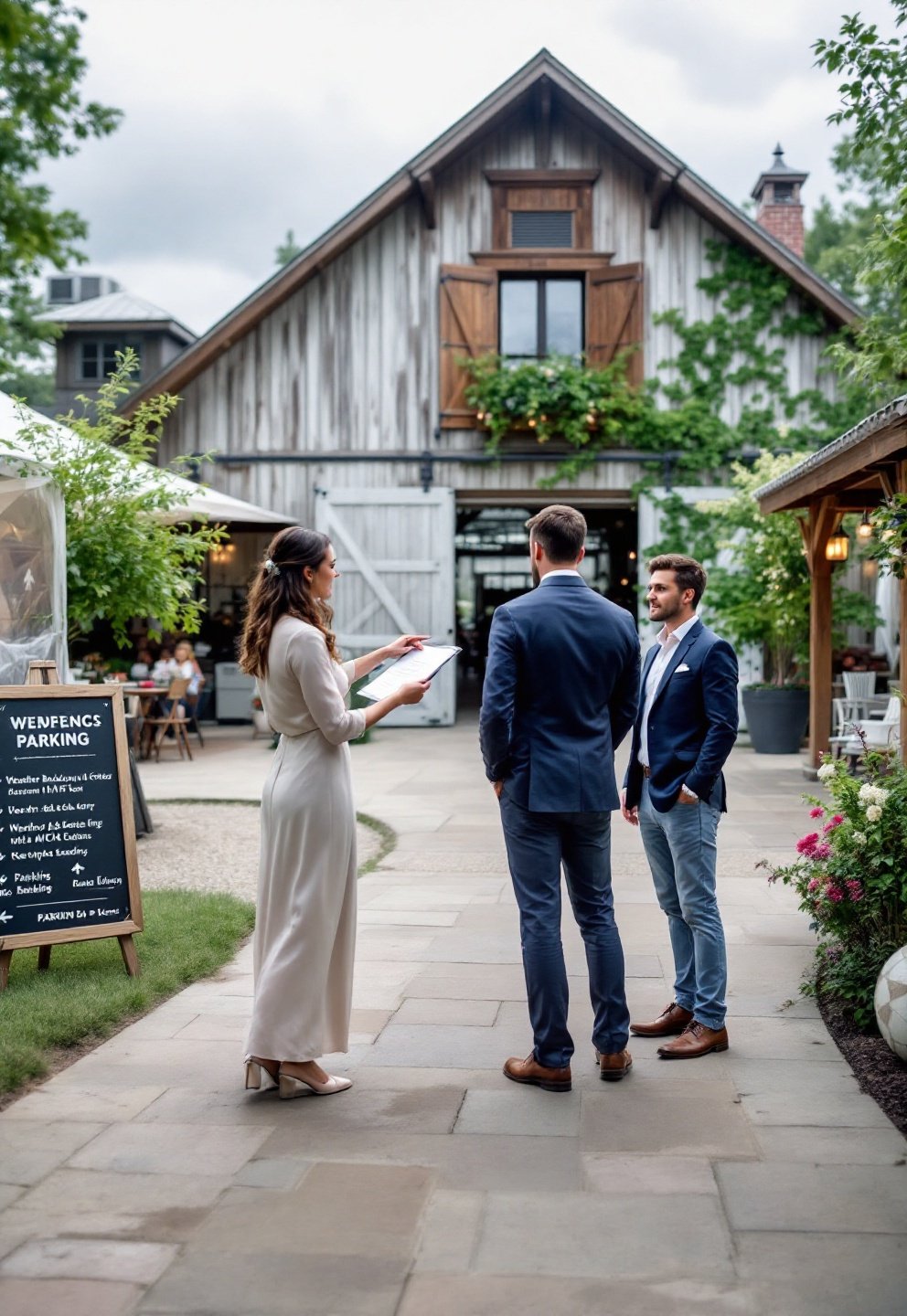
Practical touring checklist — exact questions and specs to get in writing
Here’s a template for must-ask questions and specs to bring on every outdoor wedding venue or garden wedding venue tour:
- What is the seated and standing max capacity for ceremony, dinner, and dancing?
- Is there a detailed, written rain-backup plan (with diagrams and sq. footage)?
- What are the tent specs: size, flooring, HVAC, lighting—who provides and when is it set?
- What permits are required and who is responsible for securing them?
- Precisely what time is the noise curfew?
- What insurance certificates are required?
- Are there vendor setup and load-out timelines (can vendors come in the day before)?
- What’s the parking layout/shuttle plan—can you supply sample maps?
- Are ADA restrooms and accessible paths guaranteed?
- Can you show sample setup diagrams and all-inclusive vs. add-on price lists?
Make sure every answer is in writing or on the venue’s official PDF guide—verbal promises disappear fast. Couples who prioritize questions on rain backup, parking, and permitted vendor access generally have smoother experiences (source).
Seasonality, comfort & guest experience details (beyond photos)
Beautiful settings matter, but operational details shape how guests remember your wedding. Seasonality means more than just fall color or spring blooms:
- Peak sun or rain windows affect ceremony timing and golden hour photos
- Rent extra shade, fans, or heaters for guest comfort
- Insect abatement (citronella, bug sprays, fans) is non-negotiable for summer
- Plan hard flooring in case of mud or spring rain
- Make sure restroom trailers or fixed facilities suffice for your group size
- Lighting is essential for sunset or after-dark safety and ambiance—ask about pathway and event lighting packages
Operational comfort issues (heat, wind, cold, insects) can shift vendor selection and your totals. Prioritize this in your walkthrough and budget estimates. Related: for outdoor event entertainment ideas, see our expert coverage on event entertainment ideas.
Vendor policies, contract red flags, and negotiation levers
Every outdoor wedding venue has its own rules. Key things to clarify:
- Vendor restrictions: Are you limited to a preferred list? What’s the fee for bringing your own caterer, DJ, or bar provider?
- Corkage/Alc policy: Can you provide your own alcohol? What does staff/bar service cost?
- Hidden fees: What are the overtime, post-event cleanup, or damage surcharges? Are weather/backup fees extra?
- Capacity/weather clauses: Will your setup or headcount be reduced if weather or logistics change?
Negotiation levers: Consider off-peak dates, requesting bundled lighting/staging credits, or negotiating vendor flexibility on slow weekends. Transparency is your real friend—always request total cost breakdowns and review sample contracts before signing. Related reading: event entertainment packages pricing guide for insights on bundled offers.
Conclusion: Book your outdoor wedding venue with confidence
Choosing the right outdoor wedding venue takes more than online inspiration. Scenic gardens, barns, and rustic estates are still a top pick, but comfort, logistics, and backup planning determine your real event-day experience. Use detailed checklists, get every promise in writing, and prioritize transparency with every venue you consider. Secure your dream setting—and your budget—with confidence. Ready to explore options? Start with our full wedding venue near me guide or browse ideas in party decoration ideas for next steps.
FAQ: Outdoor Wedding Venues
What’s the average cost of an outdoor wedding venue?
Most couples spend between $8,500 and $14,300 for an outdoor wedding venue in 2025, but high-end garden sites, barns, and tented estates can be more. Confirm what’s included—tents, climate control, restrooms, and backup spaces add to the base price.
Do I need a permit for a garden wedding?
Permits are often required for public parks, beaches, and some botanical gardens. Always check with the venue and local authorities. Private venues usually handle permits in-house, but clarify who manages insurance and any municipal paperwork.
How do venues handle rain or bad weather?
The best venues offer a written rain backup plan, either with an indoor space, permanent tent, or rental tent that fits your whole guest list. Always ask to see diagrams and specs, not just verbal reassurance.
What guest comfort should we plan for in an outdoor venue?
Consider extra shade, fans, or heaters, as well as insect control and lighting. Make sure paths are usable in all weather and restroom capacity fits your group. Timing your ceremony helps with both comfort and golden-hour photography.
How can we avoid hidden venue fees?
Request a line-item cost breakdown, ask about all possible add-ons (backup space, cleanup, vendor fees, overtime), and get every inclusion/exclusion in writing before you sign. Don’t rely on verbal quotes or vague promises.