Event Entertainment Ideas Your Guests Will Talk About for Weeks
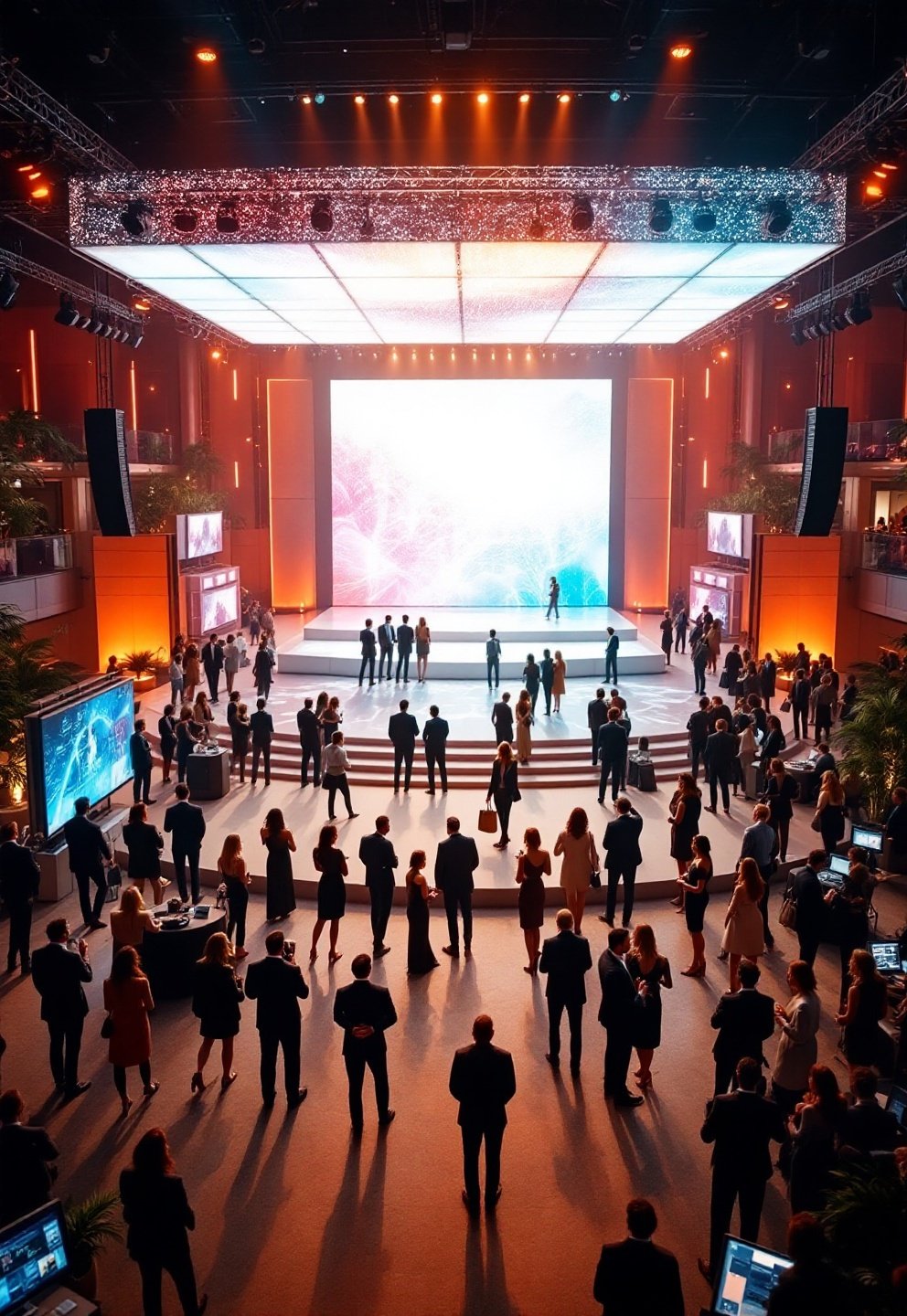
Event entertainment ideas in 2026 aren’t about wow factor alone. For corporate and B2B planners, they’re a strategic lever for engagement, measurable ROI, and brand amplification—but only if every format is practical, inclusive, and justifiable to stakeholders. How do you find unique entertainment that delivers business outcomes and withstands risk, budget scrutiny, and compliance? This guide gives you vendor-ready solutions with everything you need to specify, justify, and deploy the next wave of event entertainment.
Key Takeaways
- Unique event entertainment ideas must prove measurable impact—move beyond inspiration to formats aligned with CRM, social reach, and real engagement data.
- Cost, technical complexity, DEI, and sustainability are not afterthoughts in 2026—address them up-front with clear vendor specs and mitigation tactics.
- Most competitors skip logistics and ROI analysis—this post arms you with steps, pitfalls, templates, and checklists for practical implementation.
- Why Unique Entertainment Matters in 2026
- The Big Insight for 2026—Immersive, Tech-Enabled, and Measurable Entertainment Is the Growth Area
- Key Planner Pain Points When Sourcing Innovative Entertainment (and How to Overcome Them)
- Underutilized—Seven Unique Entertainment Formats to Prioritize in 2026 (What They Are, Why They Work, and When to Use Them)
- Costs, Booking Timelines and Technical Requirements (Practical Ranges and Vendor Questions)
- How to Measure Impact—KPIs, Tracking Methods, and Attribution Models for Entertainment
- Risk, Compliance, DEI and Sustainability Checklist for Innovative Entertainment
- Regional, Cultural and Demographic Tailoring—Pick the Right Unique Idea for Your Audience
- Practical Execution—Vendor Brief Template & 48–72 Hour Decision Checklist
- Quick case examples and ways to reuse event content
- FAQ
Why unique entertainment matters in 2026
The global events industry is set to reach $1.46 trillion in 2026 (9.4% CAGR), powered by brands turning business events into growth engines. Corporate audiences expect more than generic DJs or bands—69% of attendees now prefer events that deliver “meaningful, transformative experiences.” Unique event entertainment ideas are no longer about fun alone—they drive NPS, social sharing, leads, and retention by offering differentiated, memorable content that attendees actually talk about and interact with.
With budgets increasing but scrutiny intensifying, every dollar invested in entertainment is expected to fuel quantifiable value—stronger brand lift, pipeline, and digital assets for post-event campaigns. In this context, a creative approach is less risky than sticking with the status quo.
The big insight for 2026—immersive, tech-enabled, and measurable entertainment is the growth area
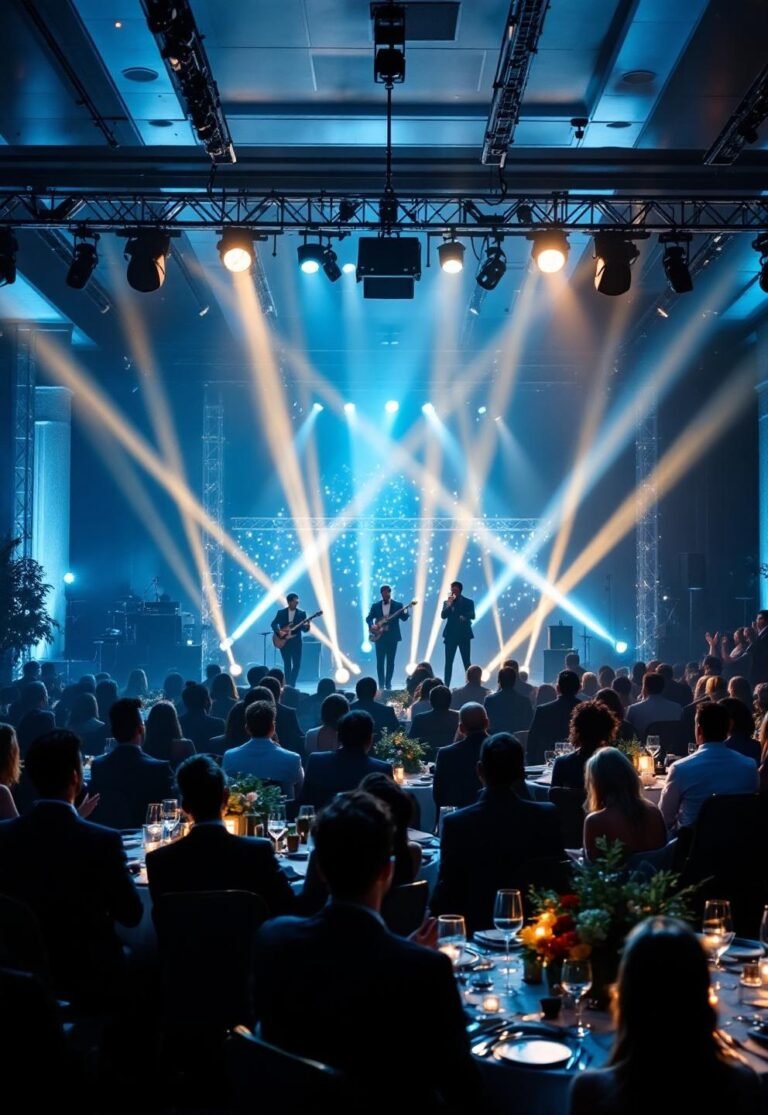
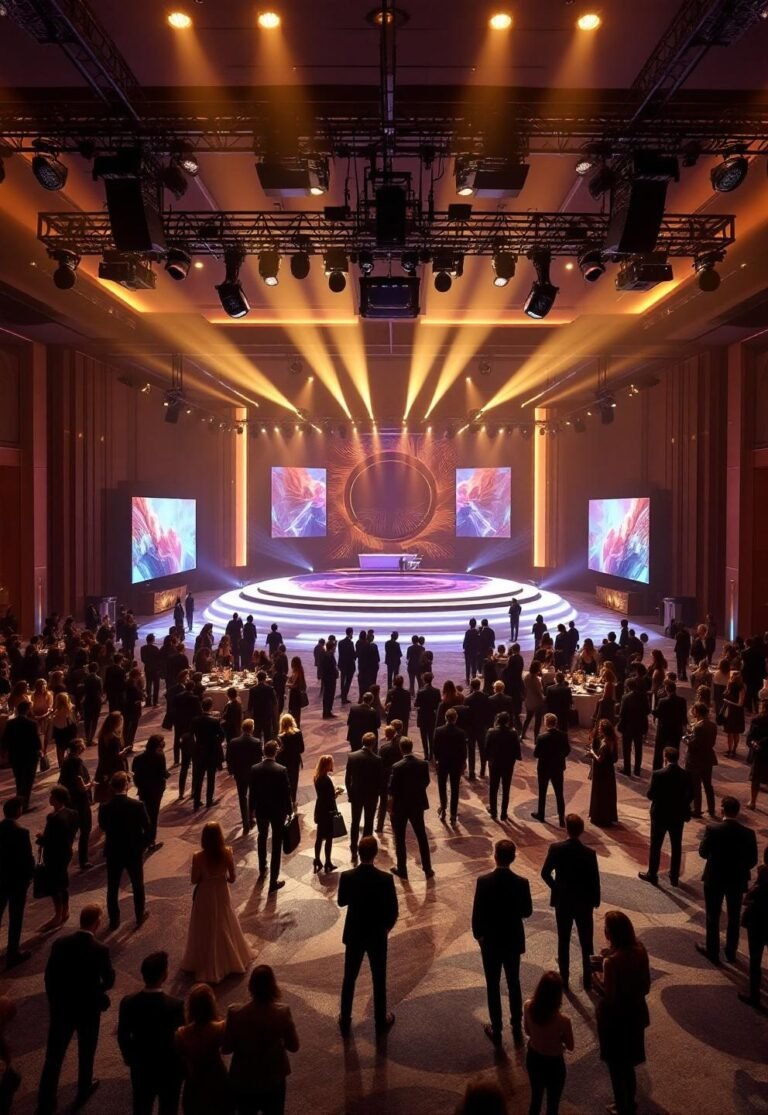
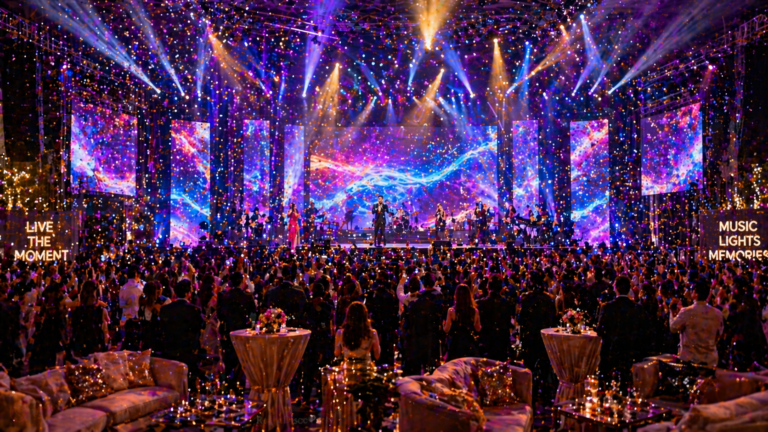
The most effective unique event entertainment ideas 2026 move beyond traditional acts by integrating immersive tech, hybrid formats, and real-time engagement data. LED walls, wearables, holography, and interactive polling are shifting entertainment from a static performance to a two-way, brand-owned platform—one that can feed directly into CRM or social for attribution. Planners are investing in formats that generate UGC, capture leads, and yield metrics—not just applause.
Technologies like audience-driven projection, distributed micro-immersions, and phygital experiences are rapidly rising. According to ticketing data, transaction value will grow from $1.47T in 2025 to $3.37T by 2030, signaling enormous demand for tech-forward, participatory experiences over one-off performances.
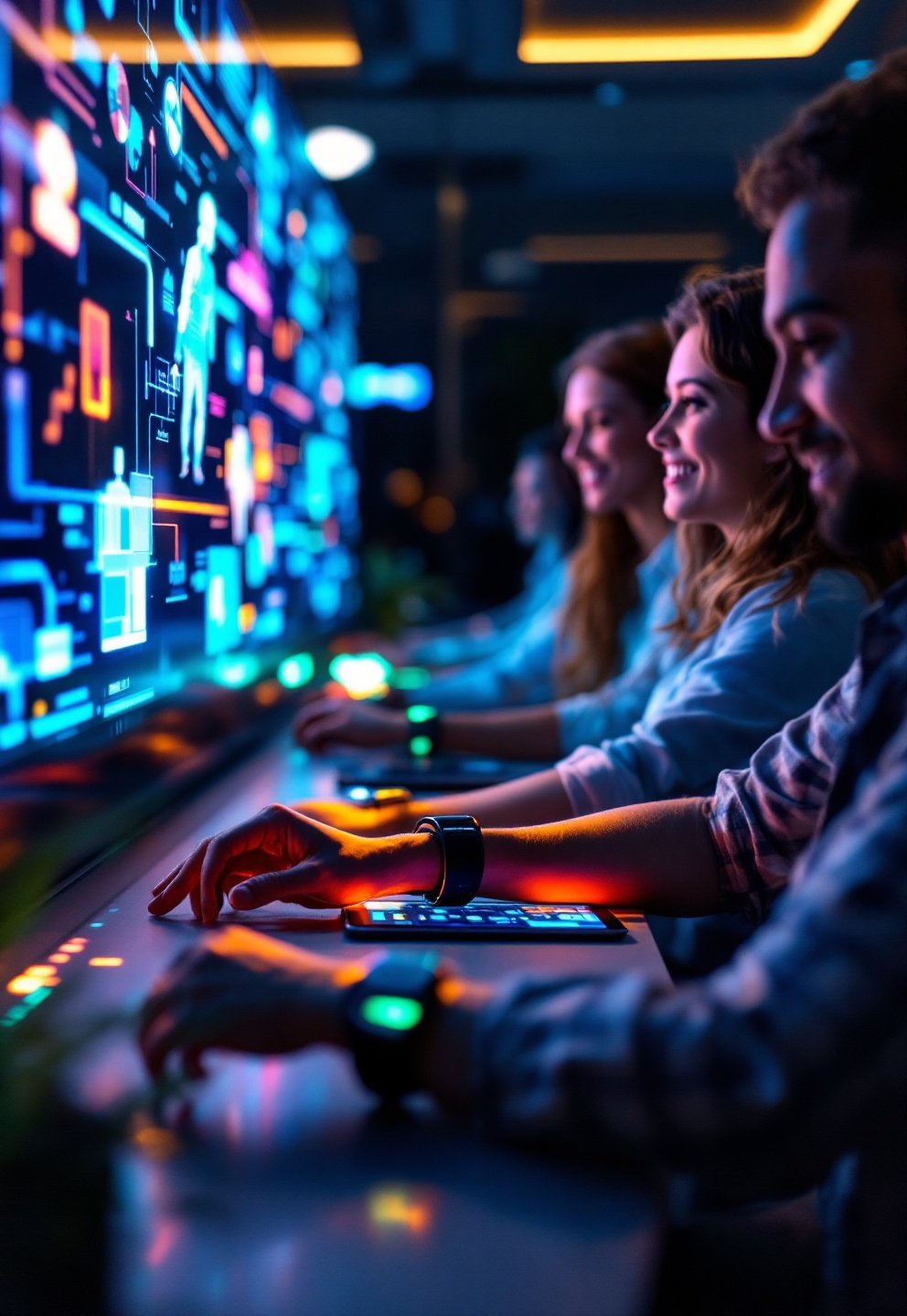
To deliver, planners must specify not just what “cool” things to book, but how they will be controlled, measured, and made compliant.
Key planner pain points when sourcing innovative entertainment (and how to overcome them)
Sourcing corporate event entertainment ideas involves clearing more than creative hurdles. Here are the most common blockers—and concrete ways to solve for each:
- Need for measurable outcomes: Require every entertainment vendor to provide engagement KPIs and sample tracking reports in the proposal.
- Rising tech and production costs: Run pilots with one department or offsite before scaling—and ask for hybrid/DIY collaboration options.
- Technical complexity: Prioritize entertainers who offer in-house AV or coordinate directly with your main vendor for seamless integration.
- Vendor fragmentation: Bundle services—many entertainment services now include AV, decor, and show direction for less handoff risk.
- Venue/safety limitations: Pre-clear concepts with venue ops teams and require written safety compliance and insurance proof upfront.
- Accessibility & DEI: Embed an accessibility and sensory-friendly alternative checklist in every RFP.
- Sustainability: Request a sustainability plan—e.g., energy efficient lighting, no single-use props, and a list of recycled/decommissioned assets returned post-show.
With 67% of professionals projecting higher meeting spend but also steeper tech costs, making your ROI case and process bulletproof is a competitive advantage.
Underutilized—seven unique entertainment formats to prioritize in 2026 (what they are, why they work, and when to use them)
Many unique event entertainment ideas 2026 are available but still rare in real-world corporate programs. Here’s what to watch, why they matter, and quick specs for business justification:
- Holographic content & mixed-reality performances: Bring in speakers or artists remotely—or blend live action with virtual graphics. Best for large venues and executive summits. Higher budget and 4–9 month lead time, but delivers viral, post-event content and C-level “wow.”
- Wearable-tech-enabled gamification/light-driven shows: Use NFC/LED wearables for audience participation—team light battles or proximity networking games. Mid-to-large events; budget: 2–3x DJ; suitability: energetic, interactive audiences.
- Real-time audience-driven visuals (interactive LED/projection): Let the crowd affect show visuals or data displays; aligns with Gen Z and hybrid formats. Needed tech: LED walls/projectors, voting app; timeline: 4–6 months.
- Distributed micro-immersions: Rotate 5–10 minute themed experiences—mini VR art, tactile sensory pods—rather than one show. Keeps adult attention, lowers crowding risk; works in ballrooms or spread-out floorplans.
- Phygital/hybrid entertainment: Involve remote and in-person participants (joint escapes, live art). Medium budget, 3–6 months lead, allows measurable global reach.
- Sustainability-focused interactive installations: Eco-education games, kinetic art, or team upcycling challenges. Aligned to ESG/board priorities.
- Local cultural collaborations as headline acts: Feature local musicians, story-tellers, artisans—proven to boost regional resonance and UGC. Leverage global trends for K‑Pop/Latin brands and social shareability.
These creative event entertainment ideas can be bolted onto classic agendas or become the main draw, provided you match idea to venue, audience, and timeline.
Costs, booking timelines and technical requirements (practical ranges and vendor questions)
Here’s how top formats compare to standard options for cost, planning, and complexity. Use these when requesting event entertainment packages or scoping new ideas:
| Entertainment Type | Booking Lead (months) | Budget Multiple (vs. DJ/Band) | Key Technical Needs | Essential Vendor Questions |
|---|---|---|---|---|
| DJ/Band | 2–4 | 1x | Basic AV, sound, minimal crew | Playlist, setup reqs, break schedule |
| Immersive (LED/projection/XR/holograms) | 4–9 | 1.5–3x | High-lumen LED/projectors, media servers, custom content, redundant crew | Tech rider, AV integration, content testing plan |
| Outdoor drone/fire shows | 3–9 | 2–2.5x | Permits, operator license, perimeter, weather plan | Insurance, aviation permit, local approvals |
| Wearable gamification | 3–6 | 2–3x | NFC/LED wearables, app/infra, data privacy | Integration support, data/privacy policy, collection plan |
| Hybrid/Phygital | 3–6 | 1.5–2.5x | Streaming, event app, content sync | Staffing, remote-user plan, streaming test |
Vendor checklist: always require a tech rider, crew plan, redundancy, permits, and insurance details up-front. Lead times for complex setups can be double what most clients assume (4–9 months, not just 1–2).
For decor, see our event decorator and flower wall rental guides for integrating set design with immersive entertainment.
How to measure impact—KPIs, tracking methods, and attribution models for entertainment
If you want to justify spend and survive post-event scrutiny, tie every entertainment activation to measurable outputs.
- Participation rate (wearable check-ins, app signups)
- Dwell time at entertainment zones
- Leads captured via gamification or app opt-ins
- Session NPS or live feedback scores
- User-generated content (photo/video posts, contest entries)
- Post-event conversions (sales, demos booked, follow-up meeting requests)
Use tools like smart badges, event apps, media server logs, and social listening platforms to track. Run tests for each metric before the event to ensure data reliability.
Creative and interactive formats consistently outperform basic setups for ROI: 47% of marketers say in-person events (with interactive entertainment) deliver the highest returns, especially for lead capture—see the ticketing industry statistics for more.
Risk, compliance, DEI and sustainability checklist for innovative entertainment
For unique corporate event entertainment ideas, never move forward without ticking off these real-world requirements:
- Venue safety & rigging sign-off (especially for LED walls, suspension rigs, drones)
- Proof of general liability insurance with coverage to match your company’s policy
- All local permits in hand (fire, noise, drone/aviation, street closures where relevant)
- Data privacy policy for any tech, wearable, or app-based entertainment—review their data collection, storage, and deletion plan
- Accessibility plan: ADA compliance, sensory-friendly alternative formats, multi-language options
- Sustainability statement: low-carbon deployment, no single-use plastics, green energy preference
Sustainable and inclusive events aren’t optional. 2026 trends put pressure on planners to prove no attendees are excluded and every activation is brand-safe and ESG-aligned.
Regional, cultural and demographic tailoring—pick the right unique idea for your audience
Event entertainment ideas for adults can’t be universal. Audience resonance, vendor access, and even age shape the best fit:
- Local culture: In LATAM/East Asia, headline with local troupes or musicians (K‑Pop, Latin acts) for high UGC and shareability.
- Demographics: Gen Z favors participatory and intensely visual experiences—use live polling, wearables, or audience-driven tech. Senior audiences want structured, less effortful formats and may engage better with seated shows or moderated panels.
- Urban vs. secondary cities: Top-tier cities support complex tech and acts (outdoor entertainment, projection mapping). Secondary markets may require focusing on regional artists or scalable, easy-to-ship concepts.
Always calibrate: What works globally (immersive tech, hybrid games) must be adjusted for local norms, regulatory context, or simply the vendor landscape.
Practical execution—vendor brief template & 48–72 hour decision checklist
Cut weeks off activation timelines with copy-paste templates. Issue briefs and confirm entertainment bookings 4–9 months prior for immersive/hybrid setups (and at least 3 months for DJ/band or live acts).
Vendor Brief Template (Copy & Paste):
Objective: [Describe event type, objectives, audience profile]
Scope: [Brief description of entertainment activation]
KPIs: [Participation, dwell time, lead capture, UGC goals]
Deliverables: [Show duration, setup/strike, digital assets]
Technical: [Tech rider, power, internet, AV integration]
Crew: [Onsite heads, backup, vendor coordinator]
Testing: [Load-in, rehearsals, failover plan]
Insurance: [Proof of coverage, permit acquisition]
Accessibility: [ADA, sensory alternative]
Sustainability: [Low-carbon, no single-use, end-of-life plan]
Budget: [Anticipated range]
48–72 Hour Decision Checklist for Internal Stakeholders:
- Does the entertainment fit the event’s engagement and brand objectives?
- Do cost, technical specs, and timeline fit our constraints?
- Have safety, insurance, accessibility, and sustainability standards been met?
- Is there a documented measurement plan for KPIs?
- Is there a pilot or test plan to reduce risk?
For more packaged options, review event entertainment packages to further streamline purchasing and compliance.
Quick case examples and ways to reuse event content
Here are real-world scenarios—and quick ways to reuse the footage and results after the event:
- Product Launch: Wearable Gamification—Attendees earn points for trying demos; results drive LED wristband colors on the main floor. Outcome: 34% increase in qualified leads and 600+ branded social posts. Budget: 2.5x DJ tier.
- Executive Summit: Holographic Keynote—Global CEO appears via hologram, custom-branded for the event. Outcome: NPS +22, keynote video repurposed for 4 months of digital campaigns. Budget: high tier, but saves travel and boosts media value.
- Hybrid Leadership Offsite: Interactive Phygital Games—Teams onsite and remote compete in an app-driven challenge, results updated live on main stage visuals. Outcome: measurable cross-site engagement and a reusable content asset for onboarding future staff.
Select visual decor that amplifies the entertainment’s visibility in photo and video. Capture and edit highlights for post-event newsletters, social channels, and future proposals.
Conclusion
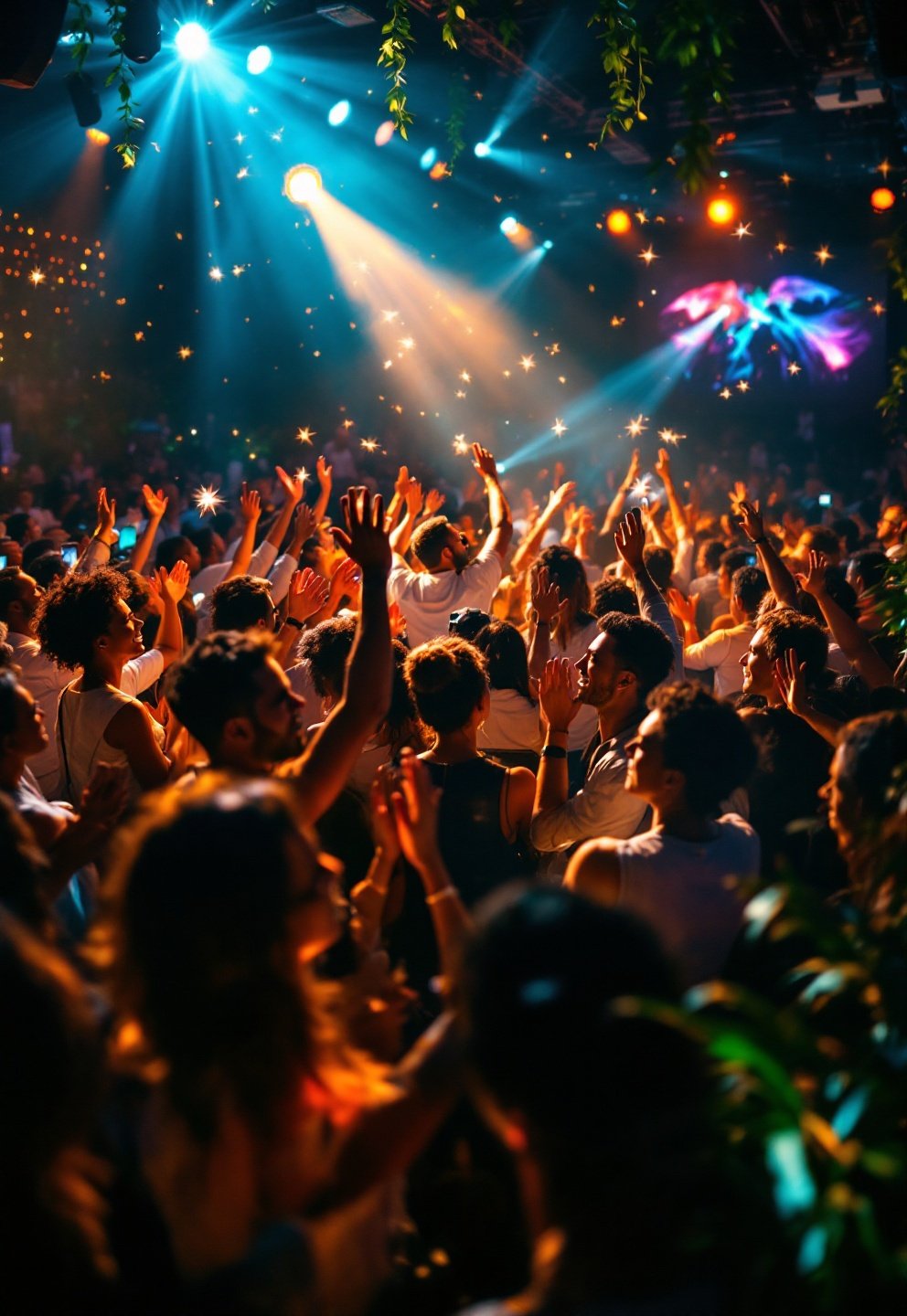
The era of generic acts is over: measurable, immersive event entertainment ideas are now essential to achieve business, brand, and engagement targets in 2026. From holography and LED gamification to sustainability-driven art and hybrid activations, the winning edge is in mastering implementation—not just creativity. Use vendor-ready specs, checklists, and KPIs to turn inspiration into outcomes your stakeholders can see. Your next step? Copy the brief template above, align vendors early, and secure internal sign-off before the best dates are gone. Need an integrated solution? Explore bundled entertainment services to streamline every phase.
FAQ
What is the best way to justify investment in unique event entertainment ideas?
Link every entertainment option directly to business KPIs: engagement rate, lead generation, brand impressions, and post-event content value. Require vendors to propose measurement tools and baseline ROI analysis in their pitch.
How early should I book immersive or tech-driven entertainment for a corporate event?
For immersive, LED, or holographic activations, start the process at least 4–9 months before your event, to allow for concepting, venue surveys, content production, and technical testing. Outdoor acts with permits may also need 3+ months lead.
What should my entertainment vendor provide to address accessibility, safety, and sustainability?
Vendors should supply an accessibility plan (ADA compliance, sensory alternatives), full insurance documentation, local permit confirmations, and a sustainability statement—detailing energy use, low-waste practices, and closed-loop asset handling.
How can I make hybrid entertainment engaging for both in-person and remote attendees?
Choose formats that allow remote guests to participate in real-time (polling, interactive art, shared games) and display their input live at the venue. Integrate remote engagement into award announcements, stage visuals, and social sharing moments.
How do I pick unique entertainment ideas that fit my specific corporate audience?
Segment ideas by age, culture, event type, and venue infrastructure. Use local music and acts for regional resonance; choose low-friction options for senior audiences and highly interactive/tech-driven formats for Gen Z or global youth teams.