Outdoor Event Wet-Weather Plan: How to Build a Backup That Works
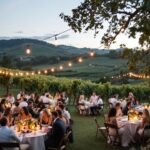
An outdoor event can be the best part of a wedding, a garden party or a company summer day, right up until the forecast changes. A wet-weather plan is not a vague “we’ll move inside if it rains”. It is a second version of the event, with its own layout, supplier instructions and a clear moment when someone decides which version goes ahead. This guide walks through how to build one, what it costs, and how to make the call on the day without panic.
Start with the venue’s real indoor capacity
The first question is simple: if everyone has to be under cover, where do they go? Ask the venue for the capacity of each indoor or covered space for the format you need, not the headline figure. A room that holds 150 standing may seat only 90 for dinner, and fewer still once you add a dance floor, a band and a bar.
- Seated dinner: plan for roughly 1.2 to 1.5 square metres per guest at round tables, including aisles.
- Standing reception: around 0.6 to 1 square metre per guest is comfortable; less than that feels crowded.
- Ceremony rows: allow about 0.8 to 1 square metre per seated guest, plus a central aisle.
If the indoor space cannot hold the full guest list in the format you want, you have three options: change the format in the backup plan (for example, a standing reception instead of a seated dinner), add covered space such as a marquee or stretch tent, or reduce the guest list. Deciding this early is far cheaper than deciding it the week before.
Choose your type of cover
When the venue has no suitable indoor room, temporary cover is the usual answer. Each option has different lead times and costs.
| Option | Best for | Watch out for |
|---|---|---|
| Frame marquee | Large seated events on grass or hard standing | Needs a level site and access for delivery vehicles; flooring and heating cost extra |
| Stretch tent | Relaxed receptions, uneven ground, informal layouts | Open sides can let in wind-driven rain; check whether walls are available |
| Pop-up gazebos | Bars, food stations, small covered areas | Not suitable in strong wind unless weighted properly; can look improvised |
| Tipi | Characterful receptions of modest size | Central poles affect table layouts; limited capacity per unit |
Many hire companies offer a “tentative hold” on a structure, sometimes for a fee, with a deadline by which you must confirm or release it. Ask for this in writing, including the release date and what happens to the fee. Our guide to supplier contract clauses lists the cancellation and weather terms worth checking before you sign.
Write the backup layout, not just the idea
A backup plan only works if suppliers can follow it without you. Draw or describe the indoor or covered layout with the same detail as the main one:
- Ceremony or speeches position: where the couple, speakers or presenters stand, and where the microphone and speakers go.
- Seating plan: a version of the table plan that fits the backup space. Keep table numbers the same so place cards still work.
- Catering flow: where food is plated or served, how staff reach tables, and where clearing happens.
- Bar and drinks: where the bar moves to, and whether it still has access to power, water and ice.
- Music and lighting: the band or DJ position, power supply and whether sound limits are stricter indoors.
- Photography spots: one or two covered places with good light for group photos.
- Coats, umbrellas and wet shoes: a drop-off point near the entrance, ideally with mats.
Add the backup layout to your event run sheet as a separate page, so every supplier receives both versions together.
Budget for the backup honestly
Weather plans fail most often because the money was never set aside. When you build your event budget, include a line for the backup even if you hope never to use it. Typical costs to consider:
- Marquee or tent hold fees, and the full hire cost if you confirm.
- Flooring, sidewalls, heaters or fans, and lighting for the structure.
- Extra staff time to reset furniture if the decision is made late.
- Umbrellas for guests and staff, especially for transfers between areas.
- Additional transport if guests need to be moved to a different location.
- Changes to decorations that were designed for outdoor use, such as lightweight items that blow away or candles that cannot be used indoors.
A useful rule is to hold back a contingency of around 5 to 10% of the total budget for the whole event, with the weather plan as its first call.
Set a decision time and a decision maker
The hardest part of a wet-weather plan is the call itself. Agree three things well in advance:
- Who decides. One person, usually the planner or a named family member or manager, with the venue coordinator’s input. Committees make slow, anxious decisions.
- When they decide. Suppliers need time to react. Many outdoor events set a first check three to five days out (to confirm or release a marquee hold) and a final call on the morning of the event, early enough for furniture and decor to be set in the right place.
- What triggers the switch. For example: a forecast chance of rain above a set percentage during the outdoor part of the event, sustained wind above the limit the tent supplier gives, or a temperature below which guests will not be comfortable outside.
Use more than one forecast source and look at hourly detail for the hours that matter. A morning shower may not affect an afternoon ceremony, while a dry but windy afternoon can be worse for an open-sided tent than light rain.
Tell suppliers and guests clearly
Send every supplier a short message as soon as the decision is made: which plan is running, any changed arrival times and the contact person for the day. Ask each one to confirm they have received it.
Guests need less detail, but they need it early. A line on the invitation or event website that says the event is partly outdoors, and suggests suitable shoes and a layer, prevents a lot of discomfort. If the location changes, send one clear message with the new address and a map link, and put a sign at the original entrance.
Think about comfort, not just rain
Weather plans are not only about rain. Heat and cold change how guests experience an event:
- Heat: provide shade, water stations and fans, shorten outdoor ceremonies and avoid seating guests in full sun during the middle of the day. Older guests and young children are most affected; our event accessibility checklist covers seating and rest areas.
- Cold and wind: patio heaters, blankets, a warm drink on arrival, and sidewalls on tents make a large difference, especially after sunset.
- Ground conditions: heavy rain the day before can make lawns unusable even if the day itself is dry. Ask the venue about drainage and whether temporary flooring or matting is available.
A wet-weather checklist
- Indoor or covered capacity confirmed for the format you need
- Backup structure held in writing, with release date and fee
- Backup layout and table plan drawn and shared
- Power, water and access checked for the backup positions
- Contingency budget set aside
- Decision maker, decision times and triggers agreed
- Supplier contact list ready for a same-day message
- Guest communication drafted in advance
- Umbrellas, mats and towels on the packing list
FAQ
When should I book a marquee as a backup?
As early as you book the venue if the event depends on outdoor space. Popular summer dates fill up quickly, and a hold with a later release date costs less than a last-minute booking, if one is available at all.
Is it better to commit to the indoor plan from the start?
In some cases, yes. If the backup is almost as good as the outdoor plan and the forecast is uncertain for weeks, committing early removes stress for everyone. Many couples and organisers choose to keep only the drinks reception outdoors and the meal indoors.
Do suppliers charge extra for a late switch?
Some do, especially for resetting furniture or moving equipment twice. Ask each supplier what their weather policy is, and record it in the contract.