Outdoor Event Venue Hire: 8 Honest Questions to Ask First
Outdoor venues are the ones that look effortless in photographs and are the hardest to run in practice. The open setting that sells the booking is also exposed to weather, short on power and plumbing, and dependent on logistics an indoor venue handles for you. Hire one well and it’s unforgettable; hire one without a plan and you’re improvising in the rain. This is what to check before you sign.
The 8 questions at a glance
- What exactly happens if it rains, and does the backup hold every guest?
- Which services (power, water, toilets, lighting, kitchen) are on site, and which do you supply?
- Can vehicles reach the site, and how does the ground cope with weight and rain?
- What permits, noise limits and curfews apply?
- Is it a managed venue or dry hire, and who is in charge on the day?
- How will guests stay comfortable in sun, wind, cold and after dark?
- What insurance, risk assessment and safety paperwork does the site require?
- Who handles waste, clean-up and any damage to the grounds?
The sections below take each one in turn, with the follow-up questions that turn a vague answer into something you can plan around.
Outdoor Event Venue Hire: The weather plan is the whole plan
Every outdoor booking lives or dies on the contingency. Before you fall for a view, ask exactly what happens if it rains, and get a real answer, not “we’ll see.” Is there a marquee option, an indoor backup room, a covered area large enough for all your guests? A tent isn’t a small add-on; it can be a significant cost and needs booking as early as the venue itself. If the site has no wet-weather alternative at all, treat that as a serious risk, not a detail to sort out later.
Power, water, and the things buildings give you for free
Indoor venues quietly provide power outlets, toilets, lighting, and a kitchen. Many outdoor sites provide none of these. Walk the site and ask: Is there mains power, or do you need a generator (and where does it go so guests don’t hear it)? Are there permanent toilets or must you hire portable ones? What’s the lighting plan once the sun goes down? Is there a catering prep area, or does the caterer need to bring everything? Each gap is a line item, and together they can rival the venue fee.
Ground, access, and load-in
Practical access decides how smoothly setup goes. Can vehicles reach the site to drop equipment, or is everything carried in by hand? Is the ground firm enough for a marquee and for guests in heels, or does it turn to mud after rain? Where do guests park, and how far is the walk? These unglamorous questions are what separate a calm setup from a chaotic one.

Permits, noise, and curfews
Outdoor events attract rules that indoor ones don’t. Many sites have a noise curfew, often around 10 or 11pm, which directly shapes your timeline and whether amplified music is allowed. Public or council-owned spaces may require a permit or licence, and serving alcohol can need its own authorisation. Confirm all of this in writing before you build a schedule around it.
Managed venue or dry hire: who is in charge on the day?
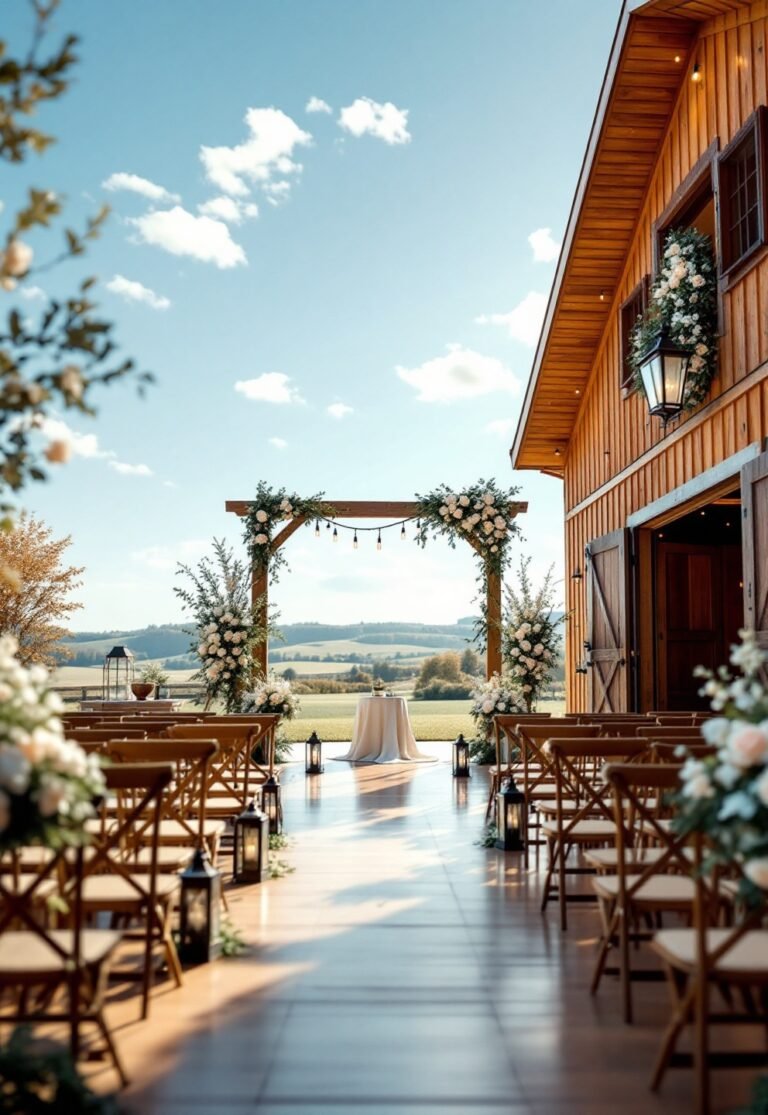
Outdoor sites usually come in two forms. A managed venue supplies a coordinator, has preferred suppliers, and runs the site on the day. A dry hire gives you the land (and sometimes a barn or courtyard) and little else: you bring in the marquee, catering, furniture, toilets, power and staff, and someone on your side has to coordinate them all.
Dry hire can look cheaper and offers more freedom, but ask yourself honestly who will manage load-in, check that the generator is fuelled, and deal with a supplier who arrives late. If the answer is “us, on the day”, budget for an event manager or a day-of coordinator. Ask the venue for a list of suppliers who have worked on the site before; they will already know the access route, where the power runs and where the ground stays soft.
Guest comfort: sun, wind, cold and the dark
Indoors, comfort is controlled by a thermostat. Outdoors you have to plan it. Visit the site at the same time of day as your event, ideally in the same month, and note:
- Sun and shade. Where is the sun during the ceremony or drinks reception? Guests facing into low evening sun squint through speeches and photographs. Plan shade structures, parasols and water stations for warm days.
- Wind. Exposed hilltops and waterfronts are often breezier than they look in photos. Ask whether marquee sides can be closed, and avoid lightweight decor that will blow away.
- Temperature drop. Even after a warm day, evenings can be cold. Patio heaters (check the venue allows them), blankets or a heated marquee keep guests from leaving early.
- Insects. Near water or long grass, ask what the site does about midges and mosquitoes, and avoid heavily scented decor near food.
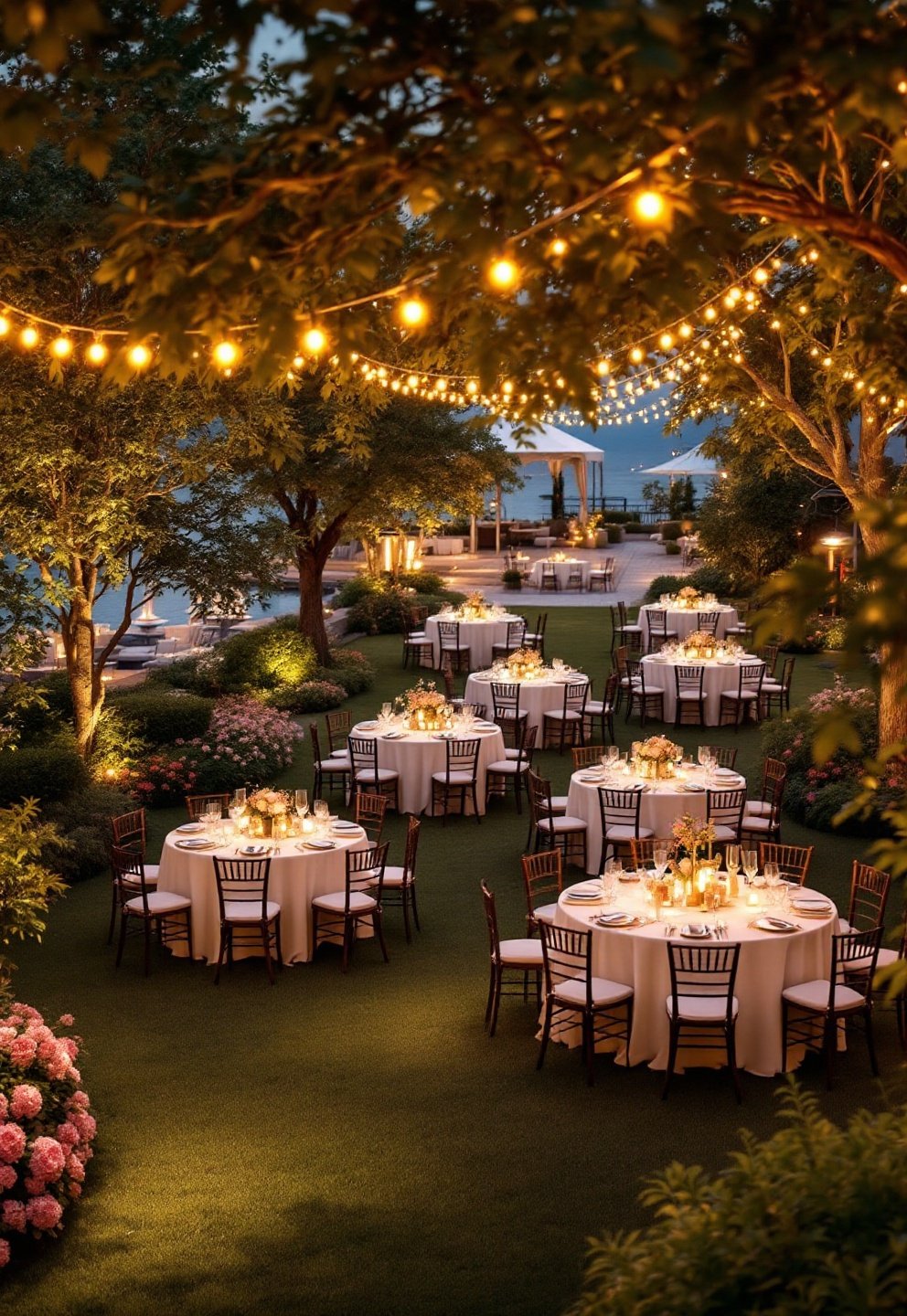
- Paths after dark. Light the routes to toilets, parking and accommodation, not just the dance floor.
Insurance, risk assessment and safety paperwork
Outdoor venues, especially public spaces, often ask for more paperwork than indoor ones. Ask early what the site requires. Common requests include public liability insurance (from you or from each supplier), a risk assessment, a site plan showing marquee position and emergency vehicle access, and a fire safety plan for marquees and heaters. Marquee and generator suppliers should be able to provide their own certificates and risk assessments; collect them all in one folder and send copies to the venue. For larger public events the local authority may also need to see an event management plan.
Waste, clean-up and damage to the grounds
Clarify who removes rubbish, recycling and food waste, and when. Many outdoor sites have no commercial bins, so the caterer or a waste contractor has to take everything away. Ask:
- When must the site be cleared, and is there an extra charge for collection the next morning?
- Are confetti, sky lanterns, glitter or fireworks allowed? Many rural and waterfront sites ban them.
- Who pays if a vehicle damages the lawn or a marquee peg hits a buried cable? Ask for a site map of underground services before the marquee is planned.
- Is there a damage deposit, and how is the site inspected before it is returned?
Walking the site with the venue manager before and after the event, and taking dated photos, protects your deposit far better than a disagreement by email afterwards.
Outdoor hire checklist
| Item | Question to confirm |
|---|---|
| Weather backup | Marquee or indoor space for full guest count? |
| Power | Mains supply or generator needed? |
| Toilets | Permanent facilities or portable hire? |
| Lighting | Plan for after dark? |
| Access | Vehicle load-in and parking? |
| Curfew | Noise limit and end time? |
| Permits | Licence for the site and for alcohol? |
| Management | Managed venue or dry hire? Who coordinates on the day? |
| Comfort | Shade, heating, wind cover and lit paths? |
| Paperwork | Insurance, risk assessment and site plan required? |
| Clean-up | Waste removal, clear-down time and damage deposit? |
Budget for the extras, not just the fee
The headline hire price for an outdoor venue is often only part of the cost once you add the marquee, generator, toilets, and lighting that an indoor space includes. Build the full picture early using the event budget calculator so the add-ons don’t ambush you, and size your catering and guest numbers with the guest list calculator before locking the layout. Once the venue is chosen, our guide to supplier contract clauses covers the weather, cancellation and damage wording to check before you sign, and the event run sheet guide helps you schedule load-in, a wet-weather switch and the clear-down.
FAQ
What’s the biggest risk with an outdoor venue?
Weather, and specifically the lack of a backup. Never book an outdoor site without a credible wet-weather plan that covers your full guest count.
Do I need a marquee?
Usually yes, unless the venue has an indoor backup space. The marquee doubles as both weather cover and a defined event area, but book it as early as the venue.
Are outdoor venues cheaper than indoor ones?
The site fee can be lower, but the extras (power, toilets, lighting, marquee) often close the gap. Compare total cost, not just the hire price.
How early should I book an outdoor venue?
For peak warm-weather dates, six to twelve months ahead, since the season is short and the best sites and marquee suppliers book out quickly.