Micro Wedding Venue: 6 Honest Tips for Choosing the Right Space
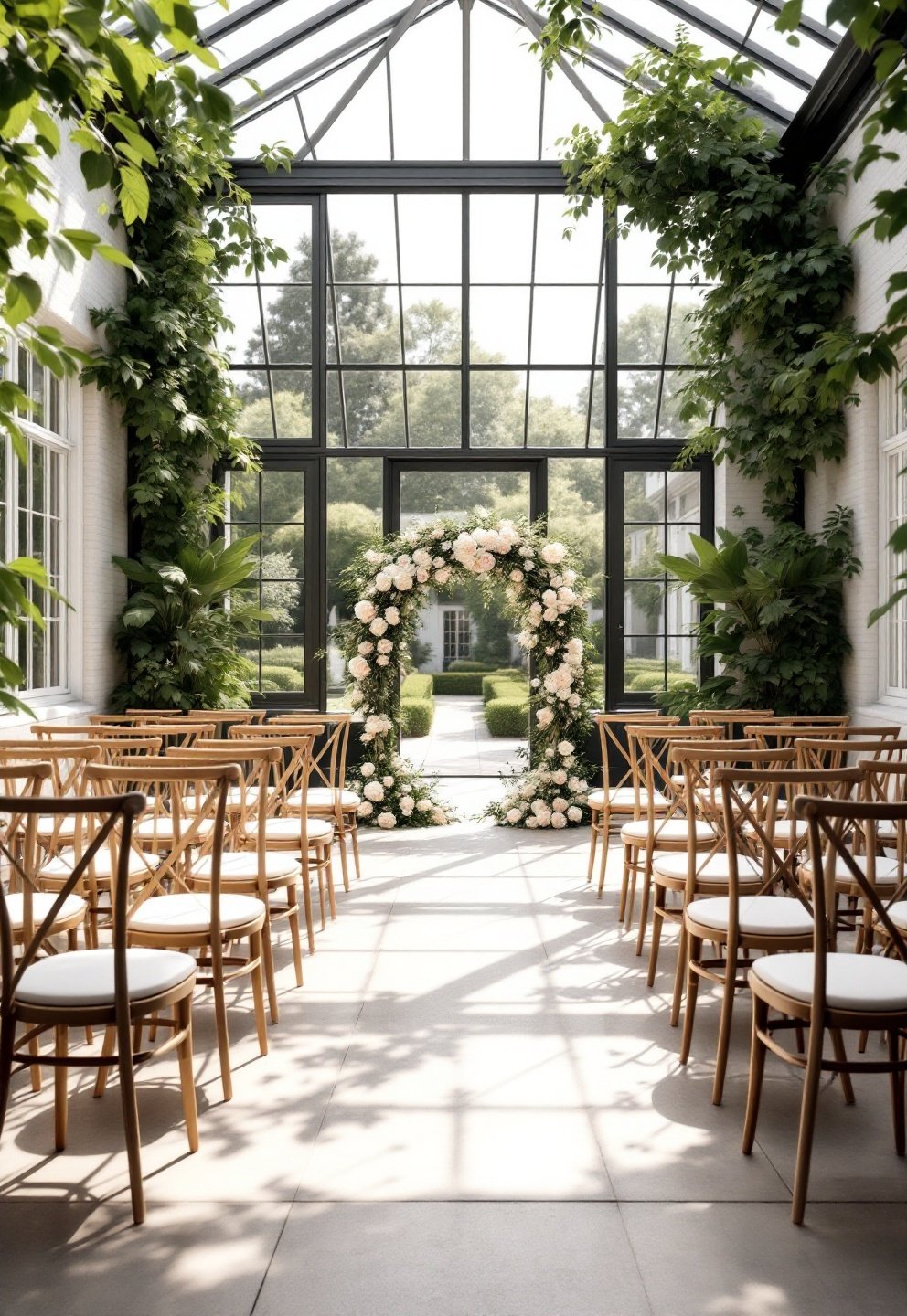
A micro wedding usually means somewhere between 20 and 50 guests, and that smaller number changes the venue search more than people expect. The places that work beautifully for 150 guests often feel cavernous and impersonal for 30, while the intimate spots that suit a micro wedding would never accommodate a traditional reception. Choosing well is about matching the room to the headcount, not shrinking a big-wedding plan.
Micro Wedding Venue: Why venue scale matters more at this size
Atmosphere at a micro wedding comes from proximity. Guests can actually talk to each other, the couple can spend real time with everyone present, and the day feels like a gathering rather than a production. A space that’s too large kills that feeling instantly: 30 people in a 200-capacity hall look sparse no matter how you decorate. As a rule of thumb, look for venues whose comfortable capacity is close to your guest count, not three times larger.
Venue types that suit small weddings
The best micro wedding venues tend to be places that would be awkward for large events, which is exactly why they’re available and often more affordable. Restaurants with a private dining room let you combine ceremony, meal, and toasts in one space with catering built in. Boutique hotels and small inns offer charm plus rooms for guests who travel. Private estates, gardens, and even a generous family home can work when the numbers are low. Art galleries, libraries, and historic houses bring character that fills a small room without any extra styling.
What you save, and where to reinvest it
The real advantage of going small is that the per-guest budget stretches dramatically. Fewer guests means you can afford the venue you actually love, better food, a proper photographer, and details that would be unthinkable at scale. Map the difference with the event budget calculator and you’ll usually find the same total budget buys a far higher-quality experience per person. Reinvest the saving where guests notice: the meal, the setting, and the moments rather than the volume.
Questions to ask before you book
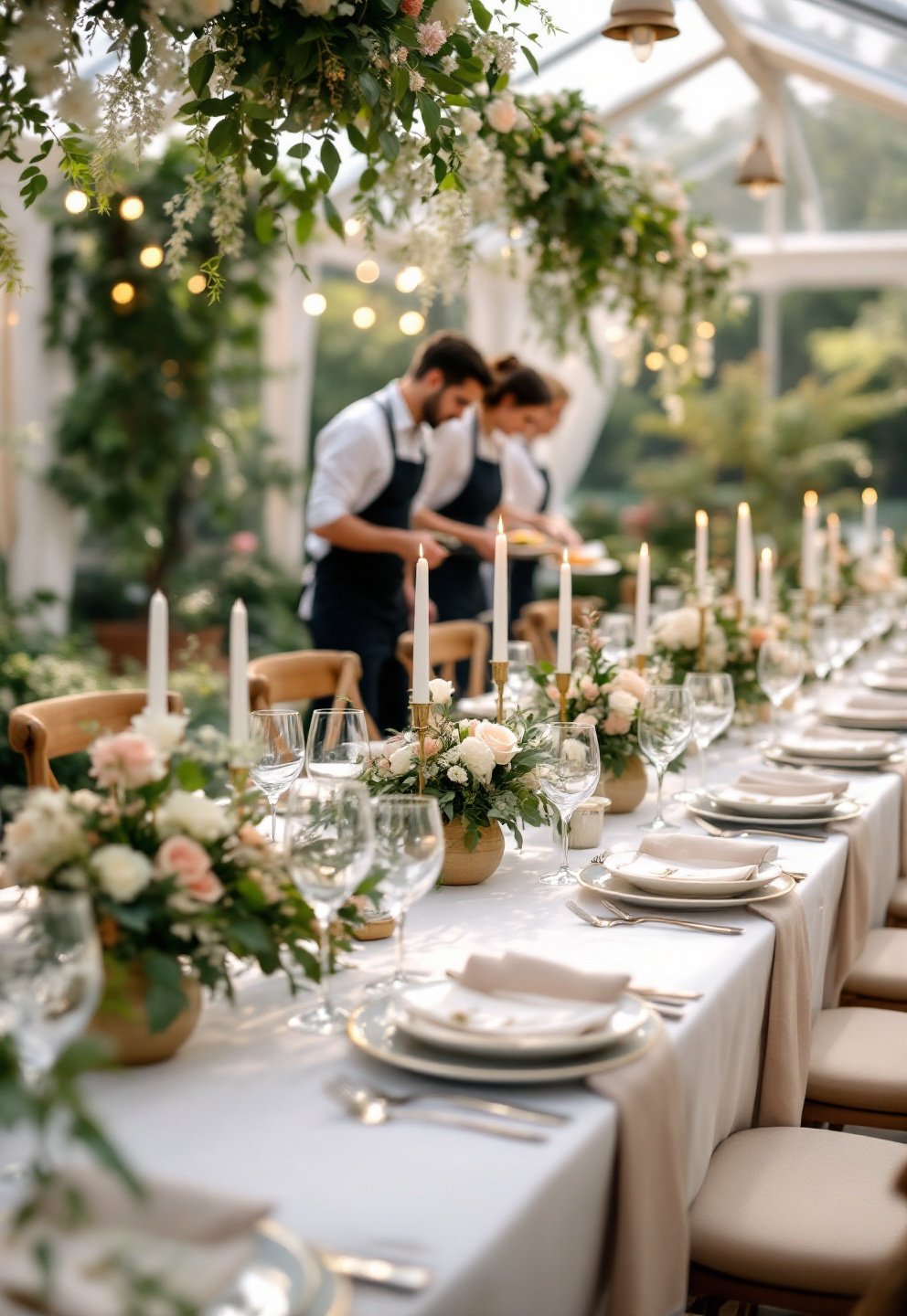
Small venues often aren’t set up as dedicated wedding spaces, so the practical questions matter more. Ask whether they have a minimum spend (many restaurants do), whether you can hold both ceremony and reception there or need a separate ceremony location, what the rain plan is for any outdoor element, and whether they allow your own vendors or require their in-house team. Confirm parking and accessibility too, since charming old buildings frequently fall short on both.
Comparing your shortlist
| Venue type | Best for | Watch out for |
|---|---|---|
| Private restaurant room | Food-focused, all-in-one | Minimum spend; limited decor freedom |
| Boutique hotel | Out-of-town guests | Room-block commitments |
| Garden or estate | Warm-weather, photogenic | Weather backup; vendor logistics |
| Gallery or historic house | Built-in character | Capacity caps; restrictions on candles/confetti |
Plan the headcount before the search
Because capacity drives everything at this scale, settle your guest list before you tour venues, not after. A list that drifts from 30 to 45 can push you out of the very spaces that made a micro wedding appealing. Pin the number down with the guest list calculator first, then search venues that fit it comfortably.
A worked example: 35 guests, one venue
Numbers make the trade-offs clearer. Imagine a wedding for 35 guests with a ceremony, drinks and a seated dinner, all in one place. A typical shortlist might include a private dining room in a restaurant, a small country house hired for the afternoon and evening, and a garden with a covered terrace.
- Restaurant private room: usually priced as a minimum spend on food and drink rather than a room fee. Catering, staff, tables and linen are included, so there are fewer suppliers to manage. The limits are fixed finishing times, limited space for dancing and less control over decoration.
- Small house or villa hire: often a flat hire fee, with your own caterer. More privacy and flexibility, but you pay separately for catering, furniture hire, staff and sometimes cleaning, and you need to check licensing for ceremonies and music.
- Garden with covered terrace: lovely in good weather and often the most personal option. Budget for cover, toilets, power and lighting if they are not already on site, and make a wet-weather plan before you book.
When you compare them, add up the full cost per guest including everything you would have to bring in. A venue that looks cheaper on the hire fee can end up the most expensive once furniture, staff and cover are added.
Making a small room feel right
At micro-wedding scale, the layout matters as much as the venue. A few practical choices help the space work:
- One long table for 20 to 40 guests usually feels more like a shared celebration than several round tables, and lets everyone hear the speeches.
- Keep the ceremony and dinner close. In a small venue, a short turnaround while guests have drinks outside is easier than moving everyone to a second location.
- Plan where people stand. With 30 guests, a drinks reception needs only a modest space, but it should have somewhere to put down glasses and a few seats for older guests.
- Scale the music. A full band can overwhelm a small room. A duo, an acoustic set or a carefully planned playlist with a good speaker is often a better fit.
Micro wedding venue checklist
- Is the venue licensed or suitable for a ceremony, or will you hold the legal ceremony elsewhere?
- What is the minimum and maximum number of guests, and is there a minimum spend?
- Is the space exclusive to you, or will other diners or guests be nearby?
- What time can you arrive to set up, and when must you leave?
- Are tables, chairs, linen and tableware included?
- Can you bring your own caterer, cake or drinks, and is there a corkage fee?
- Is there step-free access and an accessible toilet?
- Where will photographs be taken if it rains?
For the contract itself, our list of supplier contract clauses to check applies to venues too, particularly the cancellation and minimum-spend terms.
FAQ
How many guests counts as a micro wedding?
Typically 20 to 50 guests. Below about 10 it’s often called an elopement; above 50 you’re into small-wedding territory where venue options widen again.
Are micro wedding venues cheaper?
The venue itself can be, but the bigger saving is per-guest. With fewer people, the same overall budget delivers a much higher quality of food, setting, and detail for each guest.
Can I have a micro wedding at a restaurant?
Yes, and it’s one of the most popular options. A private dining room handles ceremony, meal, and toasts in one place with catering included. Check for a minimum spend requirement.
Do small venues book up far ahead?
The best ones do, precisely because capacity is limited. Popular dates at sought-after small venues can go six to twelve months out.