The Best Catering Ideas for Events in 2026: Trends That Wow Your Guests

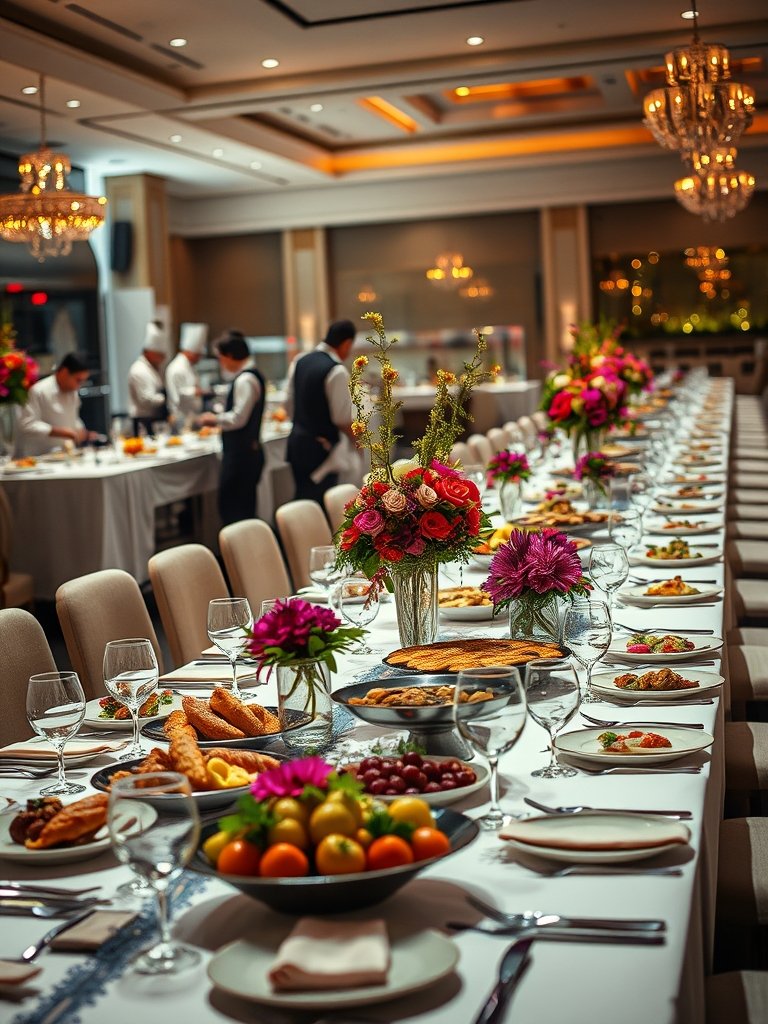
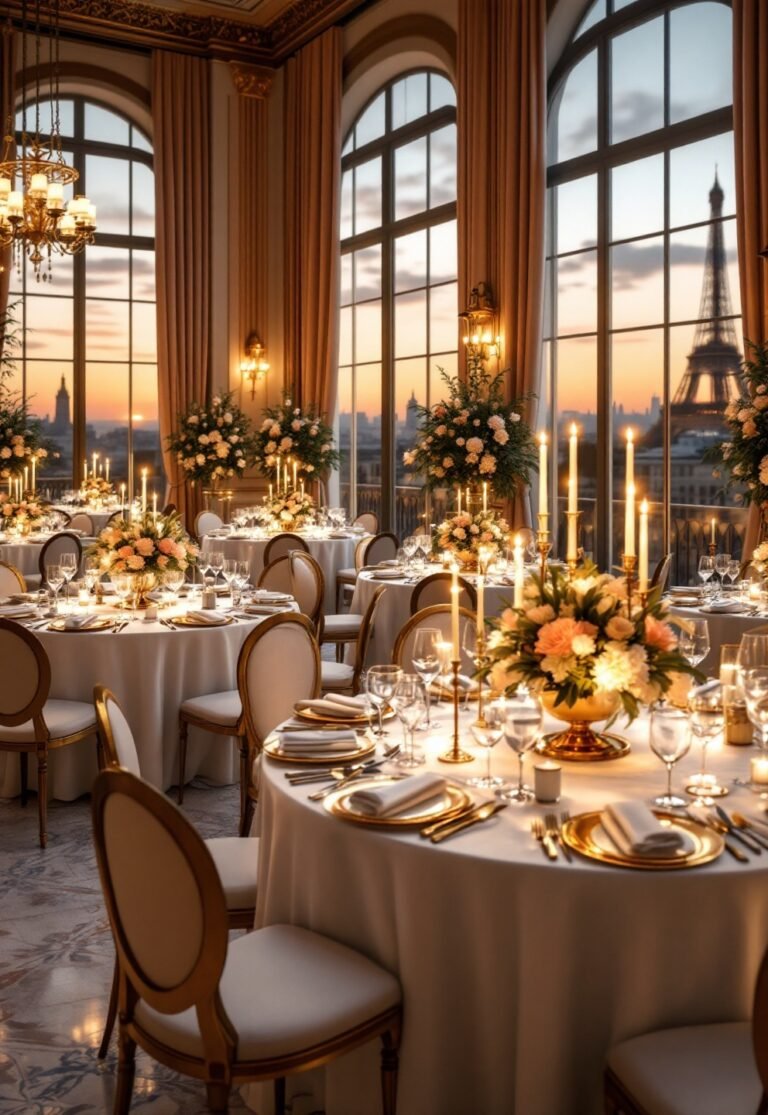
Catering Ideas has moved well beyond simply feeding guests. In 2026, the menu is part of the event design itself — a way to tell a story, spark conversation, and leave people talking long after the last bite. Whether you are planning a wedding, a corporate gathering, or an intimate celebration, the right approach to food can transform an ordinary gathering into an unforgettable one. Below are the catering ideas shaping the most memorable events this year, along with practical tips for putting them to work at your own celebration.
1. Interactive & Live Food Stations
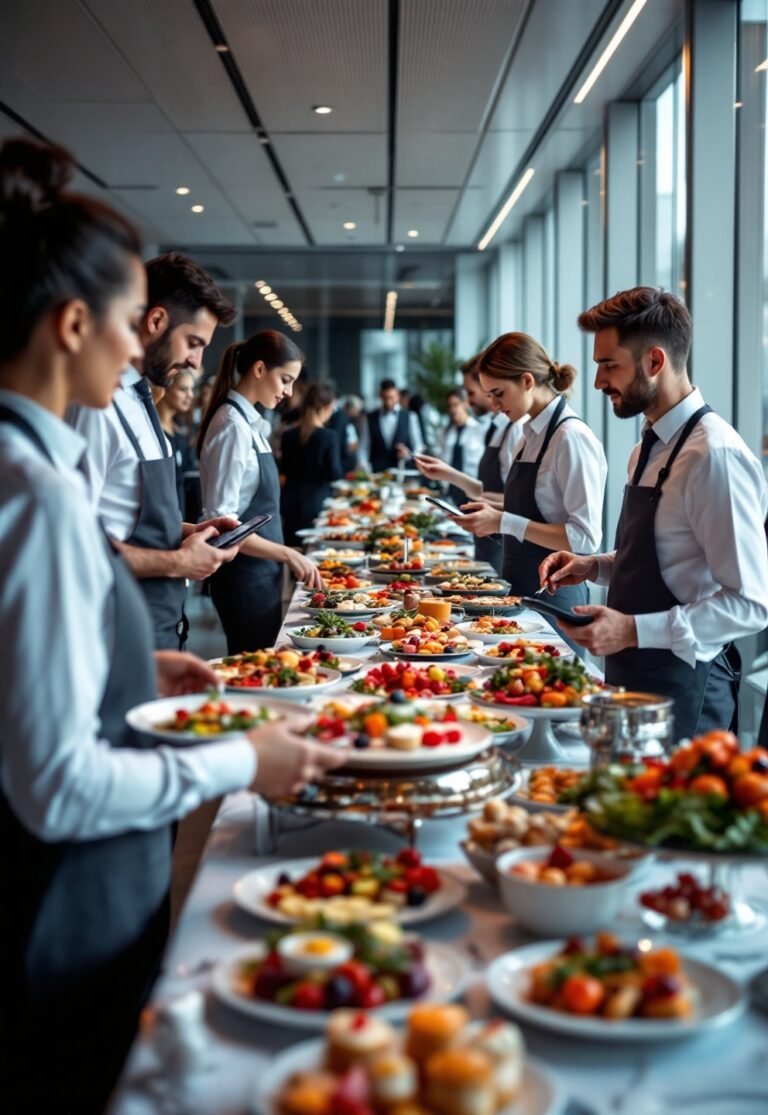
Build-your-own bowls, chef-fronted live stations, and made-to-order bites turn dining into entertainment. Guests customise dishes in real time, which keeps energy high and encourages natural mingling, making these catering ideas a reliable crowd-pleaser. Think fresh sushi rolled to order, poke bowl bars, or a live pasta station. The visual theater of watching a dish come together also gives photographers and social-sharing guests something irresistible to capture, extending the reach of your event well beyond the room.
2. Elevated Comfort Food
Familiar favourites are getting a refined upgrade. Truffle mac & cheese shooters, gourmet sliders with global toppings, and artisanal grilled cheese paired with seasonal soups deliver nostalgia with a sophisticated twist — warm, approachable, and still impressive. Comfort food works especially well in the later hours of a reception, when guests crave something hearty and grounding after an evening of dancing and conversation. These catering ideas reward guests who stay late.
3. Sustainable & Zero-Waste Menus
Locally sourced, farm-to-table ingredients and careful portion planning are now expected rather than optional. Eco-conscious packaging and zero-waste practices signal a thoughtful, responsible celebration that today’s guests genuinely appreciate. Seasonal sourcing also tends to taste better and cost less, so sustainability and budget can move in the same direction. You can read more on emerging directions in this overview of 2026 catering trends.
4. Multi-Sensory Presentation
Catering in 2026 engages all five senses. Dishes served on spoons, in glasses, or on skewers, paired with curated soundscapes and dramatic tablescapes, transform a meal into an immersive experience. Aroma stations, interactive dessert finishes, and tableside finishing touches add moments of surprise. As industry leaders noted at Cater+Event 2026, design truly is in the details.
5. Functional & Botanical Beverages
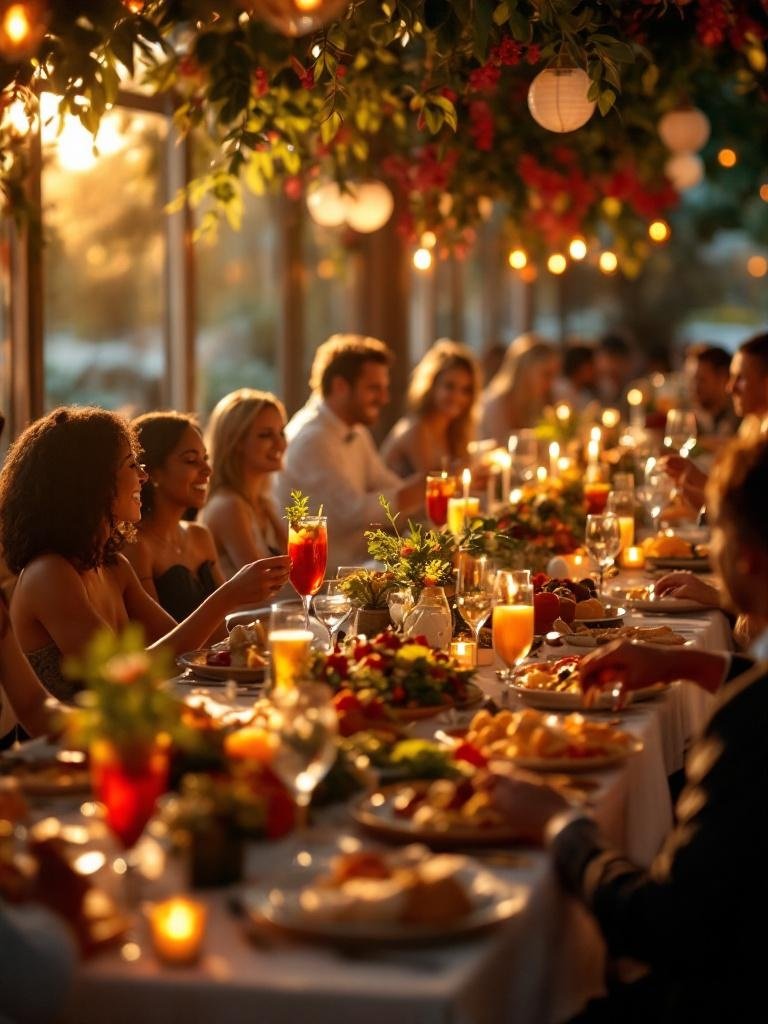
Beyond craft cocktails, guests are reaching for drinks that feel good: herbal infusions, sparkling botanicals, kombucha flights, and thoughtfully designed mocktails. A curated beverage station ensures every guest — drinker or not — feels included. Pairing each drink with a short tasting note or ingredient story turns the bar into another point of conversation and discovery.
6. Global Fusion Flavors
Pairing comfort foods with global influences gives caterers a signature edge. Familiar textures meet new flavour profiles, creating memorable menus that stand out in a crowded market. A Korean-inspired barbecue slider, a Mediterranean mezze grazing table, or a Mexican-French dessert mashup lets you reflect the personality and heritage of your hosts while keeping every plate approachable.
How Much Food to Order: Quantities by Service Style
Trends are only useful if the quantities are right. These rule-of-thumb figures are a starting point to check against your caterer’s own numbers, not a replacement for them:
- Canapés before a seated meal: 5–7 pieces per guest for a one-hour drinks reception.
- Canapés as the main food: 12–15 pieces per guest over three hours, including at least three more substantial “bowl food” items.
- Live stations: one station or service point for every 50–75 guests, or queues build quickly. Two smaller stations usually beat one large one.
- Grazing table as a starter: roughly 120–180 g of food per guest; as a main offer, plan closer to 350–450 g.
- Late-night comfort food: catering for about 60–70% of the guest list is usually enough, because not everyone stays or eats.
- Drinks: allow about one drink per guest per hour, plus one, and one bar server for every 50–75 guests.
All of these numbers depend on a reliable headcount. Our guide to getting final numbers you can trust explains how to collect RSVPs and dietary needs in time for the caterer’s deadline.
Matching the Idea to Your Budget
Some of the ideas above cost far more than others, mainly because of staff rather than ingredients:
- Most staff-heavy: chef-fronted live stations and tableside finishes. Each station needs at least one chef for its whole opening time.
- Middle ground: grazing tables and mezze spreads. They need skilled set-up and replenishment, but fewer people during service.
- Most budget-friendly: elevated comfort food, sharing platters and seasonal menus, especially when the caterer can prepare most of the food in advance.
If you have a fixed total, decide the food budget per head first and then choose one “wow” element rather than three. Our article on building an event budget that survives real quotes shows how to set that figure and keep a contingency.
Questions to Ask Your Caterer Before You Commit
- How many staff are included, and for how many hours?
- What kitchen facilities do you need at the venue, and what do you bring?
- How do you label allergens and keep allergy-safe dishes separate during service?
- Is a tasting included, and how many people can attend?
- What is the deadline for final numbers, and can numbers go down after it?
- Are crockery, glassware, linen and service charge included in the quote?
- What happens to leftover food, and can it be packed for guests or donated?
Make sure the answers end up in writing. Our checklist of 12 supplier contract clauses covers cancellation, final numbers and service charges in more detail.
Frequently Asked Questions
Are food stations cheaper than a seated meal?
Not usually. Stations need more chefs and more equipment, so they often cost the same as or more than a plated meal. Their advantage is atmosphere and flexibility, not price.
How early should we book a caterer?
For weddings and large events on peak dates, six to twelve months ahead is common. For smaller corporate events, two to three months is often enough, but popular caterers fill up quickly in December.
How do we cater for mixed dietary needs without separate menus?
Build the menu so that most dishes are naturally vegetarian or easy to adapt, and label every item clearly. Keep a small number of individually prepared plates for guests with serious allergies, and give the caterer their names and table numbers.
How to Choose the Right Menu for Your Event
Start with your guest list and venue before locking in a menu. A standing cocktail reception suits grazing tables and live stations, while a seated dinner rewards a more structured multi-course plan. Always confirm dietary needs early, build in clearly labeled vegan and allergy-friendly options, and taste everything in advance. The strongest concepts are the ones that match the rhythm of your event rather than simply chasing the flashiest trend. The best catering ideas always serve the guest experience first.
One final tip: think about flow and timing as carefully as you think about flavour. Stagger when stations open, keep lines short with multiple service points, and give guests easy seating or standing space near the food so the experience never feels rushed. Thoughtful logistics are what turn great catering ideas into a smooth, memorable evening.
Bringing It All Together
The best events in 2026 treat catering as a centrepiece, not an afterthought. If you are planning your next celebration, explore our curated event resources in the Eventory Shop, browse more ideas across our catering articles, and learn more about Eventory. Ready to start planning? Get in touch with our team.