Traiteur Fingerfood: Building a Cocktail Menu Guests Love
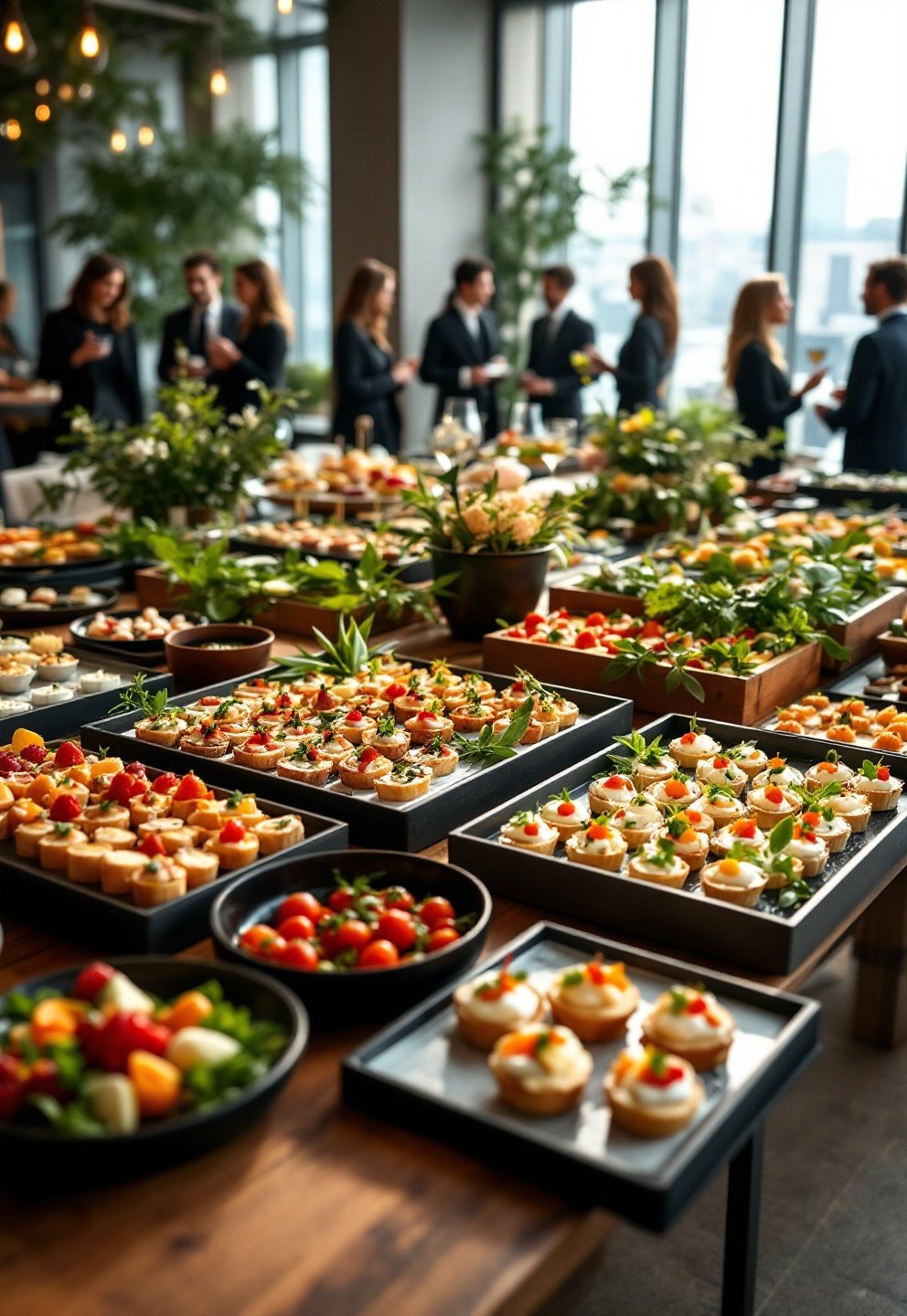
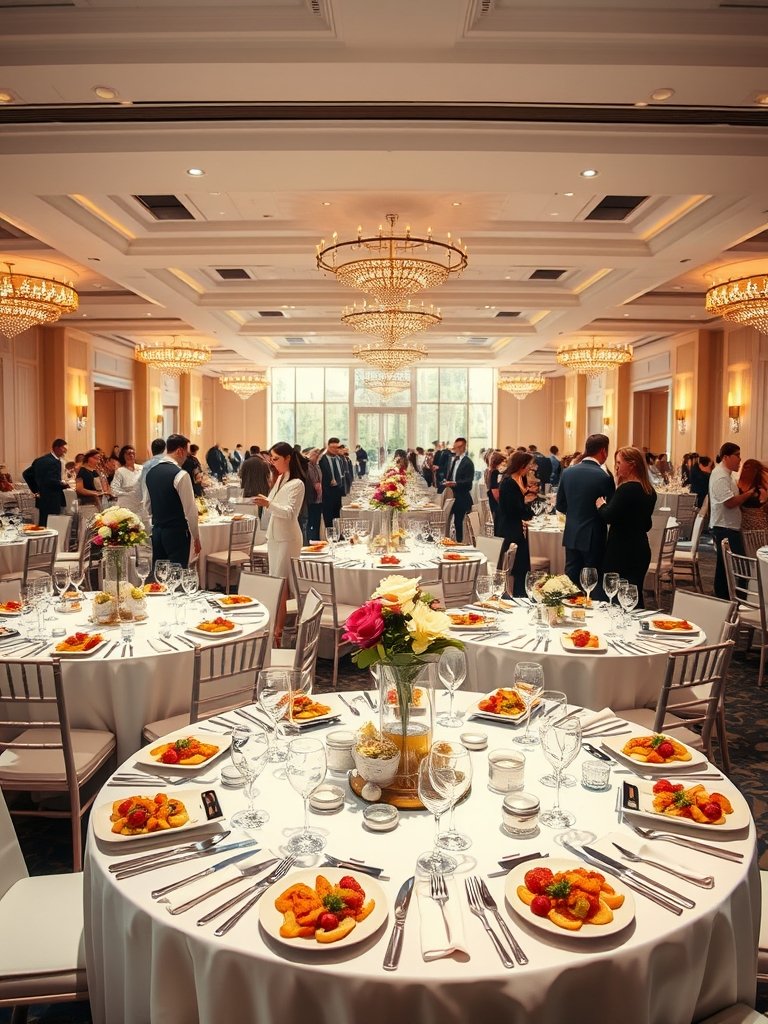
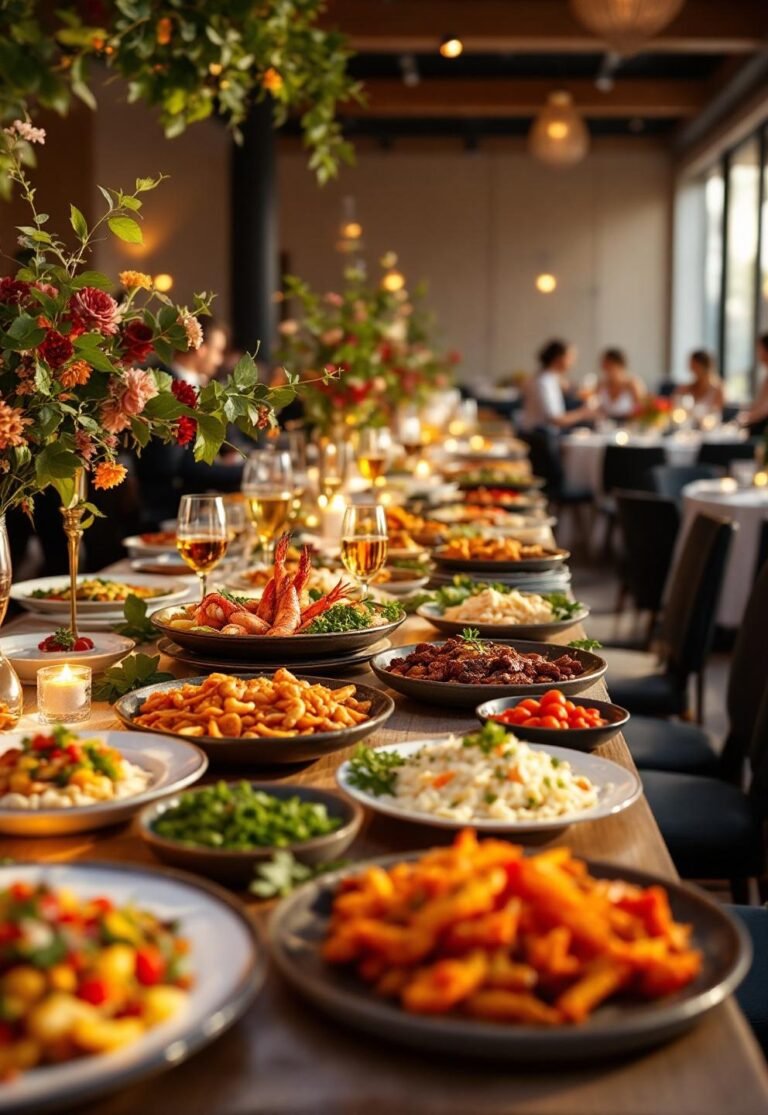
From cocktail hours to corporate mixers, traiteur fingerfood is transforming how modern events and corporate gatherings are catered—delivering flexibility, fast service, and fresh menu ideas that suit today’s rapid shift toward customizable, experiential dining. But without clear strategy and operational know-how, buyers risk budget overruns, missed dietary needs, or disappointing guest experiences. This guide gives event planners and procurement buyers the direct answers, checklists, and benchmarks needed to evaluate, order, and receive plateau finger food traiteur and traiteur mini bouchées successfully—so your next event can ride the wave of this fast-growing catering segment with confidence.
Key Takeaways
- Traiteur fingerfood and plateau finger food traiteur are rapidly growing segments—orders focus on flexibility, dietary needs, and experience-driven formats for all event sizes.
- The biggest pitfalls are unclear pricing, portioning issues, delivery timing, and allergen management. Always demand detailed quotes and operational transparency.
- Checklists and copy-and-paste brief templates can prevent errors—use them to specify guest count, diet splits, labeling, and delivery standards upfront.
- Market snapshot — why traiteur fingerfood matters now
- Demand drivers — who’s ordering plateau finger food traiteur and why
- Common complaints and pitfalls when ordering plateau finger food traiteur
- Trending ingredients and presentation styles buyers should ask for
- Typical pricing, per-head ranges and cost breakdown (how to read a quote)
- Dietary restrictions and customisation options to demand for traiteur mini bouchées
- Operational checklist for booking and receiving plateau finger food traiteur
- How leading traiteurs ensure food safety and freshness for finger food
- Sustainability and packaging trade-offs to consider
- Next steps: how to brief a traiteur
Market snapshot — why traiteur fingerfood matters now
The demand for traiteur fingerfood has never been higher. Global catering services are on track to reach USD 313.28 billion by 2025, growing at 6.43% annually to USD 432.76 billion by 2030. What’s especially notable is that social and corporate events—areas where finger food and cocktail platters dominate—make up the majority share of this growth. Office catering is expanding at nearly 9% per year, and the post-pandemic rebound means there’s surging demand for menus that are easy to serve, adapt to any setting, and satisfy a mix of dietary needs.
With more than 75% of catering orders now placed online (source) and average order values around USD 500, finger food is no longer just for weddings or receptions—it’s the backbone of modern business events, training sessions, and team celebrations.
If you’re procuring food for 20 or 500 guests, finger food cocktail traiteur allows you to efficiently serve large groups with speed, variety, and fewer logistical headaches than formal plated meals. But that value is only realized when the ordering process is transparent and operational best practices are in place—hence the need for this checklist-driven approach.
Demand drivers — who’s ordering plateau finger food traiteur and why
Traiteur fingerfood solutions are being ordered by two main client types:
- B2C/Social Events: Weddings, private parties, cocktail receptions, birthdays. In fact, 63% of all catering demand comes from this segment alone.
- B2B/Corporate: Office catering, business receptions, post-training drinks, and team celebrations. These clients value reliability, cost transparency, labeling, and clear dietary compliance.
Recent behavioral shifts are driving more organizations toward plateau finger food traiteur:
- Post-pandemic rebound: With more in-person events and hybrid work, companies are investing again in catered social experiences.
- Personalized experience: Clients expect custom menu splits for vegan, gluten-free, or other special diets. Orders for traiteur mini bouchées with themed or branded assortments are up.
- Online ordering: Speed and transparency matter—buyers expect to place, track, and clarify every detail digitally.
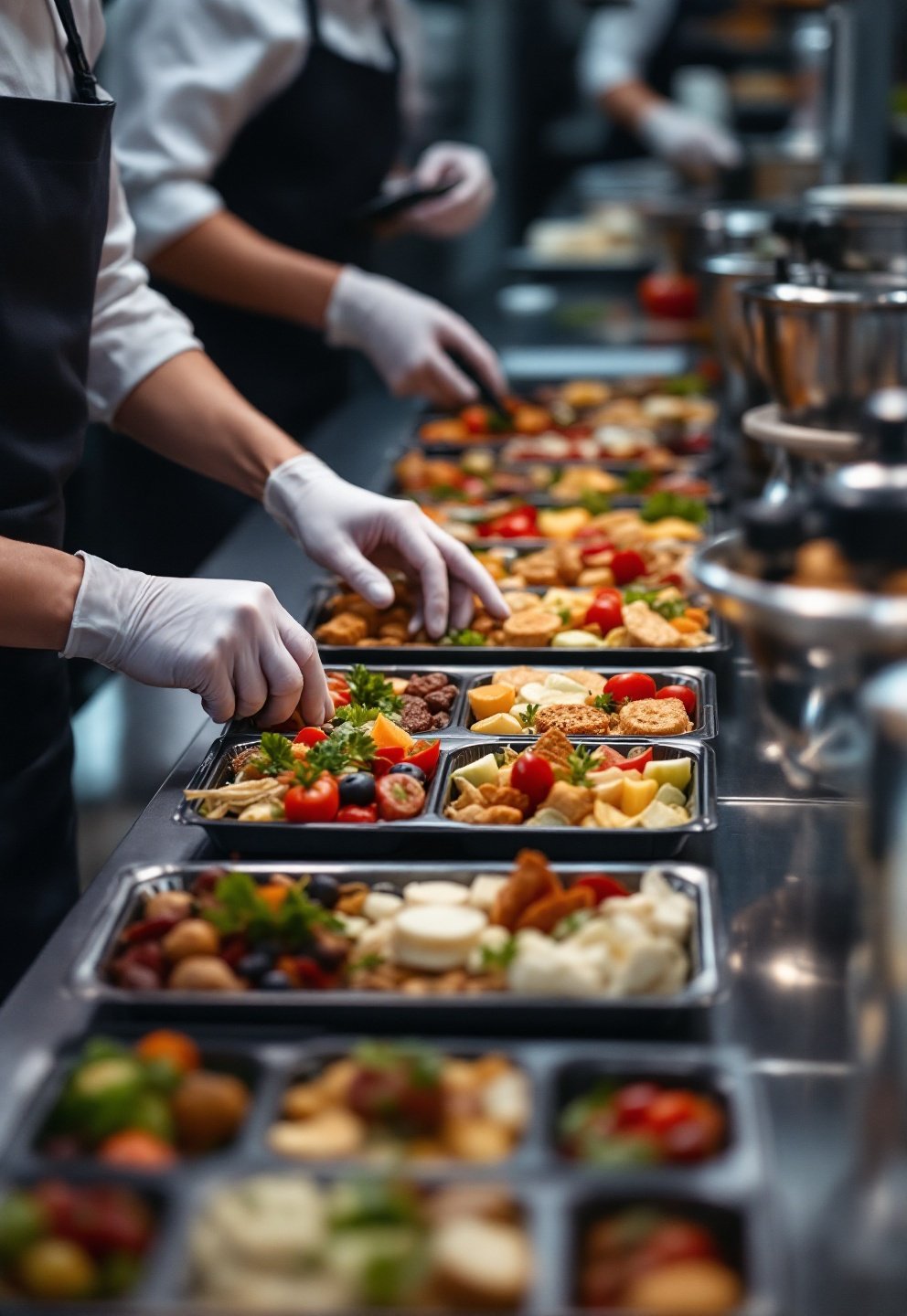
What’s changing fastest? Corporate event buyers now expect their plateau finger food traiteur to provide instant allergen labeling and allow scalable orders, whether for 25 or 500 guests. Menu flexibility and visible dietary accommodation are key—reflecting global trends in catering personalization and sustainability.
Common complaints and pitfalls when ordering plateau finger food traiteur
While finger food cocktail traiteur is convenient, recurring problems can ruin an event if not anticipated. Here are the issues most commonly reported by buyers and how they typically happen:
- Order accuracy errors: Missing tray types, wrong mixes (e.g., too few vegetarian bites), or mismatched portions per guest. “Order accuracy” is a top factor for buyers and linked directly to vendor process quality.
- Delivery timing issues: 70% of catering orders occur off-peak, so late arrivals, cold food, or wilting items are common if temperature management isn’t strict.
- Poor portioning: Platter size often isn’t clear—is it per person, per tray, by weight, or by visual count? This leads to under- or over-ordering or guest dissatisfaction.
- Lack of price transparency: Hidden fees for delivery, equipment rental, or staffing can appear in the final invoice. Always request a detailed breakdown.
- Dietary/allergen misses: Inconsistent labeling or risky platter mixing leads to confusion or even allergic reactions among guests with special diets.
| Pitfall | Typical Cause | Recommended Buyer Action |
|---|---|---|
| Wrong assortment or portion | Buyer did not specify per-person or % mix; traiteur used default “one-size fits all” | State exact splits (e.g., 30% gluten-free) by guest count; ask for labeled platters |
| Delivery delays or food in poor condition | Unclear delivery window; lack of cold/hot holding equipment | Set explicit time slot, confirm cold chain/hot holding methods, check arrival temps |
| Hidden service, delivery, or staffing fees | Quote excludes logistics/rentals or uses vague “package” pricing | Request full quote breakdown; check for individual line items |
| Dietary/allergen confusion or risk | Poor labeling, shared platters, or cross-contact in prep | Demand color-coding, separate serving, and ingredient lists; brief traiteur on severe allergies |
Key Pitfall Red Flags Checklist
- Vague portion descriptions (“approximate” or “serves X–Y guests”)
- No clear breakdown for delivery, staff, or rental charges
- No dietary sticker system or allergen chart
- No confirmation of cold chain or delivery temperature checks

Trending ingredients and presentation styles buyers should ask for
Stay ahead of the curve by requesting:
- Plant-based/vegan proteins: Try falafel balls, jackfruit sliders, marinated tofu, or plant-based cheese tartlets. Plant-based is the fastest growing trend in event catering.
- Global fusion minis: Be bold with bao buns, sushi bites, Mediterranean mezze spoons, or Middle-Eastern skewer platters.
- Elevated comfort food: Mini sliders, mac & cheese bites, gourmet croques, or fancy chicken-n-waffle skewers are crowd-pleasers.
- Grazing and charcuterie boards: Request local cheeses, artisanal cured meats, and seasonal fruit as centerpiece platters or as part of your plateau finger food traiteur.
- Tasting menus & live stations: Think build-your-own bruschetta, live carving, or mini taco stations for interactive office or team events.
Menu design counts: visually, ask for clear color coding and translation of ingredients to help guests with allergies or dietary needs spot what’s safe at a glance. Eco-friendly, compostable trays and reusable serving boards also support sustainability.
Typical pricing, per-head ranges and cost breakdown (how to read a quote)
On average, a commande finger food événement comes in around USD 500 per order online. Per-person ranges are usually:
- Light cocktail (8–10 pieces/person): $18–$35 per head
- Full cocktail (12–16 pieces/person, meal replacement): $30–$60 per head
For 50 people, expect a full finger food cocktail to run $1,500–$3,000 depending on menu and service needs.
Sample Cost Breakdown (for 50 guests, 12 piecespp)
| Component | Cost (USD) | % of Total | Notes |
|---|---|---|---|
| Food & Ingredients | $600 | 30% | Higher with premium/vegan/local |
| Labor & Staffing | $700 | 35% | Production + upcharge for on-site service |
| Logistics & Delivery | $200 | 10% | Varies if outside standard hours |
| Equipment/Rentals | $150 | 7.5% | Boards/trays/serving items |
| Overheads/Margin | $350 | 17.5% | Admin, tech, profit, sustainability overheads |
| Total | $2,000 | 100% |
Quote Red Flags:
- No line-by-line breakdown (lump-sum “package” pricing)
- No itemized delivery or rental costs
- Surcharges for “last minute” or “large order” not disclosed upfront
For reference, food and labor typically split evenly (25-35% each). The remainder covers logistics, rentals, technology, and profit. Always compare several catering menu quotes to identify outliers.
Dietary restrictions and customisation options to demand for traiteur mini bouchées
Dietary requests are now a core part of every traiteur fingerfood order—even if only 5–10% of guests are affected. Specify:
- Vegan/plant-based: Always ask for at least 10% vegan platters for inclusivity (even if no explicit requests).
- Vegetarian: 20–40% is common for mixed office/corporate groups.
- Gluten-free: Ensure trays include rice, polenta, or potato bases and clearly label all items.
- Keto, nut-free, dairy-free: List special needs in your brief. Traiteur mini bouchées should never assume one size fits all.
Sample Dietary Split Templated Request
"For 120 guests: 35% vegetarian, 15% vegan, 10% gluten-free, 10% dairy-free, remainder mixed. Please color-code or label all platters to match."
Operational asks:
- Insist on labeled or color-coded trays for every dietary category.
- Request separate prep lines for severe allergen cases.
- Double-check portion splits match your specifications—don’t let them default to generic ratios.
Operational checklist for booking and receiving plateau finger food traiteur
Prevent the most painful errors with these checklists.
Pre-Order Checklist
- Lead time: Minimum 3–5 business days for events over 50 guests.
- Provide exact guest count and “pieces per guest” expectations.
- Breakdown of vegetarian, vegan, gluten-free, and major allergies.
- Request explicit delivery window (30–60 min before service time).
- Specify if on-site staff are required for setup/service.
- Ask for confirmation of packaging (eco, reusable, or presentation style).
- Require a sample menu/dietary label PDF before confirming the order.
Day-of Receiving Checklist
- Check all packaging for cold/hot holding status on arrival (temperature stickers).
- Open and visually confirm platter assortment, labels, and tray count.
- Ensure signage or dietary color-coding is present and matches your pre-order brief.
- Photograph delivered order for reference before staff set up.
- Contact traiteur immediately if anything is missing or temperature is outside safe range.
Sample Service Level Agreement (SLA) Request
"We require 100% order accuracy, proper labeling, and food delivered in temperature-controlled packaging within 30 minutes of the scheduled window. Any incomplete or late delivery will be subject to a pro-rata refund as agreed."
Remember: About 75% of orders are digital and 70% are off-peak (source). Automate your checklists or use procurement software for extra assurance—read more about traiteur catering procurement best practices here.
How leading traiteurs ensure food safety and freshness for finger food
Top-tier traiteur fingerfood and plateau finger food traiteur services use regulated, documented food safety frameworks:
- HACCP or equivalent system in place: All prep and packaging steps are logged and checked by trained staff.
- Cold chain for chilled platters / Hot holding for warm items: Orders should never travel unprotected. Insist on insulated, labeled packaging.
- Limit “danger zone” time to under 2 hours: Warm or cold bites must be consumed or replenished fast.
- Ventilated/moisture-controlled containers: Prevent sogginess and maintain texture for fried or crisp items.
- Last-minute garnish and assembly: Ask for items delivered “set for finish” so critical elements like herbs or sauces are fresh at service.
- Color-coded allergen/vegan/veg labeling: Ensures safe and rapid self-service.
Expect logs for temperature at dispatch, proof of staff training, and checklists upon delivery. Strong operators will send a one-pager on their food safety and sustainability process upon request.
Sustainability and packaging trade-offs to consider
Eco-friendly packaging is high on the agenda for most corporate buyers. Still, there are trade-offs:
- Biodegradable trays: Reduce plastic but may increase cost and require careful handling to avoid leaks or loss of visual appeal.
- Ventilated compostable boxes: Prevent sogginess for fried/baked items. Essential for finger food cocktail traiteur menus with crisp bites.
- Reusable boards/platters: Most sustainable but require return logistics and extra cleaning fees. Ask about deposit policies.
- Local sourcing: Shorter supply chains cut carbon but expect price premiums for hyper-local or small artisanal providers.
Always ask for a summary of a traiteur’s sustainability metrics and certifications. If in doubt, read more tips on balancing decor eco-goals and food safety or for menu ideas that showcase local and seasonal produce.
Next steps: how to brief a traiteur
Ready to place a plateau finger food traiteur or traiteur mini bouchées order? Don’t start from scratch—copy and personalize this brief for instant clarity and better results:
EVENT BRIEF TEMPLATE:

- Event date & time:
- Number of guests:
- Portion expectation: __ pieces per guest (total: __ bites required)
- Dietary split: (e.g., 30% vegetarian, 15% vegan, 10% gluten-free, 5% nut-free, remainder mixed)
- Allergen statements: [specify if severe]
- Delivery window / set-up needs:
- Eco-packaging preference (biodegradable / reusable / standard):
- Required staff on-site? (yes/no)
- Request: line-by-line cost breakdown (food/labor/logistics/equipment/overhead), menu PDF with dietary labels, SLA confirmation.
Clarify every point upfront. The average traiteur fingerfood order is over $500, so you have every reason to demand full transparency and catering professionalism. Want more actionable advice? See our complete procurement guide.
FAQ: Traiteur Fingerfood and Corporate Event Orders
How far in advance should I order traiteur fingerfood for a large corporate event?
For events over 50 guests, place your order at least 5 business days before your event to ensure the traiteur can accommodate menu splits and guarantee delivery windows.
How do I make sure dietary needs like gluten-free or vegan are fully covered?
Specify exact guest numbers needing each diet and require separate labeling or colored platters for every category. Ask for a menu PDF detailing ingredients and allergens before confirming your order.
What questions should I ask my plateau finger food traiteur about food safety?
Ask about their cold chain and hot holding protocols, packaging strategy, allergen control processes, and whether they have documented HACCP or equivalent food safety systems in place.
Why does finger food sometimes seem more expensive than buffet or plated meals?
Finger food menus include more labor for prep and plating, often use higher-quality or specialty ingredients, and have extra costs for packaging and presentation. They make up for this with service speed, less equipment, and higher guest engagement.
Can I request eco-friendly packaging for my mini bouchées order?
Yes! Many modern traiteurs now offer biodegradable trays, reusable delivery boards, or compostable containers. Ask for sustainable options and specify your priority in your event brief.