Historic Estate Venue Hire: Heritage Charm Without the Headaches
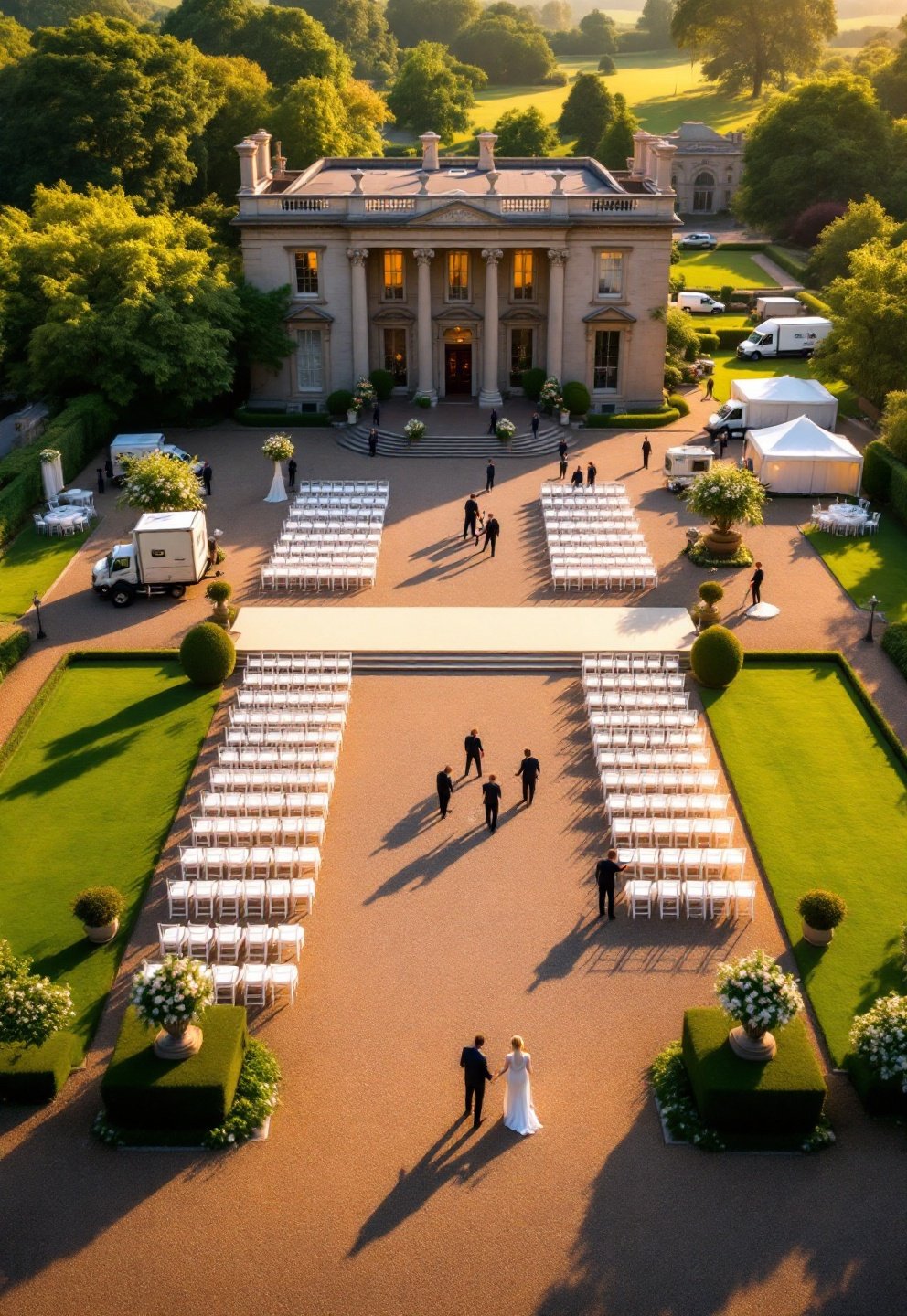
Peak Saturdays at heritage properties now book up to two years ahead, and average lead times run 12–18 months. Those timelines tell you a lot about historic estate venue hire: demand is fierce, and the process—compliance checks, supplier restrictions, layered fees—rewards planners who start early and negotiate methodically. This guide maps the timelines, costs, and contract points that keep heritage charm from turning into a headache.
Key Takeaways
- Historic estate venue hire brings unique value and strict operational tradeoffs—costs, compliance, and supplier rules must be scrutinized before you book.
- Average lead times now run 12–18 months, peak Saturdays require up to 2 years ahead—fail to plan and you’ll overpay or miss out.
- Hidden operational charges and mandatory supplier lock-in are top complaint areas—always demand full itemized quotes and leverage detailed checklists at contract stage.
- Why choose a historic estate — value beyond aesthetics
- Booking a historic estate: the procurement roadmap
- Supplier lock-in, compliance and the true cost picture
- Heritage or contemporary? The decision matrix
- FAQs about historic estate venue hire
Why choose a historic estate — value beyond aesthetics
Historic estate venue hire offers more than Instagrammable facades—think architectural storytelling, exclusive grounds, atmospheric halls, and privacy. But for pros, the appeal of a historic estate wedding venue depends on navigating real-world tradeoffs: stricter site rules, long booking windows, and non-negotiable conservation requirements. Compare this to modern venues and you’ll see why the right venue choice means balancing heritage value against flexibility and risk.
If your priority is creative event styling, technical execution, or checklist-driven budgeting, bookmark the Eventory blog and the Ultimate Event Planning Guide for venue breakdowns and up-to-date compliance checklists. Looking to develop a vision? Browse the event inspiration ideas before you short-list any period property.
Market demand for premium venue rentals is strong: the global event venue rental market will hit USD 123.85B in 2026, with the US wedding services market at USD 64.93B in 2024 and growing. Distinctive, story-rich venues remain a prime target for high-expectation buyers—but only if you have full visibility on timelines, cost, and supplier freedom.
Unique Selling Points vs Operational Tradeoffs
- Exclusive atmosphere: Full buyout, historic prestige, and guaranteed privacy.
- Grounds and spaces: Mature landscaping, lawns for ceremonies, courtyards for cocktail hours.
- Storytelling value: Centuries-old ballrooms and listed halls elevate both guest experience and perceived event value.
- Tradeoffs: Long booking runs (often 12–24 months out), stricter access for vendors, and more compliance hurdles compared to new-build venues.
Booking a historic estate: the procurement roadmap
Hiring a period property venue isn’t a generic venue hunt—it’s a procurement process. Here’s the practical roadmap:
-
Set your requirements:
- Define guest list using the guest list calculator.
- Clarify desired event type: wedding, retreat, corporate, or celebration.
-
Research and short-list venues:
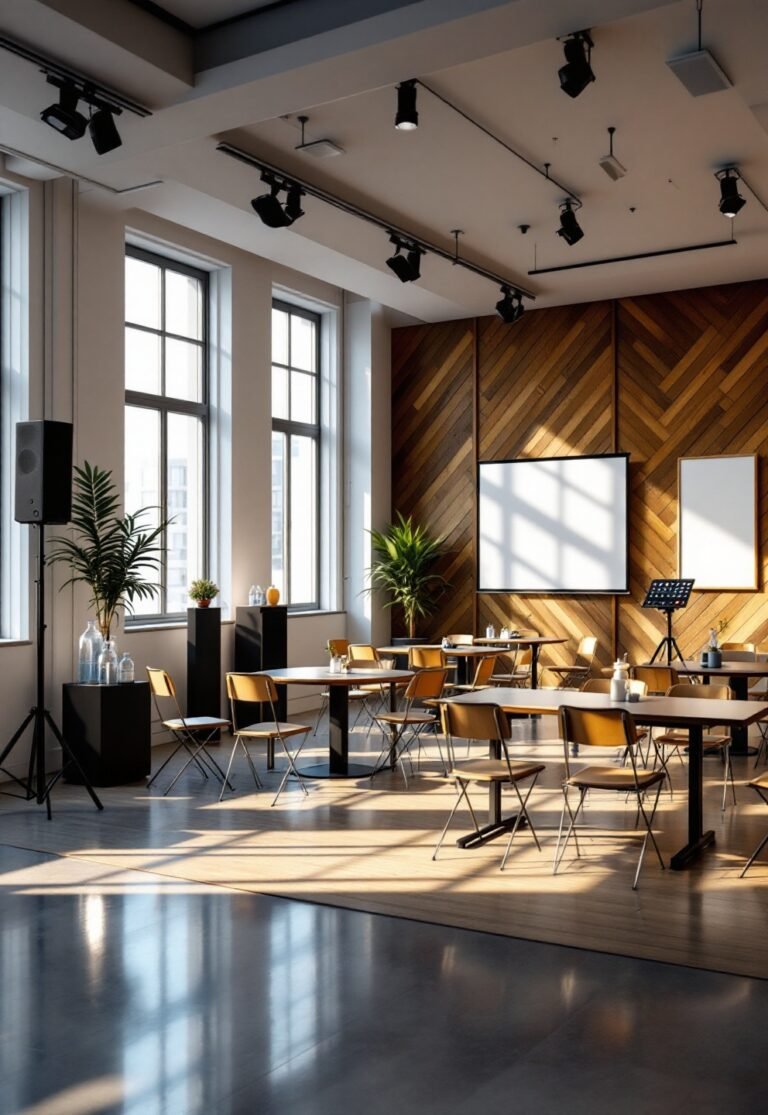
- Filter by capacity, allowable event hours, and supplier policy—deadlines are strict: lead times run 12–18 months (18–24 for peak Saturdays).
- Ask for site maps and setup access notes upfront.
-
Request transparent, line-itemized quotes:
- Insist on seeing all expected line items (dry hire/exclusive use, staffing, security, cleaning, insurance, generator hire, corkage, deposit).
- Use the event budget calculator to benchmark real costs.
-
Audit the approved vendor policy:
- Ask which suppliers are mandatory—and if outside options are allowed, at what fee.
- Get sample invoices to check for supplier markups or hidden “admin” charges.
-
Negotiate contract and compliance points:
- Refer to our 10-point negotiation list below.
- Always clarify contingency, overtime, and cancellation terms before any deposit.
-
Finalize logistics and tech:
- Check if you’ll need temporary restrooms, generators, Wi-Fi boosters; add these to your timeline.
- Use the event catering calculator for F&B numbers and kitchen needs.
-
Sign off only after full compliance:
- Crosscheck all insurance, method statements, and risk assessments (use the checklist below).

Must-have Booking Checklist for Historic Estates
- Itemized all-in quote covering dry hire, exclusive use, required staff, and ALL operational charges
- Supplier policy in writing (which vendors are allowed / restricted)
- Full contract clauses: access window, overtime, curfew, deposit, and cancellation policy
- Insurance requirements (public liability, cancellation, employer if relevant)
- Compliance & risk signoff (fire, alcohol, conservation, occupancy)
- Infrastructure brief: power, heating/cooling, Wi-Fi, kitchen, restrooms, AV
- Contingency and bad-weather plan
- Copy of “supplier working method statement” for all external contractors
- Sample invoice with ALL typical add-ons
- No-penalty cool-off period explicitly stated
Supplier lock-in, compliance and the true cost picture
Supplier-Lock-In Economics & The Red Flags
One of the most underreported traps in historic estate venue hire is “approved supplier” restriction. Many historic estates require using their in-house or pre-vetted caterers, florists, lighting, or AV teams—limiting your negotiation leverage and bumping up costs.
Typical pain points include:
- demanding outside supplier fees (5–20% uplift)
- requiring event insurance naming both the venue and supplier
- being vague about which services must use their team (AV, décor, F&B, cleaning)
- tacking on hidden operational fees: security, cleaning, generator, corkage, overtime, admin
Ask this before you pay a deposit:
- Full list of approved and restricted suppliers (including fees for exceptions)
- Exact breakdown of all mandatory staff and associated charges
- Explicit itemization of “operator” costs: cleaning, security, corkage, insurance, fire marshall
- Clear definition of load-in/load-out hours and overtime rates
- Noise limit or curfew (when does amplified sound stop?)
- Deposit, cancellation, and refund policy (in writing)
- Requirement for written signoff of compliance documents
- Contingency plan for supplier or weather-driven disruption (in contract)
- Venue refuses to supply full supplier list until AFTER deposit
- Mandatory “preferred supplier” fees without negotiation
- Security, cleaning, corkage, or generator not disclosed in initial proposal
- “Admin” or “co-ordination” fee of more than 10% with no justification
- Any ban on vendor walk-throughs before contract is signed
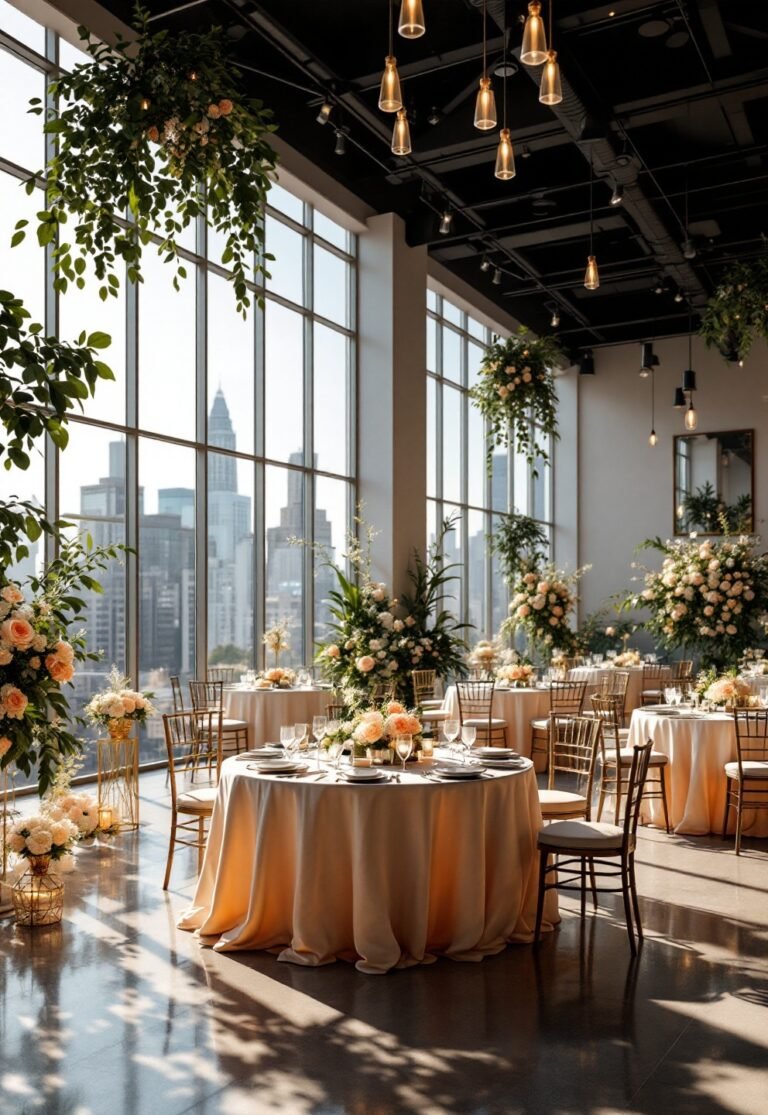
Comparison: Historic Estate vs Contemporary Event Venue
| Factor | Historic Estate Wedding Venue | Contemporary Venue |
|---|---|---|
| Guest Capacity | Often capped by room/grounds limits (avg 117 in 2025) | Higher, more scalable |
| Amenities | Limited AV, kitchen, restroom, or disabled access | Stronger baseline amenities, easier flow |
| Supplier Flexibility | High lock-in, smaller supplier pool | Open vendor policies |
| Lead Time | 12–24 months for prime slots | 3–9 months typical |
| Hidden Charges | Cleaning, security, corkage, insurance, generator, overtime | More inclusive or transparent |
| Compliance Burden | High (conservation, fire, risk, insurance, method statements) | Lower, faster approval |
Typical Costs & Budget Template
The following cost ranges are market-informed estimates and will vary by property and date:
- Manor house: USD 3,000–15,000+ for a day (exclusive weekends higher)
- Stately home: USD 10,000–30,000+ (often with mandatory staff, catering, event manager)
- Castle: USD 15,000–50,000+ (top tier, complex access/security requirements)
Add-ons to always confirm:
- Security (often $500–$2,000/event)
- Cleaning ($400–$1,500)
- Bar licensing and corkage ($5–$25/head)
- Heating, generator hire ($800–$3,000)
- Insurance ($300–$2,000+ depending on guest count)
- Overtime (upwards of $500/hr if outside agreed windows)
For a granular pricing analysis, see sample packages on the industry benchmark source and always use the event budget calculator before committing.
When comparing decor, AV, or rental equipment for historic settings, check product reviews for compatibility and damage waiver rules.
Legal and Compliance Checklist
- Venue’s public liability and event cancellation insurance
- Employer liability if staff/contractors are involved
- Alcohol licensing or temporary event notices for on-site bar
- Fire safety compliance: max occupancy, means of escape, tested alarms
- Risk assessment for all “unusual” activities (candles, open flames, dance floors, outdoor heaters, pyrotechnics)
- Written conservation consent for any décor or technical install
- Method statements for all supplier floor protection and load-in/out plans
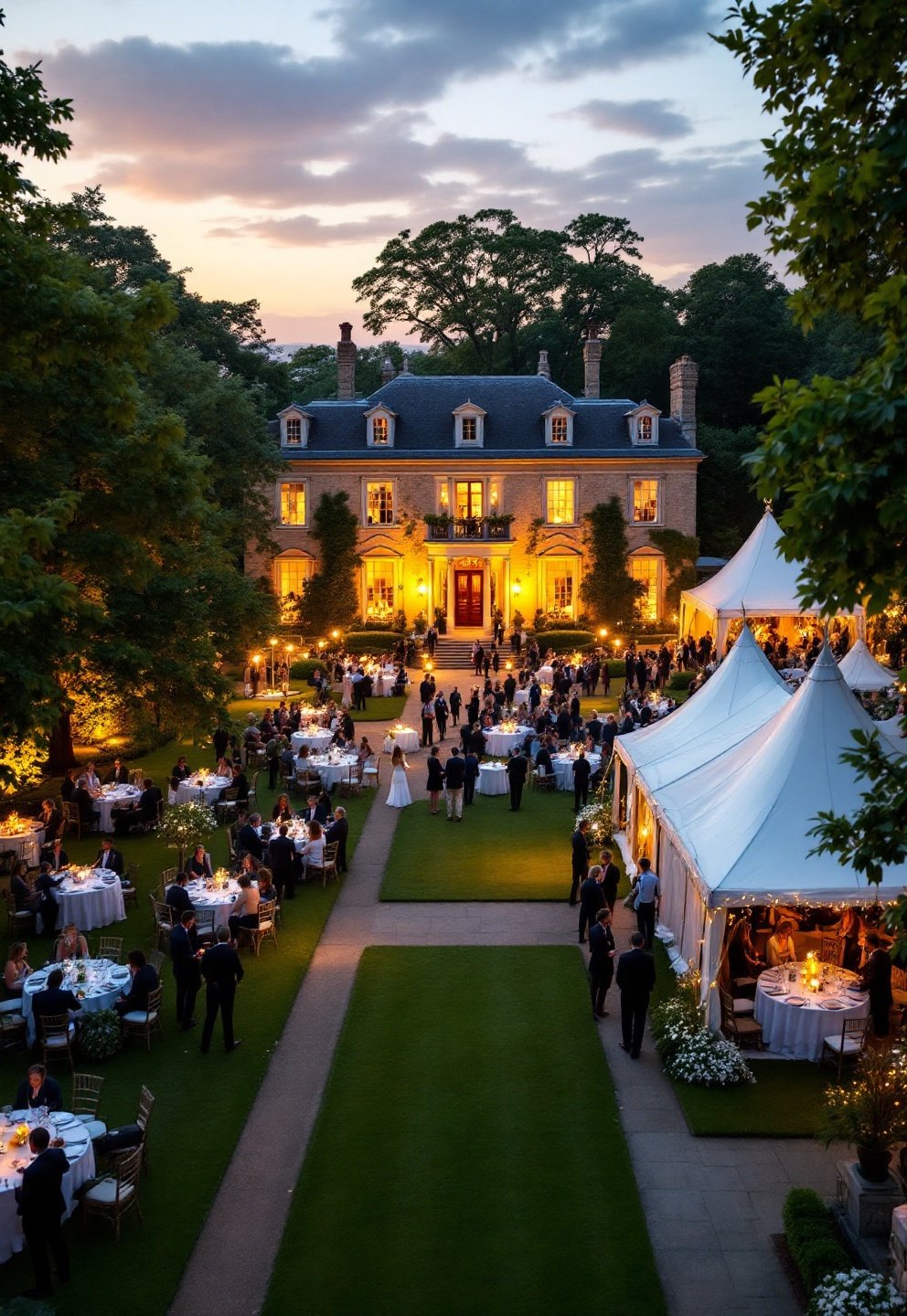
Summary Table: When to Choose Historic Estate vs Contemporary Venue
| Choose Historic Estate Venue Hire When | Consider Contemporary Venue When |
|---|---|
| You want exclusive, heritage-led ambiance for guest experience | You need maximum flexibility, tech or catering freedom |
| Your timeline is 12–24 months ahead | You need to book within 3–6 months |
| You’re prepared to budget for hidden costs and compliance steps | You want bundled “all-in” pricing with fewer moving parts |
| Supplier lock-in is not a dealbreaker (or you wish to use venue’s teams) | Supplier flexibility and last-minute changes are crucial |
Heritage or contemporary? The decision matrix
Historic estate venue hire delivers unique memories—and complex event logistics. If you value heritage-led experience, exclusivity, and are willing to budget for compliance and supplier restrictions, you’ll stand out in a USD 123.85B global market. If you need plug-and-play tech, fast-track timelines, or open vendor access, a contemporary venue may serve your real-world needs better.
Ready to make smart, safe booking decisions? Download the one-page contract checklist and explore practical planners’ tools in our Ultimate Event Planning Guide and start with our event budget calculator. For evolving best practice and new supplier rules, follow the latest on the Eventory blog and our expert product reviews.
For inspiration, operational playbooks, and peer-vetted hacks, see our curated event inspiration ideas and plan your event pages now.
FAQs about Historic Estate Venue Hire
How far in advance should I book a historic estate venue?
For high-demand properties, allow 12–18 months, and up to 24 months for peak-season Saturdays. Early booking ensures access and better rates.
What are the most common hidden costs with period property venue hire?
Expect extra charges for security, cleaning, bar license, heating, generator hire, overtime, corkage, and insurance. Always demand an itemized estimate.
Can I use my own caterers, florists, or vendors at a historic estate venue?
Many estates require approved suppliers and may charge outside-vendor fees (5–20%). Clarify this before signing any contract.
What insurance do I need for a historic estate wedding venue or event?
Public liability, event cancellation, employer’s liability (if staff/vendors), alcohol licensing, and proof of fire and safety compliance. Suppliers must provide risk assessments and method statements.
How do historic estate venues compare to modern venues on logistics and guest experience?
Historic venues offer unique ambiance and privacy but require more careful planning, have stricter rules on timing and access, and often less flexibility on suppliers or amenities compared to modern sites.