The Hub and Spoke Event Venue Model, Explained
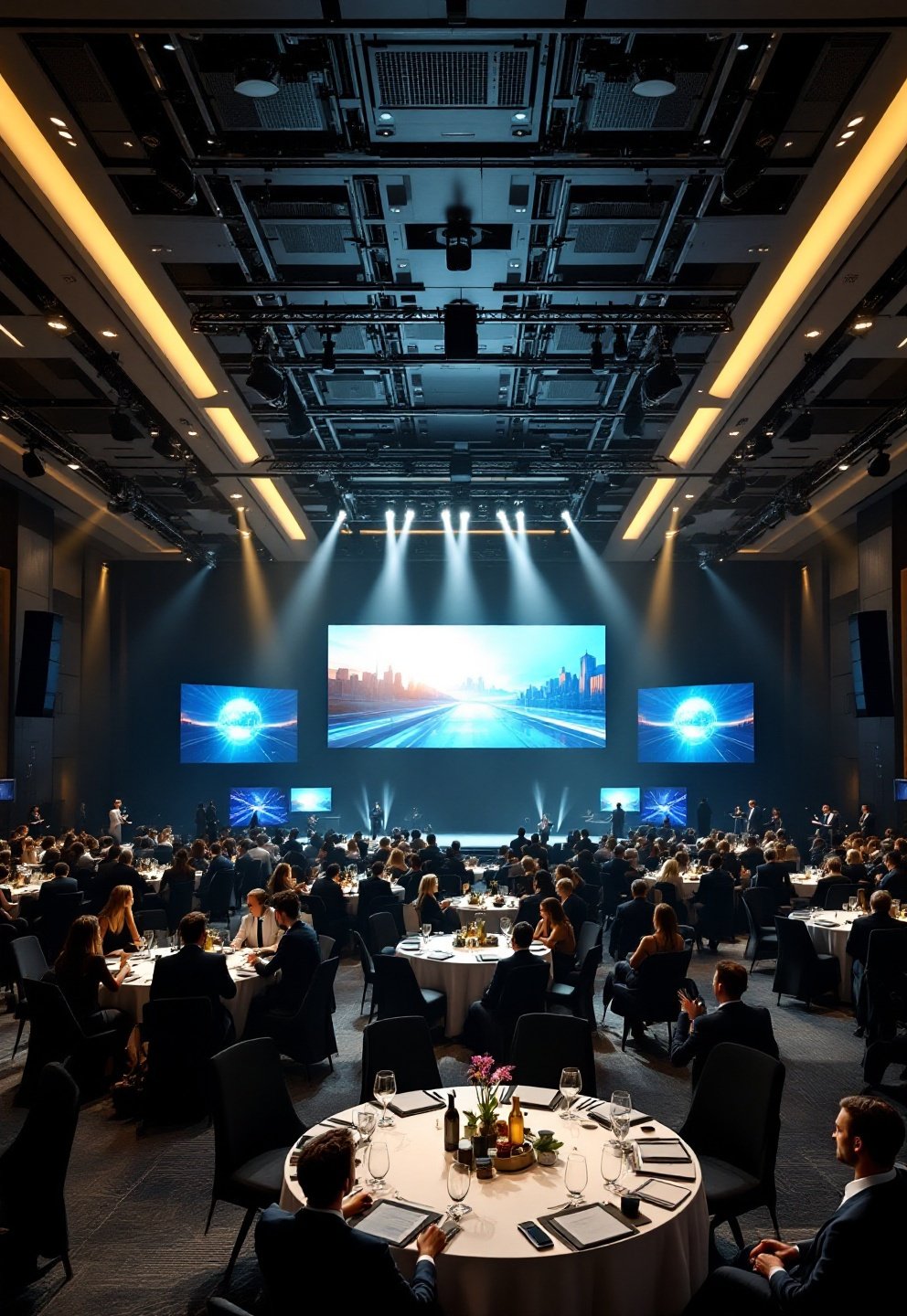
Flying everyone to one flagship city is how corporate events used to work; running a main broadcast hub with regional satellite venues at once is how they increasingly work now. The hub and spoke event venue model taps a venue market projected to reach $123.85B in 2026 while trimming travel budgets and widening regional reach. This playbook covers the operational orchestration, tech standards, and ROI frameworks that make distributed events actually deliver.
Key Takeaways
- Hub and spoke event venue models optimize reach, resilience, and cost by enabling simultaneous multi-city participation—critical as event budgets tighten for 2026.
- Operational complexity rises nonlinearly with each spoke: success depends on synchronized contracting, tech minimums, and centralized run-of-show/monitoring.
- Current booking platforms and industry content lack actionable templates and cost models; use the step-by-step framework and downloadable tools here to drive results.
- How the Hub and Spoke Model Works
- Planning a Multi-City Event, Step by Step
- Where Multi-City Events Go Wrong — and How to Avoid It
- Making Hub and Spoke Work for Your Next Event
- FAQ
How the Hub and Spoke Model Works
A hub and spoke event venue solution allows you to host a single, unified event across multiple cities—each with its own in-person audience—while synchronizing stages, speakers, and networking through technology. Instead of flying everyone to one flagship, you run a ‘hub’ (main broadcast site) and ‘spokes’ (regional venues) at once, matching the normalized demand for hybrid and multi-location events projected to reach $123.85B in venue spend by 2026 (Intel Market Research).
Use a hub and spoke conference venue when:
- Your audience is regionally distributed, and a centralized flagship would shrink attendance due to travel/time constraints.
- Executive presence, resiliency, and local market access outweigh the value of one ‘all-hands’ experience.
- You need reliable attendance lift while controlling risk exposure—such as travel shutdowns or local disruptions.
For high-impact inspiration for formats, attendee experience, or event decor, bookmark these resources:
- Browse the Eventory blog for up-to-date strategy and tech tips.
- Check the event inspiration ideas page for design and experiential layouts proven in distributed events.
- Consult the Ultimate Event Planning Guide when building out full project timelines across multiple venues.
Planning a Multi-City Event, Step by Step
Here’s a practical walkthrough for building and running a simultaneous multi-city event that delivers consistent attendee value and ROI.
- Map Your Audience and Priorities
- Use your CRM or registration platform to plot attendee concentration by city/region.
- Decide on hub (broadcast) and spoke (regional) cities based on density, client clusters, and executive availability.
- Draft the Decision Matrix
- Start with a checklist: Will a single flagship drive higher ROI, or does a multi-city event venue unlock new reach?
- List variables: travel budget, speaker routing, tech capability, local risk, attendance goals.
- Build Your Budget Model
- Leverage the event budget calculator to compare scenarios—centralized vs distributed.
- Include venue rental, AV/IT, tech, travel, staffing, food, shipping, contingency for each city.
- Download and customize your cost model spreadsheet (template link below).
- Synchronize Site Sourcing & Contracting
- Prioritize venues that can guarantee date/time alignment and provide robust AV/connectivity (avoid “second-class” spokes).
- Use the guest list calculator to balance local capacity per site.
- Demand harmonized contracts and SLAs. Pitfall: most platforms (like Cvent) lack batch contracting—negotiate consistent terms yourself. (Cvent event stats)
- Design Your Tech and AV Blueprint
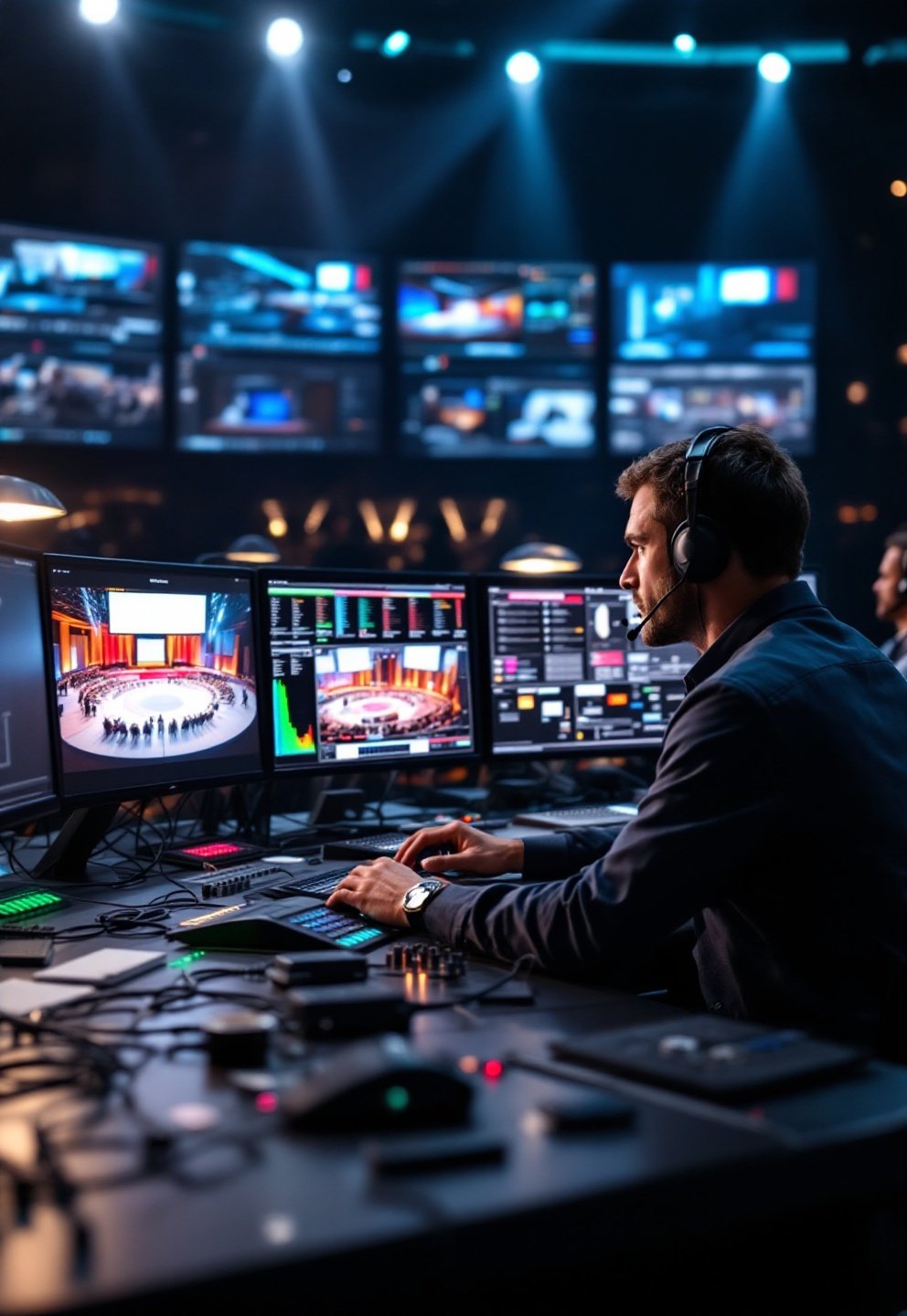
- Create a reference architecture: multi-camera hub, mirrored displays at each spoke, dual-channel audio, reliable encoders, redundant internet, and real-time dashboards.
- Enforce minimum tech specs with venues up front.
- Schedule T-7 and T-1 tech tests, cue rehearsals, live monitoring during show day.
- Lock Down Logistics, Staffing, and Local Playbooks
- Define roles: Central Technical Director (hub), local producers (each spoke), AV leads, ops coordinators, and F&B managers.
- Share written SOPs and escalation ladders with all vendors.
- Route any physical assets (stage, signage, swag) or use regional vendors (event catering calculator for F&B logistics).
- Measure, Benchmark, Optimize
- Standardize KPIs: attendance per city/venue, streaming quality, satisfaction, net new leads, engagement rate.
- Aggregate results into a central dashboard for debrief and ROI reporting.
- Use learnings to standardize future run-of-show/playbook for the next roll-out.
For full templates, line-item modeling spreadsheets, and sourcing RFP samples, see the downloadable tools in the Ultimate Event Planning Guide or Eventory blog resources.
Where Multi-City Events Go Wrong — and How to Avoid It
Managing a simultaneous multi-location event exposes hidden operational risks, especially as most venue marketplaces and existing articles focus on headlines—missing the gritty details found here.
- Fragmented Contracts: Failing to align SLAs and cancellation terms across venues forces costly renegotiations. Always specify bandwidth and AV standards in all contracts.
- Underbudgeting AV & Redundancy: Don’t assume all sites have broadcast-grade equipment—budget for “bring-your-own” tech or third-party support.
- Scheduling Drift: Lack of centralized cueing/talkback leads to program overruns or mismatched experiences at spokes.
- Last-Minute Tech Surprises: Skipping T-1 site visits and connectivity tests is the fastest way to trigger live show failures.
- Inconsistent Attendee Experience: Catering, engagement, or branding can vary site to site without strict SOPs and shared assets.
- Manual Data Collection: Aggregating attendance and engagement by spreadsheet hinders real ROI reviews—seek integrations or hire a technical PM to automate.
- Unvetted Local Partners: Bypass unknown AV or F&B vendors where possible; use product reviews and supplier ratings to stress-test vendor reliability.
- No Central Monitoring Dashboard: Real-time stream quality and incident tracking is essential. One spoke failure degrades the entire event’s value.
- Insufficient Training: Staff at each spoke must be prepped and rehearsed—use onboarding checklists and escalation ladders across all roles.
- Ignoring Accessibility & Language Needs: Make sure all sites deliver captioning and match accessibility standards to avoid legal risk and audience drop-off.
| Cost Line Item | Single Flagship | Hub + 4 Spokes | Key Notes |
|---|---|---|---|
| Venue Rental | $80,000 (1 city) | $18,000 x 5 cities | Distributed venues may total more unless smaller tiers are used |
| Travel & Accommodation | $120,000+ | $20,000 (local travel only) | Major savings with regional spokes |
| AV/Streaming | $40,000 | $45,000 (more per city for redundancy) | Redundant encoders needed |
| Staffing | $20,000 | $40,000 | More producers, techs per city |
| F&B | $35,000 | $10,000 x 5 | Regional patterns reduce risk |
| Shipping/Logistics | $8,000 | $6,000 x 5 (or local print) | Localize signage/assets where feasible |
| Contingency | 10% | 12-15% | Risk is distributed but higher total ops exposure |
For visual and inspiration aid, check the event inspiration ideas or explore the product reviews if you need trusted feedback on AV vendors, decor, or event tech.
Making Hub and Spoke Work for Your Next Event
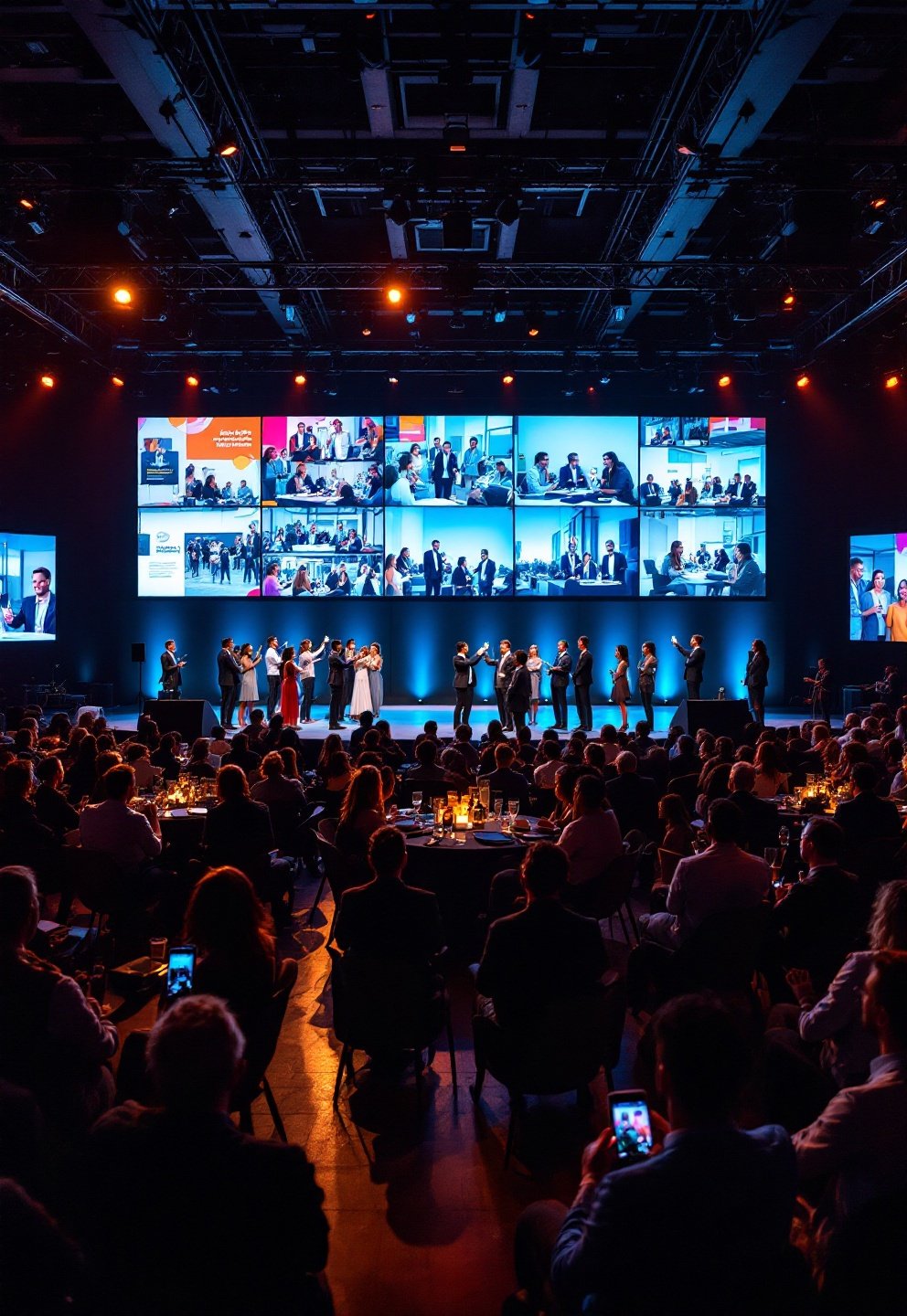
Scaling with a hub and spoke event venue strategy is no longer experimental—it’s key for modern global events. The payoffs are tangible: reduced travel costs, more resilient programming, and higher regional engagement. Yet the difference between success and signal failure comes down to operational discipline, contract harmonization, and technical standards. Use tools like the event budget calculator, run-of-show templates, and the Ultimate Event Planning Guide to execute distributed events with confidence.
Ready to streamline your multi-city event venue strategy? Head to plan your event now for templates, calculators, and step-by-step orchestration assistance.
FAQ
What defines a hub and spoke event venue model?
The hub and spoke model coordinates one central hub site (main broadcast) with multiple regional spokes running simultaneously. All sites participate in a synchronized agenda, with robust AV for content-sharing and local in-person networking for each spoke.
Which corporate event types benefit most from a multi-location event venue strategy?
Best suited for kickoffs, product launches, executive summits, or any event where the audience is regionally dispersed—and travel or risk constraints make a flagship site impractical.
Do booking platforms support true hub and spoke conference venue orchestration?
Not fully. Leading platforms like Cvent allow multi-city search and registration but lack integrated batch booking, tech spec enforcement, or synchronized contracting workflows. Most planners negotiate these manually.
How do you ensure reliable AV and internet across all spokes?
Request venue network specs in your RFP, budget for portable encoders/failover, schedule on-site tech tests, and mandate minimum upload bandwidth. Always have a redundancy plan for each location.
Where can I get a cost modeling template for hub and spoke event venues?
Use the event budget calculator and downloadable spreadsheets from the Ultimate Event Planning Guide.