Hiring an Event Decoration Company Without the Guesswork
Event decorator selection can make or break your big day or corporate launch—done right, you get timely, Instagram-worthy results and clear costs. Done wrong, you’re facing mismatched visions and surprise invoices. If you want expert-backed advice that actually helps you choose and negotiate—not just get inspired—this guide is for you.
Key Takeaways
- The event decorator market is booming, so availability, specialties, and prices vary widely by region and event type.
- Most clients run into hidden costs, unclear deliverables, or communication gaps—but these can be avoided with thorough proposals and vetting.
- To avoid regrets, ask for portfolios, credentials, mockups, detailed quotes, and know exactly what red flags to watch for in your contract.
- Market size & growth — why decorators matter in 2026 and beyond
- Typical services an event decorator provides (and what to expect in a proposal)
- Common client pain points when hiring an event decorator (and how to avoid them)
- Skills, credentials, and capabilities that separate top professional decorators
- Typical pricing structures and ballpark costs by event type (wedding / corporate / private party)
- Trends & technologies shaping event decorating today
- Common complaints and real-world remedies — from negative reviews to contract language
- How to choose & vet an event decorator — checklist for hiring, interviewing, and contracting
Market size & growth — why decorators matter in 2026 and beyond
The event decorator sector is growing fast—valued around $20 billion in 2023 and projected to reach up to $35 billion by 2032 (CAGR 6.5%). Some analysts forecast even higher, predicting the market could nearly double by 2034. What’s fueling this rise? More visually driven weddings, product launches, luxury events, and destination parties—with social media setting ever-higher expectations for unique, photogenic decoration. Regional growth matters: North America is steady (CAGR ~5.5%), while Asia Pacific is surging even faster (~7.5% CAGR).
What does this mean for you? More choice, more specialization, but also more variation in price and service quality. Expect busy seasons to book out early, and for the best event decorators to offer specialized themes, sustainability options, or tech features like AR staging.
Source: Event Decoration Service Market Report (Dataintelo)
Typical services an event decorator provides (and what to expect in a proposal)
A professional event decorator delivers much more than “looks”—they manage every detail from concept to breakdown. Here’s what’s typically included:
- Event design concept: Mood boards, sketches, or digital renderings tailored to your vision and venue needs
- Sourcing & rentals: Furniture, linens, lighting, custom props, drapery, specialty installations
- Florals: Bouquets, centerpieces, floral structures (ceiling, stage, aisle)
- On-site setup & breakdown: Full installation before/after event, handling logistics and vendor coordination
- Project & logistics management: Timelines, delivery schedules, backup planning, stakeholder coordination
What should always be in your event decorator proposal?
- Clear scope of work: Specific list of deliverables with quantities and descriptions
- Timeline: Milestones (design approval, installation, teardown)
- itemized costs: Rentals, purchases, florals, labor, delivery, contingency
- Vendor responsibilities: Who handles what, from specialty rentals to venue restrictions
- Contingency plans & insurance: Weather, supply delays, backup vendors, liability coverage
For a closer look at how custom event decor is evolving, check out modern trends like multi-sensory event design and AR event decoration.
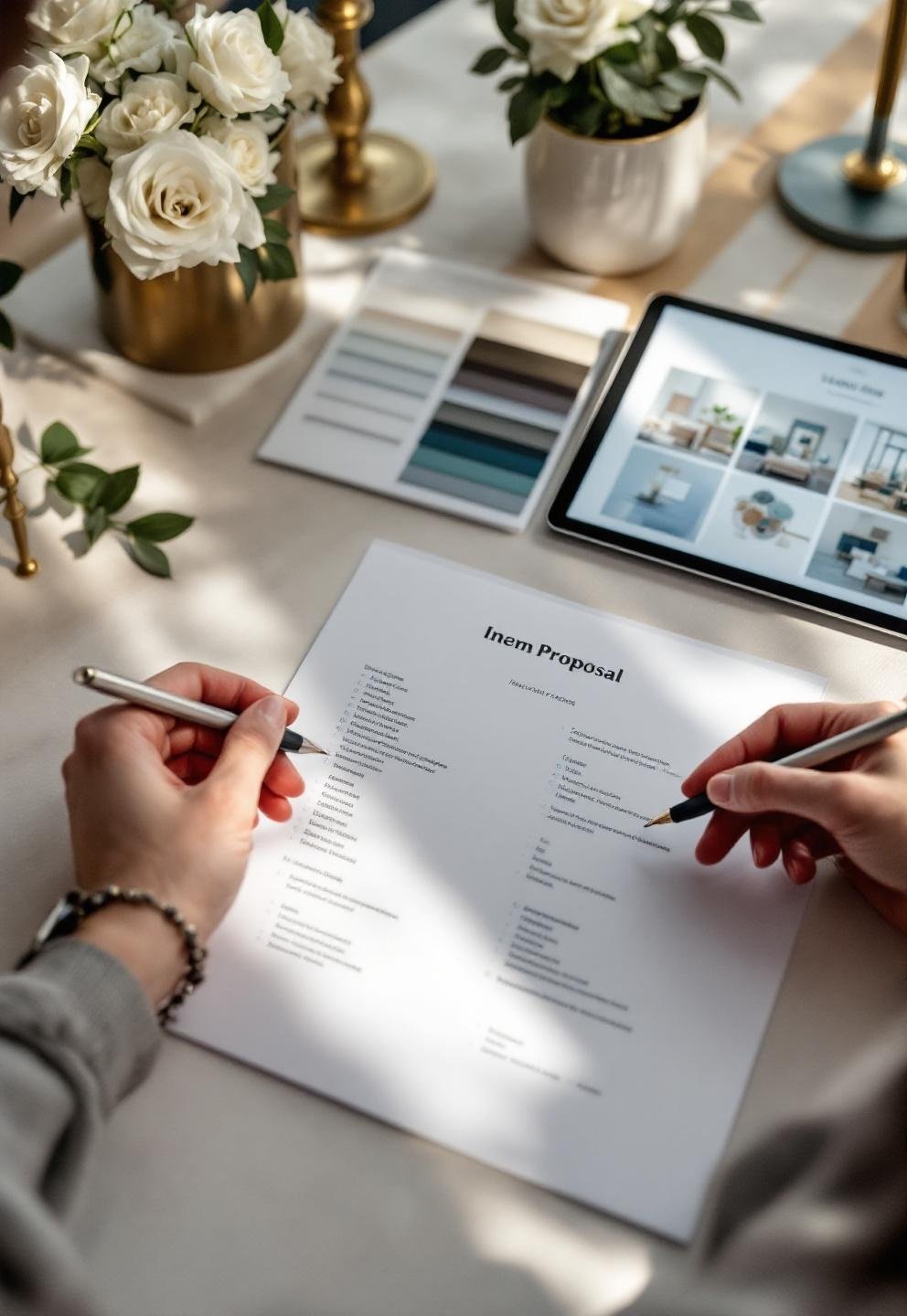
Luxury and even “simple” events are increasingly bespoke—and the research shows decorators now offer props, structures, and setups far beyond standard catalog rentals (see market findings). Don’t settle for a one-page quote; look for detailed, visual proposals.
Common client pain points when hiring an event decorator (and how to avoid them)
Despite a booming market, many clients (both couples and event managers) report these frustrations:
- Budget overruns: Surprise add-ons, overtime labor, “upgraded” rentals not in the original quote
- Mismatched vision: Decor details that don’t align with the concept, or too little customization
- Poor communication: Slow response, unclear timelines, or vague answers to direct questions
- Unreliable delivery: Late setups, missing items, or low-quality substitutions
- Last-minute changes: Unexpected vendor conflicts, unavailable props, or denied rigging by the venue
Research finds these pain points are discussed in online reviews more than in formal reports—a major content gap in most hiring guides.
| Model | Description | When Used | Typical Range (Est.) |
|---|---|---|---|
| % of Event Budget | Decorator’s fee is a fixed percent of total event budget (common for weddings) | Weddings, luxury private events | 10–20% of budget (e.g., $6k–$24k on $60–$120k wedding) |
| Flat Fee + Markup | Design fee plus markup on rentals and purchased decor | Corporate launches, midsize parties | $3k–$12k design fee + 20–30% markup on rentals |
| Per-Item or Package | Packages by number of guests, centerpieces, backdrops, etc. | Private parties, small events | $2k–$6k typical, large venues more |
| Per Square Foot (Install) | Large-scale decor charged by area covered/treated | Exhibitions, conference venues | $10–$50/sq ft installed |
| Day Rate (Setup/Teardown) | For setup teams, especially for custom/built installs | Multi-day events | $500–$2,000/day per crew member |
Note: These are market-informed ballpark ranges. Research found little direct pricing data—always get itemized proposals.
For even more actionable advice, explore our guide to finding local event decor and compare with rentals vs. custom setups. Avoid “lowest bid” traps—focus on clarity and quality.
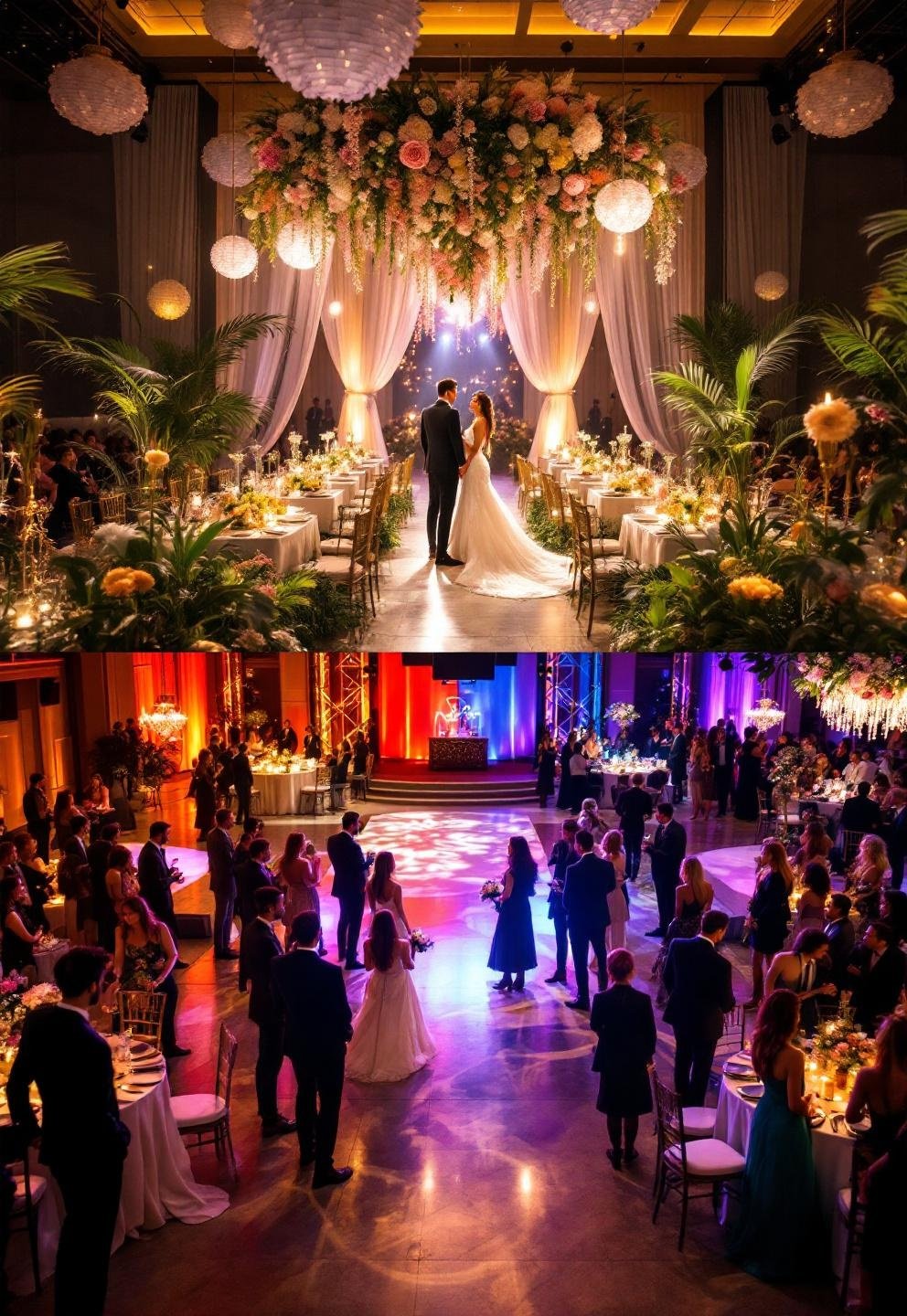
Skills, credentials, and capabilities that separate top professional decorators
What makes a real professional event decorator?
- Creative design: Understanding of editorial trends (like sculptural floral installations or Cloud Dancer palettes) and ability to create moodboards, AR walkthroughs
- Project management: Multivendor coordination, timeline management, and adapting to venue or weather surprises
- Vendor & logistics networks: Established supply chains = less risk of last-minute shortages
- Onsite leadership: Supervising installations, quality control, and professional troubleshooting
- Certifications (if any): While there is currently NO event decorator-specific license, industry certifications like CMP (Certified Meeting Professional), plus floristry or rigging/trussing trainings, signal professionalism
Research shows a gap here — very few top-ranking guides discuss skills or credentials. For proof of expertise, always request real-world portfolios, past client references, and check for basic business insurance and permits.
For inspiration and proof of up-to-date trends, look at serpentine table layouts or immersive, multi-sensory design.
Typical pricing structures and ballpark costs by event type (wedding / corporate / private party)
Transparent pricing is a notorious blind spot in the events industry—our research confirms no reliable direct cost datasets. Based on industry norms:
- Weddings: Decorators charge 10–20% of the total budget ($60–120k wedding = $6k–$24k for decor in most markets)
- Corporate events: Flat design fee ($3k–$12k) plus markup on rentals, or per-square-foot for dramatic installations
- Private parties: Basic packages ~$2k–$6k for smaller events; expect more for customization or luxury
- Setup/teardown rates: $500–$2,000/day per crew member for large/complex builds
Advice: Always request an itemized, signed proposal. If you’re quoted a single lump sum, push for a breakdown of design fees vs. rental/purchase costs vs. staffing/logistics. Never pay 100% upfront.
For a helpful reference, you can consult venue pricing norms to compare how decor fits into your total spend.
Disclaimer: All pricing is informed by broad industry trends and market size data. No source provided direct quotes—always confirm locally.
Trends & technologies shaping event decorating today
The best event decorators in 2026 bring both style and smart tech:
- VR/AR tools for realistic previews and client walkthroughs
- Hybrid event décor for in-person and remote attendee experiences
- End-to-end planning with project management software (asset tracking, real-time updates, digital checklists)
- Sustainability: rentals, reusable backdrops, biodegradable elements, and circular supply chains
- Experiential, theme-driven design (inspired by movies, cultural motifs, or maximalist trends—see maximalist tablescapes)
Social media is a core driver: Pinterest, Instagram, and TikTok push demand for truly unique décor moments. See how AR is changing setups on our AR event decoration vendor checklist.
Sources: Technavio/PR Newswire report; Market Research Future.
Common complaints and real-world remedies — from negative reviews to contract language
Most negative reviews for event decorators mention:
- Late or incomplete setup—installation team fails to finish before guests arrive
- Poor material or floral quality (wilting, cheap plastic)
- Unexpected extra fees post-event
- Decor “not matching” sketches or inspiration boards
How do professionals address these?
- Milestone mockups and staged walkthroughs — preview major elements, either in-person or via video, at least two weeks out
- Progress photos — decorators send you setup photos at each key step
- Penalty or refund clauses — in the contract, a % refund or flat deduction if setup isn’t done on time
- Repair/replace policies — clear procedures (with response times) for damaged, missing, or substandard items
Sample contract language:
"In the event that setup is not completed by the agreed time, the Client will be entitled to a pro-rated refund of [X]% of the setup fee. All materials and décor items must match the final approved proposal; significant deviations may result in remuneration or replacement at the Vendor's expense."
Escalation flow:
1. Address concern with on-site lead immediately.
2. If not resolved, escalate to contract manager in writing before end of event.
3. Withhold final payment until written resolution delivered.
Read how this is implemented in our eco-friendly event decor rental guide (timelines and complaint handling).
How to choose & vet an event decorator — checklist for hiring, interviewing, and contracting
Here’s your go-to checklist (and you can download this as a PDF):
- Review portfolio: Ensure at least three events similar to yours (style, size, venue)
- Contact references: Always request two recent client contacts
- Request a timeline matrix: Key milestone dates and what’s due when
- Get an itemized, written quote: See above for sample breakdown expectations
- Confirm insurance and permits: Ask for evidence—especially if ceiling/hanging installs or open flames are involved
- Ask about backup/contingency plans: What happens if a key vendor is unavailable, or items arrive damaged?
Essential interview questions to ask:
- What was your most challenging event, and how did you handle surprises?
- How do you manage event overlaps and ensure your team is focused on us?
- Will I see a mockup or sample setup prior to event day?
- How do you handle sudden venue or policy changes?
Red flags to watch for:
- Unclear or missing timelines
- All-inclusive lump-sum pricing with zero breakdown
- No insurance or unwillingness to show proof
- Evasive about previous negative reviews or complaints
As the event decoration market grows (see CAGR data here), thorough vetting and contract discipline are increasingly vital for buyers to avoid costly mistakes.
Want a hands-on planning tool? Check our Party Decoration Ideas Guide for creative and budget-friendly inspiration as you compare vendors.
Conclusion
Hiring an event decorator isn’t just about style—it’s about clear communication, detailed proposals, proven reliability, and knowing how to spot (and prevent) problems before they start. With a mix of market context, concrete pricing models, credential checks, and realistic contract clauses, this guide helps you avoid rookie mistakes and get true value for every dollar. Start now, compare portfolios and rates, and use our step-by-step checklists and templates so your next event decorator delivers exactly what you envision.
Take the next step: Book a no-obligation consult or download our contract checklist before your first vendor call.
Frequently Asked Questions
What does an event decorator actually do?
An event decorator transforms spaces visually and atmospherically, handling all aspects of design, sourcing rentals and florals, full setup and breakdown, and coordinating with other vendors to deliver a unified look that matches your vision and event needs.
How much does an event decorator cost?
Pricing varies, but for weddings, decorators usually charge 10-20% of the total event budget. Corporate and private event costs depend on design fees, rental markups, and the scale of installation. Always get an itemized quote.
What credentials should a professional event decorator have?
There is no required license, but look for decorators with proven portfolios, strong references, business insurance, and any related certification (like CMP for event professionals or floristry/rigging training).
How do I avoid extra costs or last-minute surprises?
Insist on a detailed proposal with itemized pricing, signed timelines, milestone approval points, and clear contract clauses for penalties or late delivery. Good decorators will agree to these terms and offer transparent communication throughout.
What are some red flags when hiring an event decorator?
Watch for unclear lump-sum bids, reluctance to discuss prior negative reviews, missing insurance or permits, or vague answers on contingency planning—any of these should prompt you to dig deeper or walk away.