How to hire entertainment for your event without overspending
- Quick Cost Snapshot: What You Should Expect to Pay
- Actual Entertainment Costs by Event Type
- How Entertainers Price Their Services
- How Much of the Event Budget Goes to Entertainment?
- Measuring the Impact: Proving the Value of Your Spend
- Matching Entertainment Format to Event Goals
- Vetting Checklist: Contracts, Insurance, References
- Technical & Safety Requirements: Confirm Before Booking
- Timeline & Booking: Workflow for Smooth Hires
- Handling Last-Minute Bookings & Cancellations
- Contingency & Risk Management
- Emerging Tech & Unique Entertainment
- Regional Pricing & Local Negotiation Tips
- Top Customer Complaints—and How to Avoid Them
- Sample Packages & Quote Request Scripts
- FAQ & Local Booking Checklist
- Appendix: One-Page Decision Checklist
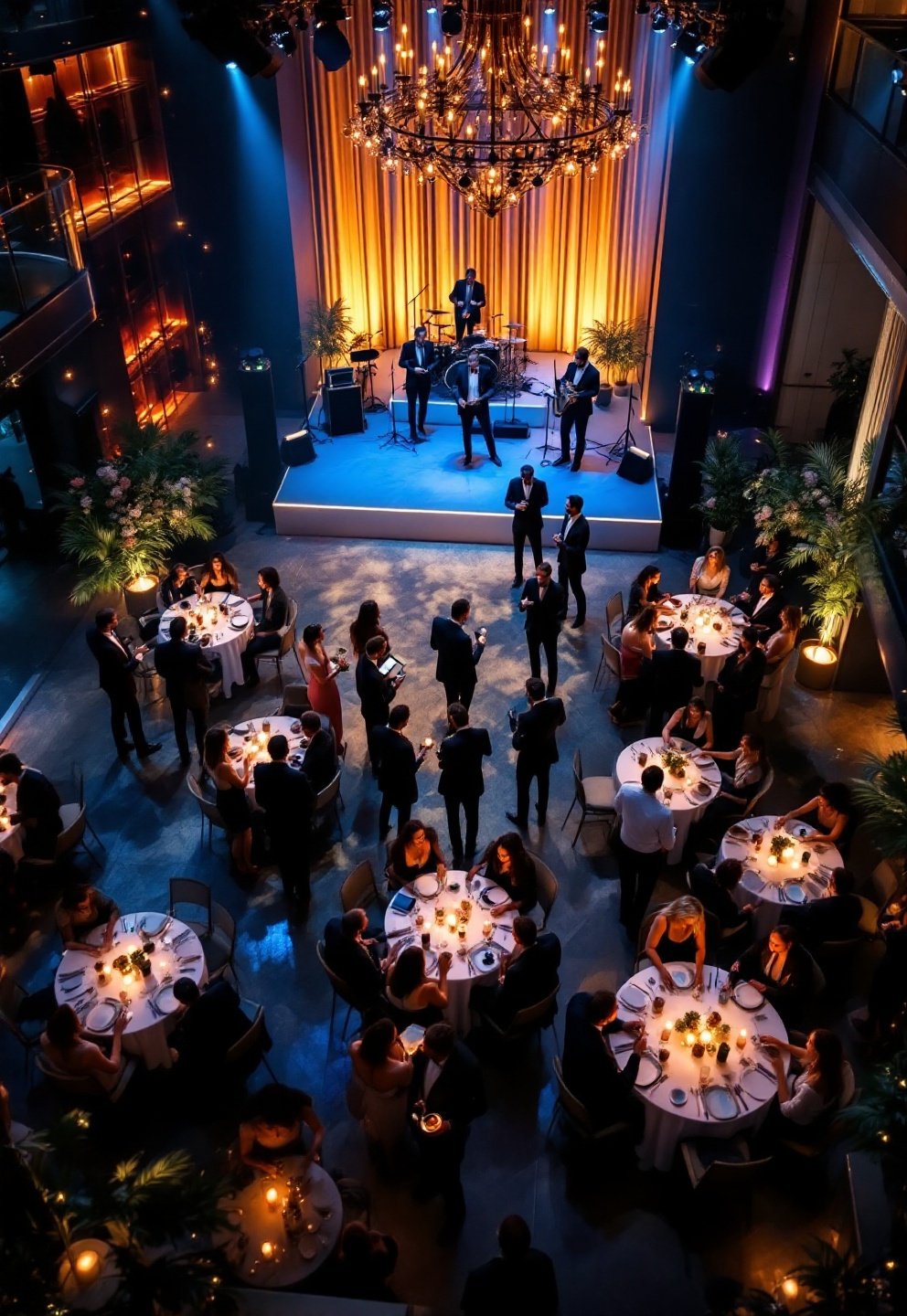
Quick Cost Snapshot: What You Should Expect to Pay
Before you reach out to hire entertainment for your event, it’s smart to anchor your budget based on current market data. For 2024–2026:
- Average cost per act: $600 (range $350–$4,000 depending on act type, experience, and event size).
- Typical 2-hour corporate entertainer: low $325 / avg $800 / high $2,250.
- Live band or “full-service” entertainment (e.g., 3-4 piece): $2,000–$5,500 and up for weddings and galas.
- Premium integrated packages (headline band, DJ, production): upwards of $7,500.
These figures help set expectations early—and help you spot quotes (up or down) that warrant a closer look. For more on the factors driving these prices, see the deep-dive at Bark.com.
Actual Entertainment Costs by Event Type
Your event’s size, formality, and region matter. Here’s the detail:
Corporate Events
- DJs: $1,500–$3,000 (evening); UK £500–£1,200
- Bands: $2,000–$5,500+; larger acts (9+ musicians) $5,500–$8,000
- Photo booths/branded experiences: £400–£900
- Interactive team-building/games: £500–£1,500
- Add-ons: Travel (varies), overtime (+$250–$500/hr), AV/sound/lighting (+10–15% of total event)
Birthday Parties
- Solo kids’ entertainer (magician, clown): $150–$400 (1–2 hours)
- Party DJ: $400–$1,000
- Small cover band/premium DJ (milestone birthday): $800–$2,500+
- Add-ons: photo booth $300–$900, karaoke system $200–$500
Weddings
- Wedding DJ: $1,000–$2,500 (ceremony & reception)
- Small trio/band: $1,300–$2,100; 4–6 piece band: $2,000–$3,500; 9+ piece: $5,500+
- Add-ons: Ceremony mic setup (+$200–$500); photo booth ($400–$900); uplighting ($250–$800)
The above costs are highly region-sensitive—big cities can skew 20–40% higher. For further breakdowns, check out GigSalad’s guide.
How Entertainers Price Their Services
Not all quotes are “per event.” Here’s what you’ll see and what each means for your bottom line:
- Flat event fee: Most common for DJs/bands. Ex: $2,050 for 3–5 hours includes basic setup and performance.
- Hourly: $250–$500/hr; often used by solo acts, children’s entertainers, MCs, and for overtime.
- Tiered packages: Bronze/Silver/Gold levels that combine more musicians, lighting, MC, etc. Each tier may double or triple price.
- Per-attendee or “per head”: Most common at corporate events—budgeting $150–$300 (basic), $500+ (premium) per guest including all programming, not just the act.
- Add-ons: Travel, overtime, special requests, advanced AV, or extra setup (e.g., ceremony plus reception), which are usually itemized.
Understanding this makes it easier to compare offers and spot hidden fees when you hire entertainment for event needs, especially large-scale or all-day events.
How Much of the Event Budget Goes to Entertainment?
Traditionally, entertainment got 10–20% of the budget. That’s shifting—by 2026, 20–30% is not unusual for corporate galas, big weddings, or milestone birthdays where the “experience” is the headline.
- For a company event: $50,000 total budget? Plan for at least $7,500–$15,000 on entertainment and AV combined.
- Weddings: 10–20% is still standard, but couples aiming for a party atmosphere or live headliner are trending closer to 20–25%.
- Kids’ birthdays: Still budget-oriented; $300–$1,000 gets a crowd-pleasing act and maybe a photo booth.
Bottom line: Allocating more to entertainment correlates with higher satisfaction and ROI (see next section).
Measuring the Impact: Proving the Value of Your Spend
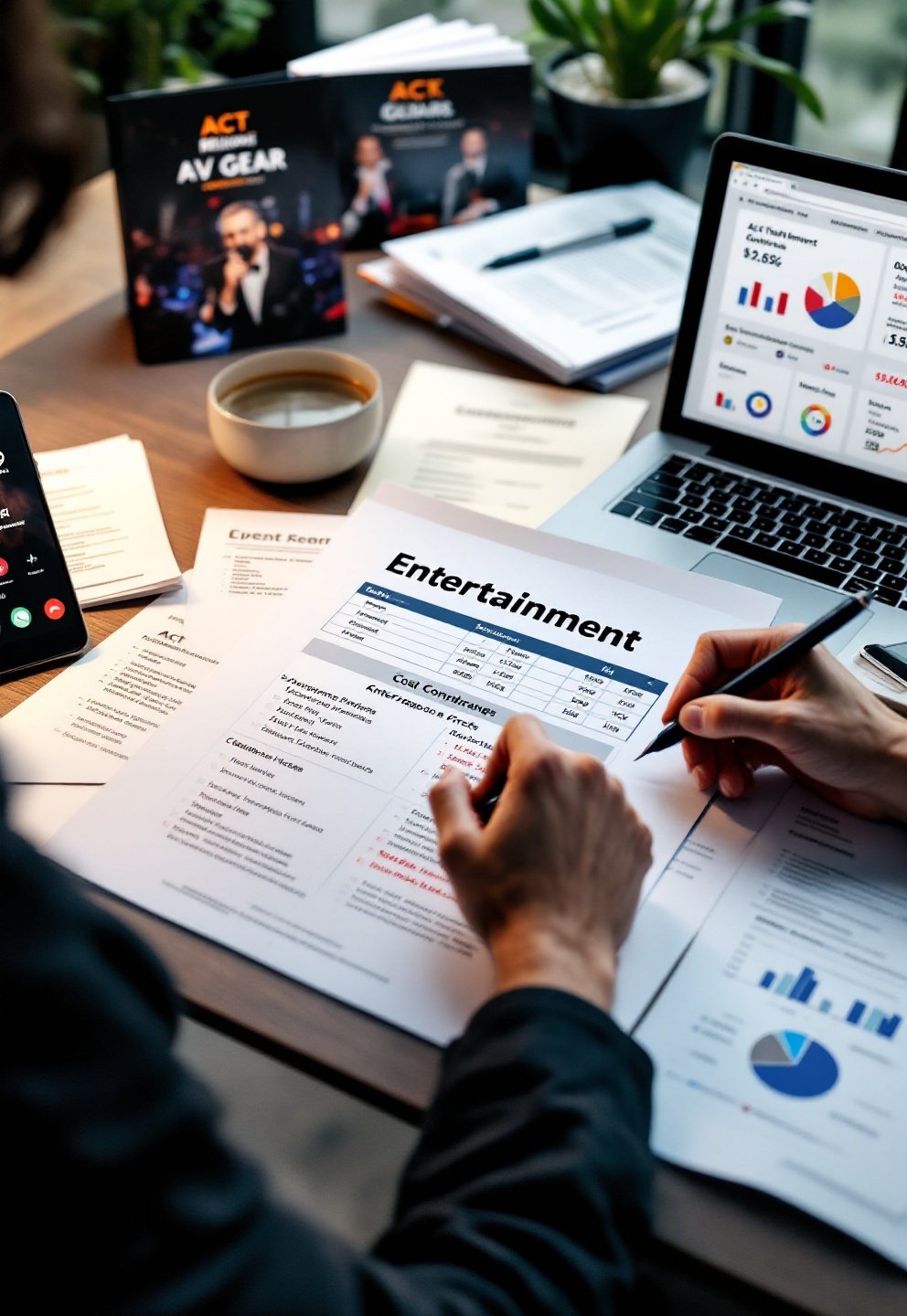
No one wants to overspend, but if you’re asking the CEO (or the couple’s parents) to put $5,000–$20,000 into entertainment, you need to measure its effect.
Key Metrics
- Attendee satisfaction/NPS (Net Promoter Score): Was the entertainment cited in post-event feedback?
- Dwell time: Did guests stay longer at the event?
- Social engagement: Number of posts, shares, or photos at/with the entertainer or activation.
- Leads captured: (For branded activations) Did the photo booth or game generate new prospect details?
Simple survey example: “What was the most memorable part of the evening?” If 60%+ answer band or entertainment, your spend was justified. New research suggests planners are increasing their entertainment budgets precisely because it’s the single strongest driver of perceived event value (source).
Matching Entertainment Format to Event Goals
The right act depends on more than budget. Use this quick matrix to cut through options when you hire entertainment for a corporate event, birthday, or wedding:
| Event Goal | Recommended Formats |
|---|---|
| Networking/icebreakers | Interactive games, close-up magicians, branded photo booth, acoustic act |
| Celebration/party | DJs, party bands (3+ pc), karaoke, MC-led games |
| Brand activation | Branded photo/video experience, gamified AR/VR, influencer-hosted entertainment |
| Education/Engagement | Guest speakers/hosts, variety acts, creative workshops, live podcast taping |
For more deep-dive inspiration, see our general entertainment planning guide.
Vetting Checklist: Contracts, Insurance, References
- Registered business (LLC, corp, etc.) and tax ID
- Liability insurance: $1–$2 million policy (mandatory at most venues)
- Contract in writing: Must spell out timeline, payments, technical needs, cancellation/refund terms
- References: Recent, event-type-relevant clients (and read third-party reviews)
- Technical rider: Equipment/soundcheck needs, power/stage space, dress code
- Background checks: For kids/family acts or school gigs, proofs as required
Venues nearly always want to see liability insurance—and you should never book an uninsured provider for a wedding or company event.
Technical & Safety Requirements: Confirm Before Booking
Prevent day-of disasters. Ask both your venue and entertainer to confirm:
- Power availability and access
- Stage or dance floor space (minimum size in contract or rider)
- AV set-up needs (AV set-up needs)
- mics, monitors, lighting?
- Load-in time and logistics (when can they access, who handles equipment?)
- Sound level or curfew limits (esp. hotels and urban venues)
- Accessibility (ramps, elevators if relevant)
- Safety compliance (fire codes, crowd management plans for big acts)
AV alone often accounts for 10–15% of a mid-size corporate event’s budget; overlook it and you risk everything from a blown fuses to a silent dance floor. Dig deeper with our venue AV checklist.
Timeline & Booking: Workflow for Smooth Hires
- 6–9 months out: Book headline acts and integrated production partners for weddings and corporate galas.
- 3–6 months: Book primary DJ/band for most events; confirm date and soft hold; collect deposit (25–50%).
- 2–3 months: Confirm technical riders and finalize set list/playlist.
- 1 month: Reconfirm arrival/load-in time, audibles, and access with venue and act.
- 2 weeks: Re-confirm all details in writing; do final payment if required.
- 2–3 days before: Check weather (if outdoors); confirm backup plans.
Last-minute booking? Check only vendors advertising open dates and expect higher rates or customization limits. Always cross-check insurance and licensing before sending any payment.
Handling Last-Minute Bookings & Cancellations
- Deposits: 25–50% (non-refundable) to secure your date. You lose this if you cancel late.
- Cancellation windows: Cancel 30+ days out, lose only deposit; less than 30 days, you may owe full fee.
- Rush bookings: Expect expedited (“rush”) fees for gigs booked less than 2 weeks out, and fewer customization options.
- Rescheduling: May be treated as a cancellation; always clarify your rights to transfer deposit.
- Force majeure: Contracts often have a clause for events outside control (e.g., weather, government shutdowns). Read it before you sign.
Negotiate a “partial refund” schedule if paying for a high-value act—the best contracts lay out percentages by timeline (90–61 days: forfeit just deposit; 60–31 days: pay 50%; 30 days or fewer: full amount).
Contingency & Risk Management
No-show? Technical failure? Weather? Have a plan:
- Include a “backup performer” clause in the contract, especially for MCs or headliners (provider swaps in a qualified substitute).
- For outdoor events: Book weather-backup entertainment (e.g., can the band/DJ play inside if it rains?).
- Technical redundancy: For big events, budget 10–15% extra for backup PA or generator; don’t risk silence if gear dies.
- Keep a communication “tree” so all vendors and your own team can reach each other fast if something breaks.
For public events, add crowd management and emergency planning in coordination with your venue’s management team.

Emerging Tech & Unique Entertainment
Entertainment is getting more high-tech and more interactive. If you’re considering 360 photo booths, AR/VR games, LED video walls, or remote/hybrid entertainment:
- Costs: $500–$5,000+ per experience; premium tech packages (integrated live band, DJ, lighting, live streaming) can top $7,500 plus AV costs.
- Lead time: Custom or high-tech acts require more pre-production—book at least 2–3 months out.
- Logistics: Advanced AV, IT, internet bandwidth, and data capture now often required. Confirm venue compatibility early (see AR event checklist).
If you want Instagram-worthy activations, budget both money AND time—and make IT/AV introductions early in the process.
Regional Pricing & Local Negotiation Tips
- Big cities usually run 20–40% higher for the same act versus small towns or suburbs.
- Negotiate off-peak (weekday, daytime, winter months) for discounts of 15–30%.
- Bundle services (DJ + band, or band + photo booth) for better integrated rates and potentially easier logistics.
- If your date is flexible, ask vendors about their “soft holds” and book when they have light demand.
- Secure local acts directly via platforms like Bark or (for the UK) FPM Music to avoid agency overheads on smaller bookings.
Find more local negotiation tactics and city-by-city benchmarks in our location-optimized entertainment guide.
Top Customer Complaints—and How to Avoid Them
- Hidden fees/unexpected add-ons: Get all production, AV, and overtime in writing, not just the performance fee.
- Availability gaps/late booking stress: Book early for busy seasons; always get a contract and paid deposit to secure your date and act.
- Quality mismatch: Watch for “too good to be true” deals. Always request video demos and references for your specific event type.
- Technical failures: Confirm load-in, power, and AV needs in writing with both venue and act.
- Cancellation/refund drama: Be clear on terms—know deposit vs. total owed at every stage. Insist on a written schedule (see above).
The best prevention: a detailed contract, reference checks, and a clear timeline with written confirmations.
Sample Packages & Quote Request Scripts
Sample Packages
- Budget (birthday, kids’ party): Magician, 1 hour, $175; photo booth, $300; total ≈$500
- Mid-tier (small wedding): DJ 5 hours, $1,500; uplighting, $400; total ≈$1,900
- Premium (corporate gala): 9+ piece live band ($5,500), branded 360 booth ($2,000), all AV ($7,500); total ≈$15,000
Quote Request Script
Hi [Vendor Name],
I’m planning a [corporate event/adult birthday/wedding] for [number] guests on [date] in [city]. I’m interested in [band/DJ/interactive act], running from [start time] to [end time], with [any extras, e.g., photo booth, MC, lighting].
Could you confirm availability, your current pricing, what’s included, and your deposit/cancellation policies?
Please attach a recent event video and a sample contract.
Thanks,
[Your Name]
For more editable email templates and RFP samples, see our booking request toolkit.
FAQ & Local Booking Checklist
How far in advance should I hire entertainment for an event?
Book top-tier acts and multi-service vendors 6–9 months out, especially for high-demand seasons. Simpler/solo acts can often be secured 2–3 months in advance, but last-minute bookings risk high fees and limited choices.
What deposit and refund policies are standard?
Non-refundable deposits of 25–50% are standard. Refunds on the balance depend on how close to the event you cancel—within 30 days, expect to pay 75–100% of the fee.
How do I find vetted professional entertainment near me?
Check reputable local directories (Bark, GigSalad, regional music agencies), ask your venue for preferred vendor lists, and always verify insurance and references before booking.
What should I ask about the contract before I sign?
Clarify: total costs (including all add-ons), start/finish times, equipment/AV needs, load-in, cancellation window, backup plans, and what happens if the act cancels. Get it all in writing.
Appendix: One-Page Decision Checklist
- Budget: Confirm allowed spend; fit to pricing bands ($350–$4,000/act typical; $1,000–$7,500+ for premium packages)
- Type: Choose act format matched to event goals (see matrix above)
- Vetting: Require business registration, $1–$2M liability insurance, contract, and references
- Timeline: 6–9 months for high-demand acts, 2–3 for most others
- Add-ons: List extras (AV, lighting, photo booth) in writing
- Risk: Who’s the backup if the act cancels? What’s the weather/tech plan?
- Region: Adjust for city/peak pricing; negotiate off-peak/weekday
For a deeper dive into specific packages and more checklists, visit our live entertainment resource and industry benchmarks.